


DoCC social internships: Classroom without walls
At the heart of Development of Corporate Citizenship (DoCC) is its rural, social internships—a “classroom without walls” where management students engage directly with real-world challenges. Established in 1994 following corporate responsibility dialogues with ASSOCHAM, SPJIMR’s DoCC initiative integrates social responsibility into business management education. It connects management participants at SPJIMR with grassroots organisations, exposing future business leaders to societal realities, ethical decision-making, and the challenges of sustainable development.
Social internships are not just field visits—they are journeys of discovery. Students learn to listen, to understand, and to lead with empathy. They encounter resilience in communities, draw wisdom from indigenous practices, and unlearn theoretical management frameworks by learning to manage in unstructured ecosystems.
Impact
Over 7000 students
Have participated in rural internships since DoCC’s inception.
700+ organizations
Have partnered with DoCC, including NGOs, social enterprises, cooperatives, and community groups across India over the last 30 years.
28 states (geographical reach)
They have also partnered with organisations in South Asia, like Yunus Centre — Global Hub for Social Business, Dhaka and BASE, Nepal.
Internship participation
| Year |
Students
|
Organisations
|
Projects
|
|---|---|---|---|
| 2018 | 373 | 103 | 271 |
| 2019 | 385 | 73 | 136 |
| 2020 | 381 | 113 | 208 |
| 2021* | 401 | 95 | 307 |
| 2022 | 379 | 92 | 257 |
| 2023 | 457 | 93 | 347 |
| 2024 | 548 | 104 | 340 |
| 2025 | 602 | 117 | 450 |
* Covid year Hybrid
Projects aligned with SDGs (2018–2025)
Projects: 92
Projects: 304
Projects: 263
Projects: 373
Projects: 536
Projects: 269
Projects: 45
Projects: 459
Projects: 258
Projects: 204
Projects: 344
Projects: 129
Projects: 114
Projects: 2
Projects: 16
Projects: 128
Projects: 107
Thematic areas of the internship
Ageing
Agriculture and livelihood
Water and clean energy
Climate action
Disability and inclusion
Education and skill development
Financial inclusion
Health, food and nutrition
Sanitation
Social entrepreneurship
Women’s empowerment and self-help groups
Purpose and approach
Social internships are immersive experiences in which students spend up to 6 weeks in rural communities, working with grassroots organisations, cooperatives, and social enterprises, listening, learning, and contributing their skills.
Framework of learning
- Unstructured environment
- Living with and in adverse conditions
- Adverse conditions are seen as an ecology to learn from
- Engage with issues that impact social and community lives
- Interact with pioneers at the grassroots level
- Acquire sensibility about issues of equality and justice
Beyond borders
Between 2019 and 2025, nearly 100 students undertook international social immersion internships with international partners:
Yunus Centre
Pioneer in the Grameen model of microfinance and social business.

LEDARS
Working on climate resilience and environmental justice in the coastal regions.
BASE
Combating illiteracy, inequality, and bonded labour.
Participants share their internship experiences
My field visit transformed my project from an academic requirement into a moral mandate. I realised how critical it is to help small businesses not just sustain, but survive with dignity. The fundraising plan that I prepared cannot just be about “innovation.” It has to be about justice. It has to be about acknowledging that Anishaben deserves a workspace that doesn’t cook her alive. The heat is natural, but their vulnerability is man-made. And that means we have the power and the responsibility to change it.
PGPM-24 participant, interned with All India Disaster Mitigation Institute
When I first stepped into El Shaddai, I walked in with a project. When I left, I walked out with perspective. I understood social impact not through documents, but through a girl who once entered the shelter frightened and now stands in the same building with confidence and purpose. Her journey reminded me that when a child is given safety, education, and love, the future can truly be rewritten…
PGPM-24 participant, interned with El Shaddai Charitable Trust
The internship taught me something deeply personal about awareness. SKA is not doing charity; it is a movement rooted in rights and dignity. Liberation does not come from sympathy—it comes from solidarity. Awareness becomes meaningful only when it is supported by access and real change in everyday life. This project gave me something more than a field experience; it reshaped how I define work, equality, and empathy.
PGDM-25 participant, interned with Safai Karmachari Andolan
#DoCCDiaries
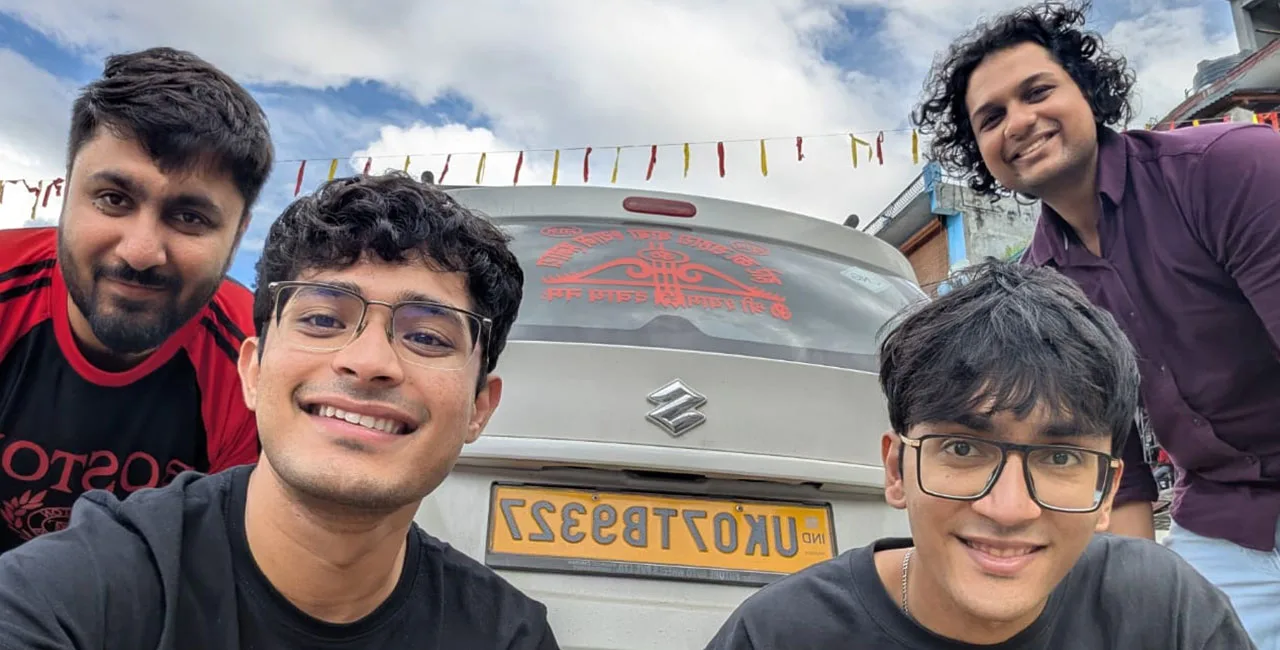
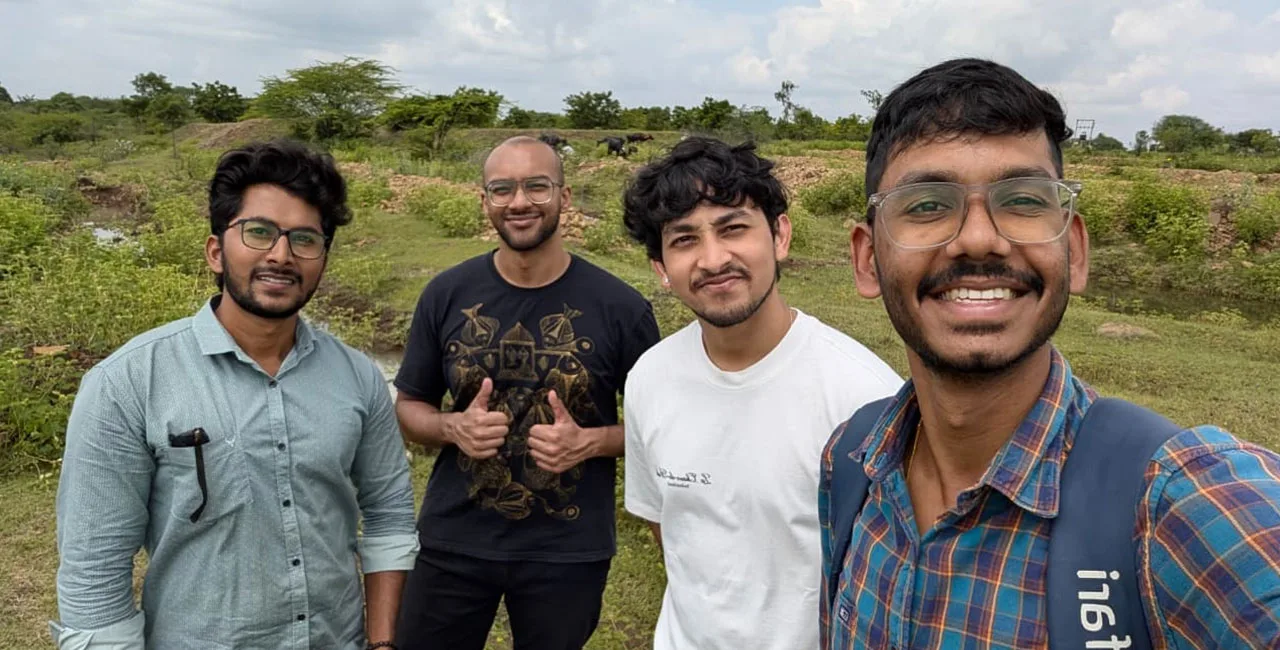
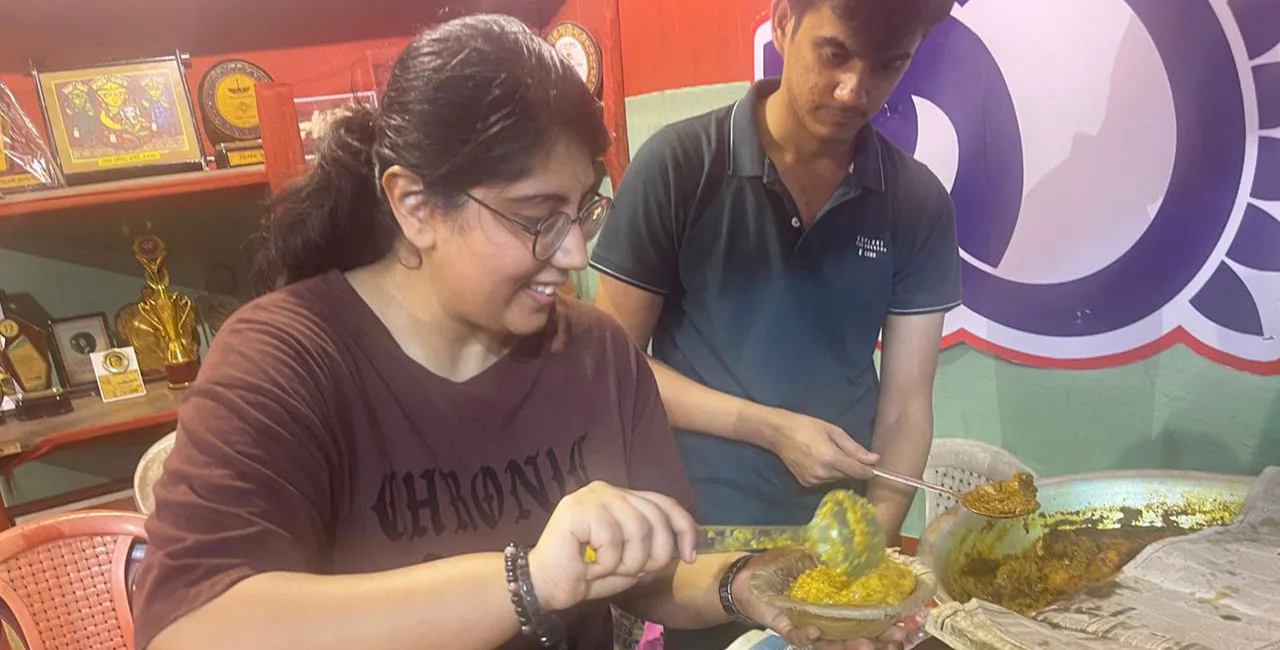
Explore the firsthand accounts and personal reflections from our participants about their rural and social-sector internships.

Multidimensional platform
Over three decades, DoCC has evolved into a multi-dimensional platform that brings together students, grassroots organisations, social enterprises, institutions, and communities through internships, grants, research, dialogues, and collaborative initiatives. Across these engagements, the larger purpose remains consistent: to create spaces where learning, responsibility, and social engagement meaningfully intersect. The ecosystem enables participants to engage with communities, inequalities, and lived realities far beyond what is possible in a traditional internship.
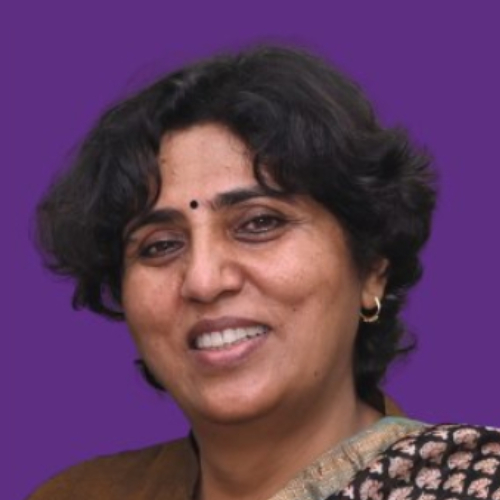
“DoCC is not an activity centre. It is a serious educational philosophy enacted institutionally over years.”
Prof. Chandrika Parmar
Director, Development of Corporate Citizenship (DoCC) at SPJIMR
Here is what students experience as part of their journey with DoCC at SPJIMR:
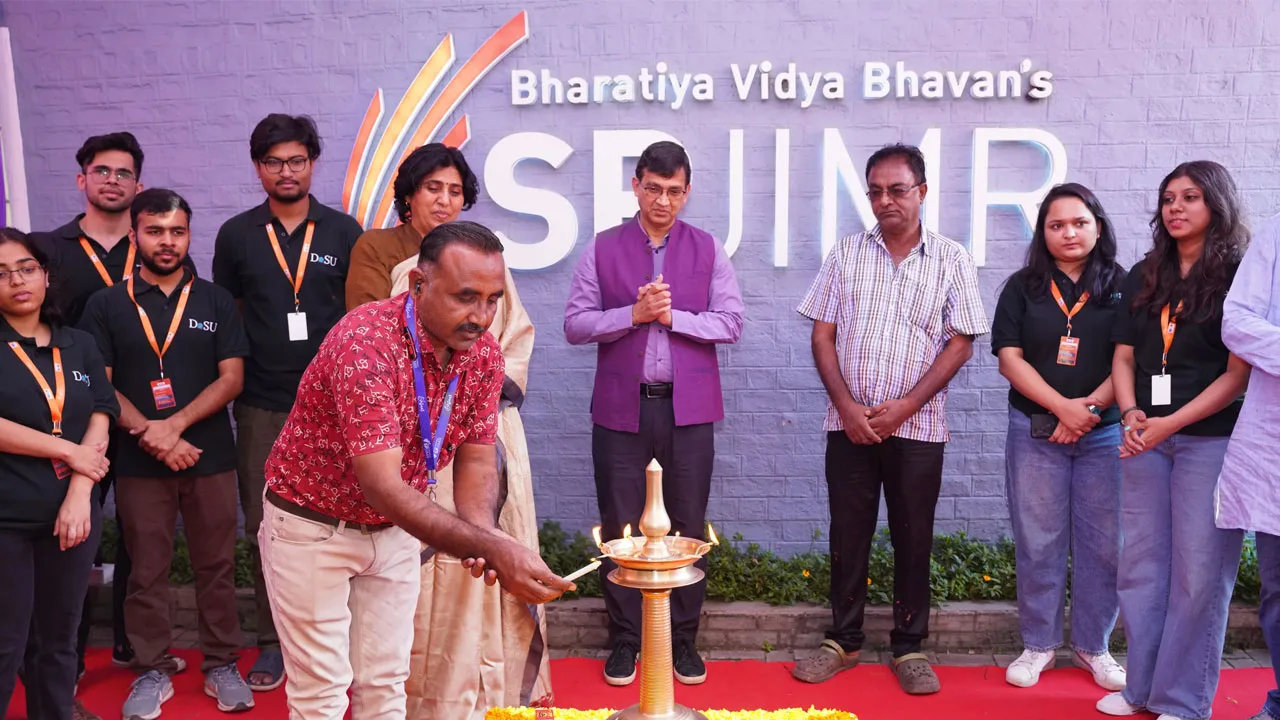
Ehsaas (The Mela)
Ehsaas is DoCC’s initiative that supports social enterprises, SHGs, FPOs, and micro-entrepreneurs to showcase their products. It serves as a vibrant platform to foster collaboration, capacity building, and knowledge sharing among key stakeholders. Students understand market linkages by participating in this vibrant annual marketplace.
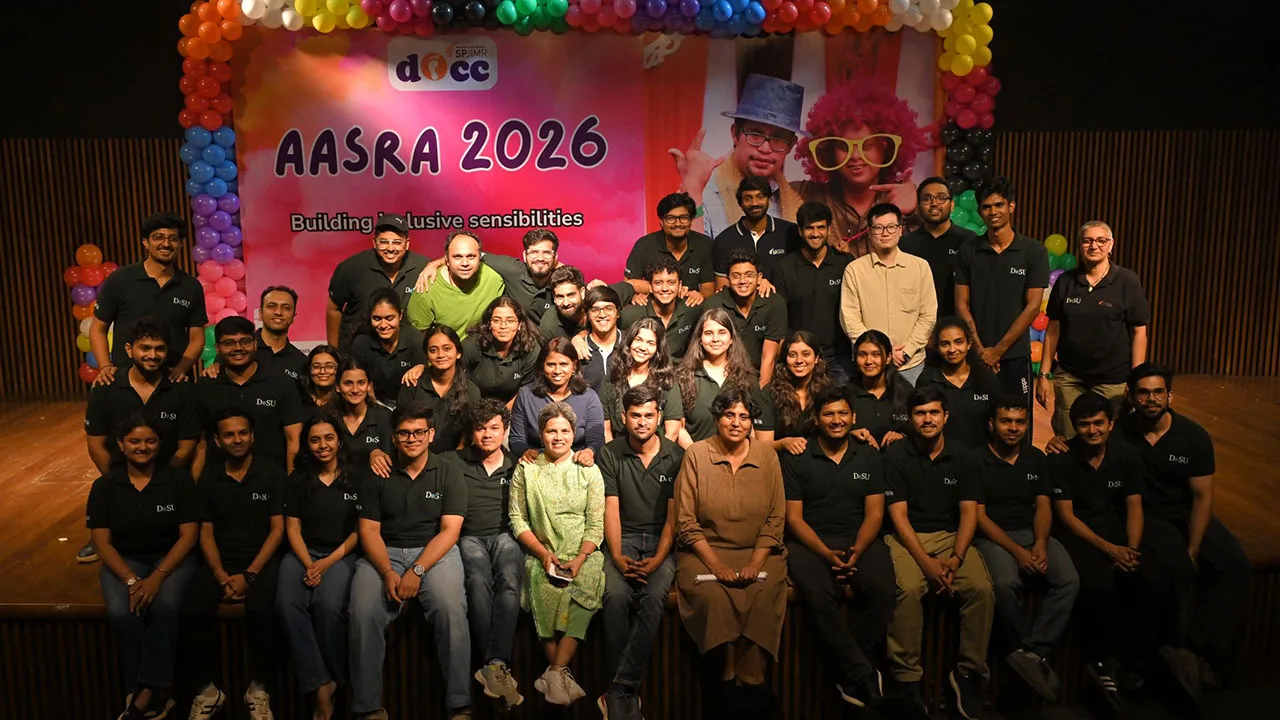
Aasra
As one of DoCC’s most significant events, Aasra fosters inclusion, diversity, and equitable communities. It teaches students to be thoughtful in both words and actions when creating inclusive spaces and engaging with diverse abilities.
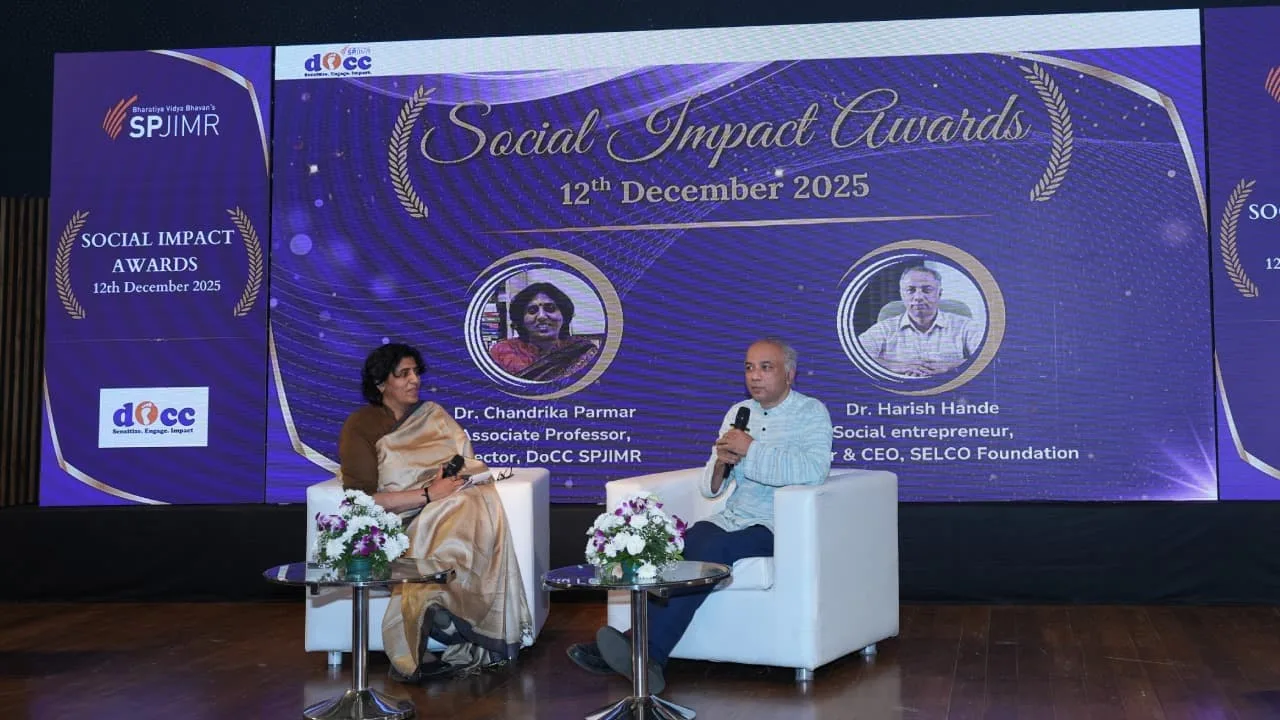
Social Impact Awards (SIA)
Students are exposed to grassroots innovation through a platform that recognises and celebrates changemakers, social enterprises, and civil society organisations driving real transformation in India.