





Choosing a management programme is often seen as a question of rankings, placements, or specialisations. In reality, one of the most important questions is far simpler: Is this programme aligned with where you are in your professional journey and where you want to go next?
At S.P. Jain Institute of Management & Research (SPJIMR), applicants often compare the Post Graduate Diploma in Management (PGDM) and the Post Graduate Diploma in Management (Business Management) or PGDM (BM). Since both programmes accept fresh graduates and professionals with up to five years of work experience, the distinction is not simply about years spent in the workforce. It is about the kind of management education experience you are seeking and the career aspirations you hope to achieve.
Why programme fit matters more than ever
Today’s careers rarely follow a linear path. Professionals are expected to move across functions, work with diverse stakeholders, manage increasing complexity, and contribute to strategic decisions much earlier in their careers than before.
As a result, management education is no longer just about acquiring business knowledge. It is increasingly about developing the ability to think broadly, work across disciplines, and lead effectively in uncertain environments.
This is why choosing the right programme matters. The most valuable learning experiences are often those that align closely with your ambitions, strengths, and future career direction.
Understanding PGDM (BM)
The PGDM (BM) at SPJIMR is a two-year, full-time residential management programme with a General Management focus. It is designed to help participants build capabilities across functional areas before taking on broader managerial responsibilities. The programme welcomes both fresh graduates and candidates with up to 5 years of work experience, and recent batches have reflected a strong representation of participants with professional experience.
The curriculum combines business fundamentals with leadership development, peer learning, industry engagement, and practical application. Participants also have the flexibility to choose a preferred mix of courses aligned with their career goals while developing a holistic understanding of business functions and cross-functional decision-making. A summer internship further enables them to apply classroom learning in organisational settings while exploring potential career pathways.
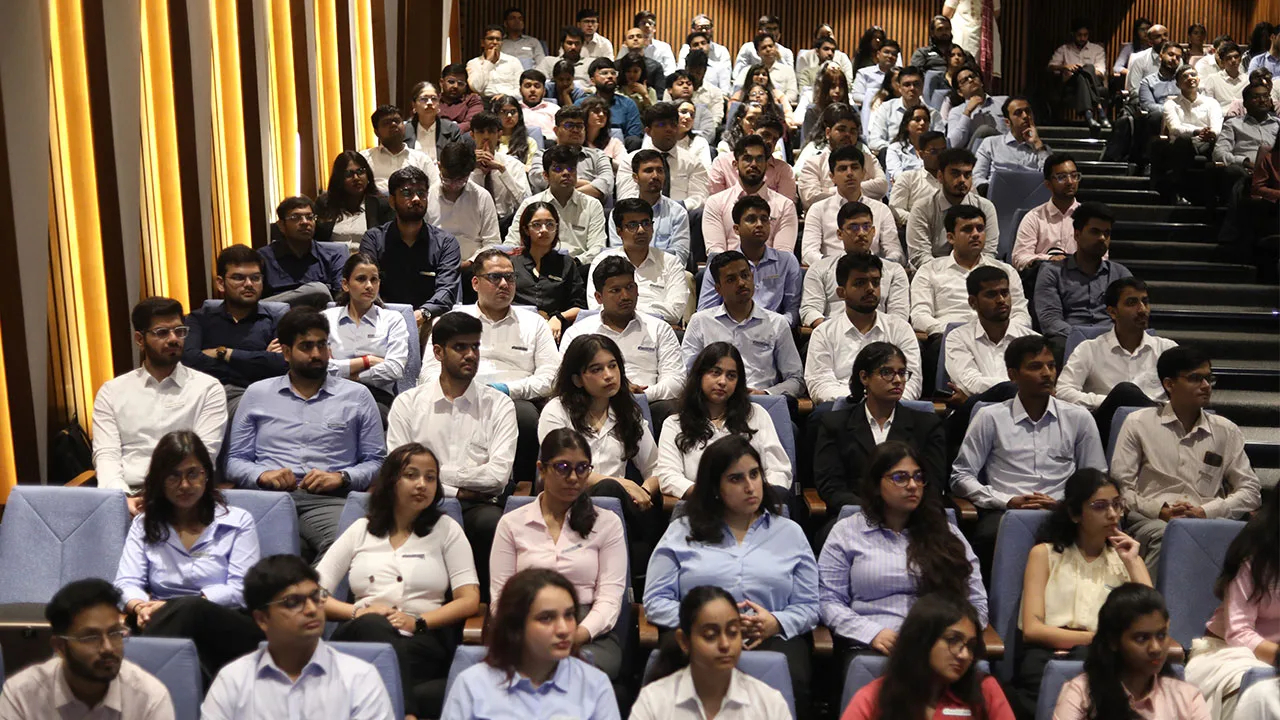
Beyond academics, many participants are equally attracted by the opportunity to learn alongside peers who bring varied professional experiences and perspectives into the classroom.
Recent placement outcomes also reflect the programme’s strong industry engagement, with the Class of 2026 receiving opportunities across sectors and functions from a broad range of recruiting organisations.
Who should consider PGDM (BM)?
Beyond classroom learning, the PGDM (BM) experience at SPJIMR is designed to expose participants to multiple dimensions of management and leadership development. The programme combines academic learning with industry engagement, international exposure opportunities, mentorship, leadership development initiatives, and experiential learning interventions that encourage participants to apply management concepts in real-world contexts.
While every applicant’s journey is unique, certain profiles are particularly well-suited to the programme.
- Professionals looking to build on early career experience
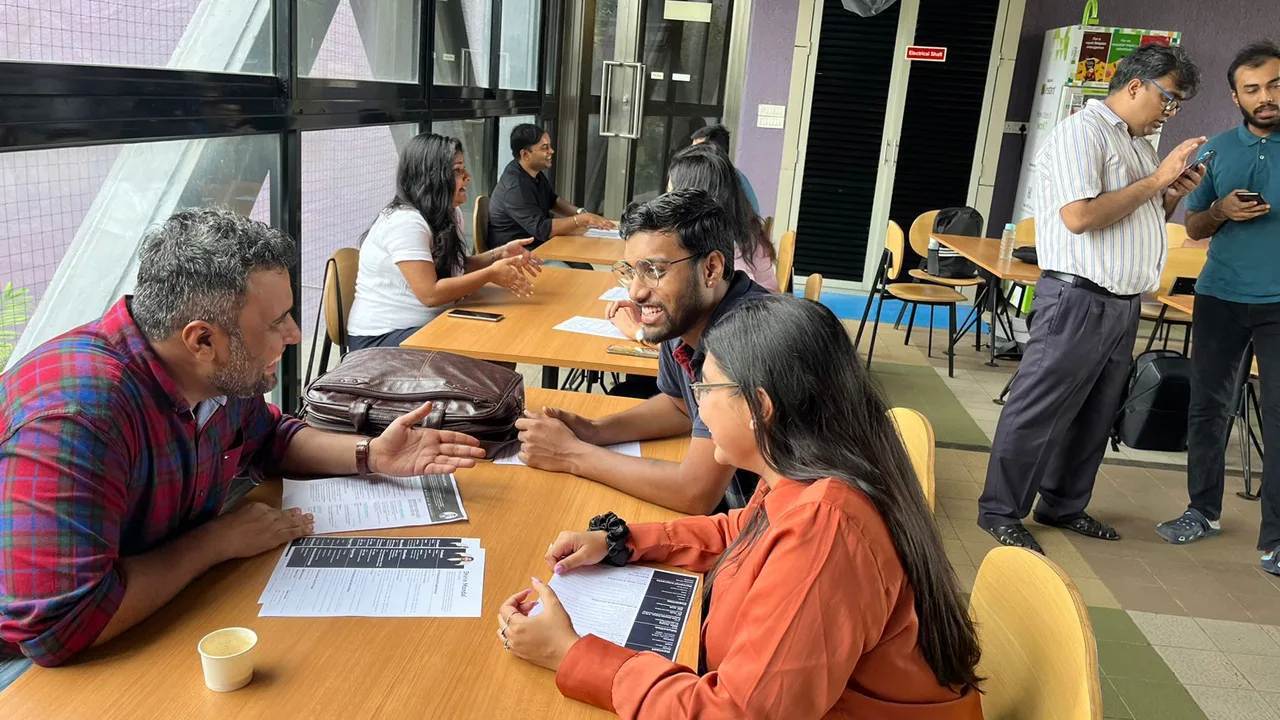
Many participants join PGDM (BM) after gaining a few years of professional experience.
At this stage, individuals often possess strong functional expertise but are seeking broader business understanding. They may be looking to move beyond execution-focused roles and develop a stronger grasp of strategy, leadership, finance, marketing, operations, and organisational decision-making.
For such professionals, management education becomes less about entering the corporate world and more about preparing for larger responsibilities within it.
- Individuals preparing for leadership roles
Career progression eventually demands more than technical excellence.
Professionals who aspire to lead teams, manage cross-functional initiatives, or influence organisational outcomes often discover that they need a broader management perspective.
Leadership development is supported through initiatives such as the Personal Growth Lab (PGL), which focuses on building self-awareness, interpersonal effectiveness, teamwork, and leadership capability through experiential exercises and reflective learning.
PGDM (BM) can be particularly relevant for those who recognise that future leadership success depends not only on what they know, but also on how effectively they collaborate, communicate, influence, and make decisions.
- Functional specialists seeking a wider business perspective
Engineers, consultants, analysts, finance professionals, technology specialists, and professionals from other functional backgrounds often reach a point where they want a deeper understanding of how businesses operate as integrated systems.
For these individuals, management education can provide exposure to perspectives beyond their own function and help them understand the broader drivers of organisational performance.
- Professionals seeking accelerated career growth
Some professionals are not necessarily looking to change industries or functions. Instead, they want to accelerate their growth within their existing domain.
For such individuals, a management programme can strengthen business judgement, strategic thinking, and leadership capability while creating opportunities to learn from peers facing similar career transitions.
- Candidates who value peer learning
One of the defining strengths of management education is the quality of conversations that happen outside formal classrooms.
Participants who enjoy learning from people with different experiences, industries, and viewpoints often find tremendous value in a cohort environment.
Exposure to diverse perspectives frequently becomes one of the most enduring aspects of the learning experience.
Questions to ask yourself before applying
If you are considering PGDM (BM), it may be useful to reflect on a few questions:
Am I looking to build broader business and management capability?
Do I want to strengthen my leadership potential for future roles?
Am I ready to learn from peers with diverse experiences and perspectives?
Do I want a management education experience that builds on my existing professional or academic foundation?
Am I seeking long-term career growth rather than only a short-term role change?
Your answers can often provide greater clarity than any programme brochure.
The value of learning alongside experienced peers
One reason many candidates choose PGDM (BM) is the opportunity to engage with a cohort that includes participants from varied educational and professional backgrounds.
Learning does not stop with the classroom. Participants also gain access to SPJIMR’s alumni network, creating opportunities for mentorship, career guidance, industry insights, and long-term professional connections.
Classroom discussions become richer when participants bring real-world experiences, workplace challenges, and industry perspectives into the learning process.
This diversity helps create an environment where learning extends beyond faculty instruction and becomes a collaborative experience among peers.
How SPJIMR approaches the PGDM (BM) experience
SPJIMR is recognised for its emphasis on values-based management education, experiential learning, and holistic leadership development. The institute holds international accreditations, including AACSB, AMBA, and EQUIS, placing it among a select group of business schools globally with Triple Crown accreditation.
This philosophy is reflected in initiatives such as Abhyudaya and Development of Corporate Citizenship (DoCC), where participants engage with underserved urban and rural and social sector organisations to address real-world challenges while applying management concepts in unfamiliar contexts.
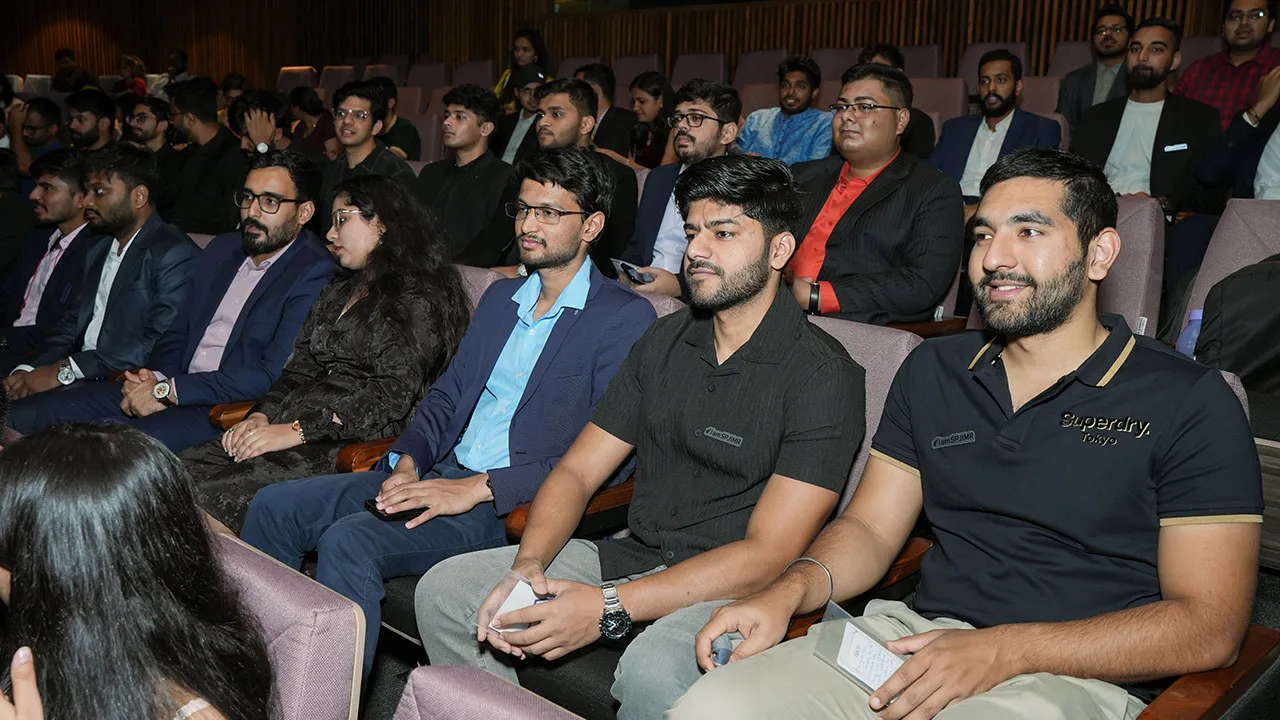
Within this broader ecosystem, the PGDM (BM) programme offers participants an opportunity to develop management capability while learning in a highly interactive and collaborative environment.
The programme attracts candidates from diverse educational and professional backgrounds, creating a classroom experience with enhanced peer-to-peer learning that mirrors the complexity and diversity of modern organisations.
Participants broaden their global outlook through the Global Fast Track (GFT), International Exchange, and International Teaching Week, engaging with international institutions, global business environments, and cross-cultural perspectives.
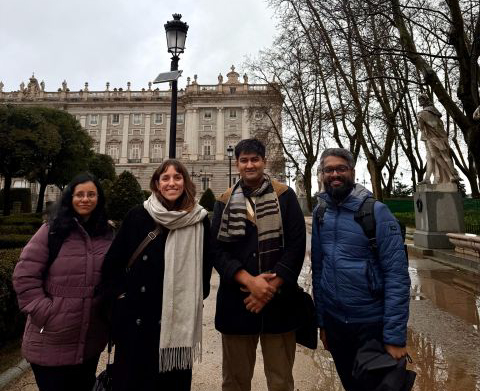
The Global Fast Track (GFT) exemplifies SPJIMR’s approach to global learning. As part of the 2025–27 programme, PGDM (BM) participants spent three weeks at Esade Business School in Madrid and Barcelona. Beyond academic sessions, the programme immersed participants in European business ecosystems through industry interactions, experiential activities, and cultural engagement, helping them develop a deeper understanding of global management in practice.
In addition, International Exchange (INTEX) offered the Class of 2027 the opportunity to study at leading business schools across Europe and Asia, including Audencia Business School, ESIC Business & Marketing School, Grenoble Ecole de Management, ICN Creactive Business School, IESEG School of Management in Paris and Lille, KEDGE Business School, Kuehne Logistics University, LUISS Business School, NUCB Business School, and Sasin School of Management.
Finding the right fit
The question is not whether PGDM (BM) is better than any other management programme. The more important question is whether it is the right programme for where you are in your professional journey.
For candidates who want to build broader managerial capability, prepare for larger leadership responsibilities, learn from a diverse cohort, and accelerate their long-term career growth, PGDM (BM) can offer a compelling pathway.
Ultimately, the strongest management education experiences are not defined by labels. They are defined by how well they help individuals prepare for the careers and leadership responsibilities they aspire to build.
Ready to take the next step?
Choosing the right management programme is an important career decision. If you’d like to learn more about PGDM (BM), connect with our admissions team for personalised guidance on the programme, eligibility, curriculum, admissions process, and important dates.
Fill out the enquiry form below or chat with us on WhatsApp. Our admissions team is here to answer your questions and help you make an informed decision.