




You have an idea. You may have spoken to potential customers, built an early prototype, or even made your first sale. Then someone asks: ‘Do you have a business plan?’ Or ‘Can you send me your pitch deck?’
For an early-stage founder, these can sound like two ways of asking for the same thing. They are not. A business plan helps you think through how your business can work. A pitch deck helps you communicate why the business matters and why someone should pay attention.
The real question is not whether you need a business plan or a pitch deck. It is what each one is for and when you should build it.
What is a business plan?
A business plan brings together the thinking behind your venture. It helps you examine whether the idea can become a viable business and what it will take to make that happen.
Depending on the venture and its stage, it may cover:
The problem you
are solving
Your target customer
Your product or service
The business model
The market and competition
Customer acquisition
Operational requirements
The team and capabilities you need
Costs, revenues and
cash flows
Strategy, growth and funding requirements
For an early-stage founder, the value lies not only in the finished document but also in the process of developing it. Working through these questions can expose gaps in an idea before a founder commits significant time or money to it.
What is a pitch deck?
A pitch deck serves a different purpose. It presents the most important elements of your business in a concise, compelling format.
It typically communicates:
The problem
The solution
The target customer
The market opportunity
The business model
Evidence of demand or traction, where available
The competitive landscape
The founding team
The growth opportunity
What you are seeking
A pitch deck is not a business plan in presentation format. It does not need to contain every detail. Its purpose is to make the opportunity clear enough for the conversation to move forward.
Business plan vs. pitch deck: What is the difference?
The two documents may contain some of the same information, but they approach the business from different directions.
| Business plan | Pitch deck | |
|---|---|---|
| Primary purpose | Examine and develop how the business will work | Communicate the business opportunity |
| Format | Detailed written document | Concise visual presentation |
| Focus | Business model, operations, financials and strategy | Problem, solution, opportunity, evidence and story |
| Level of detail | Comprehensive | Selective |
| Primary use | Planning, validation and deeper evaluation | Presentations and initial conversations |
| Core question | ‘Can this business work?’ | ‘Why should I pay attention?’ |
The distinction matters because founders often try to make one document do both jobs.
A business plan provides the deeper thinking. A pitch deck distils that thinking into a story that an audience can understand quickly.
What should an early-stage founder build first?
It can be tempting to start writing a detailed business plan or spend days designing a polished pitch deck. But neither should come before the underlying business thinking.
For an early-stage venture, the process is better understood as: Problem → Customer → Solution → Validation → Business model → Financials → Strategy → Pitch
Start by understanding the problem. Who experiences it? How significant is it? What are they doing today to solve it? Then examine the customer and the market. Test your assumptions rather than relying only on what you believe customers will want.
Next, define the solution and consider how you will create, deliver and capture value. Where appropriate, build an early version of the product or service and use customer feedback to refine your thinking.
This does not mean every founder needs to write a lengthy formal business plan before creating a pitch deck. It means the thinking behind the business plan should inform the story you eventually tell through the pitch deck.
Why founders often get the pitch deck wrong
A pitch deck has limited space, which can make it tempting to include everything. That often creates several problems.
Too much information
Founders may try to squeeze every piece of market research, financial data and product detail into the deck. The result can be difficult to follow.
A strong pitch deck should prioritise the information that helps the audience understand the opportunity.
Starting with the product instead of the problem
Founders naturally want to talk about what they have built. But the audience first needs to understand why the problem matters.
The product makes more sense when the problem is clear.
Presenting assumptions as evidence
A projection is not the same as traction. A founder may believe that a particular number of customers will buy the product, but that assumption becomes more meaningful when supported by evidence.
Founders should clearly distinguish between what they know, what they have tested and what they expect.
Designing before validating
A polished deck can make an idea look impressive. It cannot prove that customers want it. Founders should therefore test the underlying business proposition before investing too much effort in presentation design.
Why the business plan still matters
The growing importance of concise pitching does not make business planning irrelevant.
A pitch deck may communicate the opportunity quickly, but founders still need to understand the business behind the story.
That means deeper work which can reveal inconsistencies that a pitch deck might hide. For example, a large market opportunity may look attractive until detailed work on pricing, costs and customer acquisition shows that the business model needs to change. That is not a failure of the business plan. It is one of its purposes.
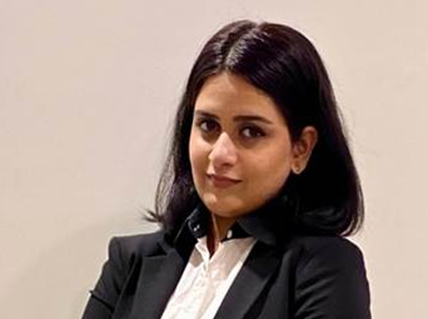
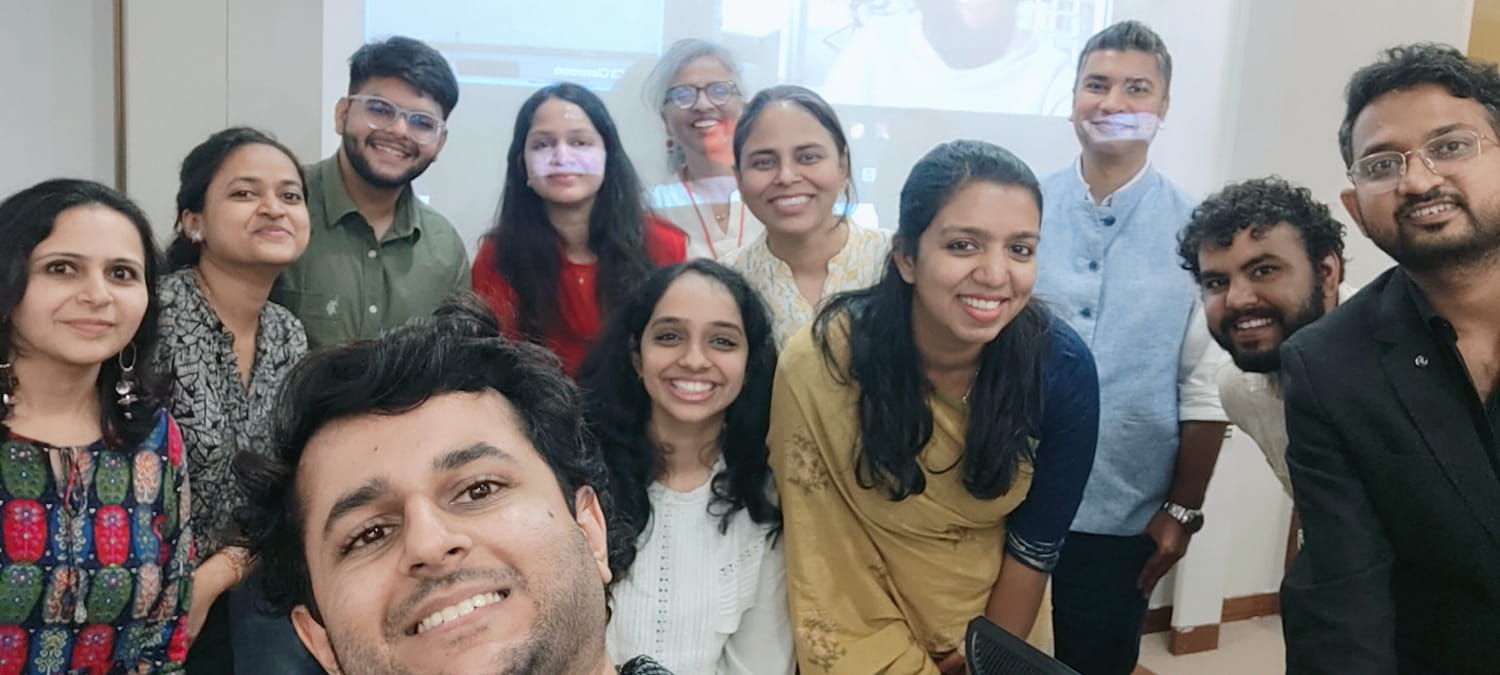
Vandita Raipat, SYB Batch 34, describes how the programme’s business plan presentation and interactions with industry experts and peers helped her question earlier assumptions and approach business decisions more systematically.
From business plan to pitch: Turning analysis into a story
Once the underlying business thinking is clearer, the pitch deck can distil it into a narrative: Problem → Insight → Solution → Customer → Business model → Evidence → Opportunity → Team → Ask
The strongest pitch is not necessarily the one with the most information. It is the one that makes the business logic easiest to understand.
This progression is also reflected in the experience of SYB participants. Niharika Jain, SYB Batch 12, highlights the programme’s journey from developing an entrepreneurial mindset to presenting a business plan to investors: “The curriculum of SYB, which includes everything, right from developing an entrepreneurial mindset to presenting the business plan in front of the investors, is what excited me to join the programme.”

Storytelling is therefore an important entrepreneurial skill. A founder needs to communicate the value created not only to investors, but also to potential co-founders, employees and customers.
How SPJIMR’s Start Your Business programme helps founders build the business behind the pitch
For aspiring and young entrepreneurs, the Start Your Business (SYB) programme at S.P. Jain Institute of Management & Research (SPJIMR) takes a practical approach to developing a venture.
The four-month hybrid programme combines a knowledge track with a new venture creation track, giving participants opportunities to apply entrepreneurship concepts while testing and refining their start-up ideas in real-world scenarios.
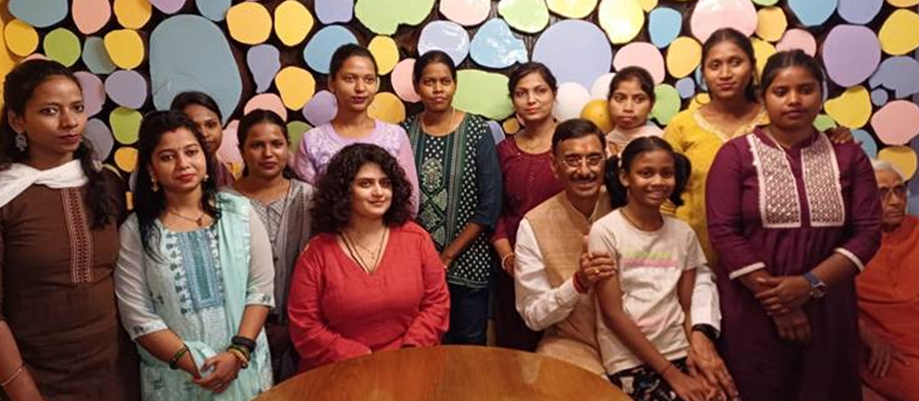
For Anukriti Singh, SYB helped her move beyond an idea and understand what it takes to build a business. The programme gave her greater clarity on positioning, customer needs and the practical realities of building a venture.
“SYB gave me: Hard-hitting reality checks and clarity An understanding of how to build a business from the grassroots level Clarity on positioning and differentiating the product A shift from focusing only on the idea to understanding customer pains and gains Mentorship and expert guidance Ecosystem and networking”
Anukriti Singh
SYB Batch 38 participant
For Akshita Patel, SYB offered a practical introduction to entrepreneurship, with expert faculty and learning grounded in real-world business. As someone new to entrepreneurship, she found the programme a useful starting point for understanding the fundamentals of building a business.
“Start Your Business Programme is realistic, practical, has expert faculty, brimming with information for newbies like me.”
Akshita Patel
SYB Batch 33
Test the idea and understand the opportunity
The programme covers idea and opportunity development, evidence-based entrepreneurship, customer discovery and business models. Participants also explore minimum viable products or service offerings and customer acceptance.
This helps founders examine the opportunity before moving deeper into the business plan.
Work through the business fundamentals
The curriculum includes managing costs, planning revenues, break-even, cash flows, strategy, resource requirements, funding and valuation. This deeper work provides a foundation for a more informed business plan and a more credible pitch.
Learn to communicate the opportunity
SYB also includes storytelling focused on communicating the value created to co-founders, employees, customers and investors.
Participants make presentations during the programme, culminating in a final presentation centred on a first-cut business plan. The programme also provides focused coaching from SYB alumni entrepreneurs who have built ventures in similar domains.
This progression reflects the distinction between developing the business and communicating it: founders first work through the underlying questions, then learn to present what they have developed.
What early-stage founders actually need
So, do early-stage founders need a business plan or a pitch deck? The answer is not one or the other. They need the business thinking that allows them to understand their customer, test their assumptions, develop a viable business model, and work through the financial and strategic implications of the idea.
They then need the right communication tool for the situation.
A business plan can help answer: Can this business work?
A pitch deck can help answer: Why should someone pay attention to it?
The documents may overlap, but they should not be mixed up.
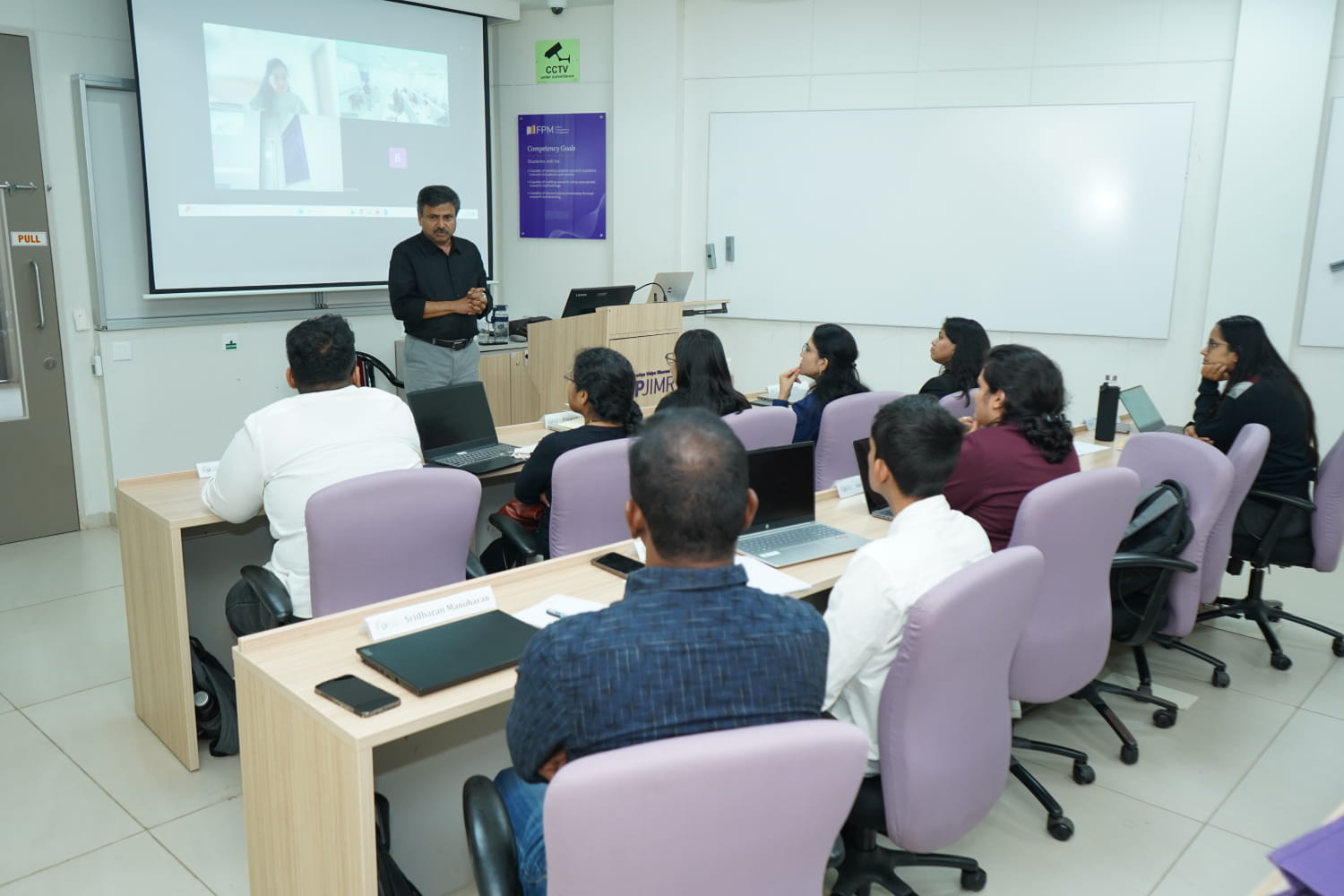
For founders looking to develop their ideas through structured, hands-on learning, SPJIMR’s Start Your Business programme provides a framework to test, refine and develop an early-stage venture, culminating in a business plan presentation.
Register your interest for this programme
Please fill in the following details