



Lessons from my journey building Ambrosia Grub
- Passion may start a business, but I learned that systems are what allow it to scale
- Listening to customers taught me more than relying on my own assumptions
- For me, a café was never just about food, but about creating an experience people return to
- Consistency and operational discipline became the foundation of long-term growth
- Paying attention to small details often made the biggest difference
- I learned that scaling should be a measured decision, not driven by speed alone
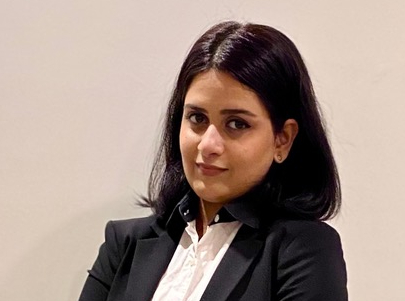
Early years and influences
My curiosity about how systems work often appeared in unexpected moments. I remember sitting in a chemistry class when a squirrel outside caught my attention as it searched for a nut it had hidden earlier. To the teacher, it looked like a distraction, but for me, it was simply another moment of curiosity. Growing up with ADHD, my attention often moved in curious directions. Even in school, I preferred learning that had practical relevance rather than simply memorising theory. I was always intrigued by what unfolded behind the scenes – how spaces functioned, how experiences were created, and how people responded to them.
I was particularly inspired by my father, who chose to build his own venture even though my grandfather had an established business, teaching me the value of building something from scratch. Through my father’s hotel, I spent time observing the kitchen and the quiet coordination that kept everything running. Watching how people, processes, and timing came together gave me my first understanding of systems. Looking back, that mindset quietly laid the groundwork for my career, because building a business is essentially about designing systems that work consistently in the real world.
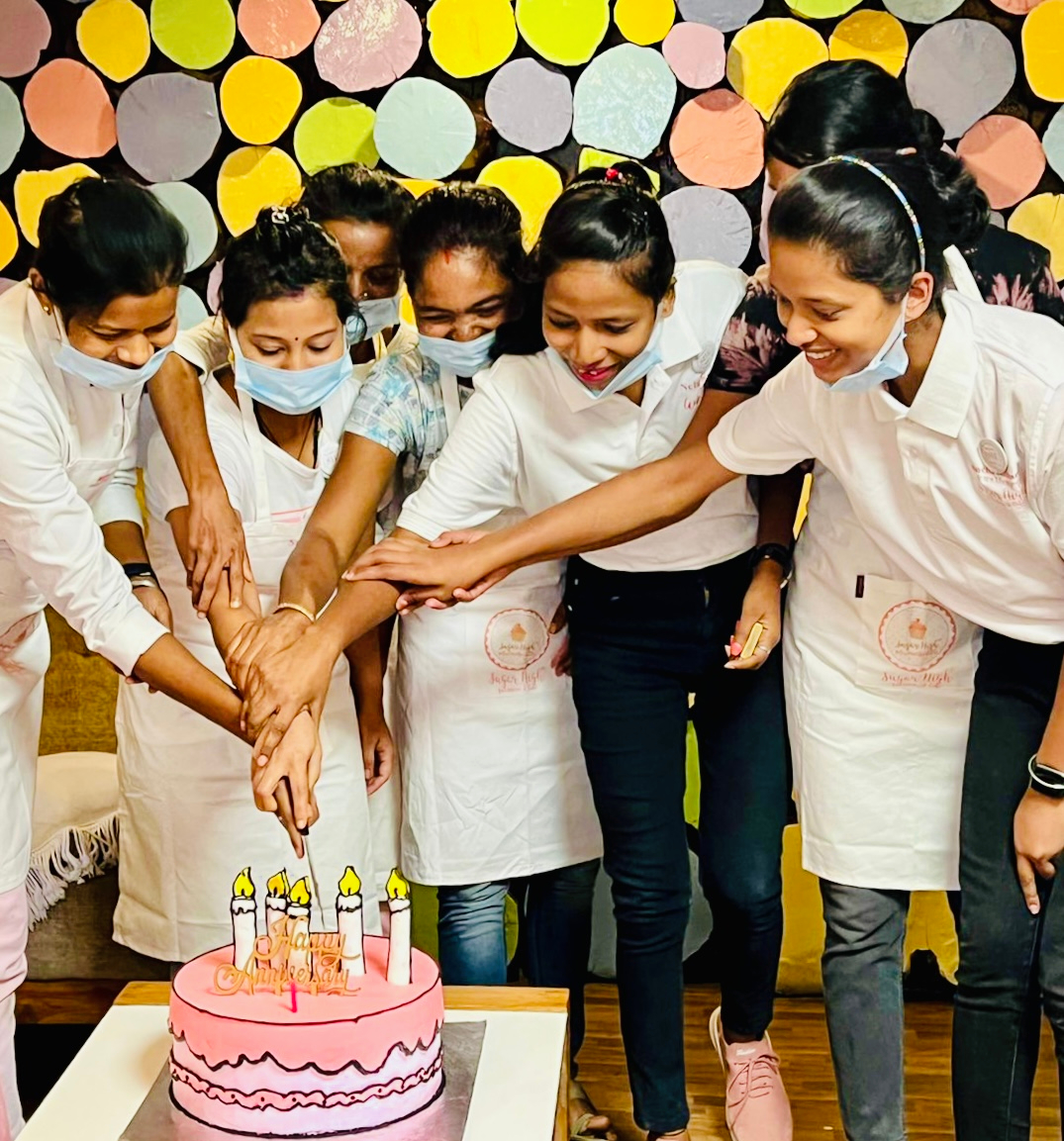
Identifying the opportunity and building Ambrosia Grub
In the months following my undergrad in Bangalore, I returned to Ranchi for GMAT prep, which gave me a chance to closely examine my hometown’s food scene. Around 2016, Ranchi had only a handful of bakeries, but they had limited options, and there was no real café-style dessert culture whatsoever.
During that time, I began to notice a clear gap in the market, and this motivated me to launch my first business, Sugar High Patisserie & Café, which has become the flagship brand of Ambrosia Grub. My original concept was not only to create a place where people could get great desserts but also to have people return because they enjoyed their time spent at the café. The question that I constantly came back to when creating this experience was, why should a café just serve food when it can create an experience?
One of the toughest calls (most recent one) was deciding what not to offer at Sugar High; it helped me understand that focus (on continuous improvement) is as important as creativity in building a brand. Building Sugar High pushed me to move from being hands-on in everything to slowly trusting processes and people, which was a big personal shift.
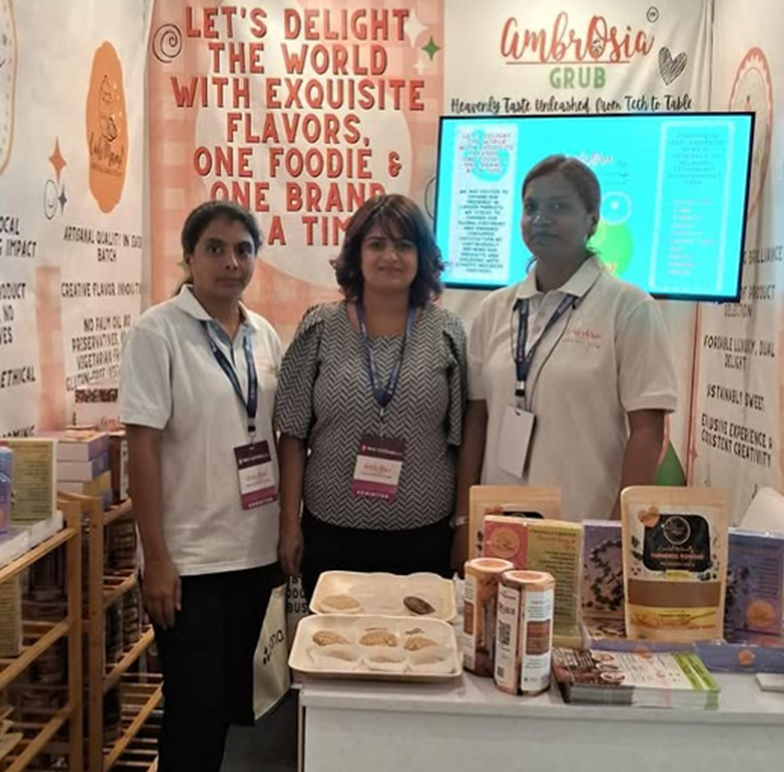
Entering into a very competitive and primarily male-dominated culinary industry without formal professional training was not easy, as I spent a lot of time experimenting with my products, observing how my customers reacted, and constantly working to overcome challenges as they arose. I’d often sit at one of the café tables listening to conversations around the desserts, service expectations, and the overall customer experience.
Those conversations helped me understand what customers truly valued and where the experience could improve. One of the earliest milestones was seeing customers return. My conviction came from evidence, not sentiment alone.
Choosing the SYB programme at SPJIMR
After establishing my café and considering how to expand the business, I realised that I needed more than gut instinct to be successful. Being an entrepreneur can be lonely sometimes because decision-making is often done on the fly based only on one’s intuition.
It was at that moment I joined the Start Your Business (SYB) programme at S. P. Jain Institute of Management & Research (SPJIMR). I was looking for a place to discuss and test my ideas through interactions with other entrepreneurs, academics, and professionals in the same field.
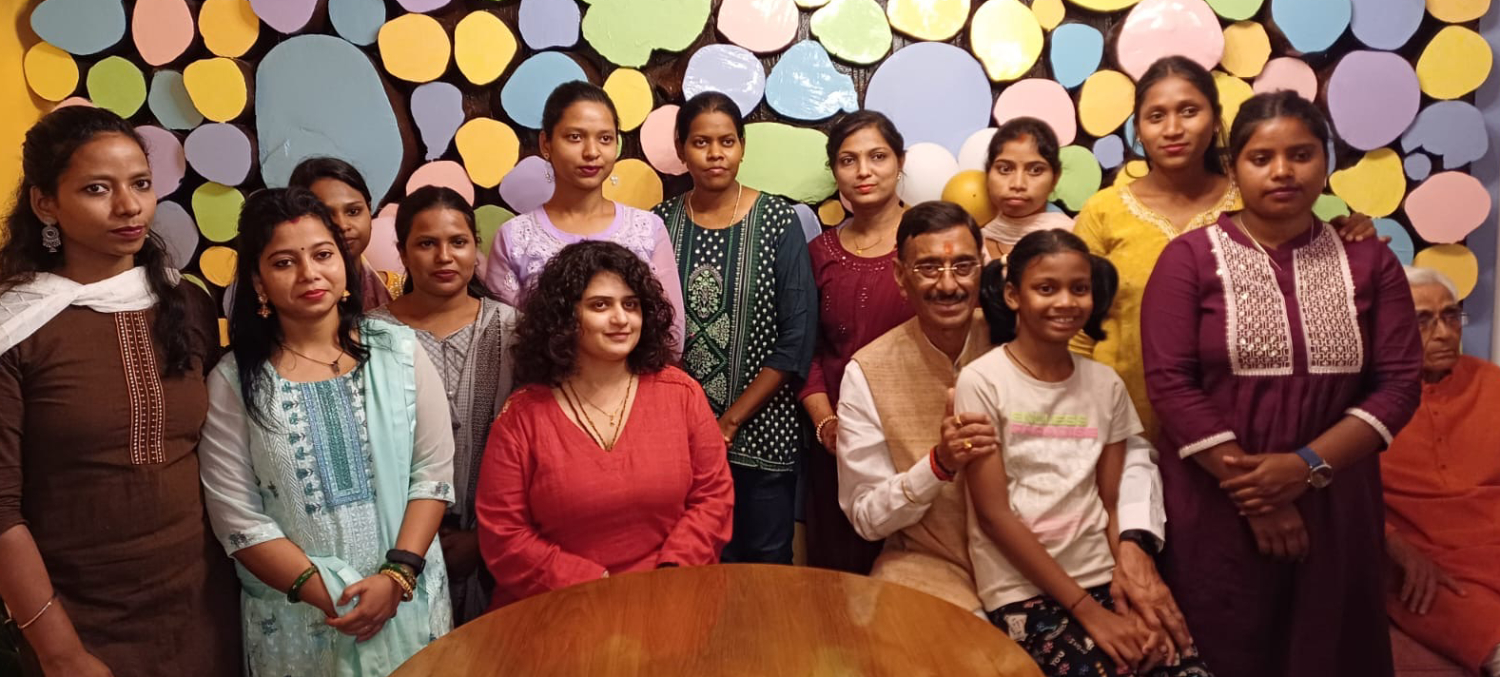
SYB initiatives like the ‘office window’ session and business plan presentation allowed me to discuss my business ideas with industry experts and peers from diverse domains. They taught me to question my earlier assumptions, unlearn and relearn. In an industry that appears creative on the surface but is deeply operational underneath, that guidance was extremely grounding. It changed how I make decisions, prompting me to analyse my business by applying a more structured approach, instead of making all my decisions based on gut instinct. A key highlight of this journey was that I completed the entire programme online from my base location in Ranchi. Online learning allowed me to maintain my business operations while accessing a world-class collaborative ecosystem.
Building systems and preparing for scale
As Ambrosia Grub grew, I realised something important. Passion may start a business, but systems are what allow it to scale. The mentorship I received at SPJIMR significantly reshaped my business proposition. Many conversations with my mentors and industry experts during the SYB programme centred on the day-to-day realities of the business.
They challenged me to think more carefully about pricing, positioning, and whether the concept would still work as the café grew. One of the most impactful pieces of advice was to prioritise structural strength over rapid expansion, which made me more conscious of the risks of scaling too early. I also learned that entrepreneurship is not simply self-expression; it is a disciplined response to the market, requiring me to separate my personal preferences from what customers actually valued.
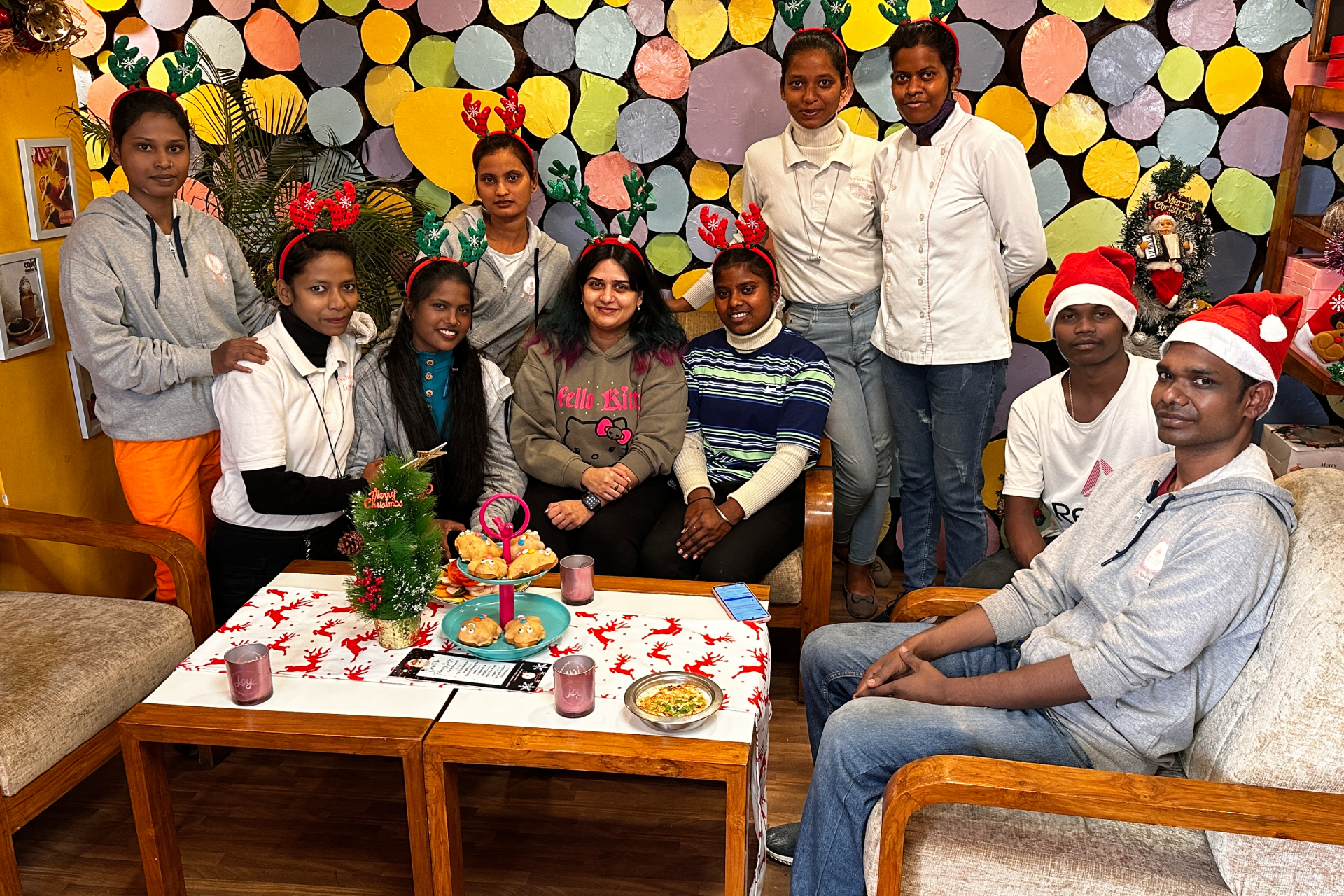
That perspective shaped how we worked on the internal systems of the café. We focused on standardised recipes, clearer SOPs, better inventory discipline, and closer tracking of performance. In hospitality, growth depends on repeatability. If the experience cannot be delivered consistently, it cannot scale. As these systems improved, expansion began to feel less like a gamble and more like a measured next step.
Lessons from the entrepreneurial journey
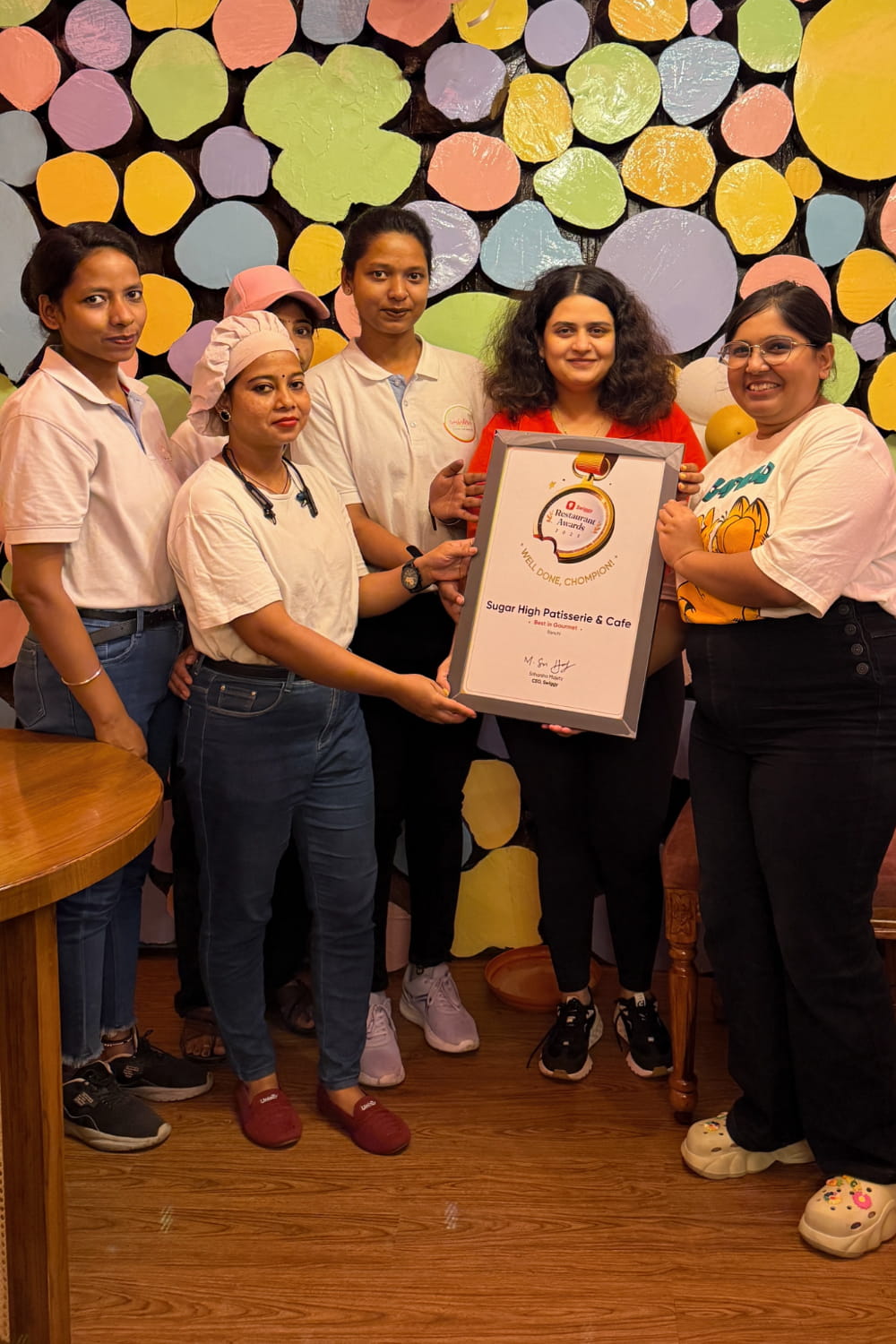
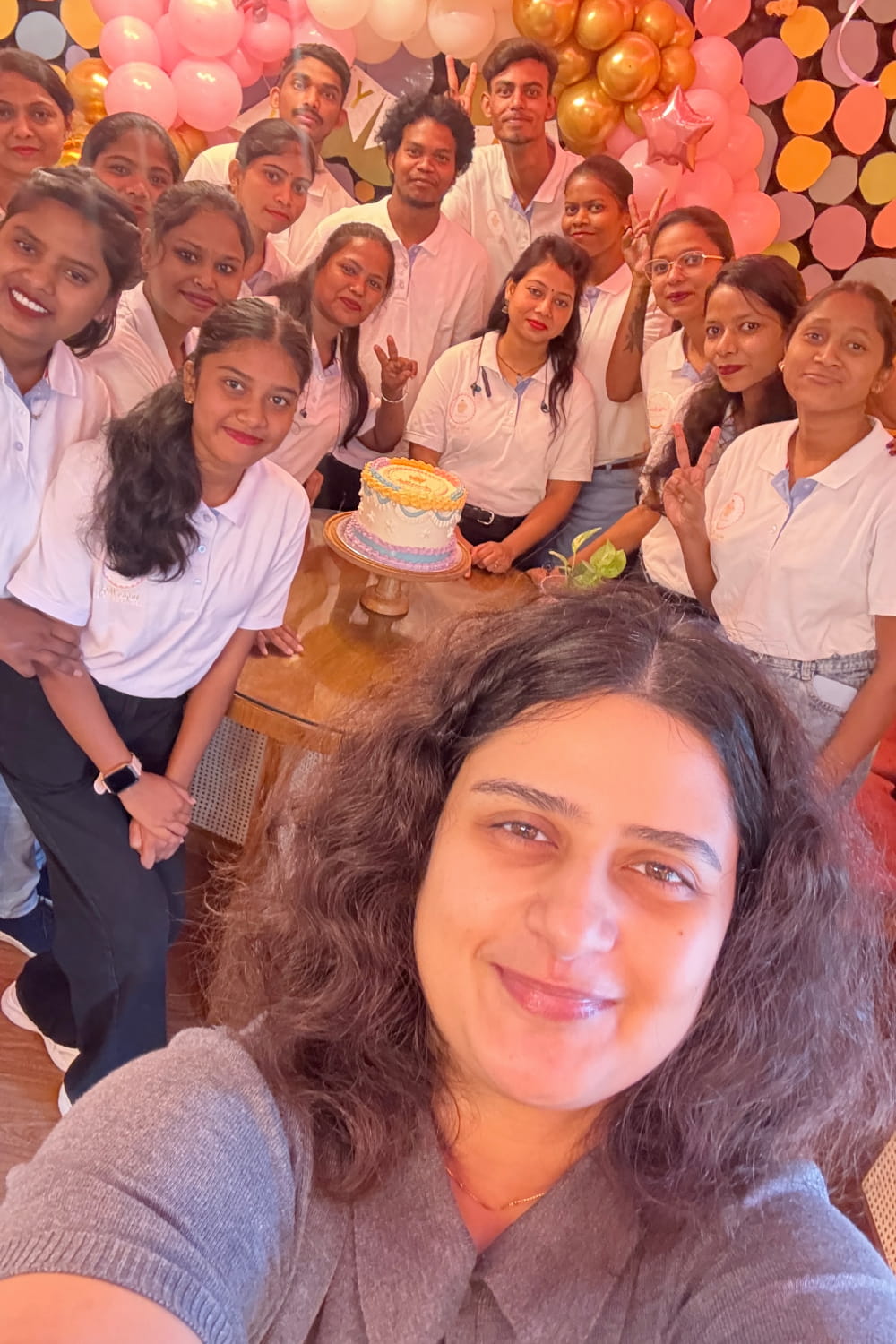
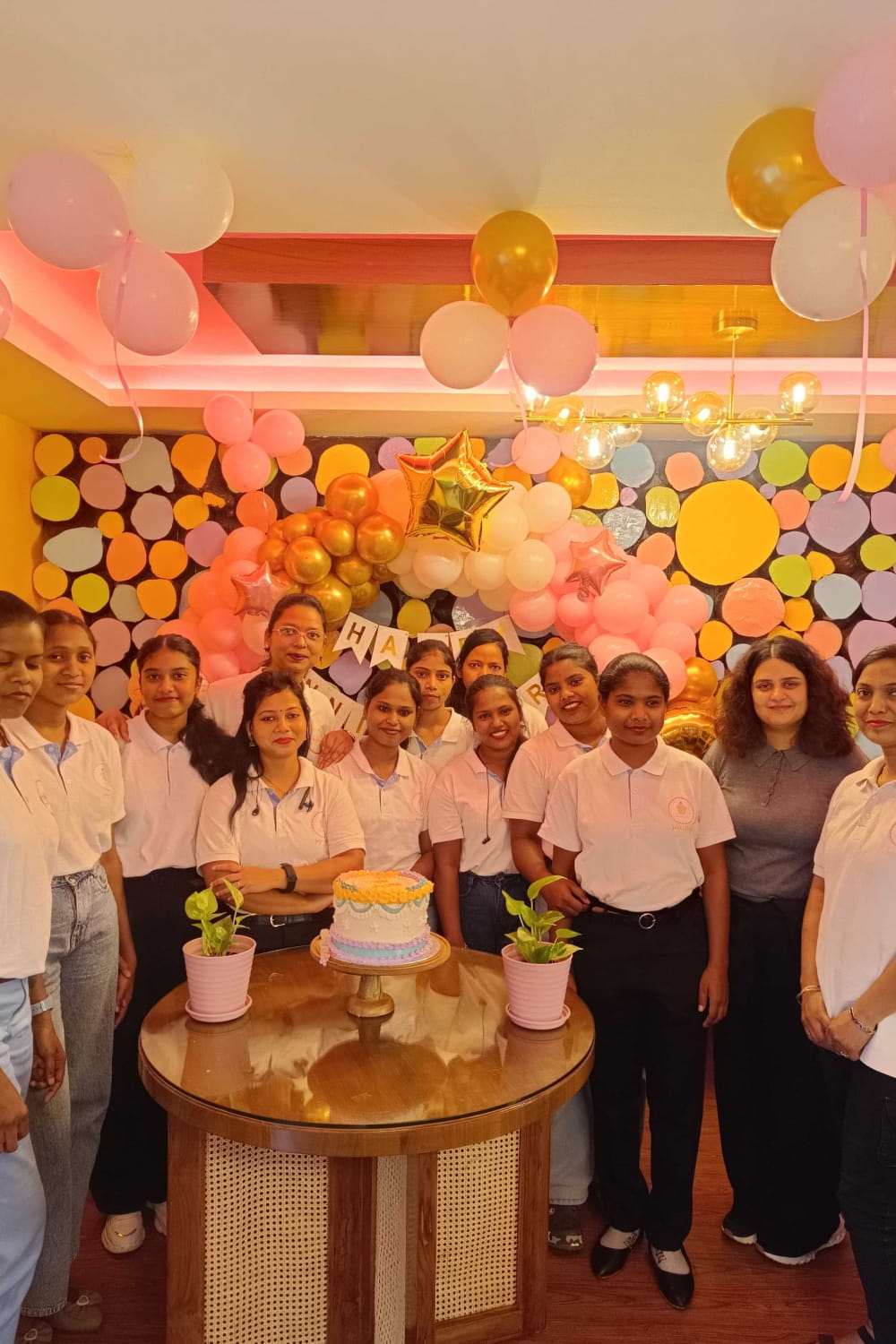
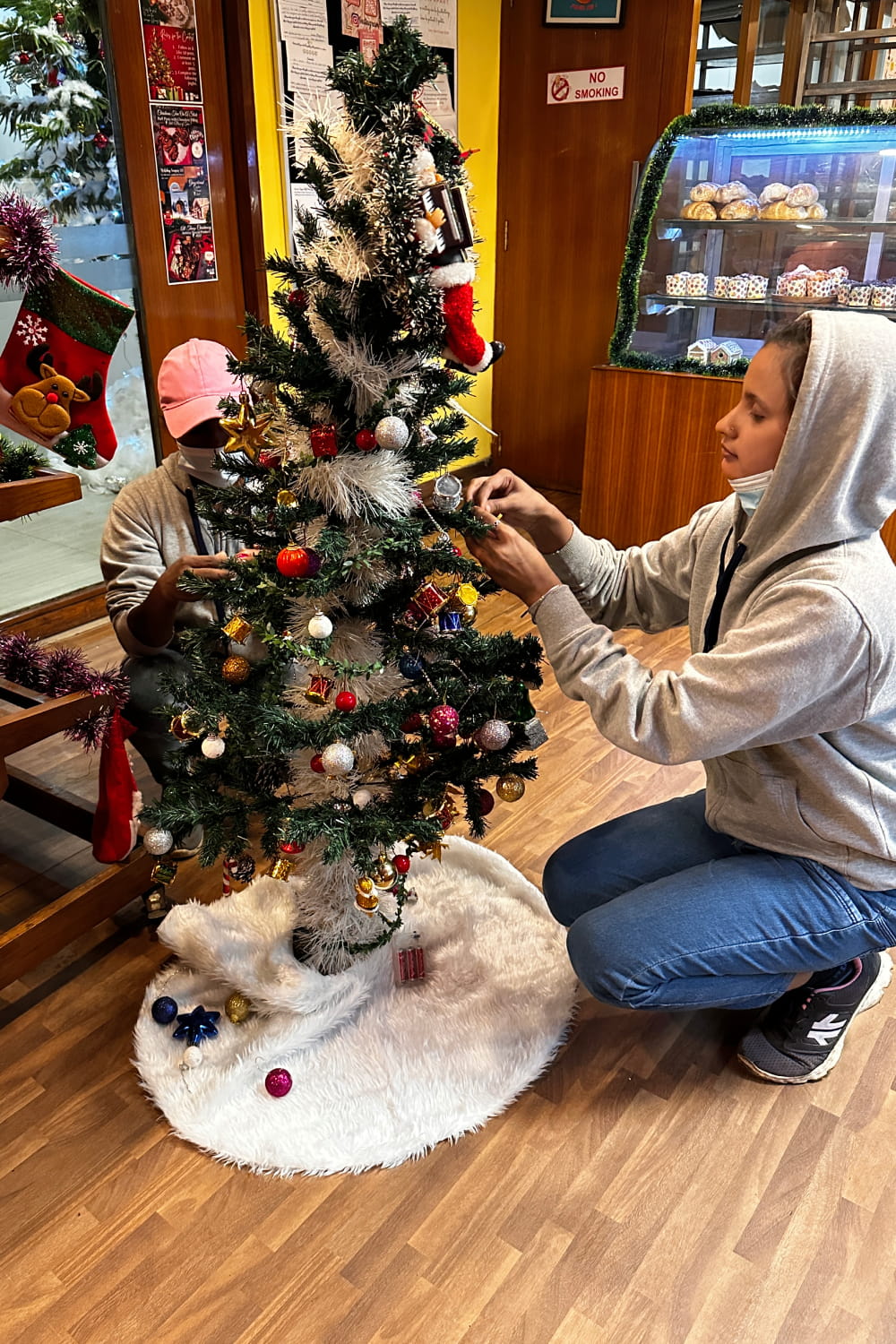
Running a café has shown me how interdisciplinary entrepreneurship really is. Every day involves moving between marketing, operations, finance, and customer experience. Creativity may attract attention, but consistency and operational intelligence are what sustain a business. I have learned that growth was never about expansion for its own sake; it was about ensuring that the systems and customer experience were strong enough to travel.
Building Ambrosia Grub reinforced something I sensed long before the business began. Paying attention to the small details that others overlook often makes the biggest difference. The SYB programme at SPJIMR also gave me the opportunity to step back from daily decisions, question assumptions, and strengthen the systems that continue to support the business as it grows.
Register your interest for this programme
Please fill in the following details