




For some graduates, the transition after college is straightforward: find a job, build experience and decide where their career takes them.
For those born into a family business, the choice can look very different. The business is already there. There is an opportunity to join it, learn from the people who built it and potentially shape its future.
But should you join straight after college?
There is no universal answer. Joining early can give you valuable exposure that is difficult to replicate elsewhere. At the same time, entering the business without a broader management perspective can make it harder to challenge established ways of working, earn credibility, and understand the business beyond the role you initially take on.
The real question, therefore, may not be whether you should join early, but how intentionally you approach the journey once you do.
Joining early can give you a head start
A family business offers an unusual learning environment.
You can see how decisions get made, how customers and suppliers are managed, how employees work together, and how different parts of the organisation fit together. You also get to observe the less visible aspects of running a business, be it relationships, negotiations, setbacks, and the decisions that shape its direction.
This exposure can start from day one.
Jaiden Solomon, a PGPFMB 2025 participant, followed this path himself. After graduating with a degree in management studies from Wilson College, he joined his family-owned business. He later chose the Post Graduate Programme in Family Managed Business (PGPFMB) at S.P. Jain Institute of Management & Research (SPJIMR) because its modular structure allowed him to remain involved in the business while continuing his management education.
As he puts it, “This balance of learning and practice is what made PGPFMB the perfect choice for me.”
For a young family-business entrant, this combination can be valuable. You do not have to choose between gaining practical experience and developing management capabilities. You can build both at the same time.
Being part of the family is not the same as being ready to lead
Growing up around a business can make you familiar with it. It does not necessarily make you ready to manage it.
You may know the products, people and history of the organisation well, while still needing to develop skills in strategy, finance, leadership, negotiation and decision-making.
There is another challenge, too. As the next generation, you may enter the business with a position that is already defined by your family relationship. Employees may know who you are before they know what you can contribute.
That makes professional credibility particularly important.
You need to move from being someone who belongs to the business to someone who can create value for it.
PGPFMB participant Parth Nagda, from a diversified family business, captures this distinction well. Reflecting on his experience, he writes, “Experience is powerful, but structure is essential.”
He also believes that formal management education can add an edge that experiential learning alone cannot provide. For young family-business entrants, the point is not to disregard what they have learnt from their families. It is to develop the frameworks and perspectives needed to examine that experience more critically.
You may know how your business works. Structured management education can help you understand why it works that way, and whether it should continue to.
Build a management perspective alongside business experience
This is where formal management education can add value.
The objective is not to replace the knowledge you gain from working in your family business. It is to give you frameworks and perspectives that help you make better use of that experience.
You may need to learn how to:
- Read financial information and understand what it means for business decisions.
- Evaluate customers, markets and competitive pressures.
- Lead people who may have significantly more experience than you.
- Negotiate effectively with different stakeholders.
- Think about growth beyond the immediate priorities of the business.
- Understand how technology and changing markets can affect established business models.
- Navigate the relationship between family dynamics and business decisions.
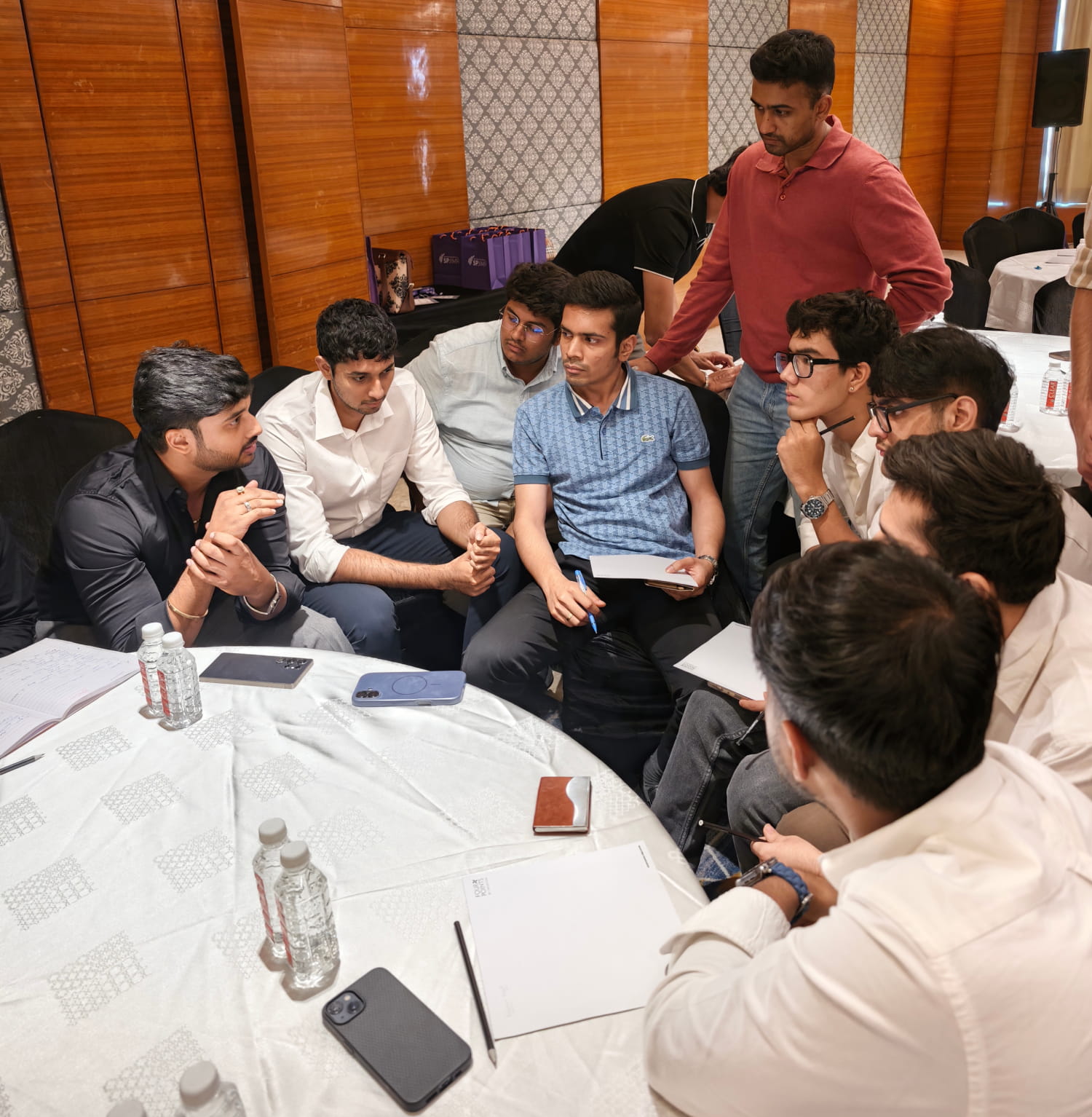
PGPFMB is designed to groom new entrants to family businesses. Its curriculum covers areas including finance, customer management, IT, leadership, family dynamics, strategic negotiation, change management, business improvement and strategic foresight. It also includes electives such as Artificial Intelligence and Data Analytics, International Business and Private Equity and Venture Capital.
The value lies in being able to consider these areas in the context of a business you already know.
Why learning while working can make a difference
One challenge for a young family-business entrant is deciding between gaining practical experience and pursuing further education.
A programme that allows you to do both offers a different route.
PGPFMB is a 15-month modular programme, with contact sessions spread across the programme. Participants continue working in their own businesses and subsequently work on their business role plans.
This creates a direct connection between classroom learning and business reality.
A discussion about financial management, for example, can prompt you to look differently at your company’s numbers. A session on strategic negotiation may change how you approach a supplier or customer conversation. A discussion on organisational change may make you question a process that your business has followed for years.
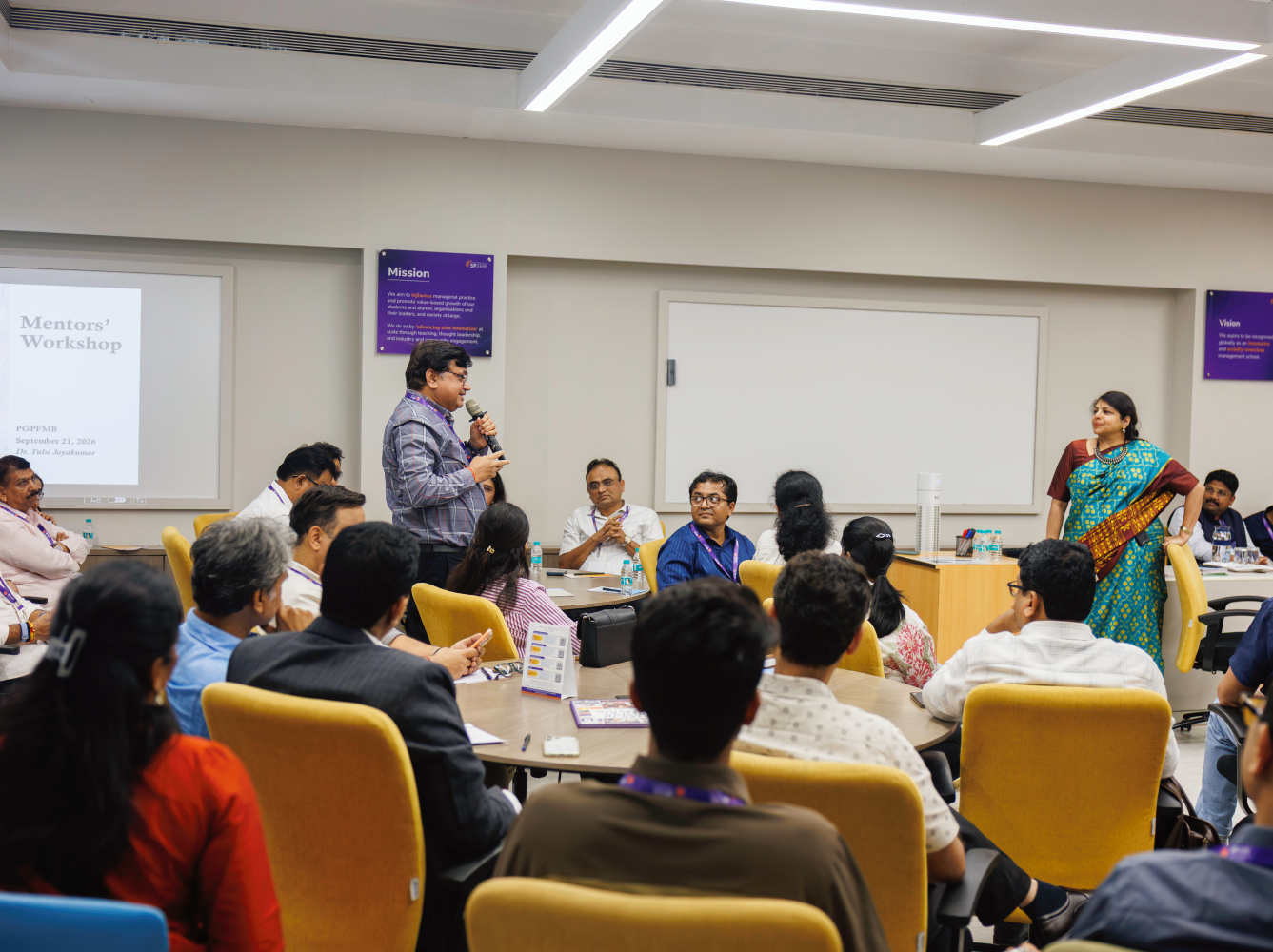
The family business becomes more than the place where you work. It becomes a practical learning environment.
That approach also allows learning to evolve alongside your responsibilities. As you take on new challenges within the business, you can revisit concepts and frameworks from the programme with a clearer understanding of how they apply.
Learn to question what has always been done
Family businesses often carry years of accumulated knowledge. That experience is an advantage, but it can also make established practices difficult to question.
One of the benefits of learning with people from other family businesses is the opportunity to encounter different approaches and assumptions.
PGPFMB alumnus Shri Charran experienced this firsthand. A fourth-generation member of the family behind Sri Vasavi Thanga Maaligai, a gold jewellery business, he was initially reluctant when Prof. Tulsi Jayakumar challenged him to consider moving beyond gold into silver jewellery.
The idea eventually led him to launch The Amethyst, a premium silver jewellery brand alongside the family’s gold business.
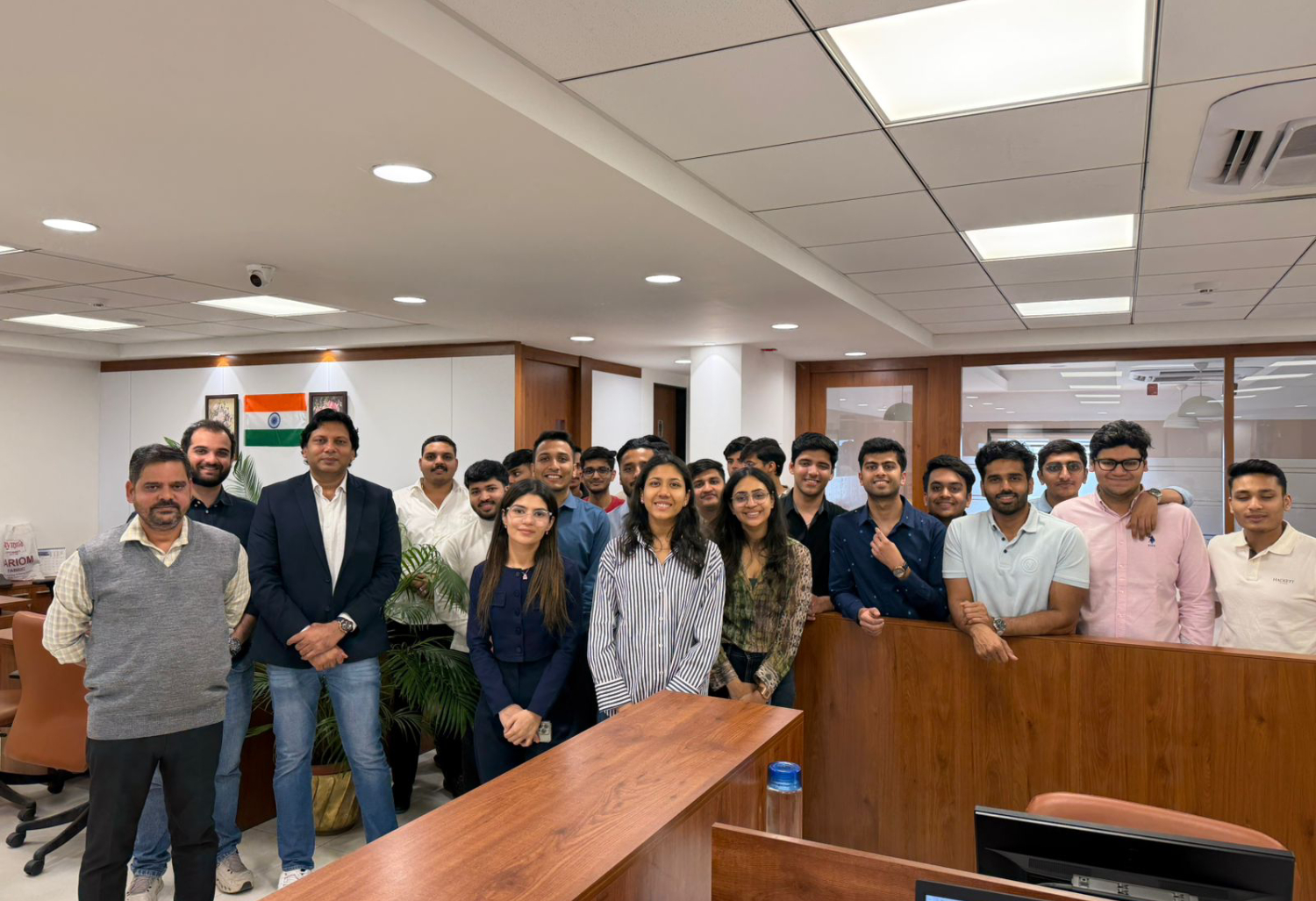
Reflecting on the experience, Charran said, “It’s a testament to her dedication as a professor and her ability to broaden our perspectives.”
The example illustrates an important part of the next-generation journey: sometimes, the most valuable learning comes from someone asking you to look at a familiar business differently.
Learn from the generation that built the business
Joining the family business also means inheriting knowledge that may never appear in a textbook.
Senior family members understand why certain relationships matter, how the business navigated difficult periods and which values shaped its growth. Learning from them can give the next generation context that would otherwise take years to develop.
PGPFMB builds this intergenerational element into the programme. Participants are required to have a senior-generation family mentor who can guide them through the programme and support the use of the family business as a practical learning environment.
At the same time, the next generation needs perspectives beyond the family.
A diverse cohort of family-business participants can provide an opportunity to compare approaches, exchange experiences and benchmark your business against practices beyond your own industry or organisation.
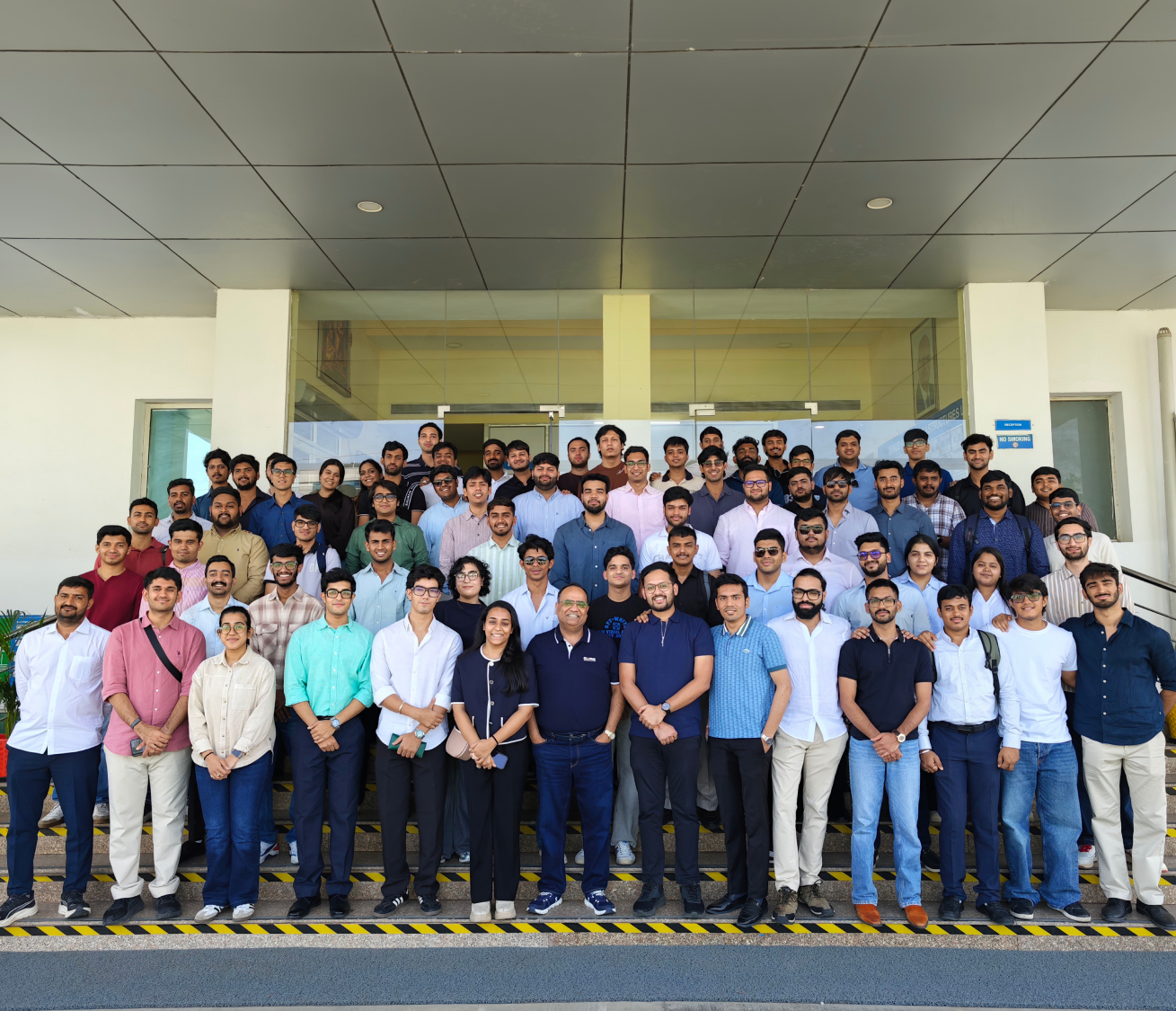
The combination matters: learn from the generation that built the business, but do not limit your learning to what the business has always known.
Are you ready to join the family business straight after college?
The better question may be whether you are ready to learn. Joining immediately after college can work well if you:
genuinely want to build your career in the family business;
are curious about the business beyond your initial role;
are willing to learn from people inside and outside the family;
can accept feedback and challenge established assumptions;
want to build professional management capabilities; and
understand that family ownership does not automatically make you a business leader.
It may be worth pausing if you are joining only because it is expected of you, have little interest in the business or believe that your family position should automatically translate into authority.
The distinction matters.
The next generation does not simply inherit a position. It inherits the responsibility to understand the business, strengthen it and decide where it needs to evolve.
You do not have to wait for years of work experience
A common assumption is that management education should come only after several years of professional experience.
For someone entering a family business, that may not always be necessary.
SPJIMR states that work experience is preferred but not mandatory for PGPFMB. Applicants must have an undergraduate degree, be at least a second-generation member of a family-managed business and have a senior-generation mentor, among other requirements.
This makes the programme relevant to graduates who have decided to enter their family business early and want to build their management capabilities alongside their experience.
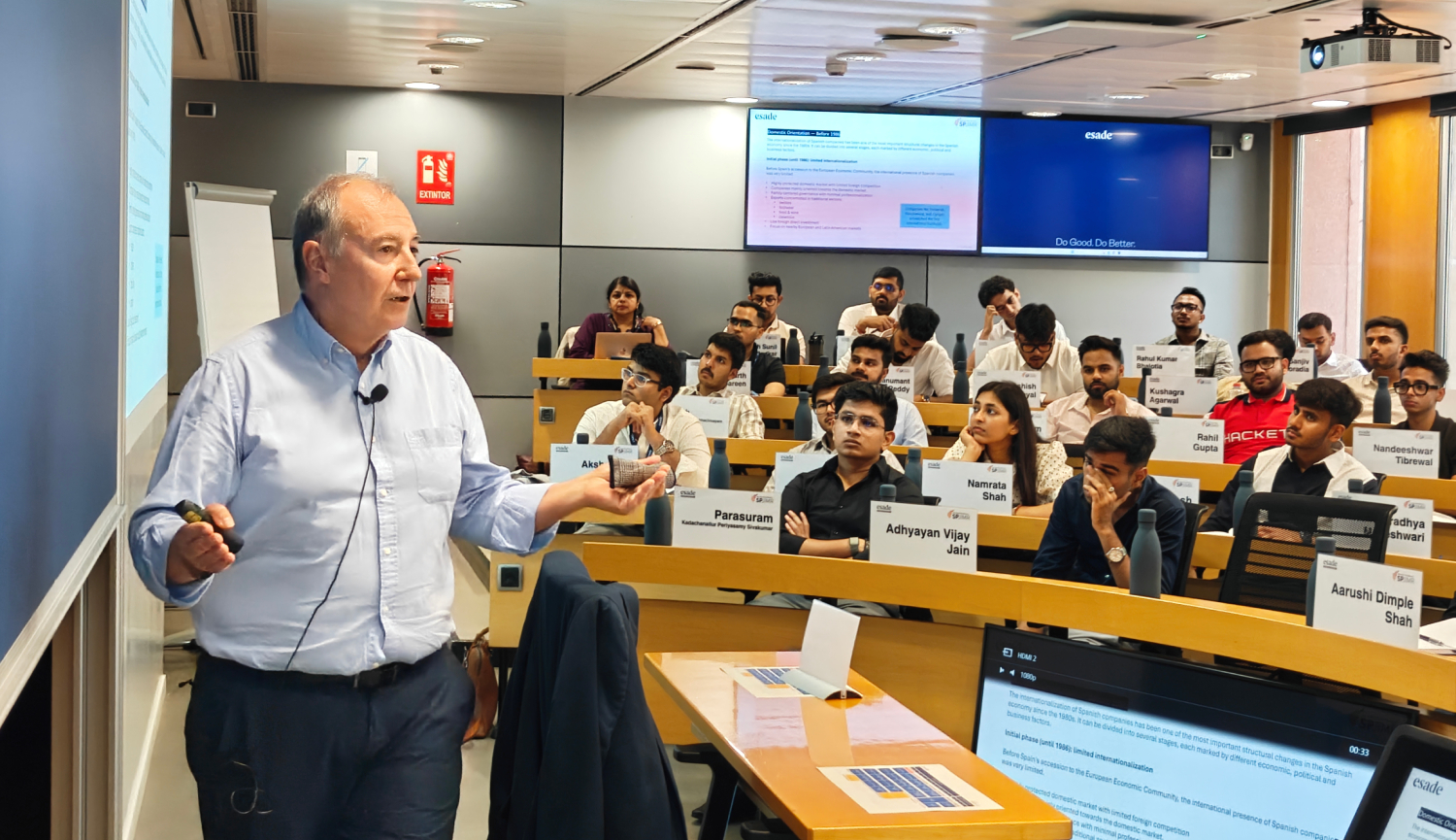
The important distinction is that joining early should not mean learning informally forever.
From joining the business to building your own leadership identity
A family business can give you a head start. What you do with that head start is up to you.
The goal is not simply to replicate what the previous generation did. It is to understand the foundation they created, identify opportunities for improvement and develop the judgement to decide what the business needs next.
That is why combining practical experience with structured management education can be valuable.
PGPFMB is designed to help new entrants develop management capabilities while remaining connected to their family businesses. Its focus extends beyond business performance to areas such as family dynamics, leadership, change and responsible ownership.
So, should you join the family business straight after college?
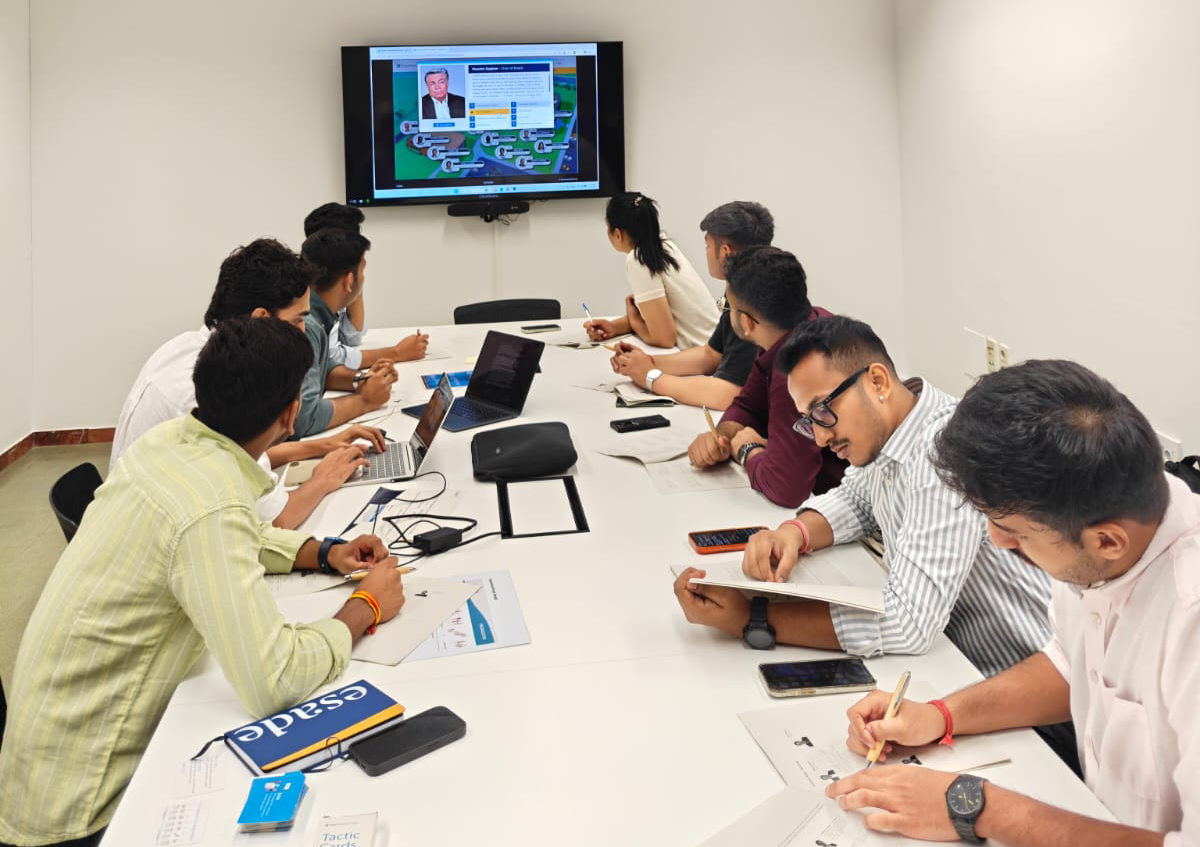
You can. But joining early should be the beginning of your professional learning journey, not the end of it.
If you are willing to learn deliberately, seek perspectives beyond your family and build the capabilities needed to lead, entering the business early can give you something invaluable: the opportunity to learn management while experiencing the consequences of your decisions in a real business.
Learn more here.
Register your interest for this programme
Please fill in the following details