






For the present generation of development managers, the operational context in which they work is one where the interplay of social, economic, and environmental factors is a critical element of their decision-making process. There is no “right” solution, as both organisational and economic factors create competing and contradictory requirements for effective problem-solving of the pressing social issues. In this context, development managers must learn to think about development differently.
This includes understanding how environmental, social, and governance (ESG) systems-level thinking corresponds with a systems-based framework for the identification, assessment, and prioritisation of the strategic trade-offs associated with decisions made in the scope of their respective responsibilities.
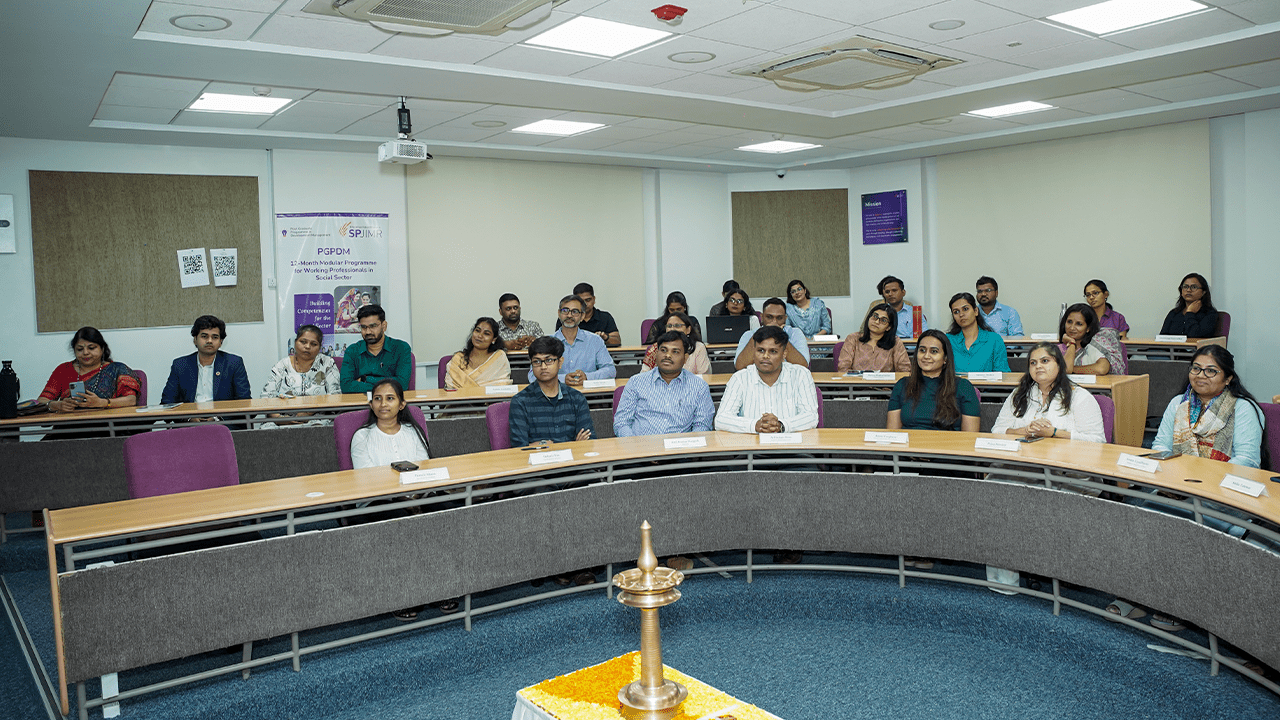
At the Post Graduate Programme in Development Management (PGPDM) at S.P. Jain Institute of Management & Research (SPJIMR), these themes form an integral part of how we prepare professionals to engage with the real challenges facing India.
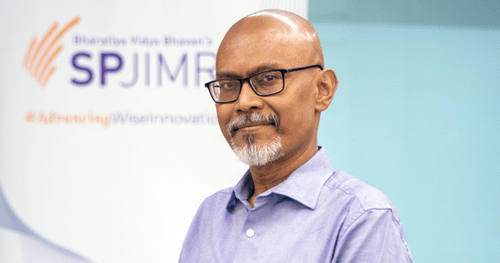
Prof. Arindam Das, Professor, Strategy at SPJIMR, shares, “In this course we look at societal grand challenges and how business organisations are expected to respond to them. We discuss how organisations can reduce their negative externalities and increase their positive externalities while also creating economic profit. These are complex decisions and require deliberation, debate, and systems thinking.”
Understanding India’s societal grand challenges
In our course titled Introduction to ESG, we start with a discussion of what are called societal grand challenges. These are large-scale problems that are affecting every community, ecosystem, and institution on the planet at the same time.
We then explore the concept of planetary boundaries and how breaches of our worldwide environmental limits are forming significant challenges for societies and all organisations. Climate pressures, resource constraints, and ecological degradation continue to create an operating context for businesses and development organisations.
Environmental issues are only one aspect of our larger world; many challenges related to development are also challenging healthcare access, educational inequities, and infrastructure gaps in rural and semi-urban areas.
As with any problem, there is interaction between the different development issues. Therefore, using easy and simple solutions to address development problems becomes increasingly difficult. The importance of taking a holistic approach to analysis of these challenges is one of the skill sets necessary to be a successful development manager.
ESG and the paradox facing organisations
Organisations evaluate their overall obligations through the ESG framework, which provides a tool for guidance.
While organisations are required to add social value by creating positive societal effects and minimising negative externalities, they must maintain economic sustainability and provide returns to stakeholders.
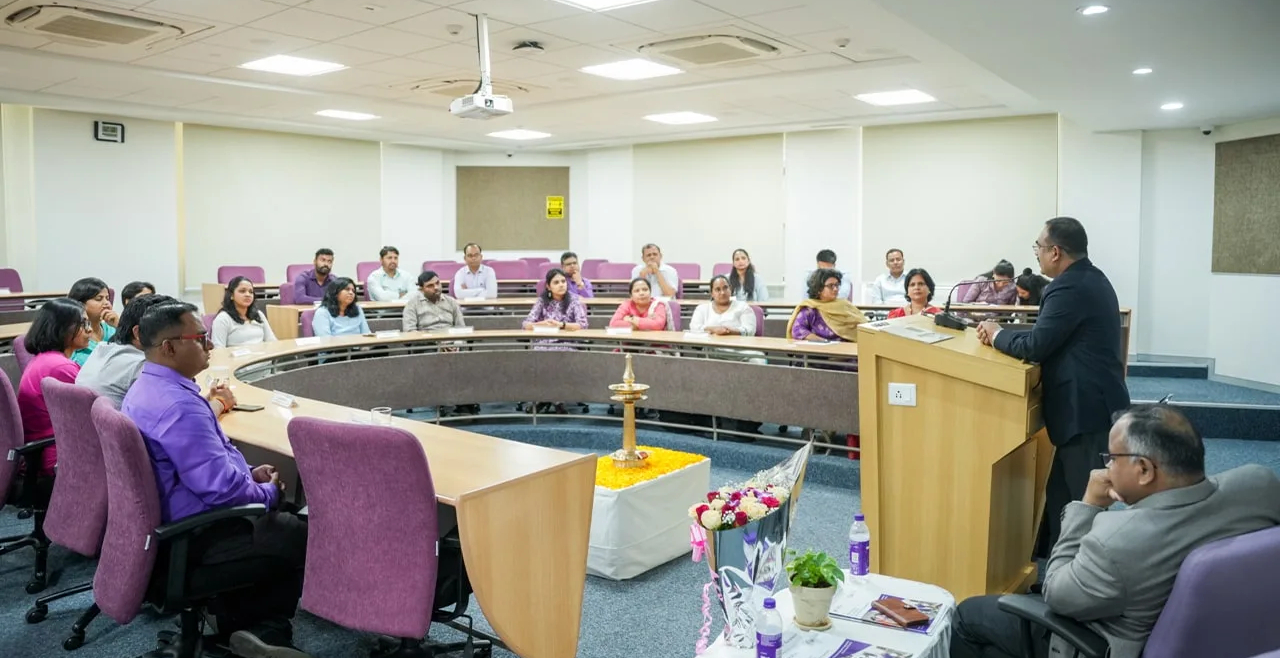
The PGPDM classroom is a place where participants learn about this paradoxical situation. They recognise their need to consider social, environmental issues, and economic performance. By design, resolving the tension between these competing demands is often not straightforward. Rather, careful thought, informed discussion, and intentional decision-making are required.
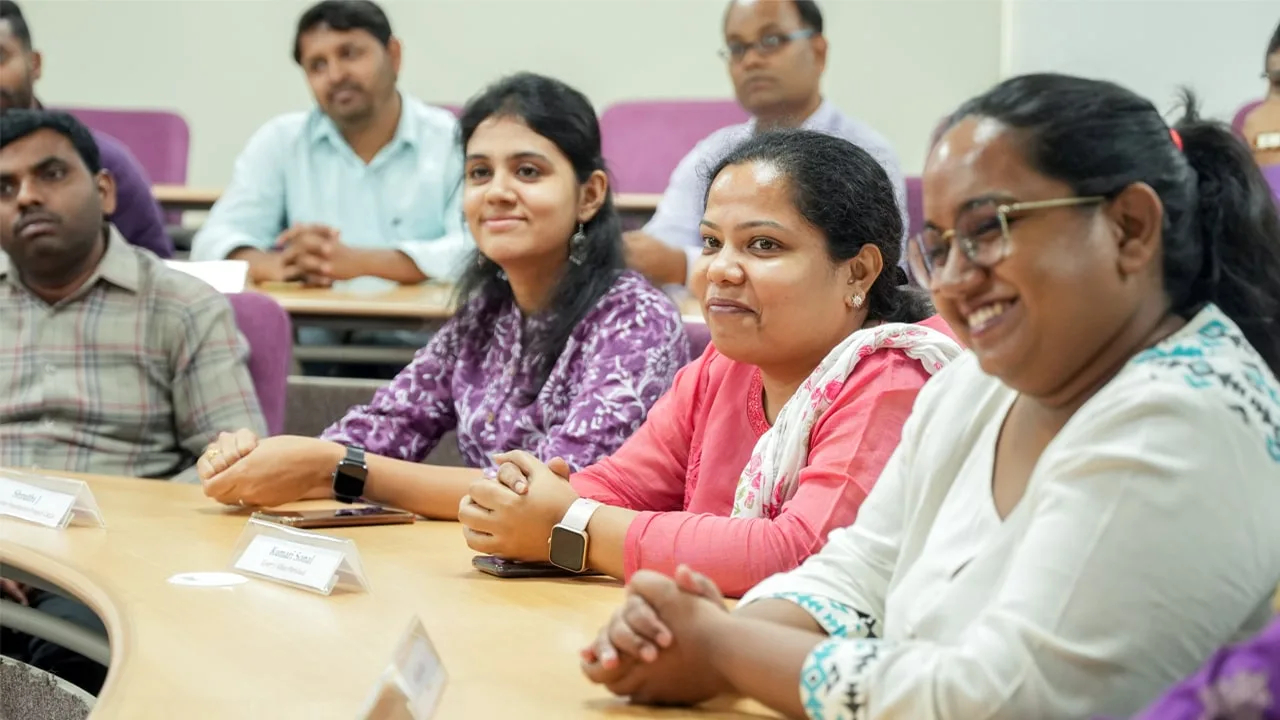
Particularly in the classroom environment, the need to involve participants in an extremely collaborative manner with one another is evident. Each participant offers their own experiences from various backgrounds, including development agencies, social enterprises, and community-based organisations; these experiences provide an opportunity for participants to reflect and develop new ideas based on the experiences of others.
Why systems thinking is essential
One of the reasons development interventions sometimes fail is that they focus on isolated outcomes rather than underlying systems. In the course, we therefore introduce the concept of systems thinking. Systems thinking encourages managers to examine how multiple factors interact before arriving at a decision.
Development challenges often involve complex feedback loops, behavioural incentives and structural constraints. Without understanding these interactions, well-intentioned interventions may not produce the desired results.
To illustrate this point, consider a few examples that frequently arise in discussions:
- Expanding road infrastructure does not automatically reduce traffic congestion.
- Building school facilities does not necessarily ensure improved student attendance.
- Constructing sanitation infrastructure does not guarantee behavioural adoption.
These examples highlight the importance of examining the broader system within which decisions are made. Systems thinking enables development managers to understand why interventions succeed or fail and how policies and programmes can be designed more effectively.
Navigating strategic trade-offs
Another recurring theme in development management is the need to navigate strategic trade-offs.
Development organisations often face competing priorities:
- Expanding impact versus maintaining depth of engagement
- Delivering immediate results versus enabling long-term systemic change
- Achieving financial sustainability while advancing a social mission
There are rarely perfect solutions to such dilemmas. Decision-makers must weigh different consequences and choose paths that balance impact, sustainability, and feasibility.
In the PGPDM classroom, we approach these challenges through debate and reflective discussion. Participants are encouraged to analyse issues from multiple perspectives and to examine the implications of different choices.
The process itself becomes an important part of the learning experience.
Learning through diverse experience and participative dialogue
The diversity of participants is one of the most distinctive features of PGPDM teaching.
Participants come from varied professional backgrounds and multiple regions in India. Many of the participants have worked directly with communities and organisations on real-world development issues.
As participants discuss complex issues in the classroom, the knowledge that they gain from their own experiences is often used to test the concepts they learn in the classroom against what happens in the field. By virtue of this process, there is always an exchange of ideas between instructors and students, resulting in lively discussions and enhanced learning.
While instructors provide students with conceptual tools and analytical frameworks, students provide instructors with lived experience and contextual knowledge. The exchange of ideas is thus a collaborative process between both instructor and student.
The PGPDM approach to development management education
The Post Graduate Programme in Development Management (PGPDM) at SPJIMR is designed to prepare professionals who are committed to addressing development challenges through thoughtful management practice.
The programme brings together theoretical learning and practical application. Participants engage with concepts such as ESG, systems thinking, and leadership while also reflecting on real issues affecting communities across India.
An important component of the programme is the Development Management Project (DMP), which serves as a capstone experience. Through this project, participants apply the ideas and tools learned during the programme within their own organisational contexts. The programme also benefits from a strong alumni network that continues to engage with development initiatives across sectors and regions.
Together, these elements create a learning environment that connects management education with real-world social impact.
Preparing development leaders for India’s future
India’s development challenges require leaders who are capable of navigating complexity, ambiguity, and competing priorities.
Understanding ESG considerations, applying systems thinking and evaluating strategic trade-offs are no longer optional skills. They are essential capabilities for anyone seeking to create meaningful and sustainable change.
Through programmes such as PGPDM, management education can help prepare professionals to engage with these realities more effectively.
Ultimately, development management is not only about designing programmes or managing projects. It is about understanding systems, engaging with communities, and making decisions that balance social impact with organisational sustainability.
For many of our participants, this journey begins in the classroom, but its real impact unfolds in the communities and organisations they serve.
Register your interest in this programme
Please fill in the following details