PGPDM Frequently Asked Questions (FAQs)

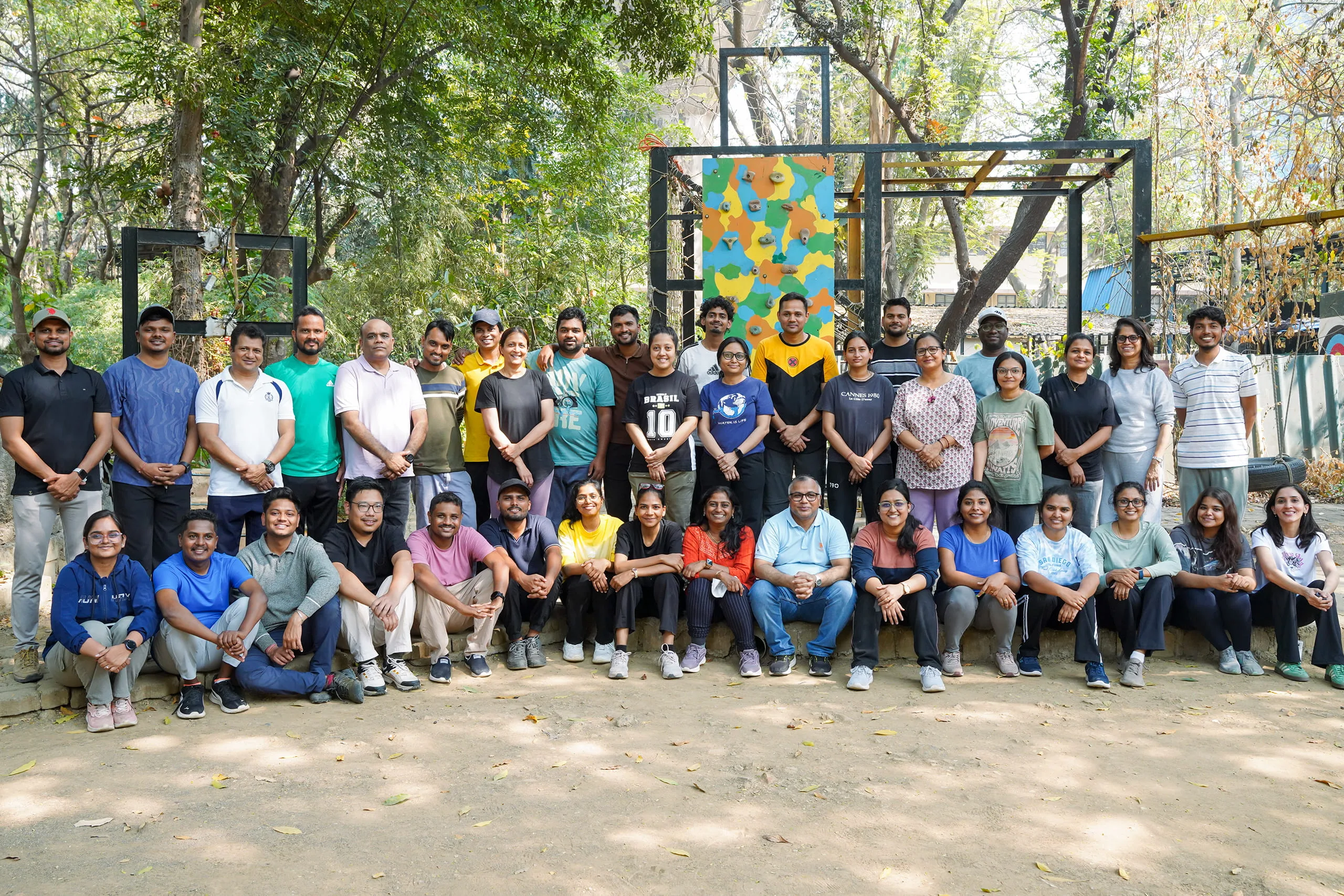
SPJIMR PGPDM batch on campus at SPJIMR.
  • What are the eligibility criteria for the programme?

    To be eligible for the Post Graduate Programme in Development Management (PGPDM) programme, applicants must:

    • Hold a Bachelor’s degree in any discipline from a recognised institution or university
    • Have a minimum of two years of relevant work experience
    • Have basic computer proficiency and be comfortable with English, which is the medium of instruction
  • Is work experience mandatory?

    Yes.

    Applicants should have at least two years of work experience in the social sector.

    Professionals from other sectors who wish to transition into the social sector are also eligible, provided they have at least 2 years of work experience, demonstrate a strong passion for working in the social sector, and possess skills that can be transferred to the social sector.

  • Is a background in social work or development required?

    No.

    A background in social work or development studies is not a prerequisite for joining the PGPDM programme.

    PGPDM is designed for professionals from diverse academic and professional backgrounds. The curriculum combines development perspectives with rigorous management education, enabling participants to lead social initiatives effectively and sustainably.

    This interdisciplinary approach equips graduates with both conceptual understanding and practical management capabilities, regardless of their background.

  • Is the PGPDM programme suitable for working professionals?

    Yes.

    The PGPDM programme is specifically designed for working professionals and enables participants to continue working while pursuing the programme.

    Its modular format combines rigorous management education with a deep understanding of development challenges, helping participants strengthen their leadership and management capabilities while applying their learning directly in the workplace.

  • Is it a residential programme?

    PGPDM is a modular programme that enables participants to continue working while they study.

    The programme comprises over six contact periods of two weeks each. The first, third and last contact periods are residential and held at the SPJIMR Mumbai campus. The remaining three contact periods are delivered online, with sessions scheduled after lunch on weekdays and throughout the day on Sundays.

  • What is the accommodation policy for on-campus classes?

    Participants are required to stay in the SPJIMR hostel or programme-arranged accommodation during the residential on-campus sessions.

    Residential accommodation promotes peer learning, community building and complete engagement with the programme. Staying in the designated accommodation is compulsory during on-campus sessions.

    Accommodation and food costs are subsidised, and the associated costs are borne by the participants.

  • When does the application process begin?

    PGPDM follows rolling admissions; you can submit your application throughout the year for the upcoming batch. Typically, admissions are announced in July each year, with phase-wise application deadlines and early-bird benefits. Please visit the website for the latest updates on batch commencement dates, phase-wise application deadlines, and more.

  • When is the last date to submit the form?

    Please visit the admissions section of the PGPDM programme page on our website for the latest application details.

  • How do I pay my application fee?

    The application fee must be paid online through the application portal.

  • During online payment, the amount was deducted from my bank account, but the transaction ID was not generated, and I am not able to submit the form. What should I do?

    Please contact the PGPDM office for assistance:

  • How will I know about the status of my application?

    Applicants shortlisted for interviews and those selected after the interview will receive communication via email, SMS, and, where required, telephone.

    Applicants who are not shortlisted or selected will not receive further communication regarding their application status or the reasons for non-selection.

  • When do I need to submit supporting documents?

    Supporting documents must be produced or submitted when you report to the SPJIMR Mumbai campus.

  • Are scholarships available?

    Yes.

    Scholarships are available for deserving candidates from low-income backgrounds as part of SPJIMR’s commitment to making the programme accessible.

    In addition, the programme is highly subsidised to ensure affordability for professionals working in the social sector.

    Please visit the fees and scholarship webpage for detailed information and latest updates.

  • How can I apply for a scholarship?

    PGPDM offers partial and full tuition scholarships for deserving candidates from low-income backgrounds.

    After receiving and accepting an admission offer, candidates may request a scholarship application form from the PGPDM office via email.

    Scholarship applications are reviewed by the Scholarship Committee on a first-come, first-served basis.

    As scholarship decisions may take a few days, candidates whose admission acceptance deadline is approaching are advised to confirm their admission by paying the first instalment of the tuition and hostel fees.

    For any queries regarding scholarships or eligibility, please reach out to the PGPDM Office:

  • Who should study development management?

    PGPDM is designed for professionals with at least two years of work experience who are committed to creating impactful social impact.

    The programme is suitable for:

    • Professionals working in NGOs, foundations, and social enterprises
    • Professionals in corporate CSR roles
    • Social impact consultants and fund managers
    • Government and public sector officials working in welfare, development, and public policy
    • Mid-career professionals from corporate and other sectors seeking to transition into leadership roles in the development sector
    • Professionals leading initiatives related to the Sustainable Development Goals (SDGs) and Environmental, Social and Governance (ESG) frameworks

    The programme equips participants with the management capabilities needed to design, scale, and lead impactful social initiatives. Learn more.

  • How does PGPDM help mid-career professionals from the corporate sector shift to the social sector?

    The PGPDM is uniquely designed to help experienced professionals make a meaningful transition from the corporate sector to the development sector.

    The programme begins with a strong foundation in social sciences and development, enabling participants to understand the broader social context. It then integrates management, technology, and leadership perspectives to equip participants with the skills required to lead complex social initiatives.

    This combination enables professionals to apply their corporate experience in new ways while preparing them for leadership roles in NGOs, social enterprises, CSR functions, development organisations and other social impact institutions. Explore personal insights by our alum Aaboo Varghese.

  • Does the programme prepare me for a career in CSR?

    Absolutely.

    The PGPDM is designed for professionals working in, or aspiring to work in, CSR functions or organisations that partner with CSR initiatives.

    The curriculum includes a dedicated core course on Management of CSR, which develops the competencies required for leadership roles in CSR.

  • Does the programme prepare me for a career in ESG?

    Yes.

    The programme prepares participants for careers related to Environmental, Social and Governance (ESG), with particular emphasis on the Social and Environmental dimensions.

    Participants can also choose the elective Introduction to ESG in the final term. Learn more about the ESG elective from PGPDM faculty here.

  • Does the programme prepare me for a career in Public Policy?

    Yes.

    The programme is highly relevant for professionals working in government, social welfare, and development.

    It also prepares professionals from non-government organisations who work with government or public institutions or contribute to the design and implementation of social policies and programmes.

    The curriculum includes dedicated courses such as Understanding Society and Government and the elective Public Policy: Formulation, Implementation and Analysis.

  • What is the typical career trajectory after completing PGPDM?

    For professionals already working in NGOs, foundations, social enterprises, or CSR, PGPDM prepares them for senior leadership, strategic planning, and organisational management roles.

    Many alumni have progressed to CXO- level positions, founded social enterprises, expanded existing programmes, designed new interventions and mobilised larger pools of funding.

    Professionals from social impact funds and consulting organisations are better equipped to take on senior advisory and leadership roles focused on maximising social impact.

    Government and public sector professionals strengthen their ability to lead policy development, programme implementation, and public welfare initiatives.

    Beyond career progression, PGPDM develops participants’ ability to identify complex social challenges, design effective and scalable solutions, mobilise funding, implement programmes successfully, and, where required, build innovative organisations that create lasting social impact. For more insights, read a detailed blog here.

    Subscribe now

    Thank you for subscribing! Please check your inbox for more details.

    AppLy Now