

#AbhyudayaKatha | The best result of my MBA
Bharatpal Singh, PGDM 2025-27

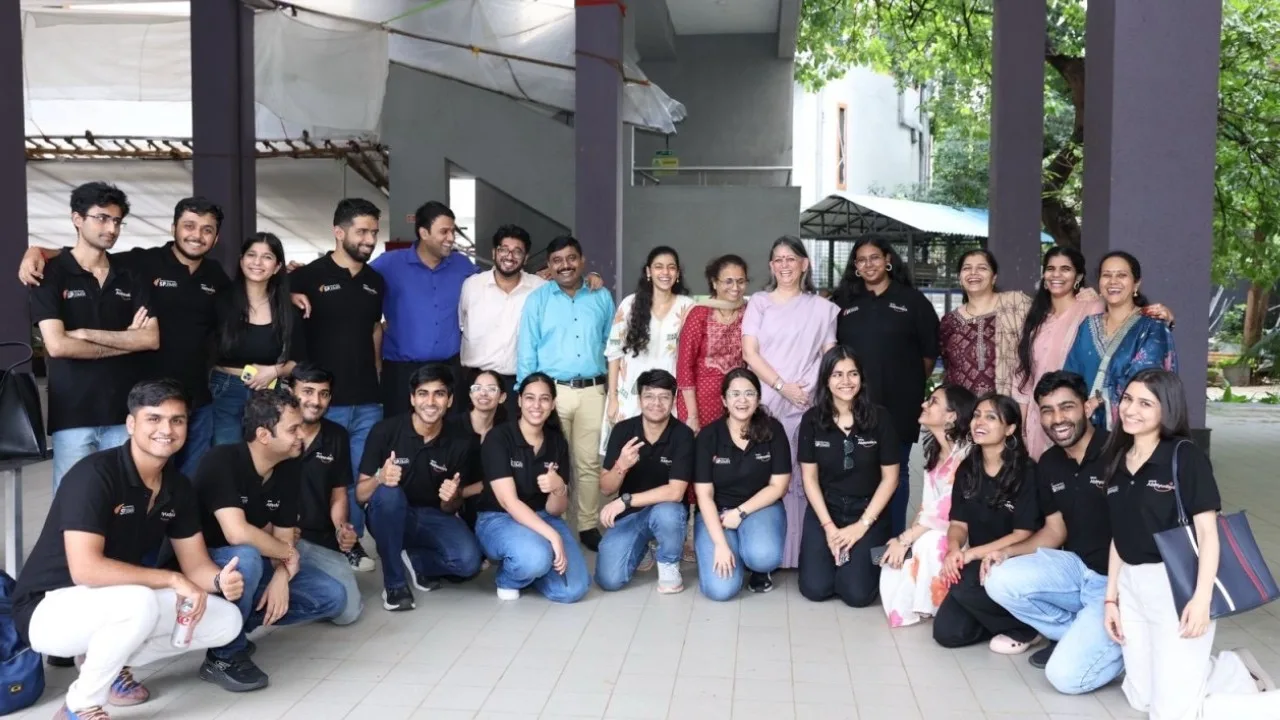
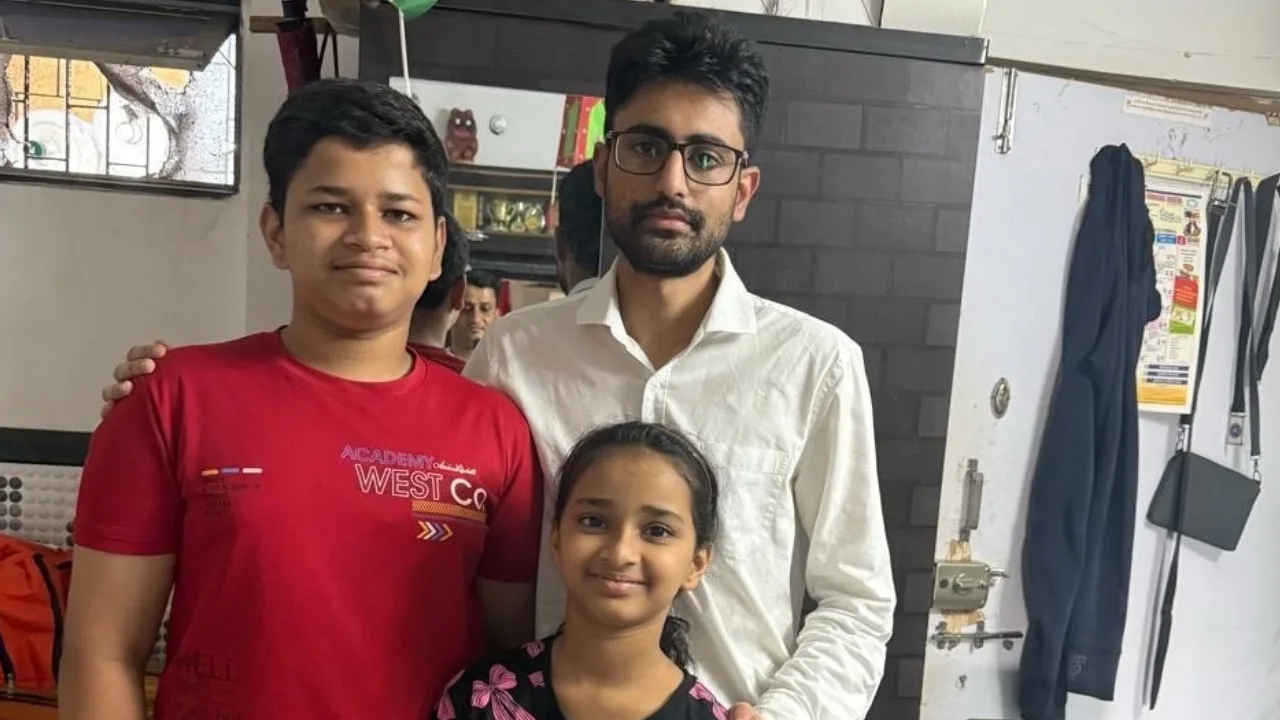
Some of the most important hours of my MBA at SPJIMR were not spent in a classroom. They were spent in a quiet home, sitting across from a young boy named Aryan.
Aryan is my Sitara, the mentee assigned to me in the Abhyudaya course. Abhyudaya, meaning ‘growing together’, is a transformative experiential learning course for all first-year participants of the Post Graduate Diploma in Management programme at SPJIMR. The course pairs each student with an underprivileged child (a Sitara) for an entire year.
When I first met Aryan, he was heading into his Class 10 board exams and could not reliably do basic addition and subtraction. He wasn’t just “weak in maths”, he was genuinely starting from zero, with a crucial board exam only months away.
So, we started from zero. Number lines. Multiplication tables. Then, slowly, step by step, we moved to the actual syllabus.
He scored 82%.
In business school, I have sat in rooms where much larger numbers were celebrated. None of them felt like that one.
Yet, the hard part was never the maths. It was navigating the intense pressure around him—living in a home where discipline was physical. As part of our regular home visits, I had to sit with his parents more than once and make the case that fear does not produce learning; patience does. They listened. Looking back, that conversation mattered more to his result than anything I taught him on paper.
Before entering Aryan’s home, our curriculum required us to read Katherine Boo’s Behind the Beautiful Forevers—a raw portrayal of life in the Annawadi slum—and sit for an exam on it. Reading about Annawadi before stepping across Aryan’s threshold fundamentally changed what I noticed when I got there, and more importantly, what I stopped assuming.
Abhyudaya is bigger than the one-on-one mentoring, though.
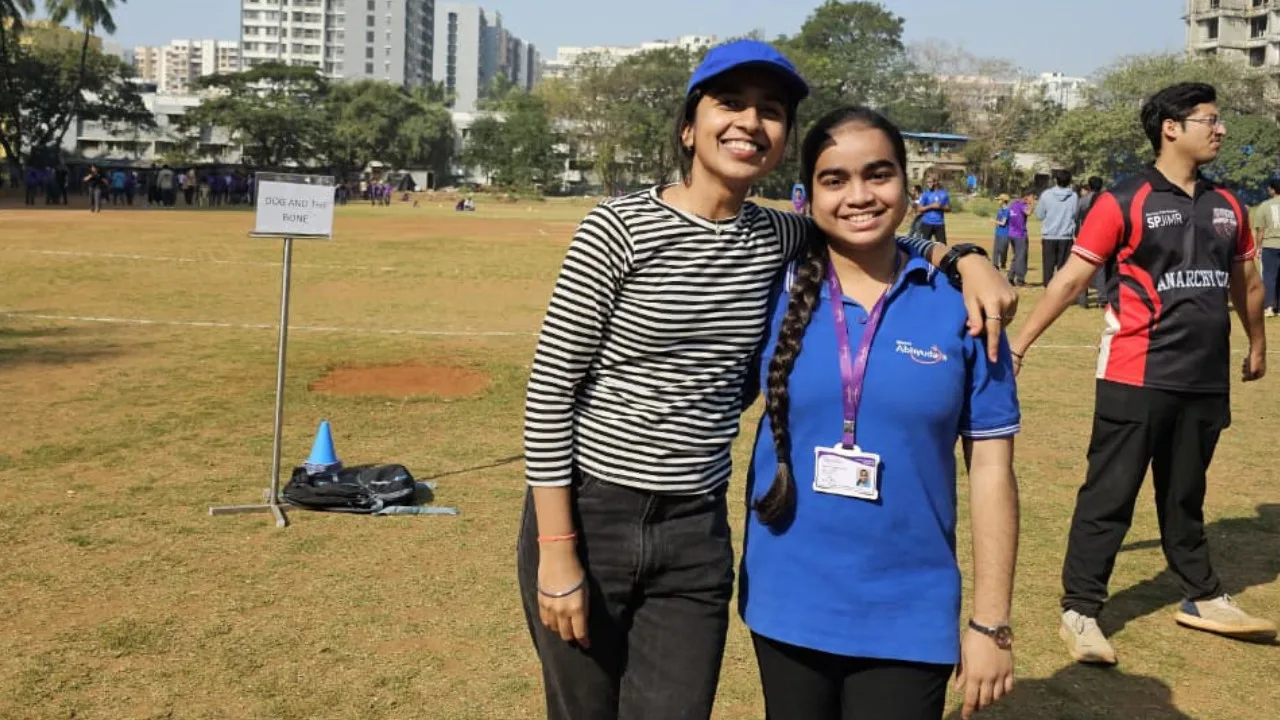
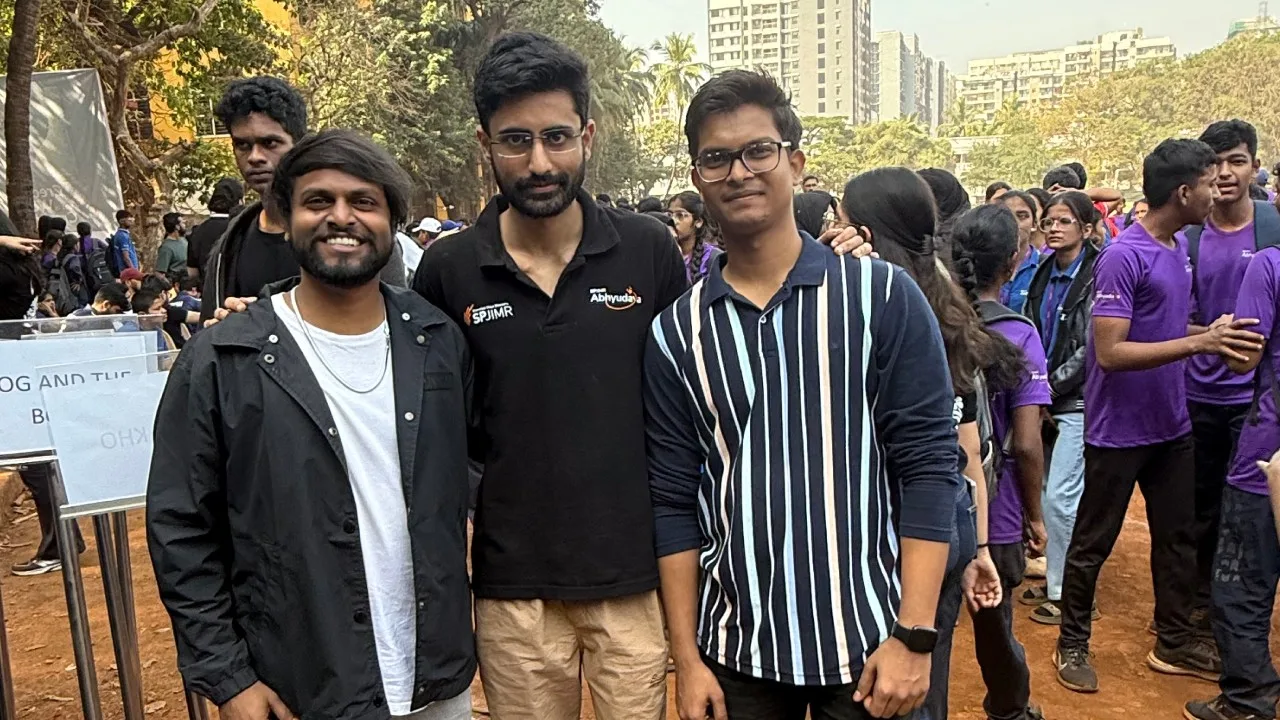
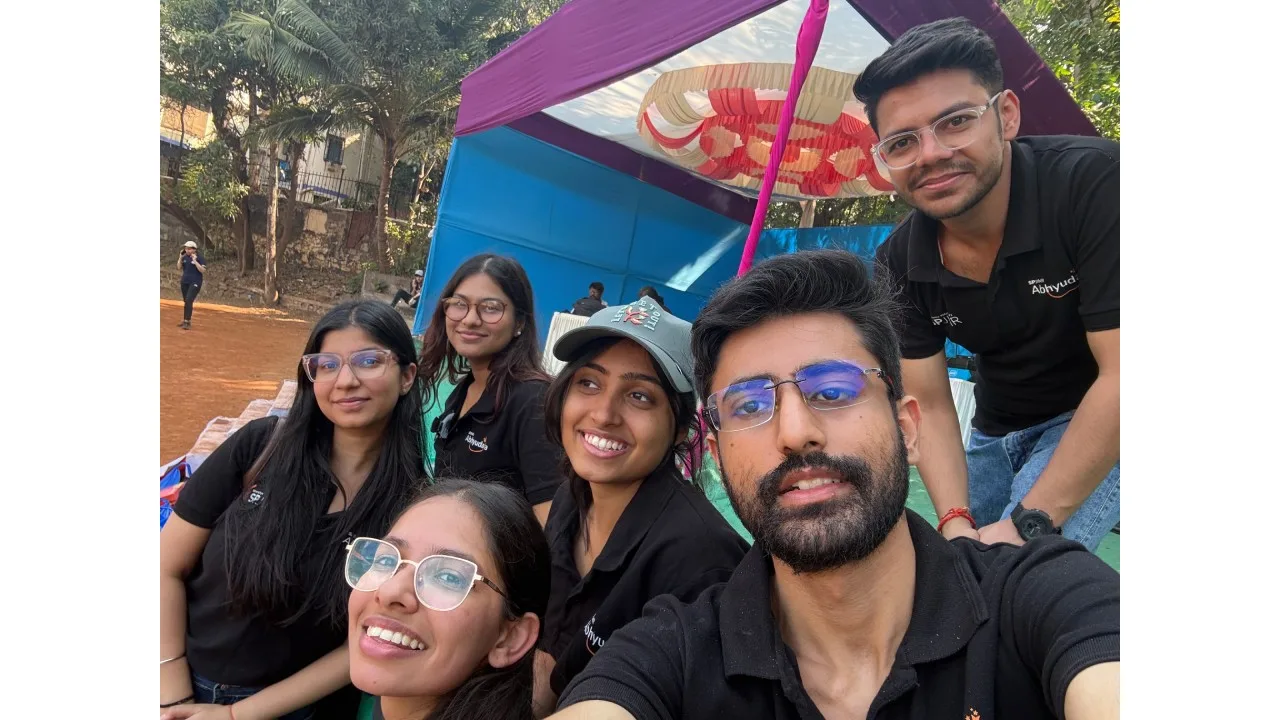
Throughout the year, our experiential learning extended into large-scale operations. During our campus visit—where a few hundred children took over SPJIMR for a day of games—and Khel Mela, our annual sports day with the Sitaras, I led the food division. Catering for 750+ people on peak days, planning quantities for a hall full of energetic children, managing vendors, and ensuring no child went without a plate taught me more about operations under pressure than any case study ever could.
The journey culminates in Hastantaran—the traditional hand-over ceremony where we transition our Sitaras to the incoming batch of first-year mentors. You spend a year convincing a child that you will consistently show up for them, and then you introduce them to someone else who will take the baton. It is the entire point of the programme, yet it remains a hard moment to navigate.
Abhyudaya asks for a few hours of your week. So here’s my one piece of advice to the first-year mentors: don’t try to be a great teacher. Be someone they can count on. The rest follows.
Thank you to the entire Abhyudaya team for building something this real and running it with such care. Thank you to Aryan’s family for opening their home to me.
And mostly, thank you to Aryan. 82%, from where you started, is the best result I was part of this year.
About Post Graduate Diploma in Management (PGDM)
SPJIMR’s Post Graduate Diploma in Management (PGDM) is a two-year, full-time residential programme equivalent to an MBA. PGDM is approved by AICTE, accredited by NBA and AMBA, UK and consistently rates among India’s top 10 management programmes. The programme offers a holistic approach to leadership development with its innovative blend of classroom learning and thoughtfully curated immersive experiences.