


Beyond the classroom: discovering the true meaning of teamwork at PG Labs
Aashi Sharda, PGDM 2026-28

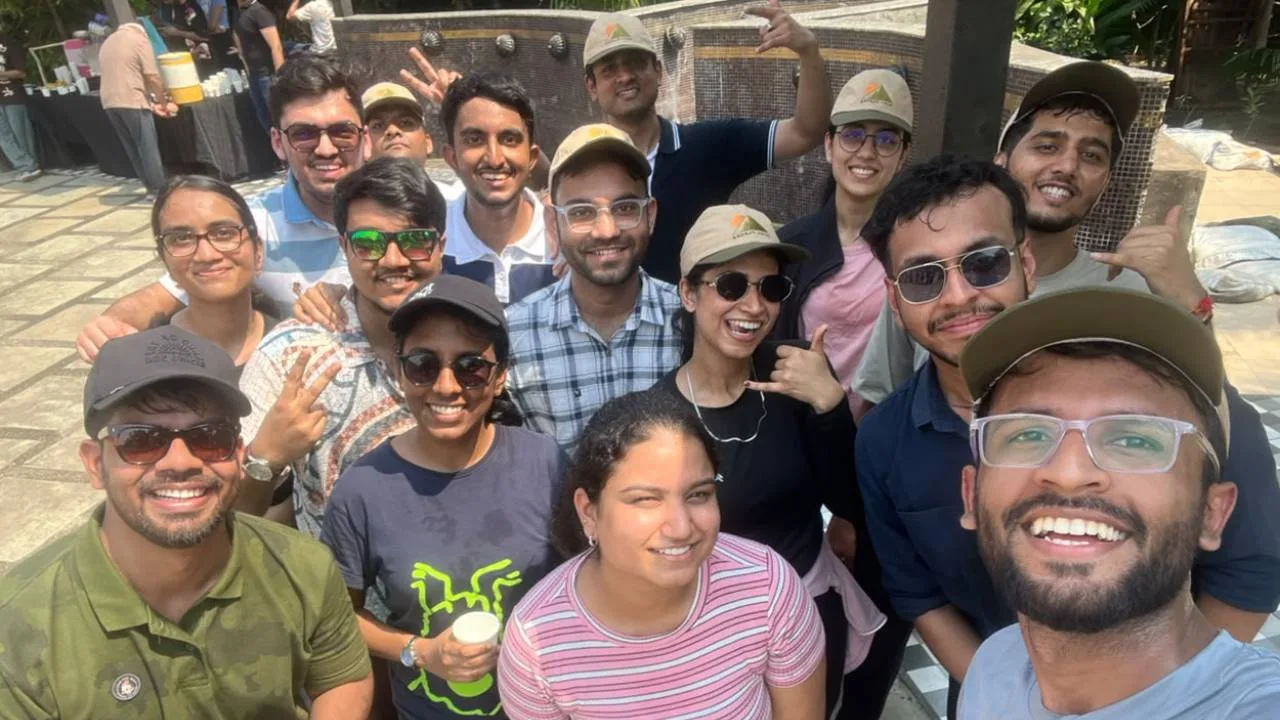

By Term 2 at S.P. Jain Institute of Management & Research (SPJIMR), we had settled into the rhythm of classes, assignments and campus life. But there was one experience we had been hearing about since our early days at the institute: PG Labs. Our seniors had spoken about it, building our curiosity and leaving us excited to experience it ourselves. As 30th September approached, we found ourselves wondering what awaited us. Would we be solving challenging problems, navigating unfamiliar situations or working our way through unexpected team activities? At 6:00 a.m. that morning, all PGP1s boarded buses to Thane, buzzing with excitement and anticipation. None of us knew what had been planned for the day, but that was part of the thrill. PG Labs promised a break from our usual classroom routine and an opportunity to learn in a completely different environment. Little did we know that the experience would go beyond activities and challenges, bringing us closer to people we barely knew and teaching us lessons about trust, collaboration and the true meaning of teamwork.
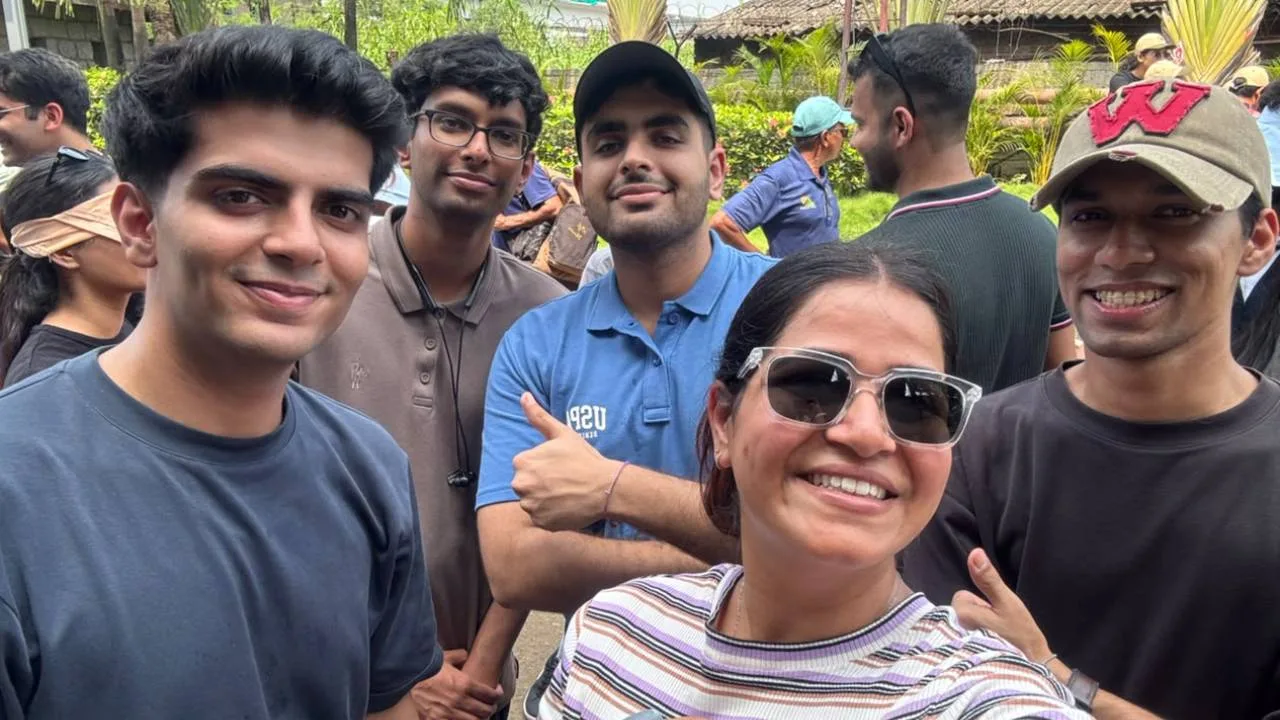
As soon as we reached the venue, we were divided into three groups, and I was part of group C. I knew a few batchmates in my group, but many faces were new to me. Little did I realise that this was intentional. The design pushed us beyond our comfort zones and encouraged us to network with batchmates we hadn’t interacted with earlier. By the end, I had not only met new people but also discovered how stepping into unfamiliar groups could strengthen my confidence and broaden my perspective.
The first challenge: finding our way together
Our first activity was a casualty-finding simulation. We split into teams, and each team had to find casualties. Two people at a control centre gave the instructions. At first, the task felt hard to understand. How would we move together, share work and communicate well when we didn’t know where to start?
As we began to work as a group, the confusion slowly turned into teamwork. The moment we found our casualty, the whole team felt happy. That first win made us feel more confident. Soon we were moving with focus and direction. After hours of searching, we found all the casualties and received a passcode, which helped us open a safe. Inside the safe, there were chocolates! This activity showed us that teamwork is not about knowing everything at the start. It is about believing in the process, communicating clearly and gaining energy from our successes.
Building more than just balloons
The next activity tested our creativity and planning. We had to construct furniture using balloons, which was exciting. The aim was to create something sturdy enough for a person to sit on with their feet off the ground for 30 seconds. What sounded simple quickly became an exercise in brainstorming, delegation, coordination and execution.
Watching our ideas transform into structures was immensely satisfying. It made me believe that good teamwork requires more than enthusiasm. It requires people to bring their strengths, listen to different perspectives and work towards a shared outcome. PG Labs was much more than activities. After a long, fun-filled day, all of us gathered around the pool singing Bollywood songs. Those spontaneous moments of laughter and music were just as valuable as the activities in bringing us closer.
The following day brought one of the most interesting activities: a blindfolded trust exercise. It had three rounds. In the first, we had to guide blindfolded teammates using only verbal instructions; in the second, only touch; and in the last, neither speaking nor touching. The last round required us to invent a different way to communicate. There was something special about trusting people we had known for barely a day. We had to be attentive, patient and willing to rely on one another. It made me understand that communication is not always about words; sometimes it is about understanding, awareness and the confidence that someone has your back.
The most memorable moment came during our final challenge. We had to navigate a series of obstacles within a time limit. Some teammates were struggling to reach the other side. Instead of celebrating individual wins, those who had already crossed returned to help, even giving their teammates piggyback rides to get them across.
Looking back, PG Labs was much more than a series of activities; it was an opportunity to understand ourselves and the people around us a little better. It showed me how the desire to achieve a common goal can bring out our determination, while the relationships we build along the way make the journey meaningful. In many ways, it brought to life McClelland’s theory of needs, which we studied in Organisational Behaviour class, demonstrating how achievement and affiliation shape our experiences within a team. But the most enduring lesson came from watching teammates turn back to help those still struggling. I realised that effective teamwork is not simply about individual capabilities or reaching the finish line first; it is about recognising that our success is intertwined with that of others. As we continue our journey at SPJIMR, I hope to carry this lesson beyond PG Labs: to celebrate collective wins, build meaningful connections and ensure that no one is left behind.
About Post Graduate Diploma in Management (PGDM)
SPJIMR’s Post Graduate Diploma in Management (PGDM) is a two-year, full-time residential programme equivalent to an MBA. PGDM is approved by AICTE, accredited by NBA and AMBA, UK and consistently rates among India’s top 10 management programmes. The programme offers a holistic approach to leadership development with its innovative blend of classroom learning and thoughtfully curated immersive experiences.