
Beyond the obvious: Our Confluence journey
Sayantan Das, PGDM 2026-28 participant

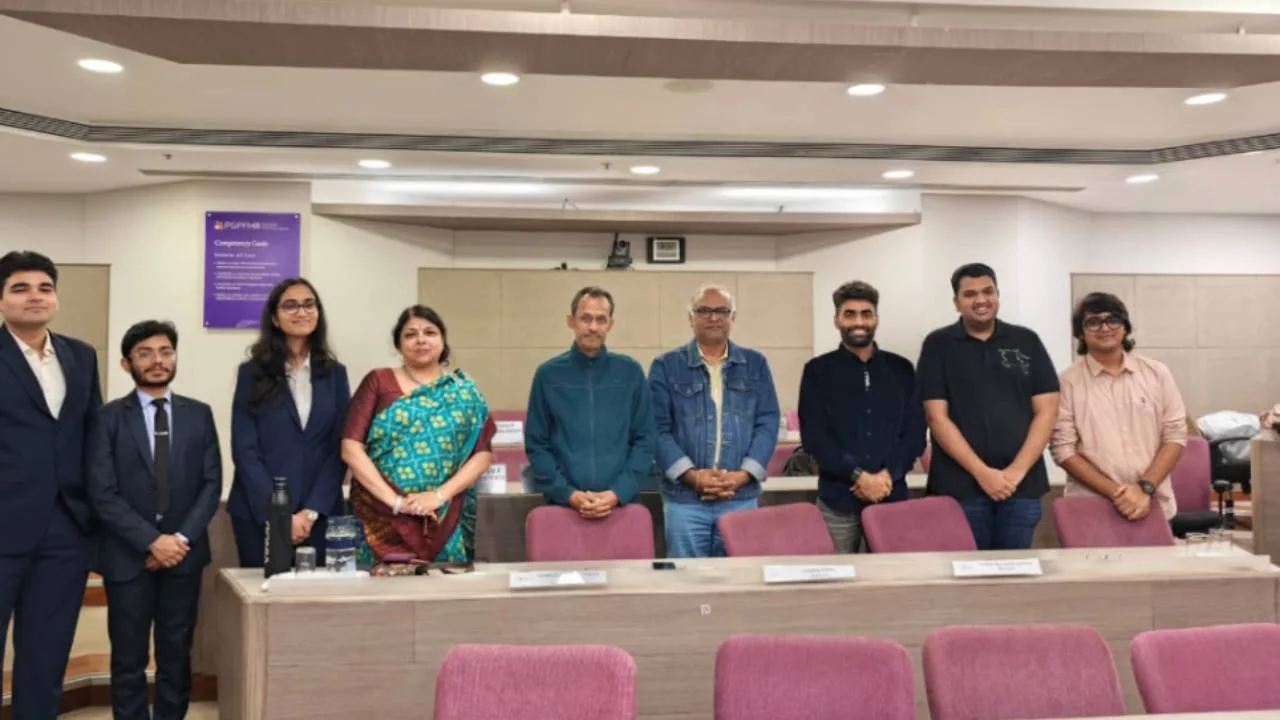
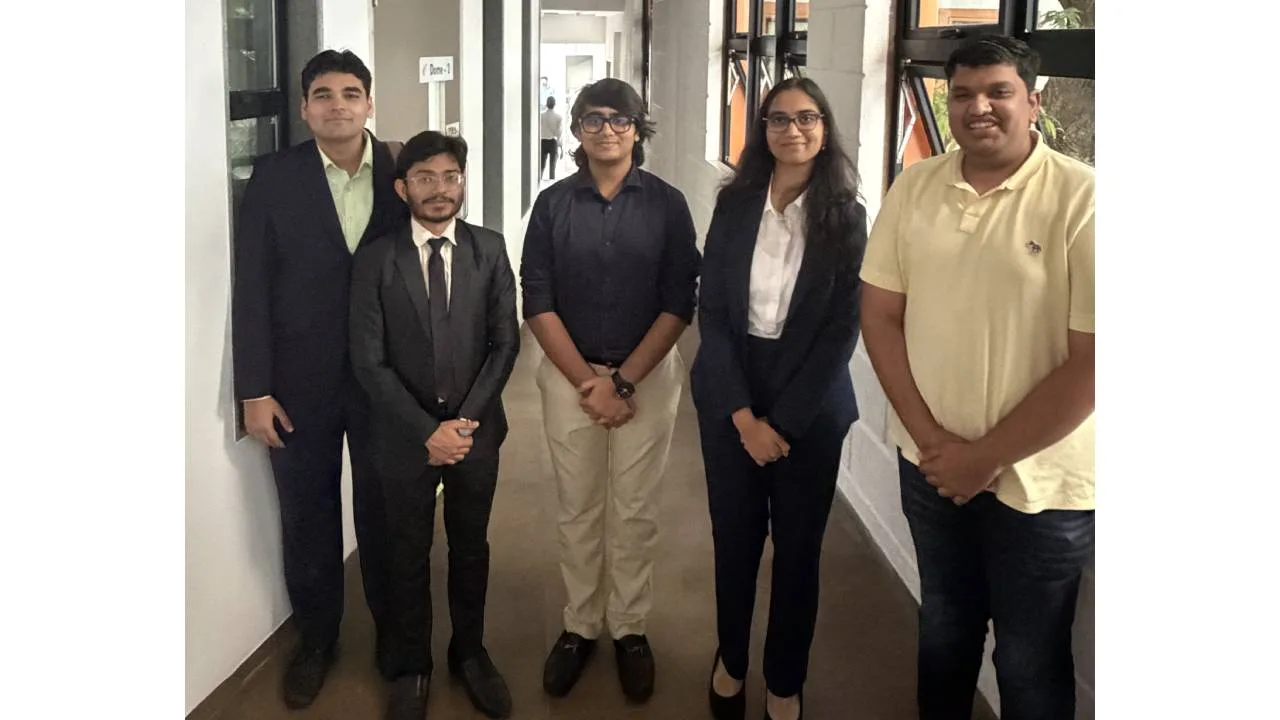
Winning Confluence, S.P. Jain Institute of Management & Research (SPJIMR)’s consulting competition organised by the Centre for Family Business & Entrepreneurship (CFBE), was a rewarding experience. However, what made the journey truly memorable was the opportunity to work on a real business challenge and understand what it takes to translate management concepts into practical business solutions.
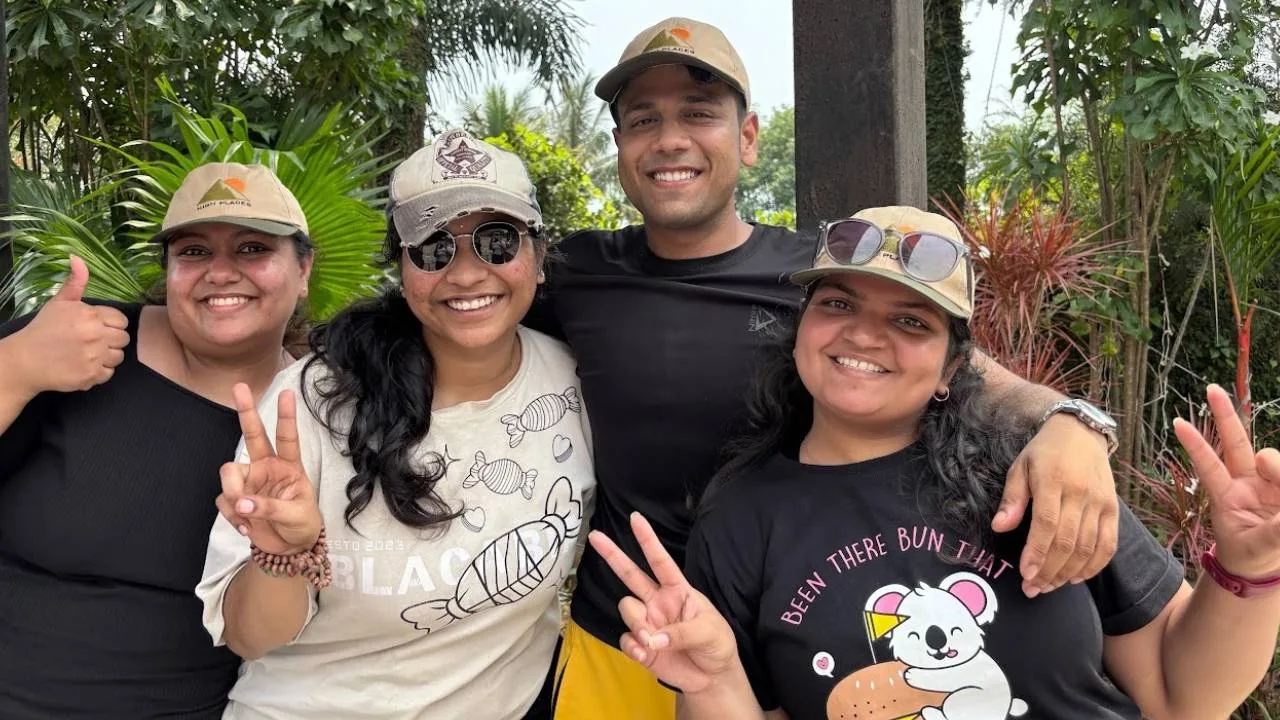
Our team, comprising Aashi Sharda, Mudit Vyas and me, collaborated with Sudhanshu Gattani, the owner of an automobile retailer based in Maharashtra and our Family Managed Business (FMB) consultant, Anurag Lahoti.
The challenge was seemingly straightforward: despite selling a substantial number of vehicles, the retailer struggled to bring customers back to its dealerships for subsequent servicing, an important source of recurring revenue for automobile retailers.
Questioning the obvious
Our initial instinct was to recommend a customer relationship management (CRM) platform to streamline customer records, service reminders and follow-ups. However, as we explored different CRM solutions, we began questioning whether technology alone could address the problem.
We drew a simple analogy: most of us receive numerous calls from banks but rarely act on them unless there is a compelling value proposition. Similarly, reminding customers about pending servicing would not necessarily bring them back. Convenience, accessibility and personal engagement mattered just as much.
This realisation shifted our approach from implementing a CRM to developing an integrated customer-retention strategy.
Building an integrated solution
Our recommendation brought together five interconnected interventions: a CRM platform to centralise customer information; dedicated relationship managers (RMs) to maintain personalised engagement throughout the customer journey; a mobile repair fleet to provide basic doorstep services and generate leads; vehicle health cards to build a repository of customer and vehicle requirements; and a lottery-based incentive programme, through which customers servicing their vehicles at the retailer would automatically qualify for small rewards.
The objective was to move beyond transactional interactions and give customers compelling reasons to remain connected with the dealership.
Developing these recommendations required extensive primary and secondary research, discussions with the business owner, interactions with customers and inputs from batchmates with automobile industry experience. We also evaluated the potential revenue upside and practical feasibility of the proposed initiatives. The biggest challenge was ensuring that our ideas were not merely attractive on paper but commercially viable and implementable.
Learning beyond the classroom
The semi-final and final rounds gave us an opportunity to defend our recommendations before the judges. Their cross-questioning exposed a few gaps in our analysis. Rather than attempting to justify every assumption, we acknowledged what we had missed and what needed further examination.
Perhaps our biggest learning was understanding the difference between learning about businesses and understanding how businesses actually operate. Frameworks and classroom concepts provide structure, but implementing them within a family business requires accounting for operational realities, resource constraints and customer-focused behaviour.
We also learnt that identifying the right problem is often more important than arriving at a quick solution, that technology must complement human relationships, and that innovation must always be balanced with practicality.
Confluence was much more than a competition. It offered us an opportunity to experience the complexities of real-world problem-solving. We are grateful to Sudhanshu Gattani, Anurag Lahoti and everyone who contributed to this journey. While winning was gratifying, the most enduring takeaway was learning what it truly takes to make a business solution work beyond the classroom.
About Post Graduate Diploma in Management (PGDM)
SPJIMR’s Post Graduate Diploma in Management (PGDM) is a two-year, full-time residential programme equivalent to an MBA. PGDM is approved by AICTE, accredited by NBA and AMBA, UK and consistently rates among India’s top 10 management programmes. The programme offers a holistic approach to leadership development with its innovative blend of classroom learning and thoughtfully curated immersive experiences.