





Family businesses are built on legacies of trust, values, and deep-rooted relationships. They hold a significant place in the economy, contributing to employment, industry development, and long-term wealth creation. However, with evolving market dynamics, technological advancements, and changing consumer behaviours, these businesses must continuously adapt to remain competitive. The challenge lies in maintaining their heritage while embracing innovation. The key to long-term sustainability is not choosing between tradition and modernisation but finding the right balance between the two.
Image credit: SPJIMR
The importance of tradition in family businesses
Tradition is the backbone of any family-run business. It provides a strong identity, fosters customer loyalty, and ensures continuity through generations. The guiding principles passed down through generations form the foundation of trust and reputation. Many family businesses thrive on personal connections built over decades, creating long-standing customer relationships.
A strong work ethic and a deep sense of responsibility towards the business and community ensure long-term dedication. Additionally, many businesses are deeply intertwined with the cultural and historical fabric of their regions, reinforcing their significance beyond just commercial success. Brands like the Tata Group, Dabur, and Amul have upheld their traditional values while evolving with time, maintaining consumer trust and staying relevant in a changing marketplace.
The need for innovation in a rapidly changing world
While tradition provides stability, excessive reliance on conventional methods can hinder growth. Today’s business landscape is defined by digital transformation, automation, and shifting consumer expectations. Family businesses that fail to innovate risk stagnation. Innovation is essential for:
Staying competitive 
Businesses must evolve to meet modern customer needs and market trends.
Expanding market reach 
Digital platforms enable family businesses to grow beyond local boundaries.
Enhancing operational efficiency 
Technology streamlines processes, reduces costs, and improves productivity.
Attracting next-generation leaders 
Young leaders prefer working in agile, forward-thinking environments.
How family-run businesses can balance tradition and innovation
Finding the right equilibrium between heritage and progress requires intentional strategies. Family businesses can implement the following approaches:
Professionalising operations without losing family values
Professionalising operations without losing family values is crucial for long-term sustainability. Structured governance with advisory boards and clear succession planning ensures smooth leadership transitions while maintaining the family’s vision. Transparent decision-making fosters trust and unity, allowing businesses to evolve without compromising core values.

Image credit: Blume
A strong example is Marico, founded by Harsh Mariwala, which transitioned from a family-run enterprise to a professionally managed company with an independent board and governance structure. Despite these changes, it has upheld its core values of innovation, trust, and employee-centric leadership, balancing tradition with modern management.
Leveraging technology to modernise without disrupting identity
Leveraging technology is essential for family businesses to stay competitive while preserving their legacy. Investing in AI, automation, and digital tools enhances customer engagement and streamlines operations without losing the personal touch. Data analytics enables better decision-making while maintaining long-standing relationships. Implementing e-commerce strategies allows businesses to expand their reach while upholding traditional customer service values.
Image credit: TITAGARH
Titagarh Wagons is a family-run company that modernised its manufacturing processes with automation and data-driven insights while continuing to uphold its legacy of quality and reliability in the railway sector.
Encouraging next-generation leadership while respecting experience
Encouraging next-generation leadership while respecting experience is key to a family business’s longevity. Mentorship programmes help senior leaders pass on wisdom while embracing fresh perspectives from younger members. Innovation hubs provide a space to experiment with new ideas without disrupting core operations. Additionally, formal education and global exposure equip the next generation with modern insights to drive growth.
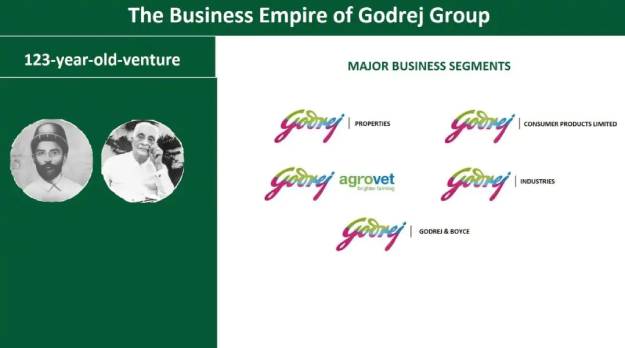
Image credit: Godrej
Godrej Group exemplifies this balance, where seasoned leaders mentor young professionals while fostering a culture of innovation, allowing the company to evolve while staying true to its values.
Sustaining innovation through values-driven entrepreneurship
Sustaining innovation through values-driven entrepreneurship ensures long-term resilience for family businesses. Integrating sustainability and ethical business practices helps future-proof the company while maintaining stakeholder trust. Aligning innovation with core family values ensures authenticity in business evolution. Investing in social impact initiatives further strengthens the brand’s purpose and community engagement.

Image credit: Tata Group
Tata Group exemplifies this approach, blending business innovation with ethical leadership and social responsibility, ensuring a lasting legacy that balances progress with tradition.
How SPJIMR’s Post Graduate Programme in Family Managed Business (PGPFMB) helps family businesses navigate this balance
To successfully balance tradition and innovation, family businesses need structured learning and exposure to modern management techniques. The Post Graduate Programme in Family Managed Business (PGPFMB) at SPJIMR provides young leaders with the tools to drive transformation while staying true to their roots. The programme focuses on:

Strategic governance and leadership development to create visionary business leaders.

Digital transformation and innovation are used to integrate modern technology into traditional businesses.

Global business exposure to help leaders scale their businesses internationally.

Sustainability and social responsibility to ensure long-term resilience.
Register your interest for this programme
Please fill in the following details
Balancing tradition and innovation is the key to building a sustainable legacy in family-run businesses. Those that adapt to modern challenges while staying true to their core values will continue to thrive across generations. By leveraging structured learning and embracing new-age strategies, family businesses can ensure long-term success while preserving their heritage. The right education, like SPJIMR’s PGPFMB, equips young leaders with the skills and mindset to bridge the gap between legacy and progress.
Are you ready to take your family business to the next level while honouring its legacy? Learn more about SPJIMR’s PGPFMB programme here.