

Roles we didn’t know we played: Notes from PG Lab
Rasmi Bhukta, PGDM (BM) 2026-28 participant

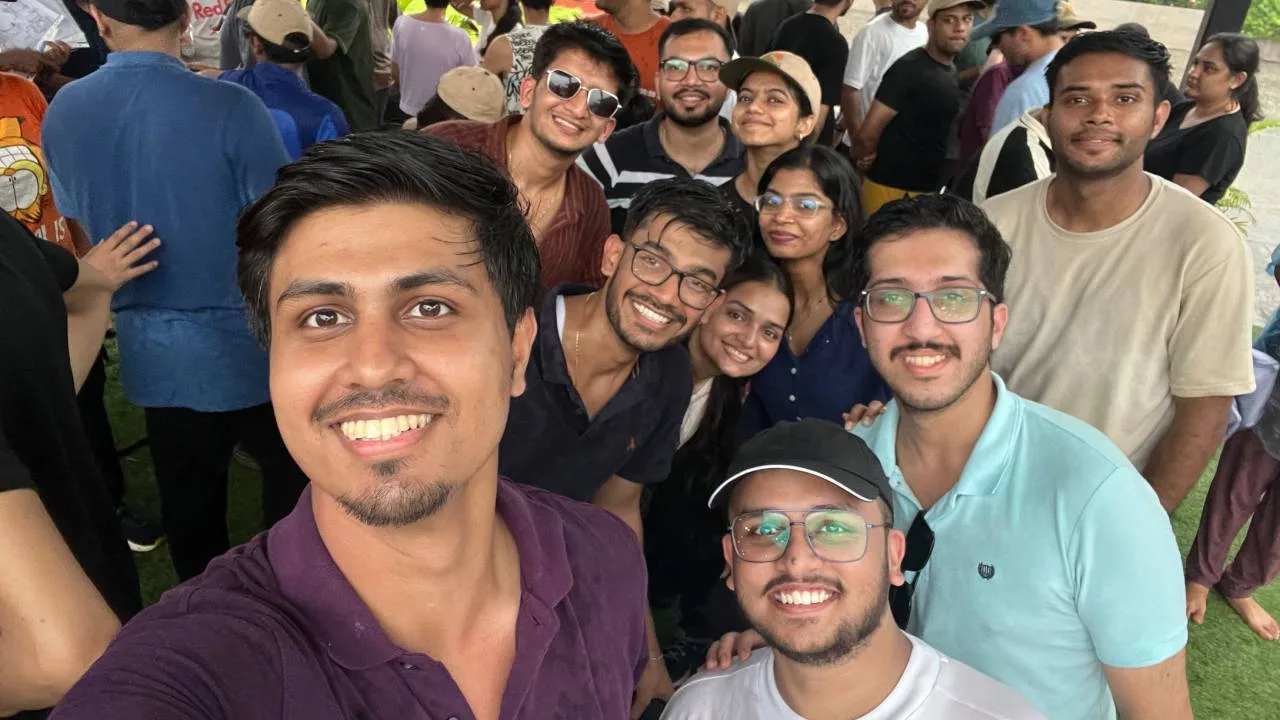
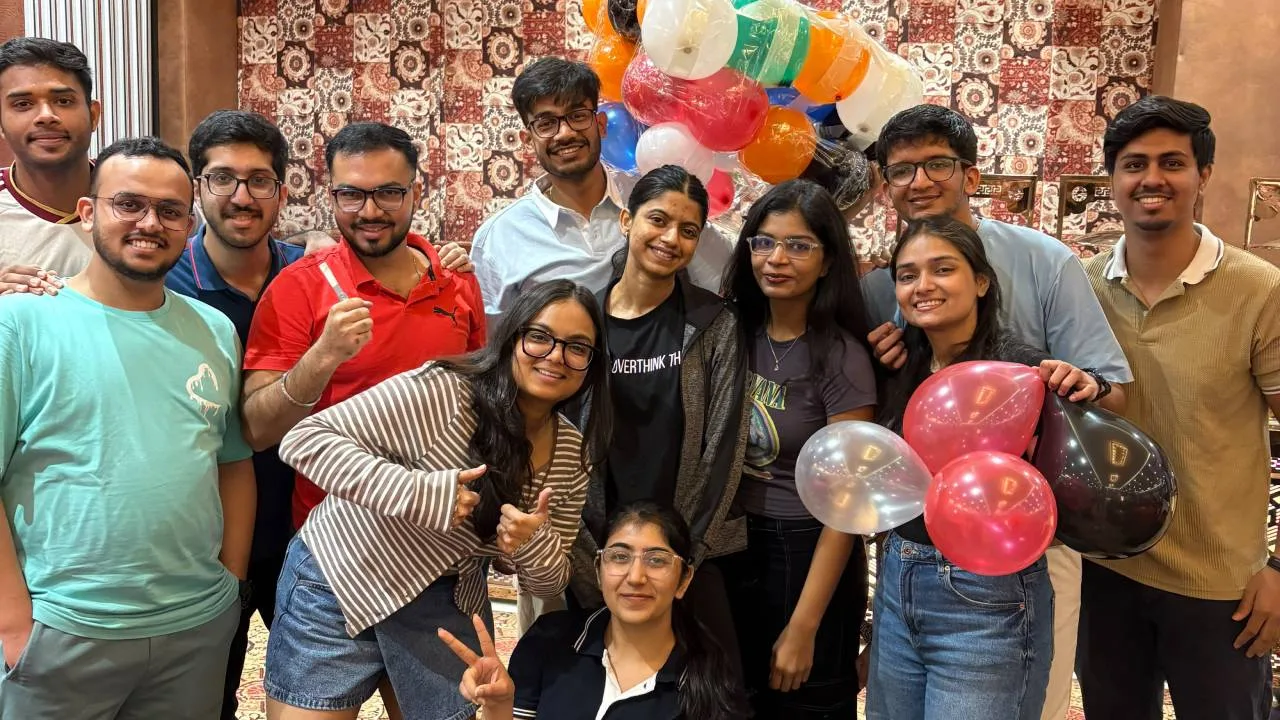
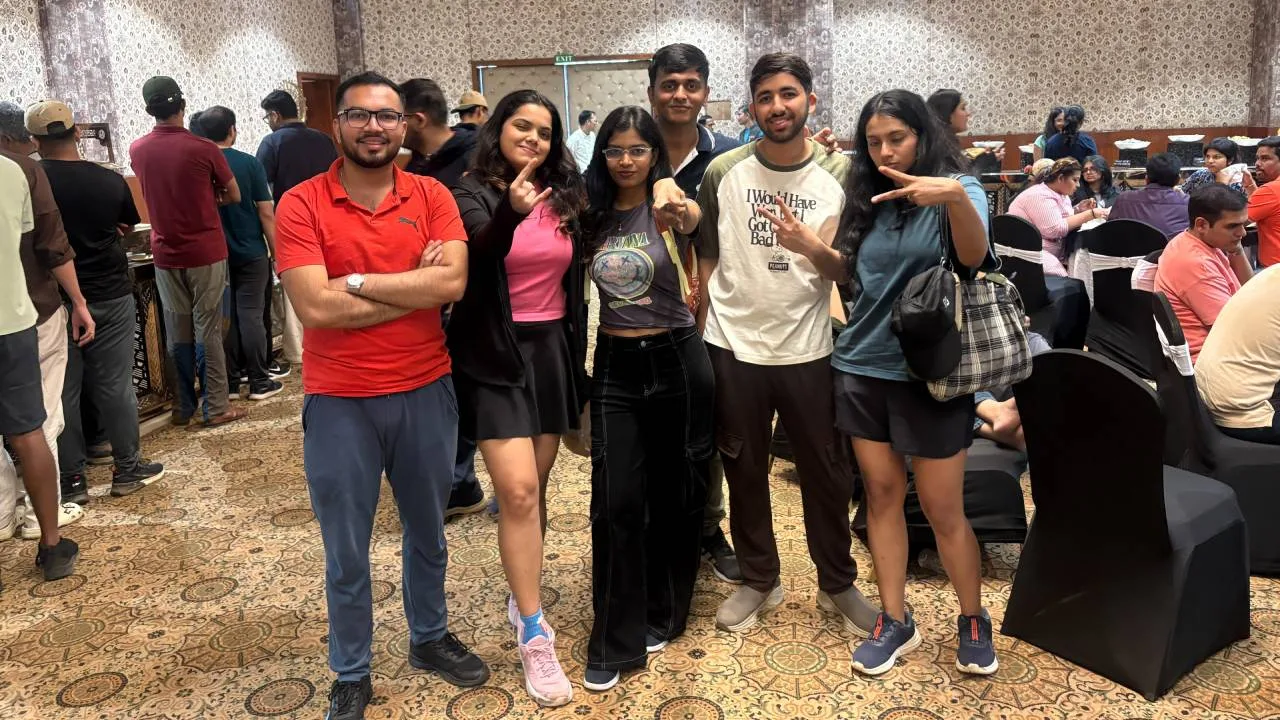
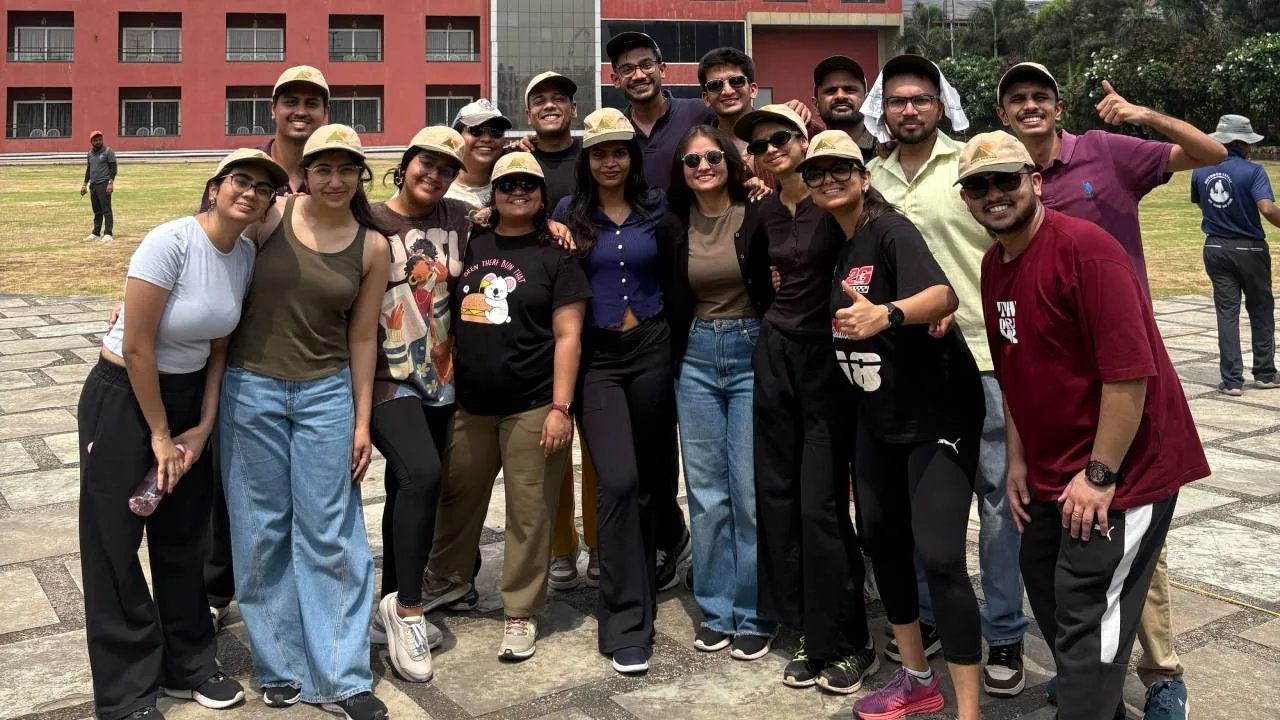
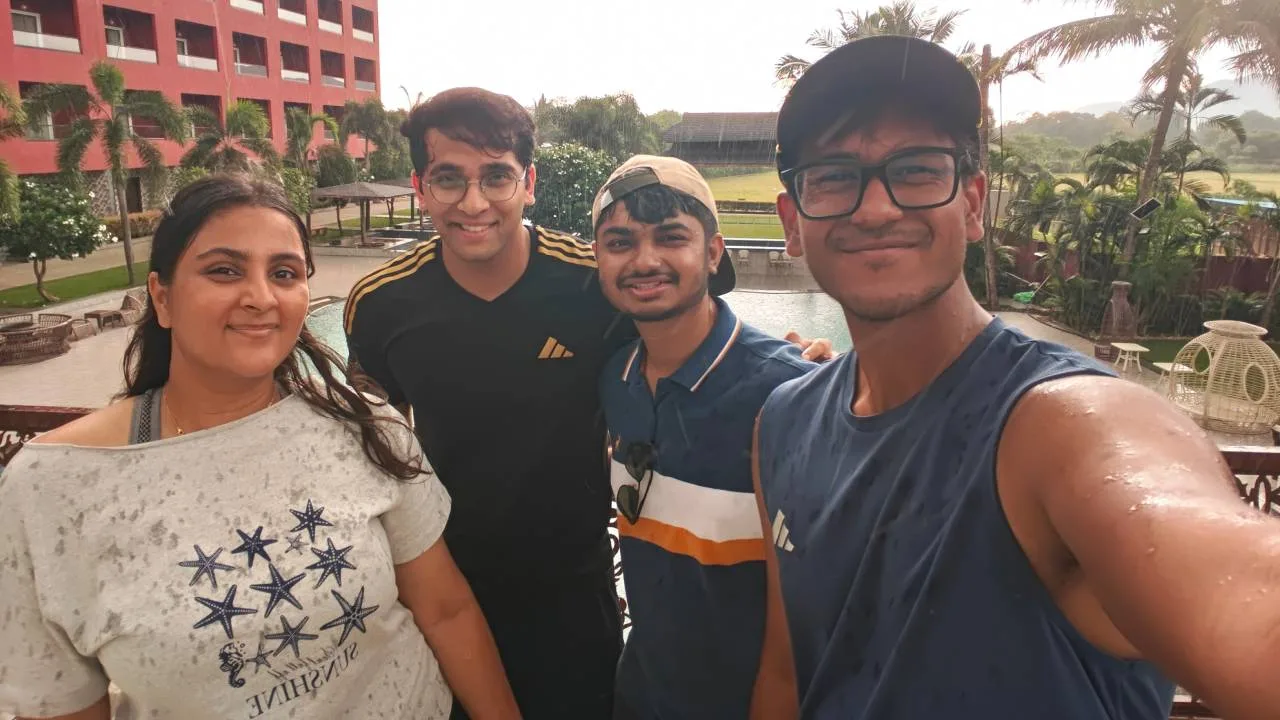
I went into PG Lab expecting a pleasant break from lectures: a bus ride to Saya Grand in Thane, a few games, some good food. I came back with a sharper sense of how I behave when a group depends on me, something I had never really examined before.
What struck me first was how quickly roles formed. In the rescue treasure hunt, two teammates ran the control tower while the rest of us searched the field. Nobody assigned jobs, yet within minutes someone was reading the map, someone was setting the pace, and someone was asking the questions everyone else hesitated to ask. When the tower’s directions did not match what we were seeing, I caught myself repeating instructions louder instead of clearer. A calmer teammate suggested that we describe landmarks rather than directions, and that small change got us moving again. I realised that being heard and being understood are two very different things.
The blindfold exercise took this further. Guiding someone first with words, then with touch and finally with neither strips away every habit you rely on. The final round was the most revealing. With no speech or touch allowed, we had to build a signal system from nothing, and it worked only because both of us were patient enough to notice what the other was trying to say. Being the blindfolded one made me aware of how rarely I give people that level of attention in everyday life.
Then came the lighter chaos: balloon furniture that refused to hold our weight, a ring-and-ropes game where one over-eager pull undid everyone’s effort, and ‘the floor is lava’ with its ramps, bricks and drums. That last game interested me most because it quietly rewarded self-interest. Some teams moved on the moment they were safe, while others stayed back to help. The debriefs made us confront which kind of team we had been, without anyone pointing a finger.
Anil Sachdev’s talk on leadership and organisations pulled it all together. It linked the day’s games to the kind of managers we hope to become, instead of leaving them as a set of isolated exercises.
Still, some of my favourite moments were not on the schedule. The evenings by the pool, with music, banter and no agenda, did more to dissolve the awkwardness between batchmates than any icebreaker could.
PG Lab didn’t hand me a new theory of teamwork. It showed me my own habits in real time: where I talk too much, where I wait too long and where I trust too little. As we step into managerial roles, that self-awareness feels like the most useful thing I carried back from Thane.
About Post Graduate Diploma in Management (Business Management)
Post Graduate Diploma in Management (Business Management) is a two-year, full-time residential programme with a General Management focus. Built on identical pillars as the current PGDM programme, it is an AICTE-approved programme and admits only 120 participants. PGDM (BM) gives its participants the unique flexibility to choose a preferred mix of courses to align with their career goals and help them develop a holistic overview of all functional areas to excel in cross-functional business decision-making.