





An entrepreneurship certificate can be a useful addition to your profile, but how do you make it stand out on a CV or strengthen an internship or MBA application? Simply listing the programme tells a recruiter or admissions team that you have completed it. What makes the experience more meaningful is what you did during the programme, the problem you explored, the business idea you developed, the decisions you made and the lessons you took away.
For students who are still building their professional experience, an entrepreneurship programme can offer tangible examples of initiative, problem-solving, and working through an idea. A business plan, a final presentation, or feedback from mentors can become a starting point for a compelling CV bullet, a thoughtful interview answer, or an MBA essay that says something meaningful about you.
Key takeaways
- Lead with the work you did on the project, not the certificate itself.
- List the certificate under Certifications, and add the project under Projects if it is relevant to the role.
- Tailor how you describe the project to each internship or MBA application.
- Describe only what you actually did, because proposing an idea, building a prototype, and launching a venture are different claims
Start with the work, not the certificate
Before adding a certificate to your CV, look back at the programme and identify the work you completed. A useful starting point is to answer three questions:
- The problem: What need or challenge did your project address?
- Your contribution: What research, analysis, planning, or teamwork did you undertake?
- The outcome: What did you produce, present, or learn?
Developing a business idea and presenting a business plan are different from launching a business. All of them show initiative, but each should be described accurately.
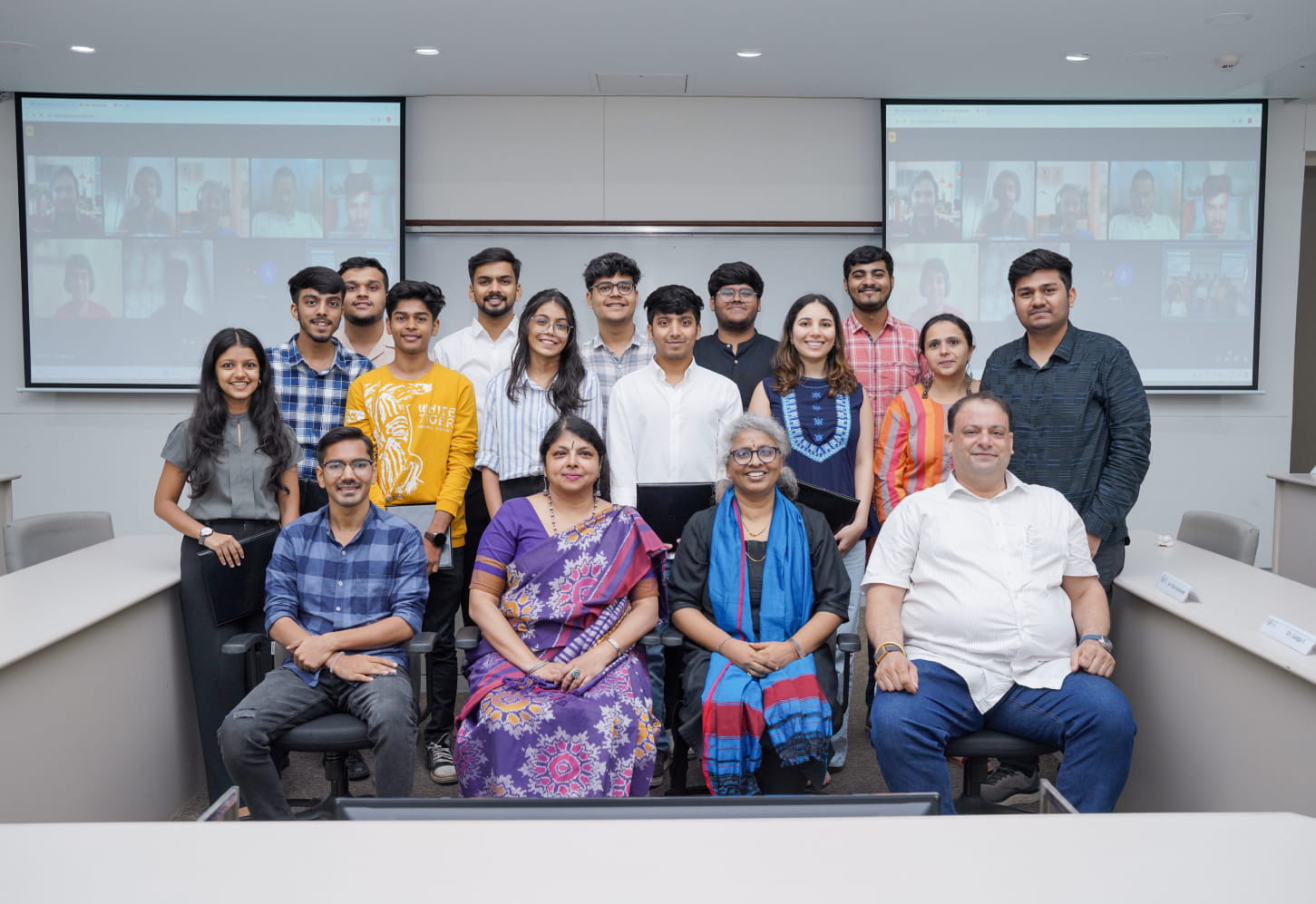
Take the EnPower Certificate Programme in Entrepreneurship at S.P. Jain Institute of Management & Research (SPJIMR). It is designed for undergraduates and recent graduates. The EnPower curriculum moves from building an entrepreneurial mindset and identifying opportunities to design thinking, prototyping, using technology and AI for start-up innovation, and the fundamentals of marketing, sales, finance and strategy. It ends with a final business plan presentation to a panel of experts. Each stage produces something you can talk about: a problem you defined, a prototype you built or a plan you defended.
The important question is not simply whether you completed the programme. It is what you can explain about the work you did.
How to list an entrepreneurship certificate on your CV
Include the certificate under Certifications, particularly if you have limited work experience. If the project is relevant to the role, you can also feature it under Projects.
A straightforward entry could look like this:
- Developed a business idea addressing [specific problem or customer need].
- Contributed to [research, business planning, prototyping or financial analysis — as applicable].
- Presented the business plan and incorporated feedback from [the panel or mentors, if applicable].
Replace the bracketed sections with details of your actual work. Avoid listing every skill covered by the programme; highlight the ones you can demonstrate through your project.
For example, a bullet such as “Developed a business plan for a solution addressing [problem], drawing on customer research and market analysis” tells a recruiter more than “Completed an entrepreneurship certificate”. Use it only if you carried out that research and analysis.
The goal is to make your contribution clear without overstating it.
Connect your project to the internship you want
An entrepreneurship project can be relevant to several kinds of internships. The key is to explain the experience in terms of the role you are applying for.
- Marketing: Highlight customer needs, audience research, positioning or go-to-market planning, if these formed part of your work.
- Strategy or business development: Focus on opportunity identification, market assessment and how you evaluated the viability of an idea.
- Operations or general management: Emphasise team coordination, planning, resource allocation and how you worked through constraints.
Tailor your CV to the internship description rather than sending the same project summary everywhere.
An entrepreneurship certificate does not replace relevant work experience. It can, however, give you a concrete example to discuss when you have not yet had many professional opportunities.
Turn your project into an interview story
Interviewers may ask why you chose an idea, how you worked with your team or what you would change if you started again. Prepare to discuss the decisions behind the final presentation, not just the final result.
A simple structure can help:
Situation
What problem were you trying to address?
Action
What did you personally do, and why?
Learning
What did the research, teamwork, or feedback reveal?
Reflection
What would you do
differently now?
EnPower participant Riddhi Kiran describes the value of this kind of reflection:
“EnPower changed the way I think. It taught me to look at problems from different perspectives, learn from failure, and approach entrepreneurship with curiosity and confidence.”
— Riddhi Kiran, EnPower Batch 7
You do not need a dramatic success story. A thoughtful account of an assumption that changed, a challenge your team faced or feedback that improved your idea can make for a credible interview answer.
Use the experience in MBA applications
MBA applications ask you to demonstrate qualities such as initiative, problem-solving, teamwork, and the ability to learn from experience. An entrepreneurship project may give you evidence of these qualities, particularly if you are applying before building substantial work experience.
SPJIMR’s EnPower participant Kabir Gupta highlights the value of working through a business plan:
“What stood out to me about EnPower was the opportunity to learn from industry experts and actually experience entrepreneurship by creating and working through a business plan.”
— Kabir Gupta, EnPower Batch 7
When writing an MBA essay, go beyond describing the programme. Explain why you chose to work on a particular problem, how the experience influenced your thinking, and what it revealed about the kind of work you want to pursue.
A certificate does not guarantee an admissions advantage. Its value in an application depends on how relevant the experience is and what you can demonstrate through it.
Make every claim credible
Before submitting your CV or application, check that you can support every claim you make.
- Distinguish between proposing a business idea, developing a prototype, and launching a venture.
- State your own contribution clearly when the work was completed in a team.
- Mention skills only when you can explain how you used them.
- Be ready to discuss setbacks, feedback, and what you learnt.
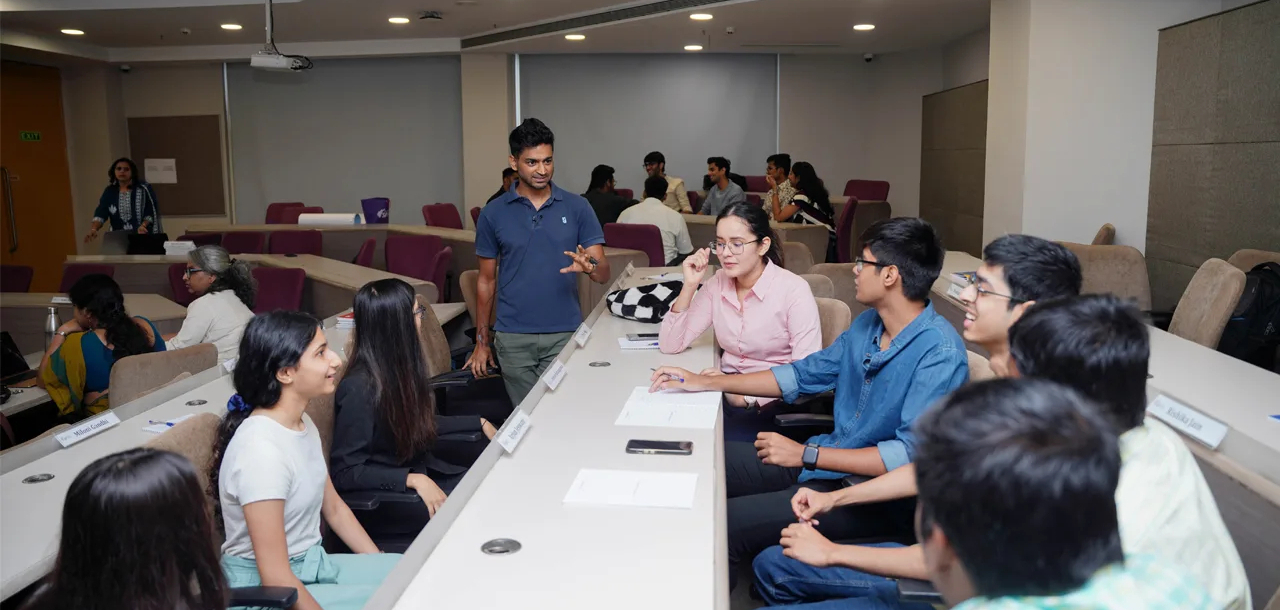
A well-explained project is more useful than a long list of impressive-sounding skills. It gives recruiters and admissions teams something specific to ask you about and gives you a genuine example to draw on.
Make the certificate work for you
An entrepreneurship certificate is most valuable when you can explain what the experience taught you and how you have applied it. You may not have launched a business, and you do not need to claim that you have. What matters is being able to discuss a problem you explored, a decision you made or a perspective that changed.
As you prepare your CV, internship applications, or MBA essays, revisit your programme project and identify the experiences that best demonstrate your strengths. The certificate establishes what you studied; the story you tell about the work shows what you took away from it.
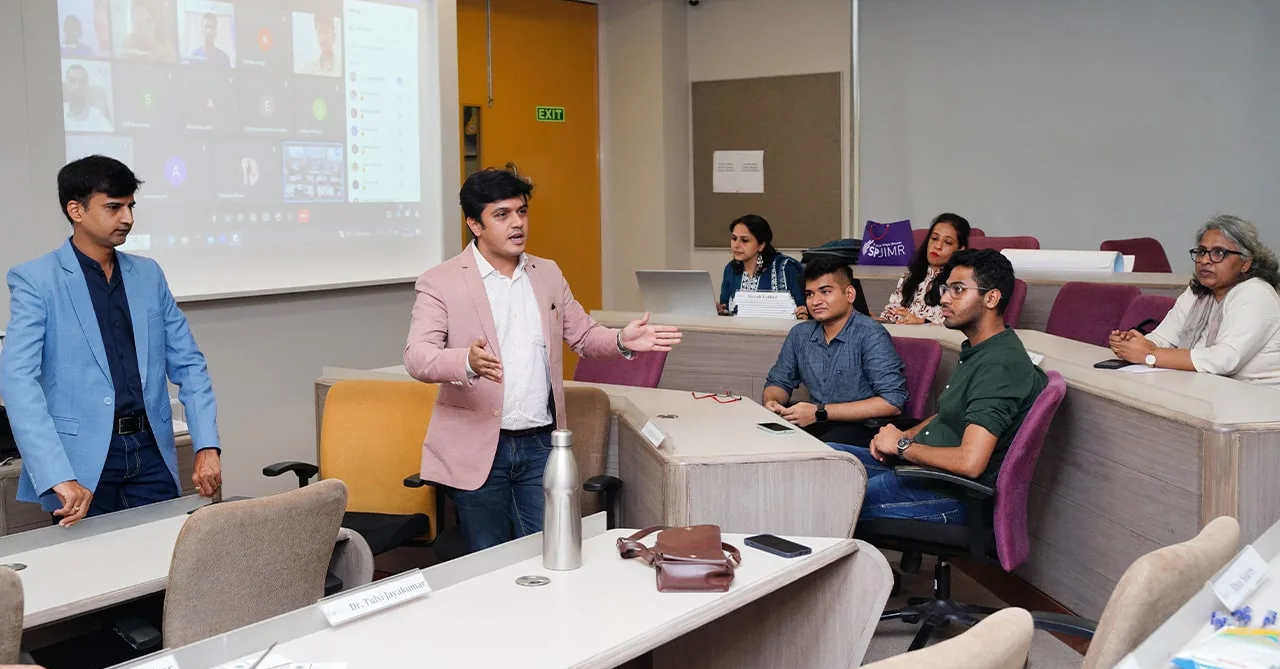
If you are an undergraduate or recent graduate who wants hands-on experience of taking an idea from problem to business plan, explore the EnPower Certificate Programme in Entrepreneurship, or read how to become an entrepreneur while in college.
Register your interest for this programme
Please fill in the following details