


Prof. Ashish Desai brings SPJIMR research on financial trust to SamvAAd 2026
15 October 2026
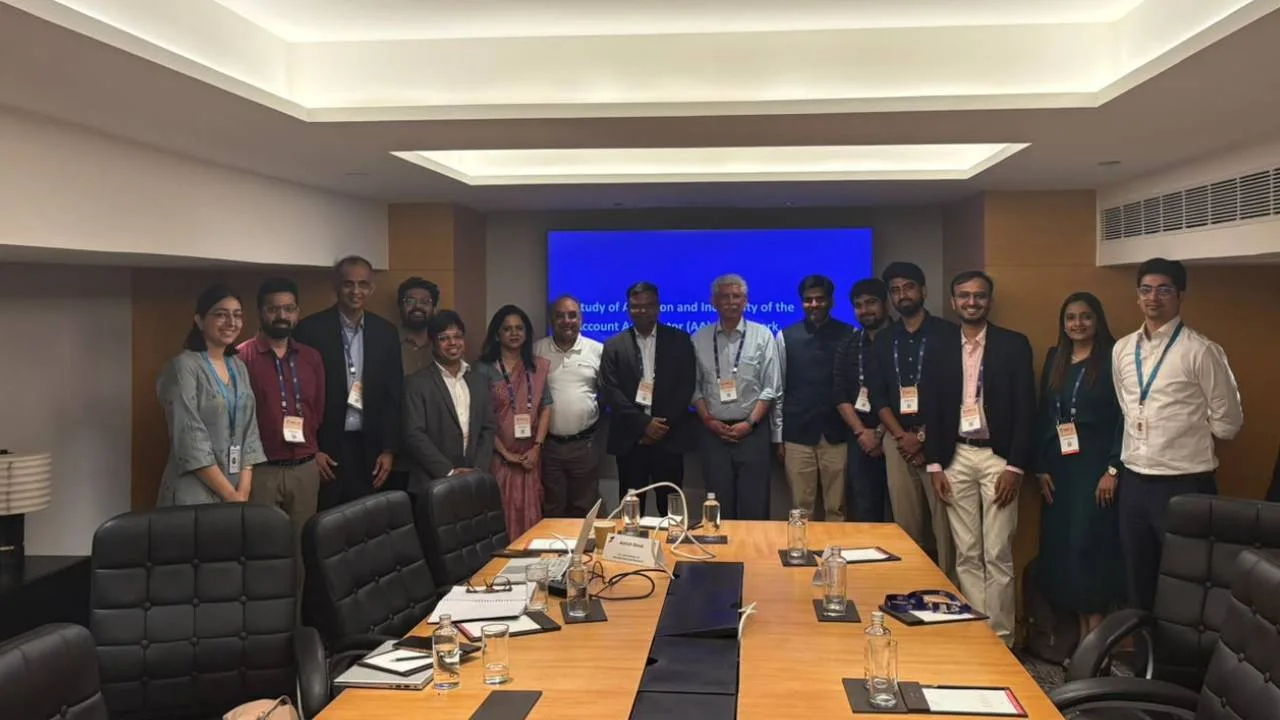
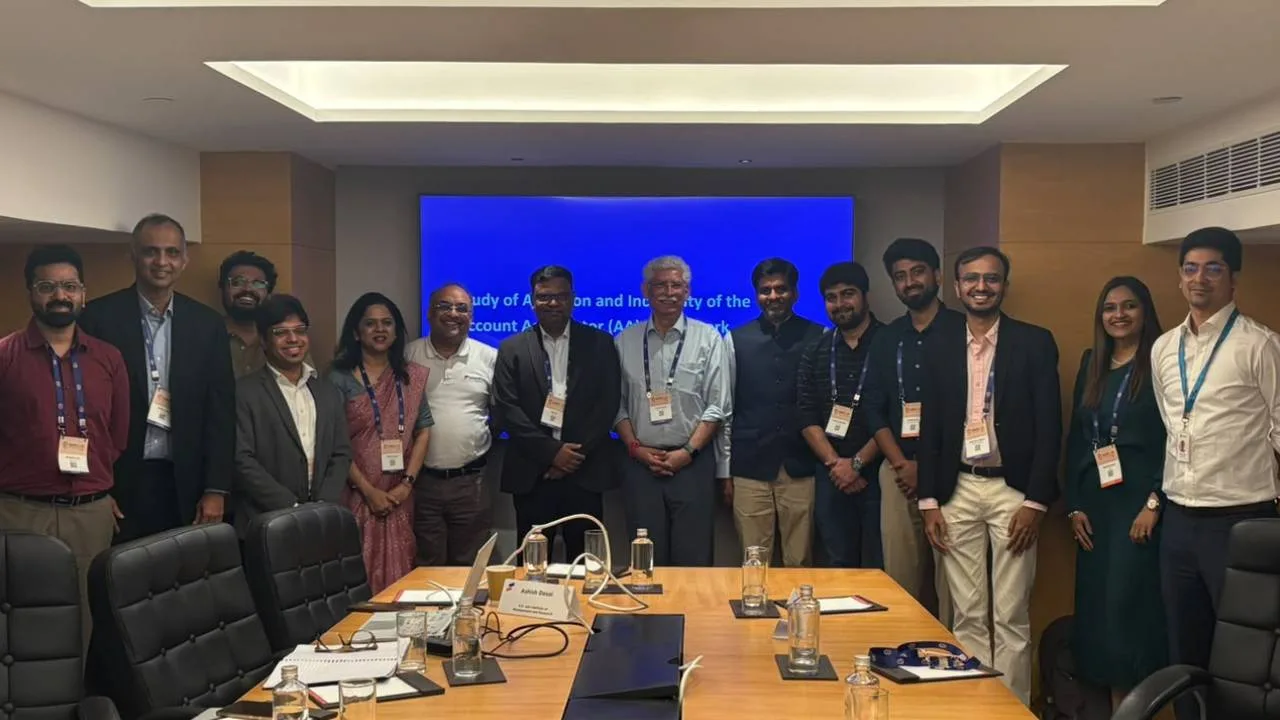
Professor Ashish Desai, Associate Professor of Information Management and Analytics at S.P. Jain Institute of Management & Research (SPJIMR), convened a roundtable at SamvAAd 2026: India Open Finance Summit, Sahamati’s flagship annual gathering of India’s Account Aggregator (AA) ecosystem, held on 14–15 October at the Grand Hyatt Mumbai Hotel, Mumbai. Sahamati is the RBI-recognised self-regulatory organisation for the Account Aggregator ecosystem.
The roundtable discussed the ‘Study of Adoption and Inclusivity of the Account Aggregator Framework’, which examines how transparency, perceived control and usability influence customer adoption, trust and inclusion in consent-based financial data sharing.
Commenting on the research, Prof. Desai said: “Digital financial infrastructure creates value when people can use it with confidence and control. Our research examines how transparency, usability and customer agency shape trust in the Account Aggregator ecosystem. The aim is to generate evidence that can help make consent-based data sharing more accessible, inclusive and meaningful.”
A key contribution of the study is its empirical approach to measuring trust, moving beyond perceptions to examine measurable dimensions of customer confidence and agency. The research explores how evidence on these factors can inform the design of financial data-sharing systems that are more transparent, accessible and trusted.
The discussion focused on how research findings could inform a more transparent, inclusive and trusted AA framework. It connected questions of customer behaviour and experience with practical considerations in developing consent-led financial infrastructure.
Why trust matters to the future of digital finance
India’s AA framework enables individuals and businesses to share financial information digitally with authorised institutions through a secure, consent-based and interoperable system. As a component of India’s Digital Public Infrastructure (DPI), it has the potential to support applications across lending, personal finance, wealth management, insurance and financial inclusion.
However, the reach of digital infrastructure alone does not determine its impact. Customers must understand how their information is shared, have confidence in the process and be able to exercise meaningful control over their financial data.
By examining transparency, usability and perceived control through an empirical lens, the study seeks to generate evidence that can help ecosystem stakeholders identify barriers to adoption and consider how customer trust can be strengthened. These insights are relevant to financial institutions, policymakers and institutions responsible for the design, governance and implementation of digital financial services.
Management research with policy relevance
For SPJIMR, the engagement reflects the role of management research in informing decisions beyond academic publication. Research on DPI can help bridge the gap between the design of financial systems and the experiences of the people they are intended to serve.
Evidence on customer trust and adoption can contribute to more informed discussions on product design, consumer protection, consent architecture and financial inclusion. Engagement with practitioners and ecosystem institutions also enables researchers to connect empirical findings with implementation challenges and policy questions.
The wider implication is that digital financial infrastructure must be assessed not only by its scale, but also by the quality of customer participation it enables. Trust, accessibility and agency are essential to ensuring that technological innovation translates into meaningful and inclusive outcomes.
The engagement reinforces SPJIMR’s commitment to research that connects management thinking with industry practice, informs policy dialogue and contributes to responsible, inclusive innovation.