





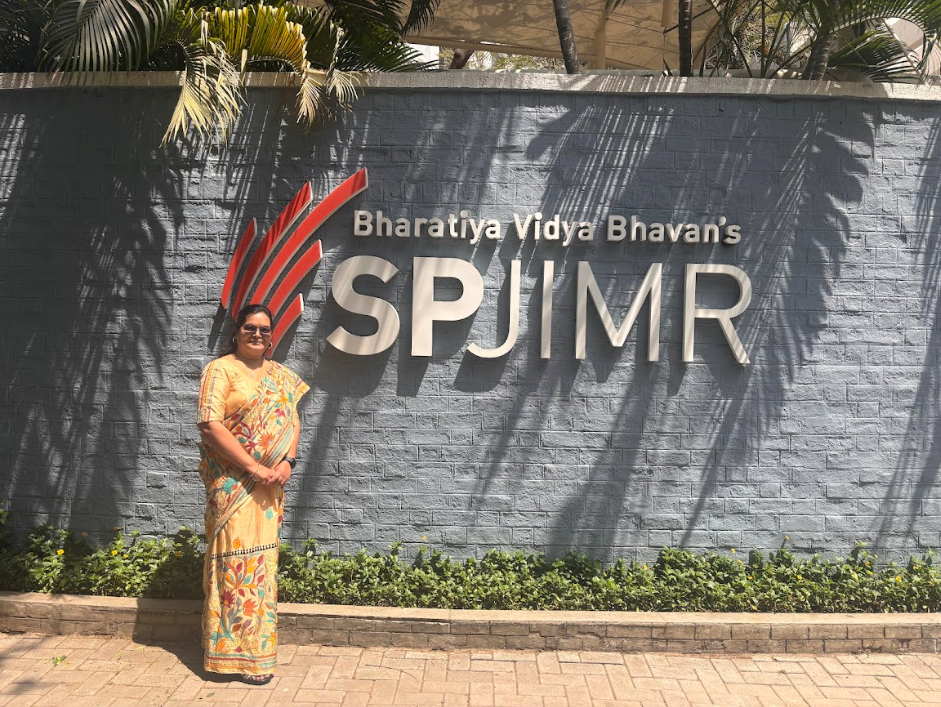
Arti Jain’s journey at SPJIMR demonstrates how deep industry experience, when combined with academic rigour and the right research environment, can evolve into meaningful scholarly work with real-world impact. Her story is especially relevant for professionals considering a transition into research while staying connected to societal challenges.
Reflecting on her transformative experience, Arti references the timeless wisdom of Lao Tzu: “A journey of a thousand miles begins with a single step.” To her, this initial step led to a “doctoral journey that is truly a path worth cherishing for every curious and determined mind.”
The early journey: From industry leadership to doctoral research
Arti Jain entered SPJIMR’s Fellow Programme in Management (FPM) with a strong technical and management foundation, holding a B. Tech in Electrical Engineering and a PGDM in Information Technology. This academic background served as a launchpad for her over two decades of experience across IT consulting, project management, and leadership roles in organisations such as Tata Interactive Systems, McGraw-Hill, and ICICI Infotech.
She joined the programme with a clear intent: to build on her industry experience and transition into structured, interdisciplinary research. In her own words, her decision was driven by two key factors: the institute’s strong reputation and the flexibility offered by the programme: “It’s one of the top business schools, and the FPM programme offered interdisciplinary flexibility to choose my own research topic.”
Hear from Arti Jain as she reflects on her research journey at SPJIMR
This combination of academic credibility and intellectual freedom made SPJIMR a natural choice for her doctoral journey.
She also acknowledges that stepping into the programme meant embracing uncertainty and significant unlearning: the journey demanded rebuilding her thinking from the ground up, something she now sees as central to her growth as a researcher. In her video, she details key insights about the research ecosystem at SPJIMR and how it supports FPM scholars.
Building foundations: Interdisciplinary learning and research flexibility
A defining aspect of Arti’s FPM experience has been the programme’s interdisciplinary approach. She was able to combine information management and strategy to explore complex, real-world problems through multiple lenses.
Her research interests reflect this breadth, spanning social innovation, business model innovation, and strategy within the social sector. The programme structure enabled her to pursue a research area she was deeply passionate about: technology-enabled social innovation in rural healthcare.
“I was very clear about the topic I wanted to work on, and the faculty and panel were very supportive from the beginning.”
This early alignment between scholarly interest and institutional support set the foundation for a focused and meaningful research journey.
Research ecosystem: Resources, exposure and continuous learning
Arti highlights that the FPM at SPJIMR provides a comprehensive research ecosystem that supports scholars at every stage.
From access to top journals and academic databases to workshops, faculty development programmes, and research forums, the programme is designed to build both capability and confidence.
“Everything is provided, from methodology to data collection to understanding current research topics.”
She also emphasises the role of academic forums such as brown bag seminars and faculty excellence discussions, which exposed her to diverse perspectives and sharpened her research thinking.
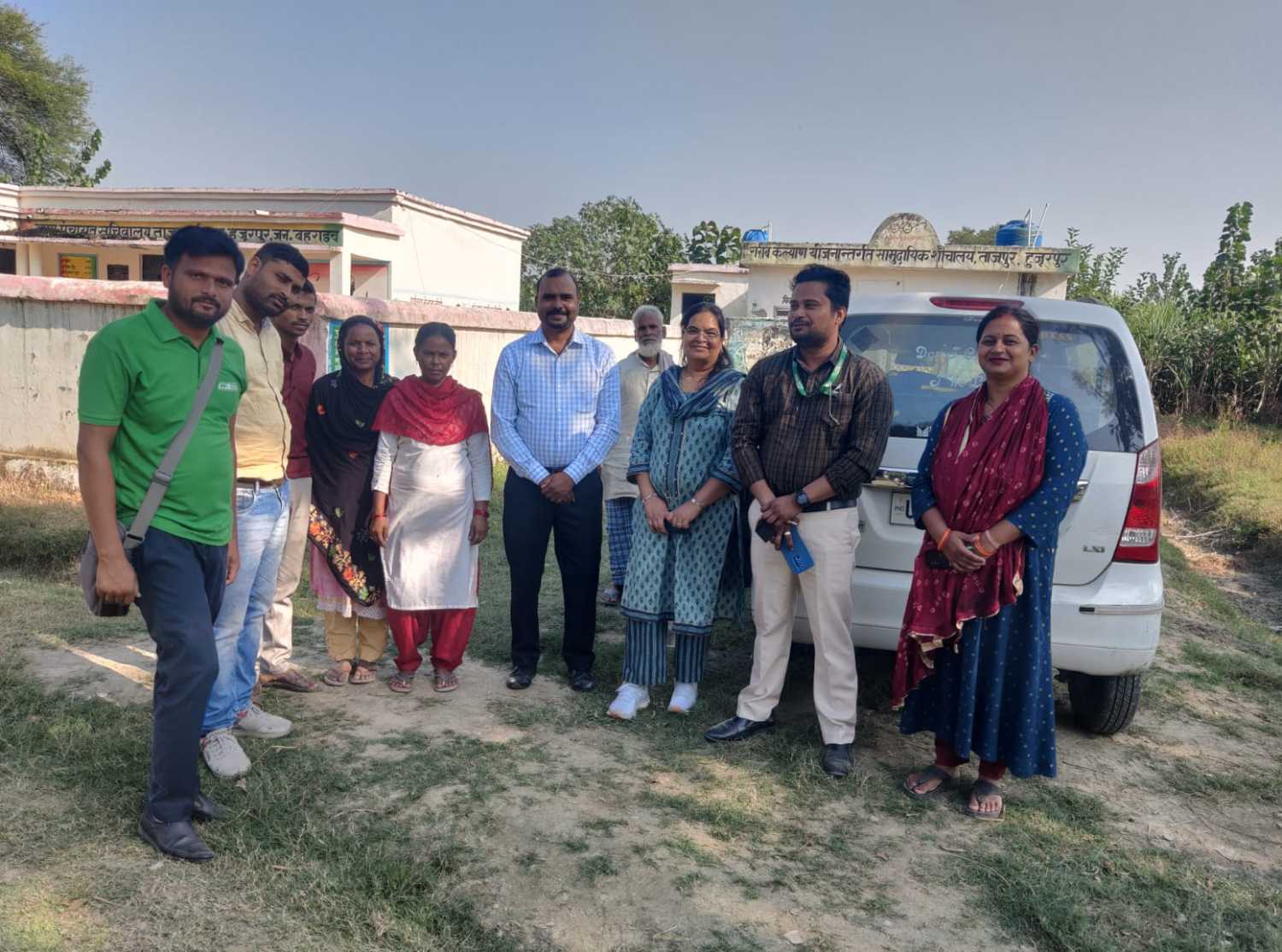
These platforms enabled her to continuously refine her ideas and stay engaged with evolving academic discourse.
Community and mentorship: Guidance that shapes research rigour
A consistent theme in Arti’s journey is the depth of faculty mentorship and institutional support.
She describes how guidance from her research supervisor and faculty members helped her understand the rigour required in academic research — from literature reviews and theory building to publishing.
“I learned how to get into the rigour of research, from data collection to building theory and publishing papers.”
This hands-on mentorship ensured that she not only developed technical research skills but also internalised the discipline and structure required to produce high-quality academic work.
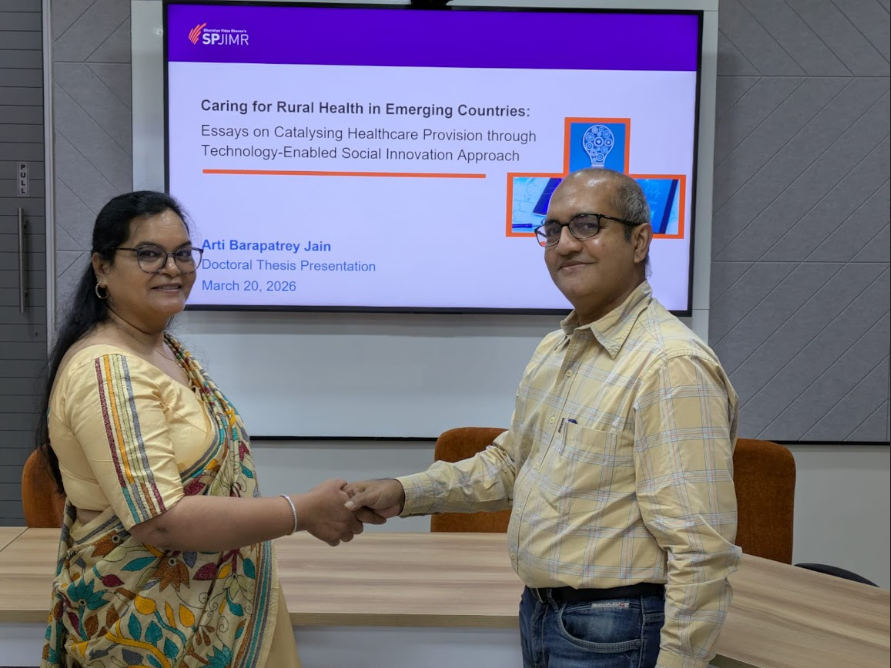
She also credits her broader academic support system (her guide, Prof. Bikramjit Ray Chaudhuri; co-guide, Prof. Ashutosh Jha; and thesis advisory committee members, Prof. Priya Seetharaman and Prof. Jyoti Jagasia) for helping her navigate moments of uncertainty and refine her research direction.
Growing as a researcher: From industry insight to societal impact
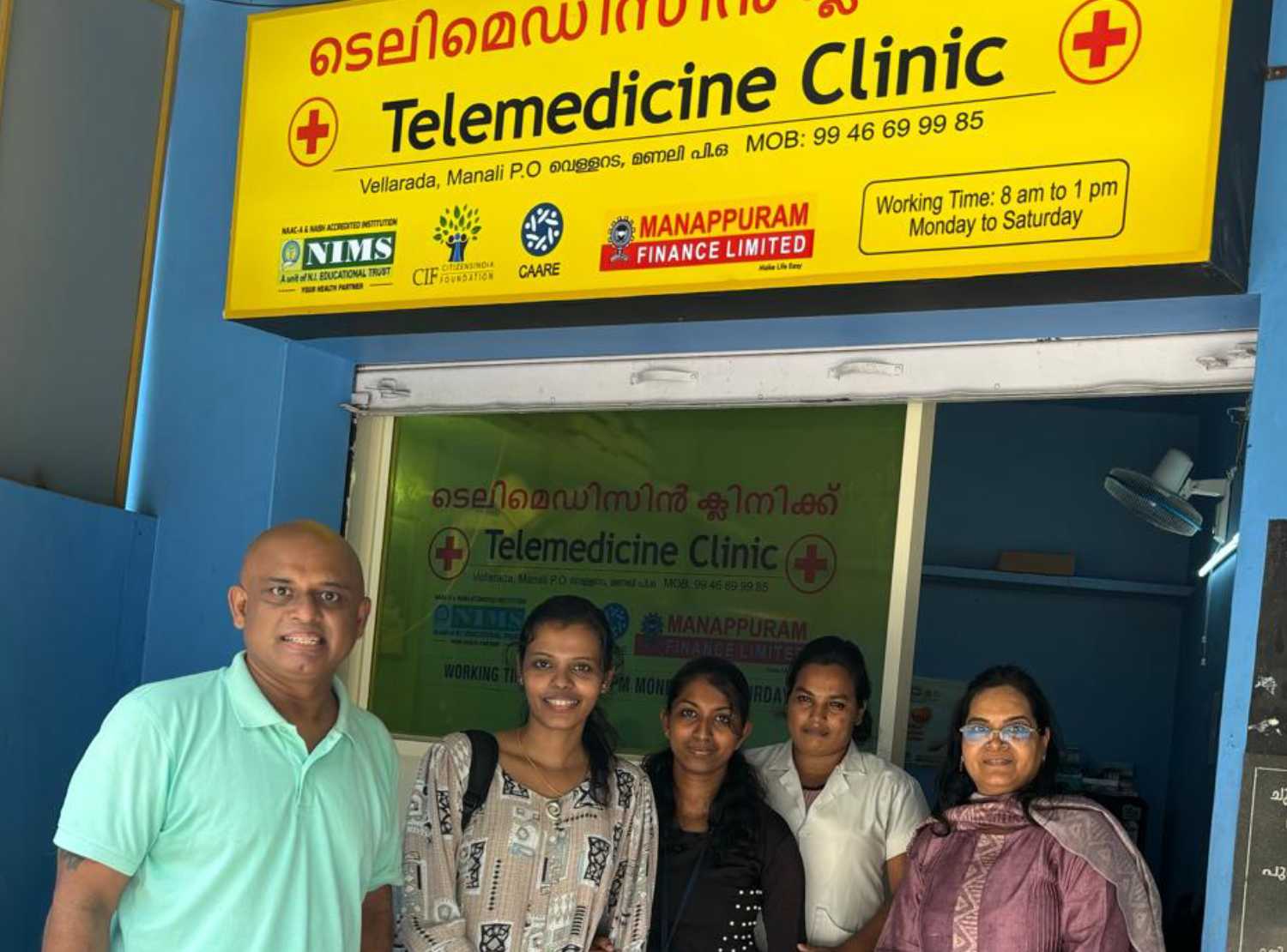
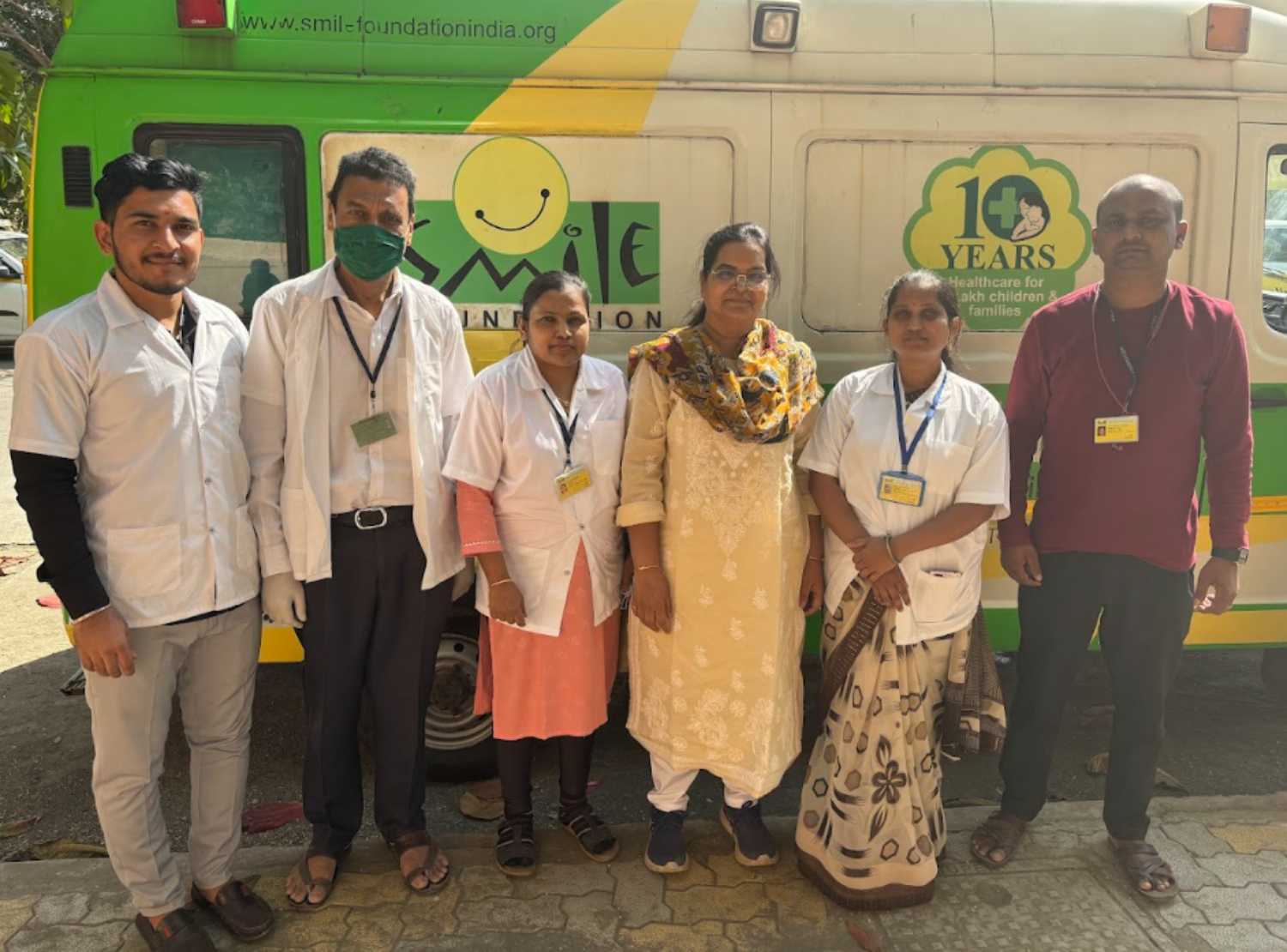
Arti’s research focuses on technology-enabled social innovation in rural healthcare, particularly in the Indian context where access to healthcare remains a significant challenge.
Her work sits at the intersection of strategy, technology, and social impact, reflecting both her industry background and the programme’s emphasis on relevant research. Her doctoral thesis, ‘Caring for Rural Health in Emerging Countries: Essays on Catalysing Healthcare Provision through Technology-Enabled Social Innovation Approach,’ brings structure to this work.
“My research looks at complex problems like rural healthcare, where technology can help reach the grassroots.”
A key outcome of this research rigour is the recent publication of her research, ‘Technology-enabled social innovations for enhancing emerging countries’ rural healthcare ecosystem: A grounded theory approach’, in Technovation. In 2024, she also published a book chapter with Palgrave Macmillan titled, ‘Diverse business models of socially oriented organisations in healthcare: Strengthening services provision for underserved populations’.
Both research papers, co-authored with her guide Prof. Bikramjit Ray Chaudhuri, provide concrete evidence of her research impact by examining how technology-driven models can improve healthcare access at the grassroots level. It also explores business model innovation in the social sector, including the transformation of traditional non-profits into social enterprises.
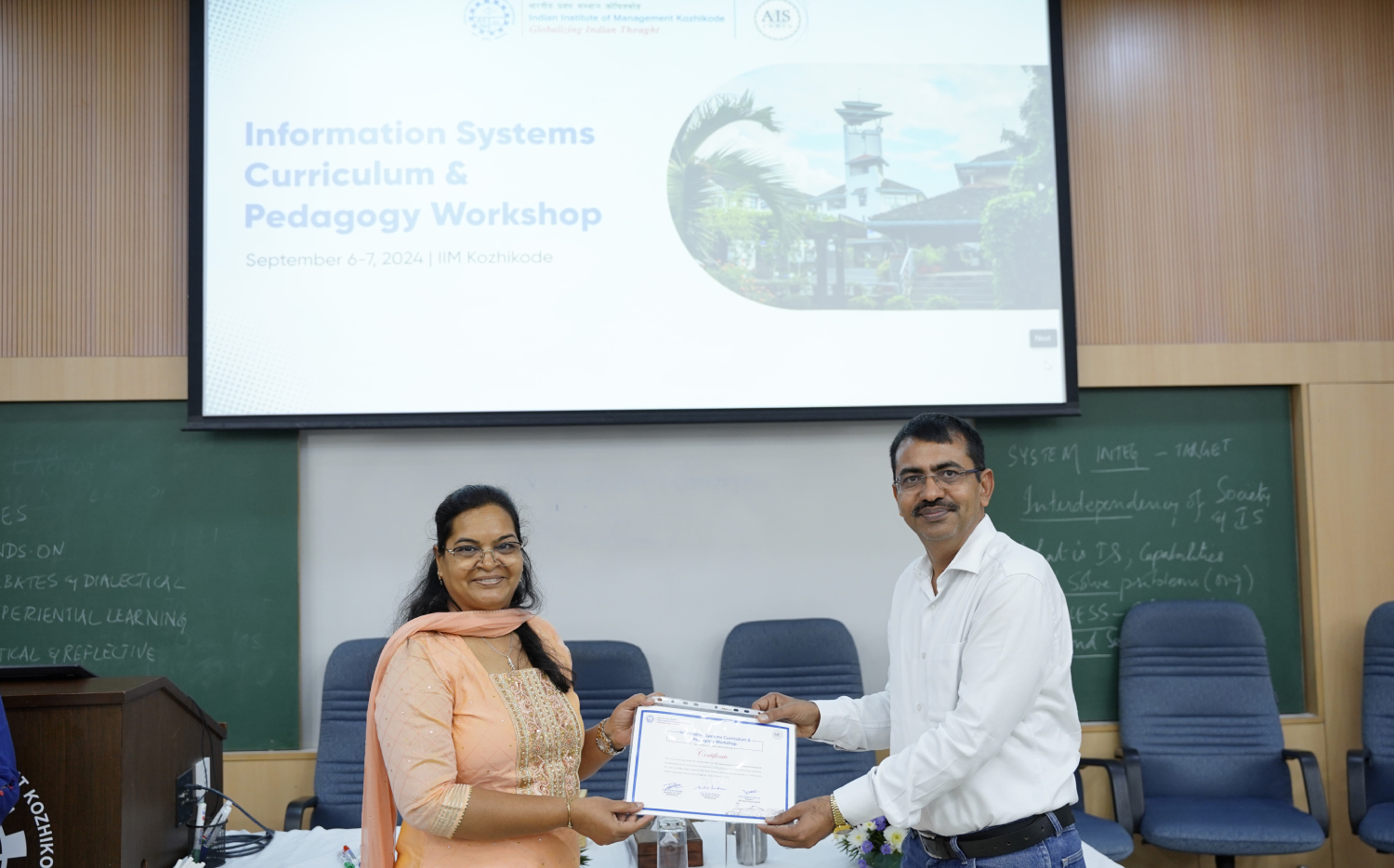
Arti’s exposure to global academic platforms further enriched her perspective. She has presented her work at leading international conferences, including the Strategic Management Society (SMS), the Academy of Management (AoM), and specialised healthcare conferences.
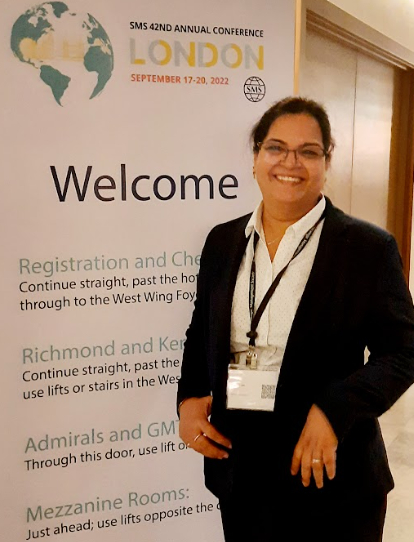
These experiences allowed her to compare global contexts, such as emerging markets like India and China, and understand how similar challenges manifest differently across geographies. “Different perspectives from conferences helped me think more clearly and explore nuances in my research.”
Global exposure and academic community: Expanding research horizons
Participation in international conferences not only strengthened her research but also helped her become part of a larger academic community. She highlights how engaging with scholars working on similar problems provided validation, new ideas, and motivation.
“It gave me validation that my research is contributing to knowledge that people are waiting for.”
This global exposure, combined with institutional support for conferences and fieldwork, played a critical role in shaping her academic identity.
What is most valuable about the FPM experience
Arti’s journey reflects how the FPM experience at SPJIMR is designed to support scholars holistically, academically, intellectually and professionally. At SPJIMR, this transformation is supported by:
- Interdisciplinary flexibility to pursue research across domains
- Strong faculty mentorship and continuous academic guidance
- Access to global research databases, journals, and academic resources
- Platforms such as seminars and forums to refine research thinking
- Funding and support for conferences, fieldwork, and global exposure
- An ecosystem that encourages research aligned with societal impact
What this means for aspirants: When FPM might be the right path
For professionals with substantial industry experience who wish to transition into research, Arti’s journey offers a clear signal. The FPM at SPJIMR is particularly suited for those who:

Want to pursue interdisciplinary research on complex, real-world problems

Seek flexibility in defining their research area and questions

Value strong mentorship and a structured research environment

Aim to contribute to both academic knowledge and societal outcomes
Arti’s journey from industry to research impact
Arti’s experience offers several key takeaways for prospective scholars:
- Industry experience can be a powerful foundation for meaningful academic research
- Interdisciplinary thinking enables deeper understanding of complex problems
- Access to the right resources and mentorship accelerates research capability
- Global exposure enriches perspective and strengthens research quality
- Research impact increases when it is rooted in real-world challenges and societal needs
Stepping into research with purpose
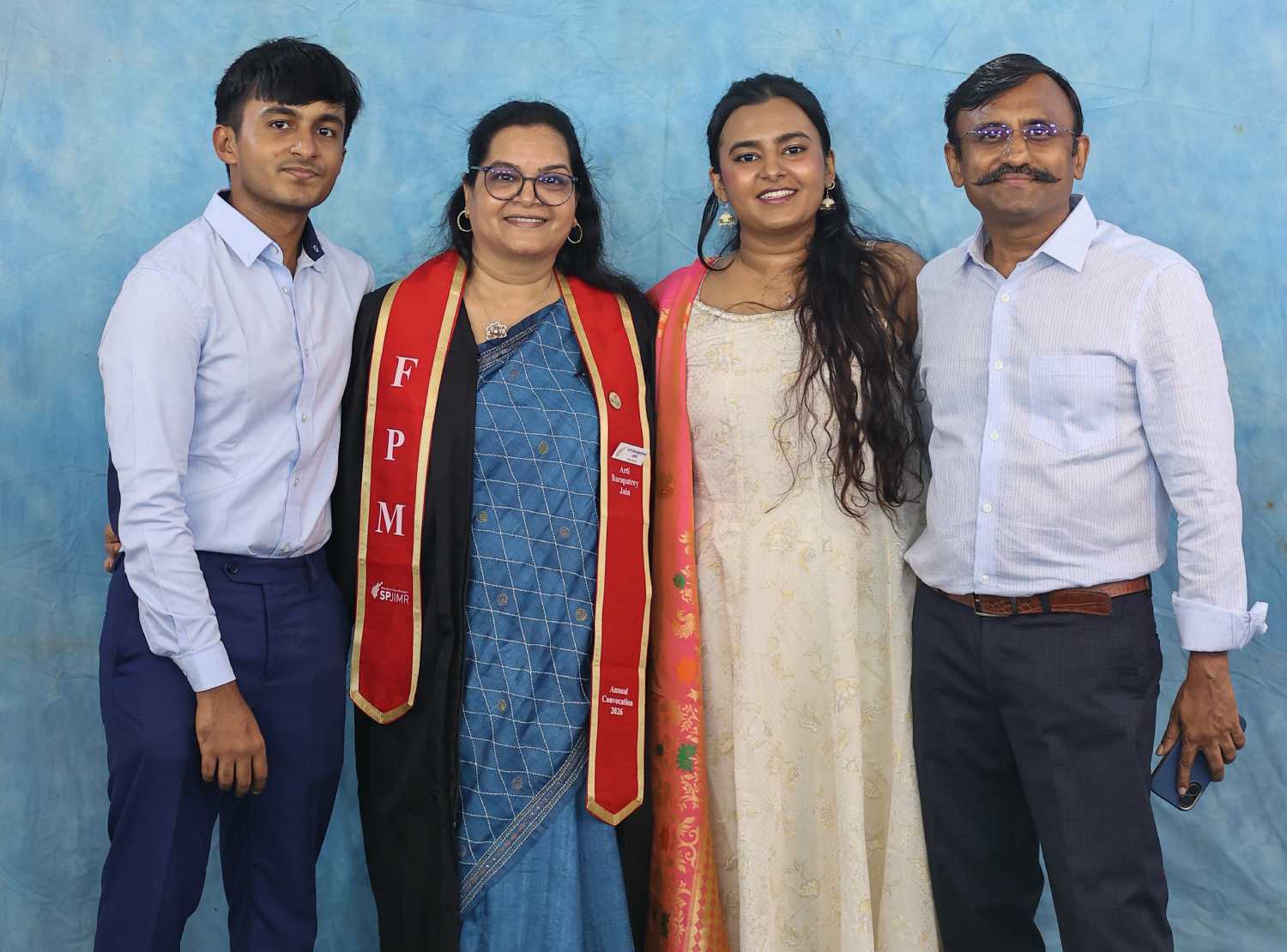
Arti Jain’s FPM journey at SPJIMR shows that the transition from industry to academia is not just possible, but powerful when supported by the right ecosystem.
Her experience highlights how structured academic training, combined with flexibility and mentorship, can enable scholars to work on complex problems and contribute meaningfully to both knowledge and society.
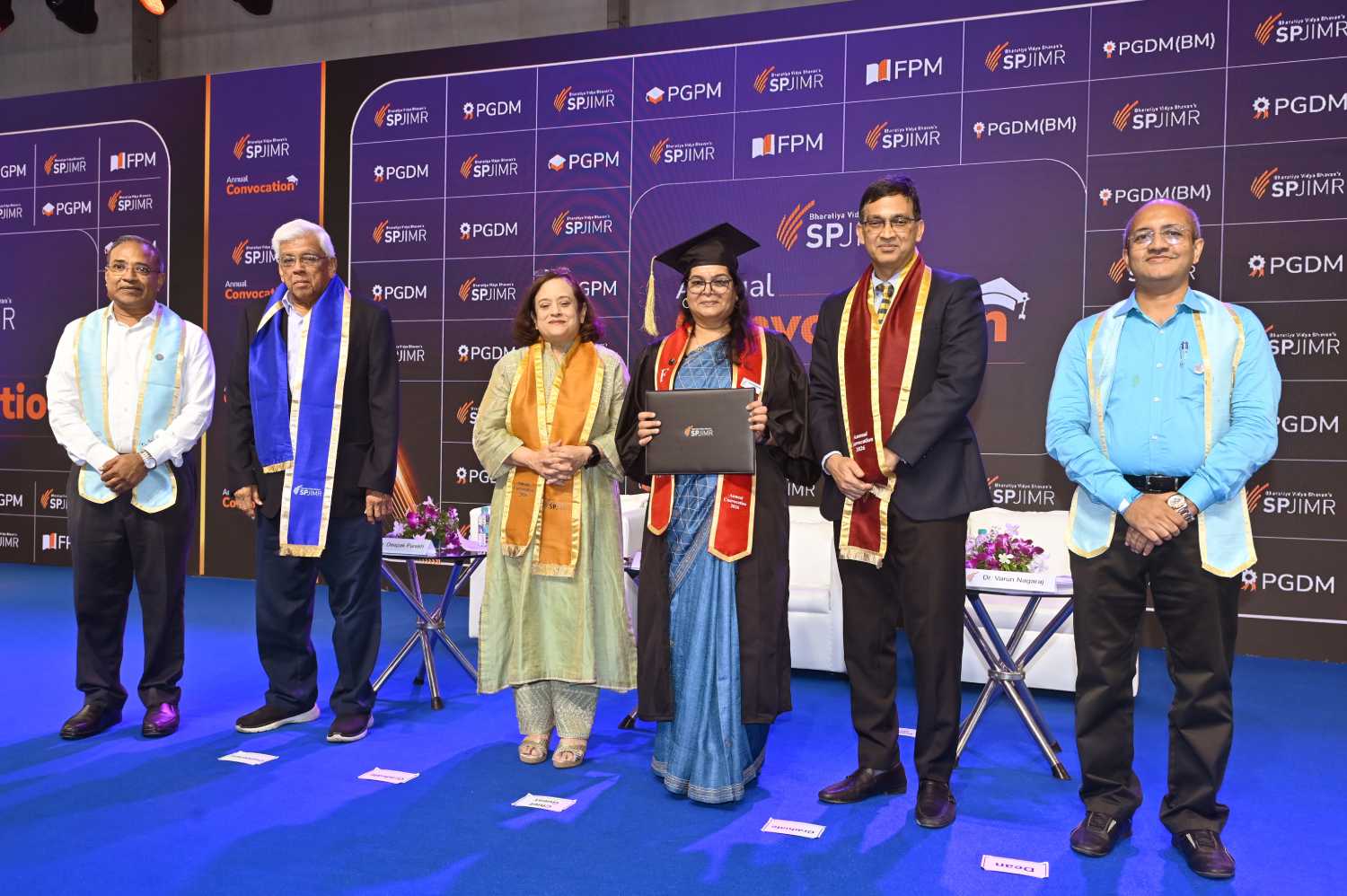
She has successfully defended her doctoral thesis, marking the culmination of a deeply enriching journey and the beginning of a new phase focused on continued research and exploration.
For those considering a research-driven path in management, her journey offers a compelling example of how purpose, rigour, and support can come together to create lasting impact.
Register your interest for this programme
Please fill in the following details