TaSIC 2026: Navigating the ‘Aspiration Paradox’

February 20-21, 2026

The second edition of the Technology and Societal Impact Conference (TaSIC) 2026 was convened at the S.P. Jain Institute of Management & Research (SPJIMR), Mumbai, on February 20–21, 2026. Since its founding in 1981, SPJIMR has been dedicated to shaping management practices that serve the greater good of society. TaSIC 2026 continues this legacy by serving as a premier platform for scholars, practitioners, and institutional leaders to navigate the complex intersections of technology, markets, and social responsibility.

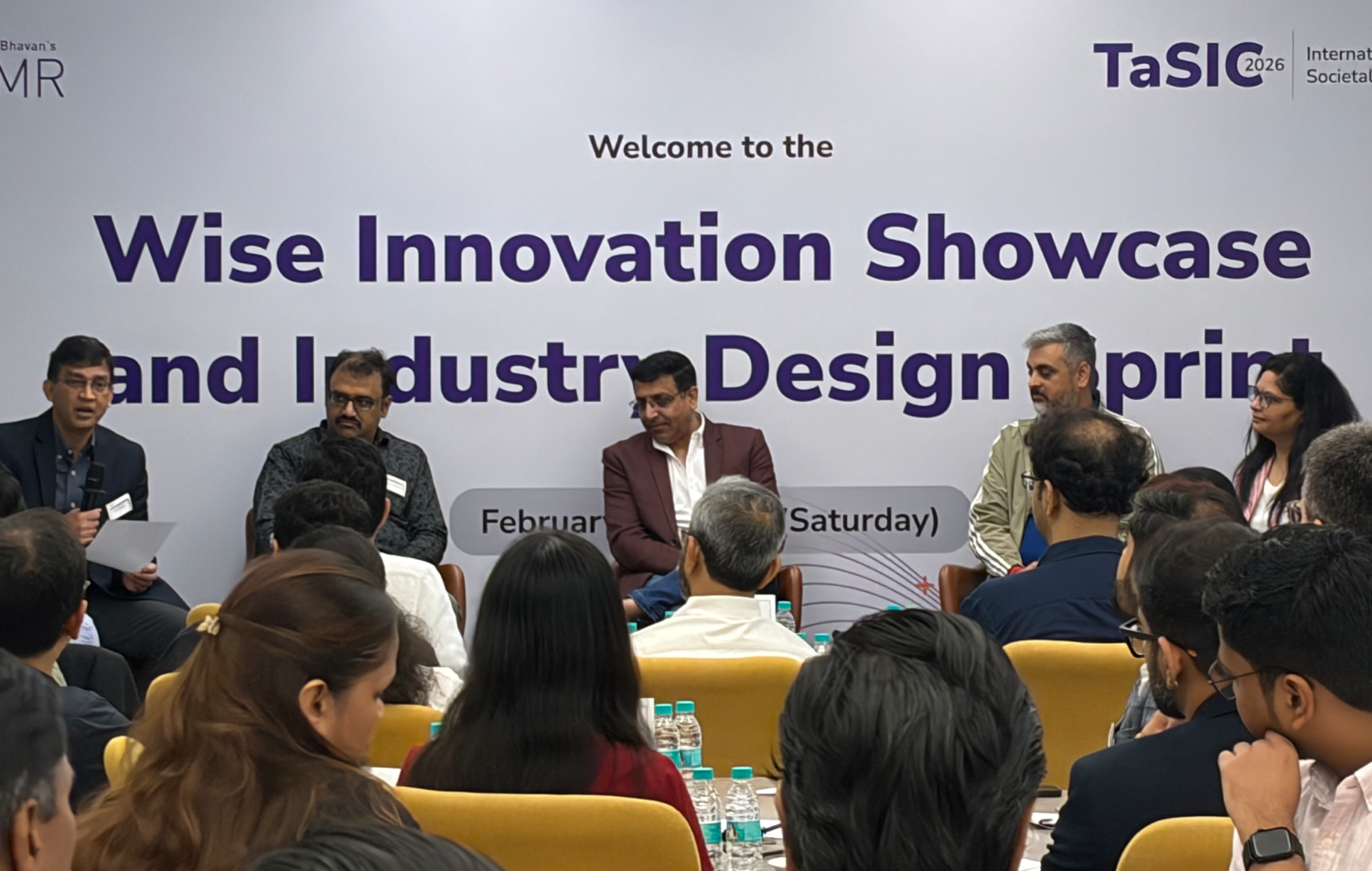
The conference addressed a critical inquiry for the nation’s development: ‘How might India meet the growing aspirations of its consumers responsibly and sustainably?’ In his opening address, Dean Varun Nagaraj introduced the ‘Aspiration Paradox’, elaborating on the inherent tension between the escalating demands of a growing consumer class and the urgent necessity for sustainable, ethical business frameworks. To address this, the conference was designed as an “Academic–Practice Sprint,” moving beyond traditional scholarly exchange to co-create actionable insights. The event demonstrated significant reach, engaging over 300 academics, doctoral scholars, and industry practitioners in a collaborative effort to inform future policy and practice.

Day 1: Academic Plenary: Research-led Perspectives

Scaling moral markets

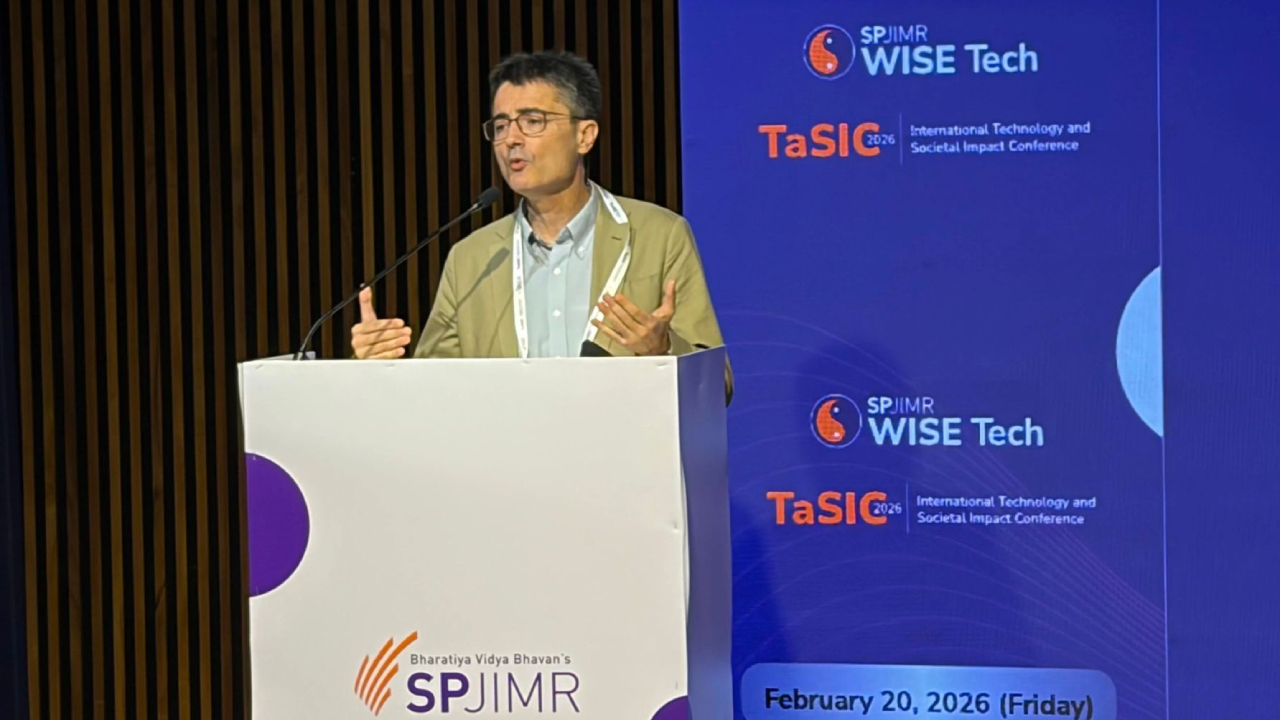
Prof. Joan Rodón Mòdol

Prof. Joan Rodón Mòdol, Full Professor in the Department of Data, Analytics, Technology and Artificial Intelligence and Deputy General Director at Esade, examined how ethical, value-driven markets can expand without compromising their founding missions.

Key takeaways

  • The scaling conflict: While conventional markets reward self-interest, moral markets prioritise collective welfare, creating a natural tension during expansion.
  • Frame overlapping: Successful scaling requires three specific mechanisms: amplification, bridging, and extension of moral frameworks.
  • Architecture of growth: Using the guifi.net community-driven internet model, Prof. Mòdol illustrated a three-layer growth architecture that facilitates a “purpose-preserving growth loop.”
  • Governance and integrity: Expansion reinforces rather than dilutes purpose through institutionalised framing, clear governance, and continuous reflection.

The H.E.R.O.E.S. framework in marketing

Prof. Matteo Montecchi

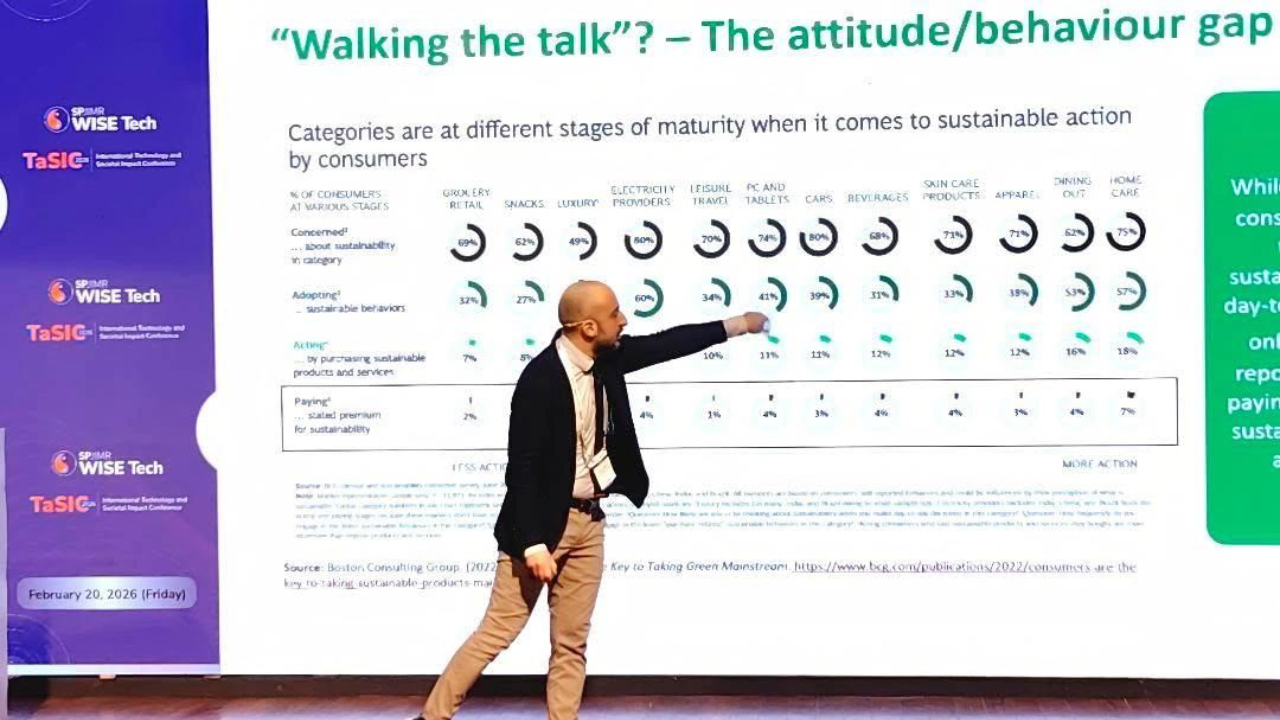
Prof. Matteo Montecchi, Associate Professor of Marketing at King’s Business School, King’s College London, addressed the ‘attitude/behaviour gap’—the discrepancy between consumers’ environmental intentions and their actual purchasing habits.

Key takeaways

  • The sustainability myth: Awareness is insufficient for change; psychological ‘dragons of inaction’ and systemic ‘pluralistic ignorance’ act as significant barriers to collective effort.
  • The H.E.R.O.E.S. framework: A strategic path forward defined by:
    • Holistic integration: Breaking silos through cross-functional collaboration.
    • Ethical practices: Prioritising transparency and core purpose.
    • Regenerative efforts: Shifting from “do no harm” to active restoration.
    • Openness to innovation: Embracing new technological and social models.
    • Empathetic engagement: Validating the lived experiences of diverse consumers.
    • Storytelling: Utilising narrative for representation and trust-building.

Inclusive ICT design for ageing populations

Prof. Khaled Hassanein

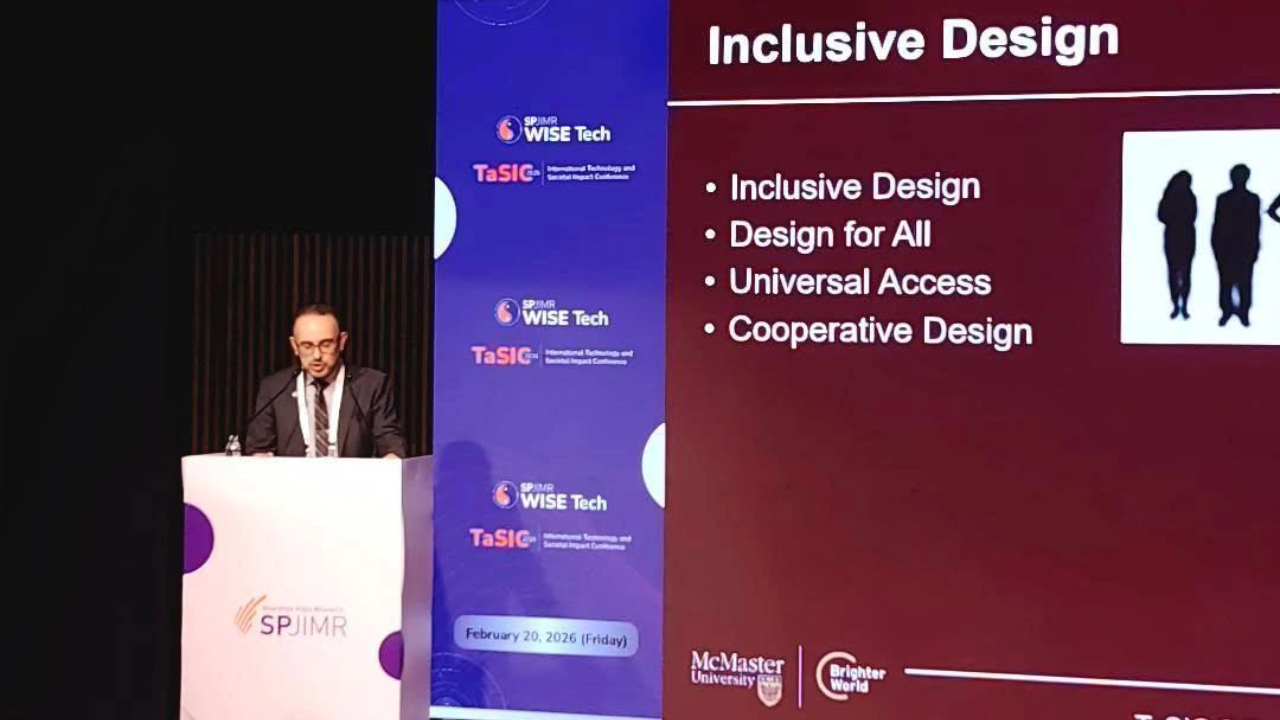
Prof. Khaled Hassanein, Dean of the DeGroote School of Business, McMaster University, advocated for the intentional design of Information and Communication Technology (ICT) for the elderly.

Key takeaways

  • The co-design Mandate: Inclusive design is an ethical necessity that requires active participation from older adults to ensure solutions are empowering and usable.
  • Strategic ROI: As a diverse and rapidly growing demographic, older adults represent a significant market; ignoring them excludes decades of wisdom and a major economic opportunity.
  • Methodological rigour: Interdisciplinary research and proper methodologies are essential to bridge the digital divide for ageing populations.

Sustainable and circular value chains

Prof. Edward Sweeney

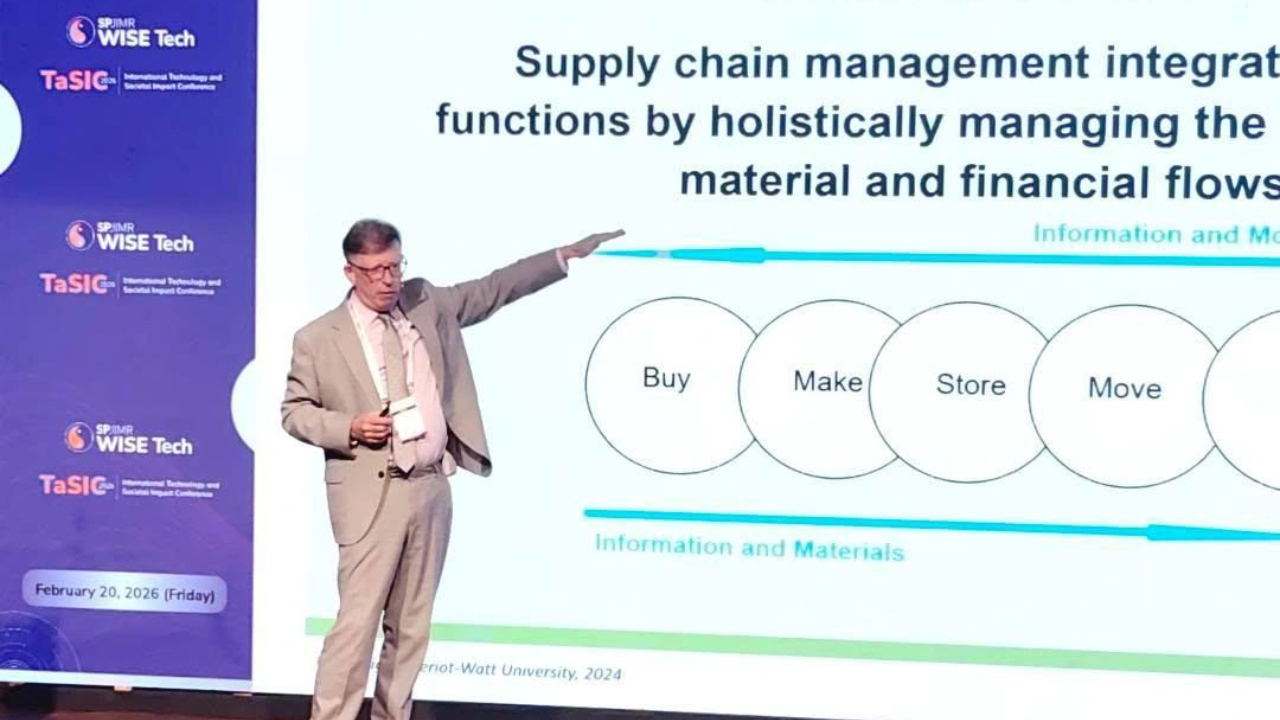
Prof. Edward Sweeney, Deputy Executive Dean of Edinburgh Business School, Heriot-Watt University, presented the “integration mandate” for modern Supply Chain Management (SCM).

Key takeaways

  • Navigating VUCA: Modern supply chains must move beyond functional isolation to a holistic management of material, information, and financial flows within the “new normal” of Volatility, Uncertainty, Complexity, and Ambiguity.
  • Logistics as a national pillar: In India, logistics is a $200 billion sector (13–14% of GDP), making its efficiency vital for societal well-being.
  • The 10 C approach: A comprehensive strategy for decarbonization focused on cutting emissions and offsetting carbon within logistics operations.
  • Grassroots circularity: Success depends on indigenous solutions to local problems and collaborative co-creation between large firms, SMEs, and academia.

Plenary roundtable

Plenary roundtable

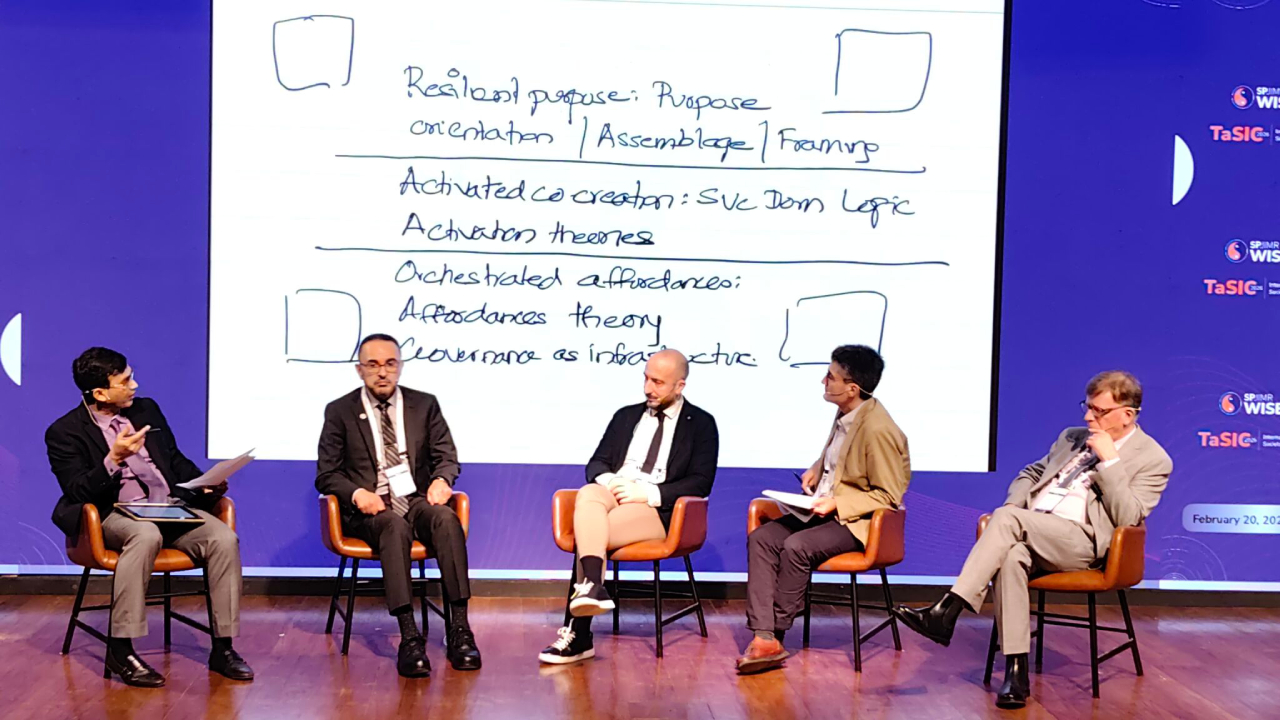
The session concluded with a strategic dialogue where the four plenary speakers and Dean Nagaraj integrated these perspectives. The roundtable explicitly bridged the ‘Functional Isolation’ of supply chains with the ‘Moral Scaling’ of markets, concluding that ethical market design and responsible engagement are the primary safeguards for long-term societal value.

Research Paper Presentations

Day 1 featured five thematic tracks, showcasing 40 accepted papers and fostering rigorous scholarly dialogue between chairs, discussants, and presenters.

  • Track 1: Sustainable consumer well-being

    This track examined how digital innovations both enhance and undermine psychological and social welfare, reshaping the landscape of modern consumption.

    Track chair

    Sukriti Sekhri Gupta

    Sukriti Sekhri Gupta

    Assistant Professor, Marketing, SPJIMR

    Know more

    Discussant

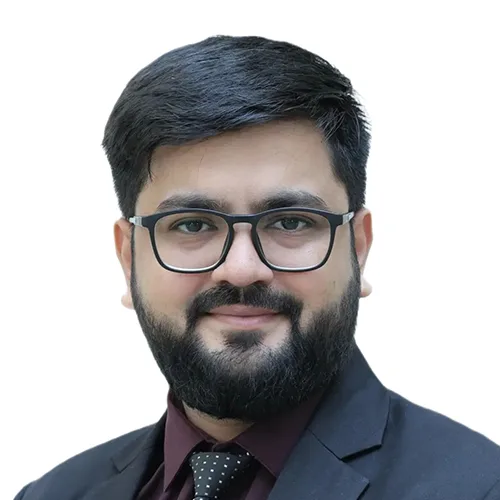
    Shivan Patel

    Shivan Patel

    Assistant Professor, Marketing, SPJIMR

    Know more

    Research papers
    Paper Title Author(s) Presentation Mode
    Antecedents of borrower self-sufficiency in microfinance institutions: Evidence from low-income borrowers in Tamil Nadu Daniel Selvaraj.I (Presenter), Nandhini SP, Aabirah Shifana R & Manjula N Online
    Waiting for sustainability: How joint evaluation of wait times influences selection of sustainable consumption options Middela Mounisai Siddartha, Shanmuga Priya & Akshaya Vijayalakshmi (Presenter) Online
    Parasocial relationships and trust formation in virtual influencer marketing: A systematic literature review Blanka Szecsei Online
    Device-based algorithmic pricing and consumer betrayal: A multi-group analysis of Android vs iOS users’ platform switching intentions Aakash Kamble (Presenter), Vilis Pawar In-person
    Why Gen-Z dines with the camera first: Insights from Instagram-friendly phygital restaurants Subhojit Sengupta (Presenter) &
    Aruditya Jasrotia
    In-person
    Human or artificial care? Consumer acceptance of AI versus human counselors in alleviation of emotional and social loneliness Raghuram R (Presenter) & Ashita Aggarwal In-person

  • Track 2: Digital transformation and inclusion

    Discussions centred on the design and governance of Digital Public Infrastructure (DPI) and AI, emphasising equity, trust, and accountability in digital ecosystems.

    Track Co-chairs

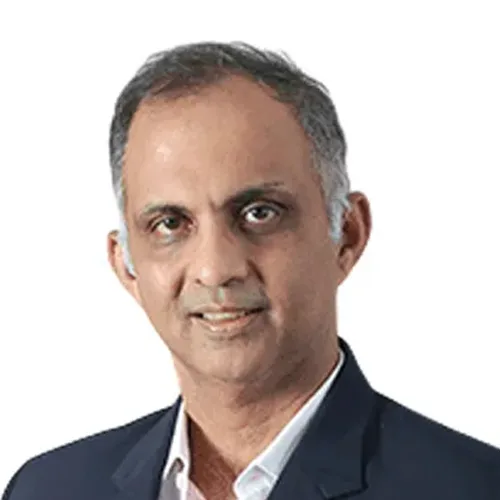
    Ashish Desai

    Ashish Desai

    Associate Professor, Information Management and Analytics, SPJIMR

    Know more

    Sana Ansari

    Sana Ansari

    Assistant Professor, Information Management and Analytics, SPJIMR

    Know more

    Discussants

    C. Deep Prakash

    C. Deep Prakash

    Assistant Professor, Information Management and Analytics, SPJIMR

    Know more

    Abhishek Kumar Jha

    Abhishek Kumar Jha

    Assistant Professor, Information Management and Analytics, SPJIMR

    Know more

    Research papers
    Paper Title Author(s) Presentation Mode
    The paradox of design: Balancing standardization and radical innovation in new technology Unnikrishnan Nair (Presenter) & Hariprasauth Ramamoorthy Online
    A comprehensive AI pipeline for speaker diarization, transcription, and summarization of online meetings Veenu (Presenter), Aaditya Sabnis, Yash Chanda & Shiven Jindal Online
    Kanata business drivers: scaling AI-enabled gamification without losing strategic differentiation Abhijeet Singh (Presenter) & Abhinava Singh Online
    Precision agritech adoption among Indian small land holding farmers: a qualitative fsQCA study Jyoti Jagasia (Presenter), Milind Kamat &
    Srishti Chhatwal
    In-person
    Beneath the browsing silence: diagnostic meta-analysis of cyberloafing and OCB patterns among digital generations Pravin Kamble (Presenter), Vijayalakshmi V & Kamalanabhan T J In-person
    AI for social good in higher education: a systematic review of equity and inclusion research past, present, and future research agenda Jyoti Jagasia, Milind Kamat, Shailaja Jha (Presenter) & Uchita Bakshani In-person

  • Track 3: Circularity and sustainability of supply chains

    Research focused on sustainable operations in emerging economies, specifically examining the regulatory and technological contexts of circular business models.

    Track chair

    Sajeev A. George

    Sajeev A. George

    Professor, Operations, Supply Chain Management and Quantitative Methods, SPJIMR

    Know more

    Discussants

    Nachiketas Waychal

    Nachiketas Waychal

    Assistant Professor, Operations, Supply Chain Management and Quantitative Methods, SPJIMR

    Know more

    Disha Bhanot

    Disha Bhanot

    Associate Professor, Operations, Supply Chain Management and Quantitative Methods, SPJIMR

    Know more

    Research papers
    Paper Title Author(s) Presentation Mode
    Pathways from policy to practice: Fulfilling extended producer responsibility for plastic packaging in India Mukesh Kripalani (Presenter), Hasmukh Gajjar & Bipul Kumar In-person
    Closed loop supply chains for sustainable business through supply chain finance: insights from India an emerging economy Vikram Hande (Presenter) & Madhavi Ishwar Dhole In-person
    Green but unequal? technology and social paradoxes in informal recycling systems Akansha Misra (Presenter), Shivanee Pethe (Presenter) & Mukesh Kripalani In-person
    Sustainable business model innovation: a systematic literature review Ravi Roshan (Presenter) & Krishna Balodi In-person
    The electric vehicle paradox in developing economies: Pathways to decarbonisation through a systems thinking lens Mukesh Kripalani (Presenter) & Samrat Bagchi (Presenter) In-person

  • Track 4: Sustainable finance and financial innovation

    This track explored mobilising capital for inclusive outcomes and the role of Fintech in reshaping market governance.​​

    Track chair

    Rajdeep Sharma

    Rajdeep Sharma

    Assistant Professor, Finance and Accounting, SPJIMR

    Know more

    Discussants

    Vidhu Shekhar

    Vidhu Shekhar

    Associate Professor, Finance and Accounting, SPJIMR

    Know more

    Vedika Saxena

    Vedika Saxena

    Assistant Professor, Finance and Accounting, SPJIMR

    Know more

    Research papers
    Paper Title Author(s) Presentation Mode
    Global risk factors and speed of adjustment of corporate cash holdings Radha Agrawal (Presenter), Prateek Bedi & Adarsh Arora Online
    How ERM practices impact the internal control mechanism in the Indian insurance sector Purnima Rao (Presenter), Sonjai Kumar &
    Arunima Haldar
    Online
    Long-run BRICS-GHG dynamics: quantifying the shifting roles of innovation, economic growth, financial development, and oil prices Vaishali S. Dhingra (Presenter) In-person
    A study on self-awareness and sustainable banking practices among education sector personnel Darshana Pednekar (Presenter) & Gayatri Ravi Magi (Presenter) In-person
    From compliance to strategy? structural barriers to ESG integration Shishir Mishra (Presenter), Gayatri Mayee, Bhargavi Karamcheti &
    Arunima Haldar
    Online
    From mobile banking to fintech: a systematic PRISMA-based bibliometric (literature) review of digital banking trends (2003–2025) Bandita Nikam (Presenter) & Lavakush Shivbali Singh In-person
    The impact of regulatory shortening of IPO listing period on Indian market dynamics Saurabh Mehta (Presenter) &
    Avinash Ghalke
    In-person

  • Track 5: Leadership, technology, and the future of work

    Scholars examined human-centred leadership practices that foster

    Track chair

    Vineeta Dwivedi

    Vineeta Dwivedi

    Associate Professor, Organisation and Leadership Studies, SPJIMR

    Know more

    Discussants

    Tanvi Mankodi

    Tanvi Mankodi

    Assistant Professor, Organisation and Leadership Studies, SPJIMR

    Know more

    Karman Khanna

    Karman Khanna

    Assistant Professor, Organisation and
    Leadership Studies

    Know more

    Research papers
    Paper Title Author(s) Presentation Mode
    Global risk factors and speed of adjustment of corporate cash holdings Radha Agrawal (Presenter), Prateek Bedi & Adarsh Arora Online
    How ERM practices impact the internal control mechanism in the Indian insurance sector Purnima Rao (Presenter), Sonjai Kumar &
    Arunima Haldar
    Online
    Long-run BRICS-GHG dynamics: quantifying the shifting roles of innovation, economic growth, financial development, and oil prices Vaishali S. Dhingra (Presenter) In-person
    A study on self-awareness and sustainable banking practices among education sector personnel Darshana Pednekar (Presenter) & Gayatri Ravi Magi (Presenter) In-person
    From compliance to strategy? structural barriers to ESG integration Shishir Mishra (Presenter), Gayatri Mayee, Bhargavi Karamcheti &
    Arunima Haldar
    Online
    From mobile banking to fintech: a systematic PRISMA-based bibliometric (literature) review of digital banking trends (2003–2025) Bandita Nikam (Presenter) & Lavakush Shivbali Singh In-person
    The impact of regulatory shortening of IPO listing period on Indian market dynamics Saurabh Mehta (Presenter) &
    Avinash Ghalke
    In-person

Recognition of academic excellence: Best Paper Awards

The TaSIC 2026 Best Paper Awards recognised research demonstrating exceptional theoretical rigour and potential for real-world impact.
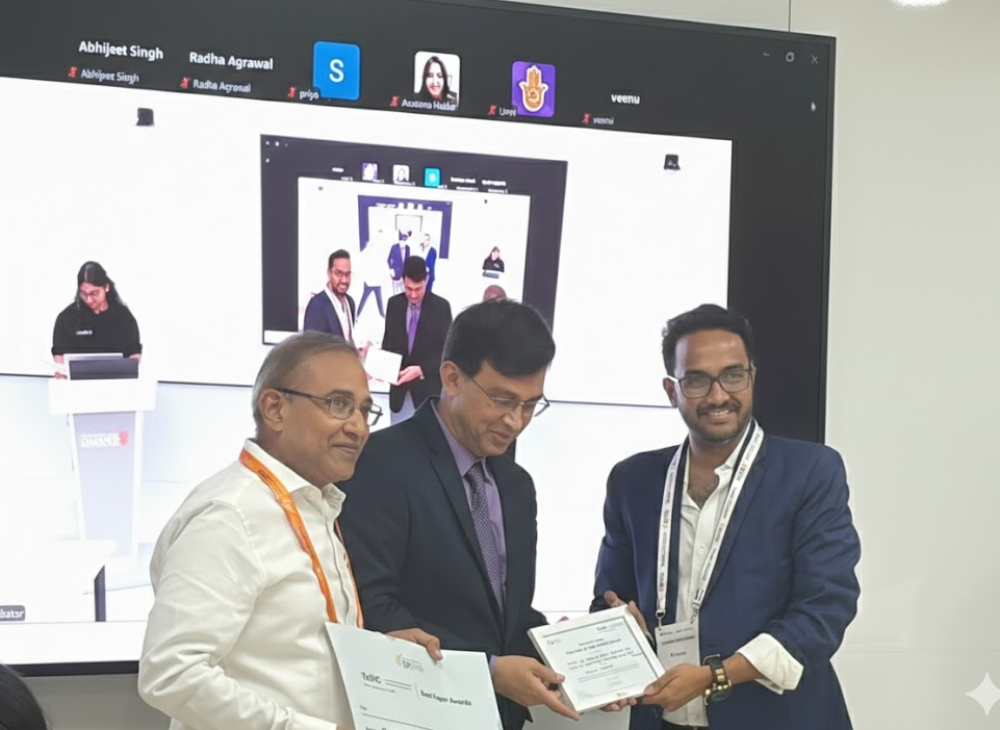
Robustness and generalisability of evidence

Beneath the browsing silence: diagnostic meta-analysis of cyberloafing and OCB patterns among digital generations by Pravin Kamble, Vijayalakshmi V., and Kamalanabhan T.J.

Conceptualisation

“How subtle was it?”: role of intensity of workplace incivility and HRM system in observer’s response to incivility by Bhumi Trivedi and Aditya Moses

Novelty and originality

Why Gen-Z dines with the camera first: Insights from Instagram-friendly phygital restaurants by Subhojit Sengupta and Aruditya Jasrotia

Theorising and
empirical rigour

Long-run BRICS-GHG dynamics: quantifying the shifting roles of innovation, economic growth, financial development, and oil prices by Vaishali S. Dhingra

Day 2: Industry design sprint: Co-creating actionable prescriptions

Day 2 featured an executive-level Design Sprint to generate strategic inputs for the SPJIMR policy paper, ‘India 2026: Prescriptions for Meeting Growing Aspirations Sustainably and Responsibly.’

Nearly 50 ‘sprinters’, including faculty, senior alumni and industry leaders, worked in cross-sector teams of five to surface ‘experienced judgment’. This methodology allowed for a high-intensity synthesis of practitioner insights to solve the ‘Aspiration Paradox’. Panel included:

  • Deepak Iyer (EVP and President, AMEA, Mondelēz International)
  • Manjari Upadhye (CMO, Mahindra & Mahindra Automotive)
  • Subramanian Chidambaran (Chief Strategy and Sustainability Officer, Cummins India)
  • Sunil Kataria (CEO and MD, Godrej Agrovet)
  • Suraj Saharan (Co-founder, Delhivery)
  • Venu Nair (Chief of Strategic Partnerships, Myntra)

Wise innovation showcase

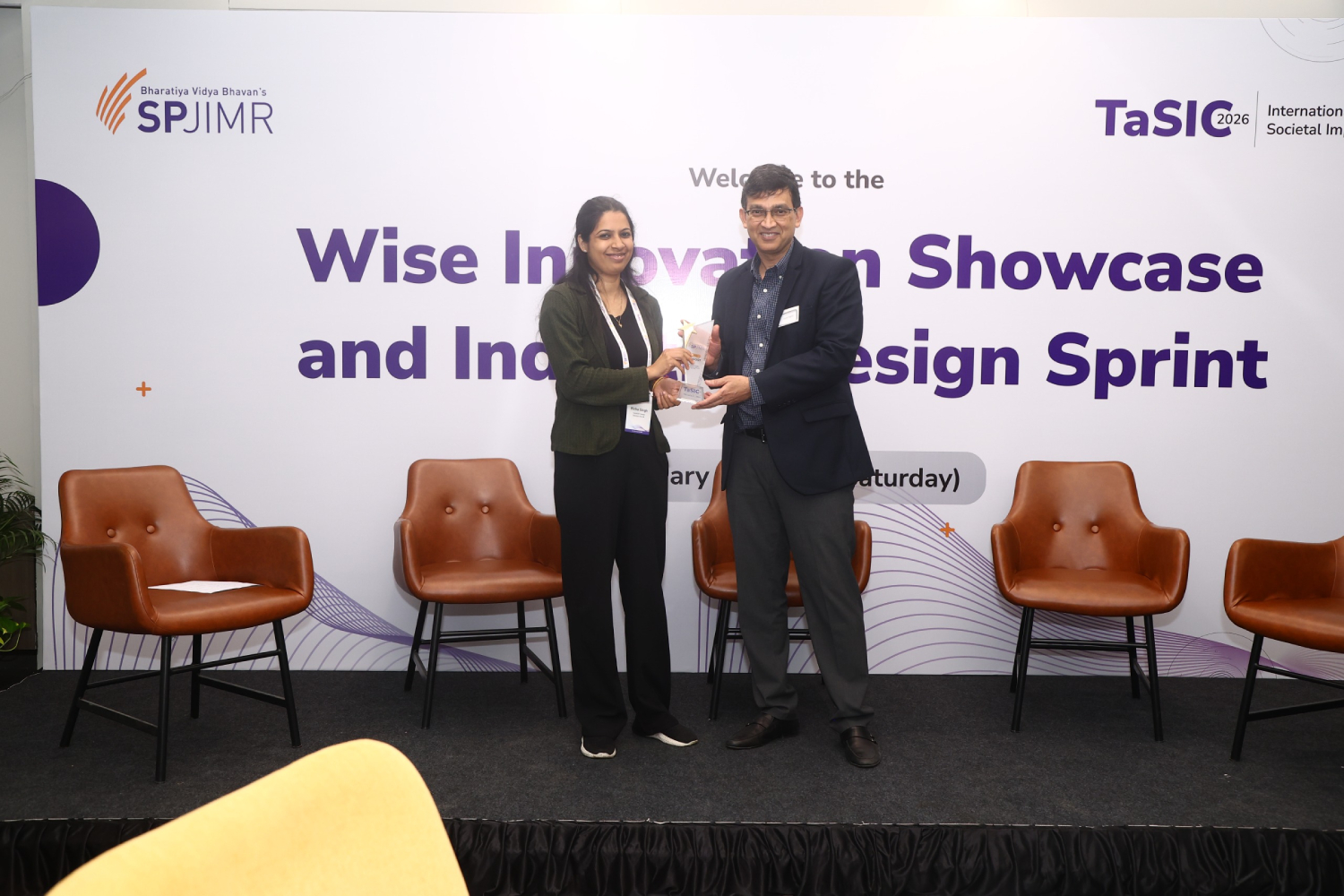
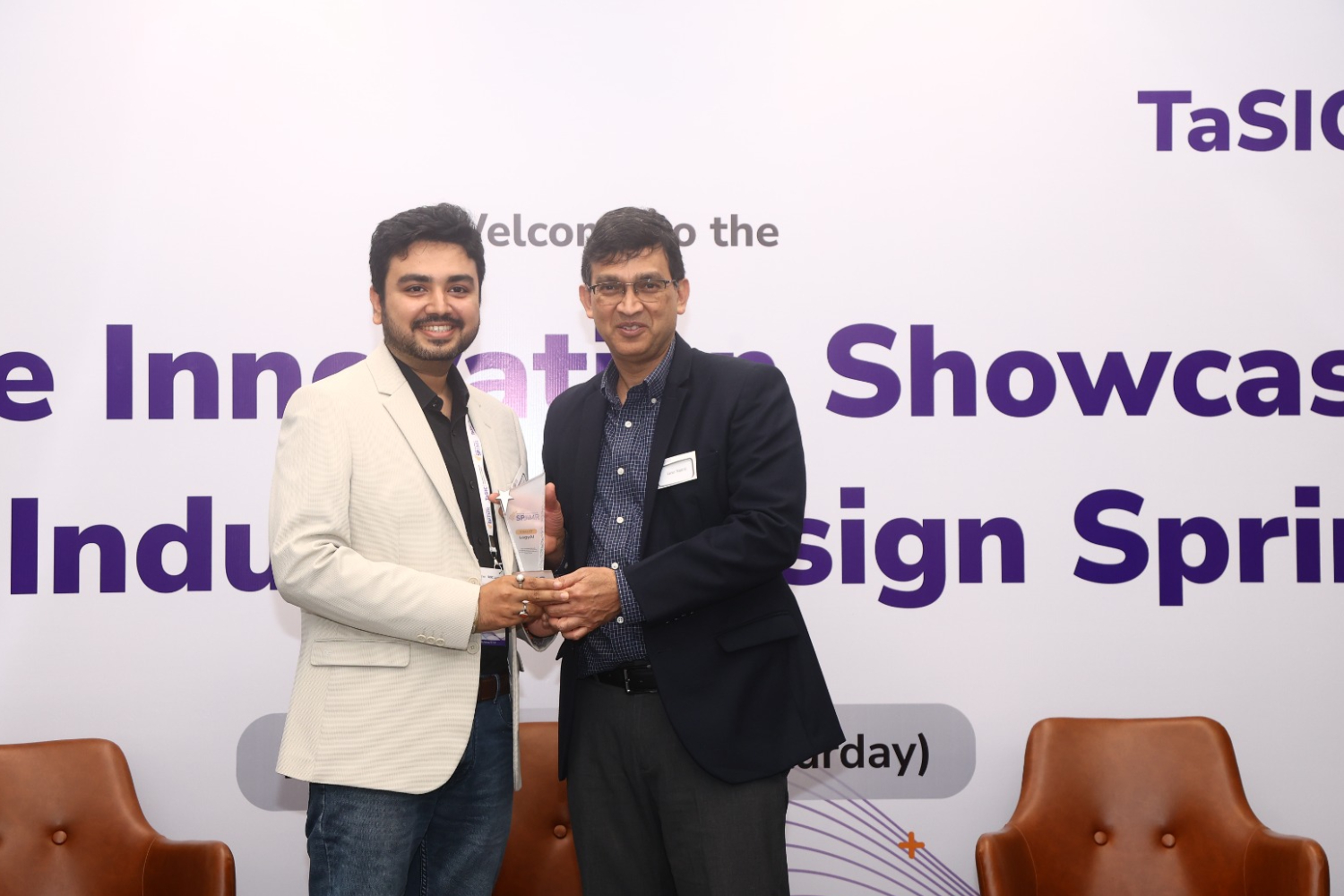
The showcase presented six pioneering innovations selected from nearly 1,000 nominations, emphasising ‘wise’ technology that balances entrepreneurial drive with social equity and empathy.

Climate and environmental resilience

  • Winner: FluXGen: An AI- and IoT-based water intelligence platform enabling industrial clients to reduce water wastage by up to 30%, fostering critical resource resilience.
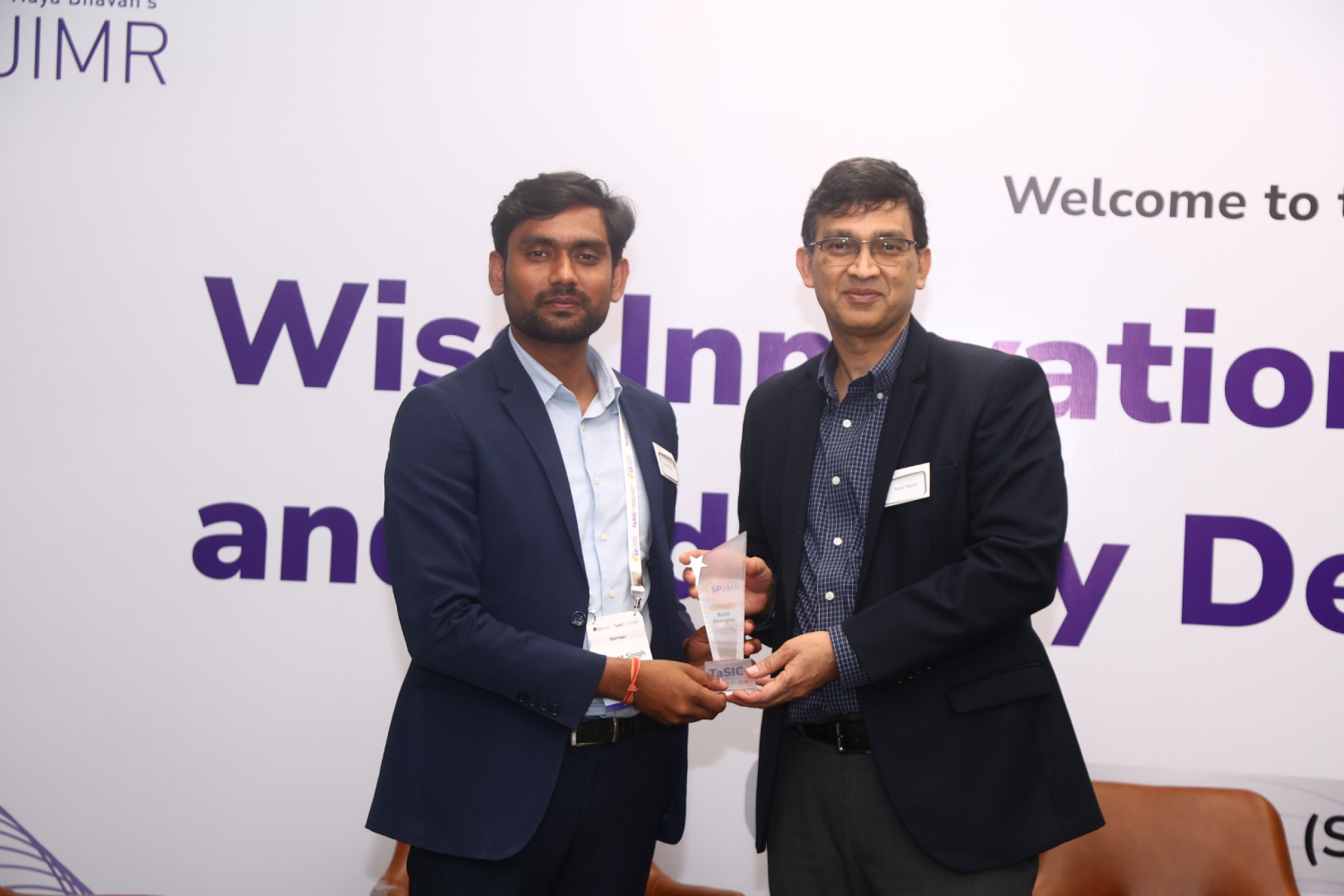
  • Finalist: BatX Energies: A hydrometallurgical recycling process recovering 97–99% of materials like lithium and cobalt, reducing India’s import dependence and powering the circular economy.

Inclusive human capital and opportunity

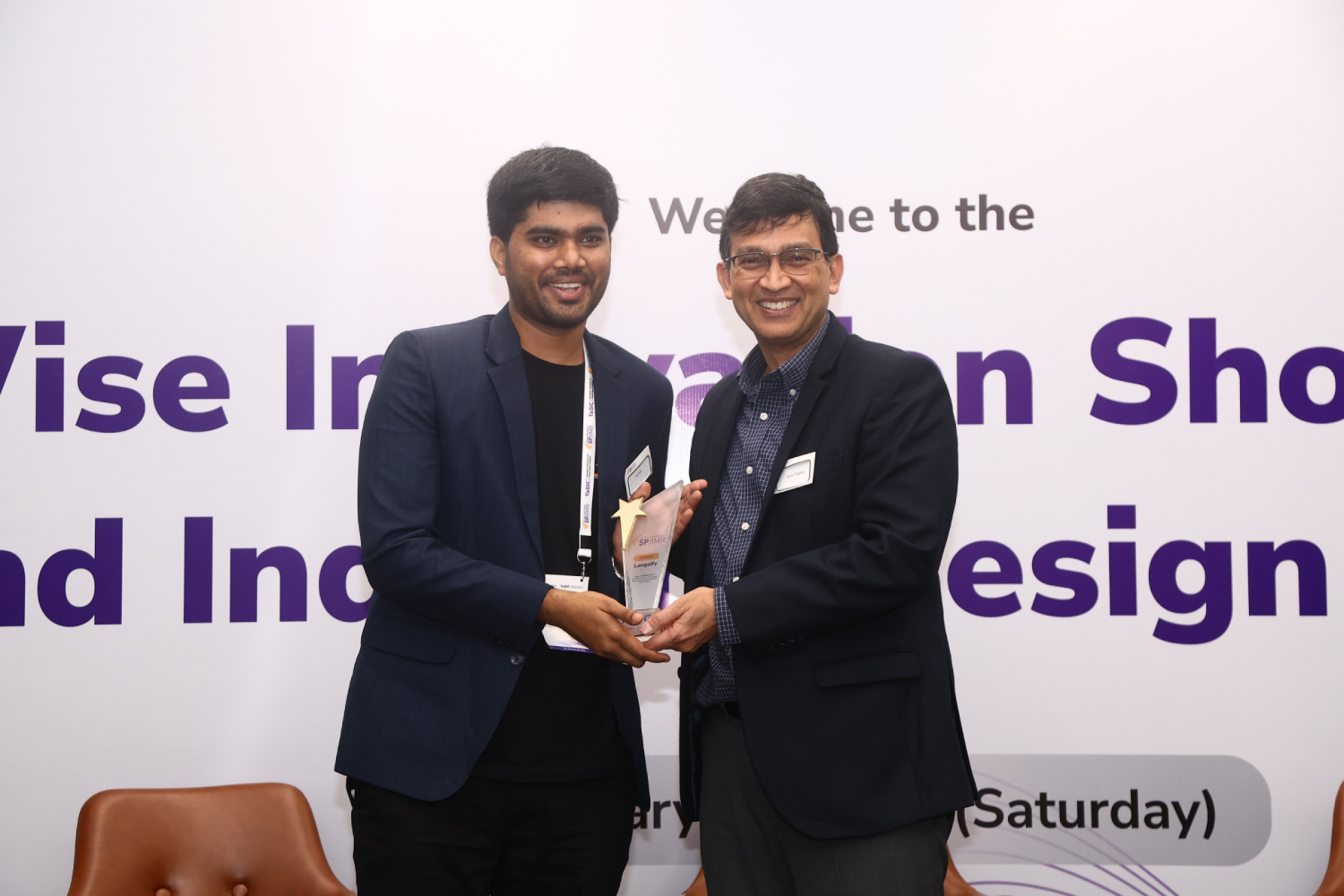
  • Winner: Languify AI: An automated coaching tool that bridges the rural-urban divide by providing employability training to non-metro youth at one-tenth the cost of traditional methods.
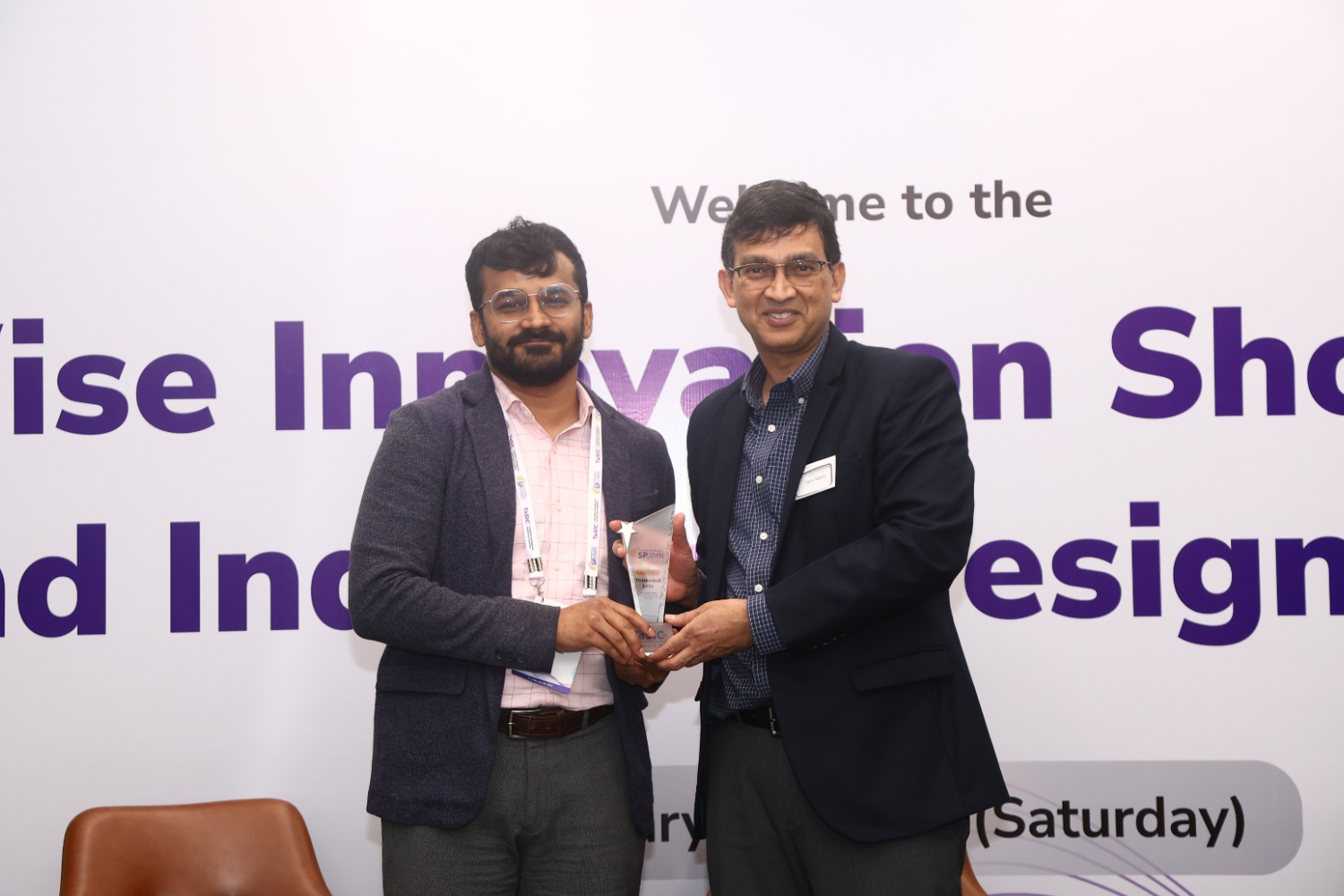
  • Finalist: Thinkerbell Labs: Creators of “Annie,” the world’s first interactive Braille self-learning device, which has boosted independent literacy for visually impaired students across 16 states.

Health, nutrition and wellbeing

  • Winner: YourDOST: A digital counseling platform that has delivered 15 lakh sessions, democratizing mental wellness access for students and professionals through scalable technology.
  • Finalist: LogyAI: A WhatsApp-based AI screening tool for cataracts that achieves 92% accuracy, providing low-cost diagnostics to rural populations via simple mobile interfaces.

Conclusion and institutional acknowledgements

TaSIC 2026 concluded as a landmark event in scholarly stewardship, successfully bridging the divide between academic theory and industry application. A vital component of the conference’s success was the preceding Online Research Writing Workshop, where 10 expert faculty coaches—including representatives from Case Western Reserve University, IIM Calcutta, IIT Madras, Michigan State University, IIM Raipur, and the University of Vermont—mentored scholars to elevate the methodological rigor of their submissions.

Dean Varun Nagaraj offered a closing note of gratitude, specifically acknowledging the FPM scholars and Dean’s TaSIC fellows for their vital rigour behind-the-scenes contributions and synthesis work. He thanked the nearly 100 reviewers, track chairs, and international speakers for their scholarship and openness. The conference stands as a testament to the power of a community united by a shared purpose: leveraging technology and management for the greater good of society.

AppLy Now