



SPJIMR’s health check-up drive
19-20 August 2026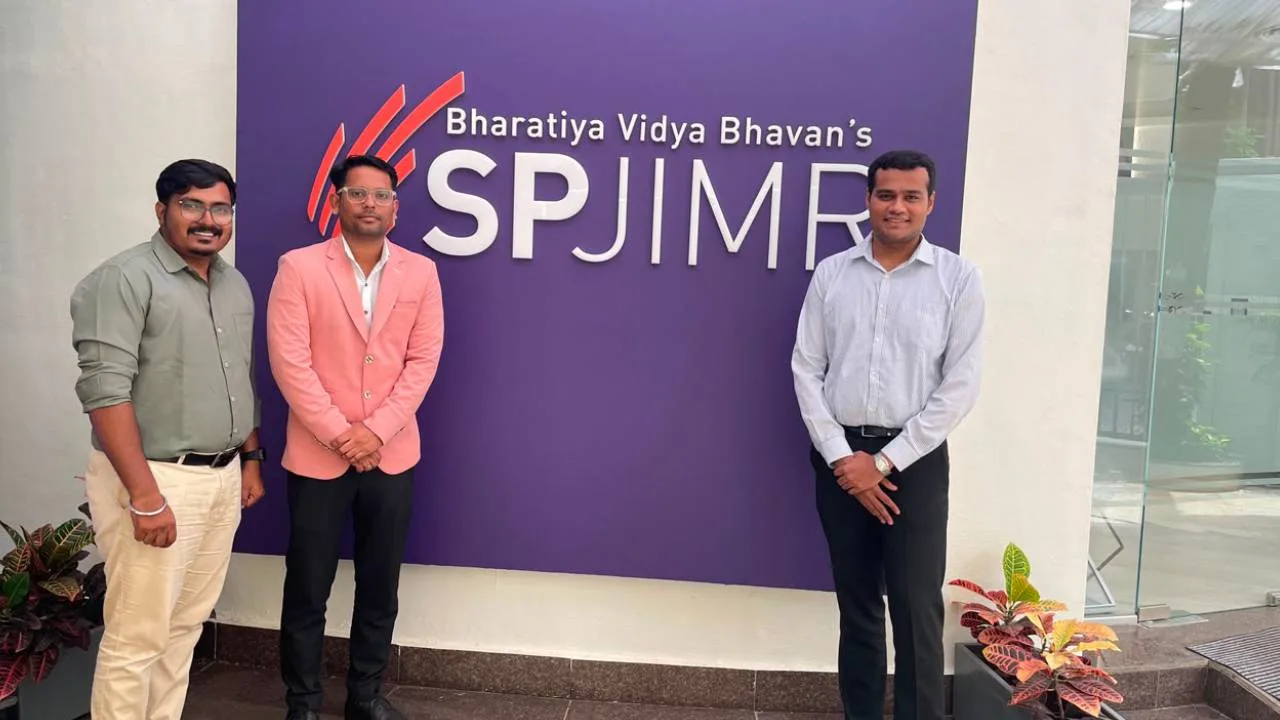
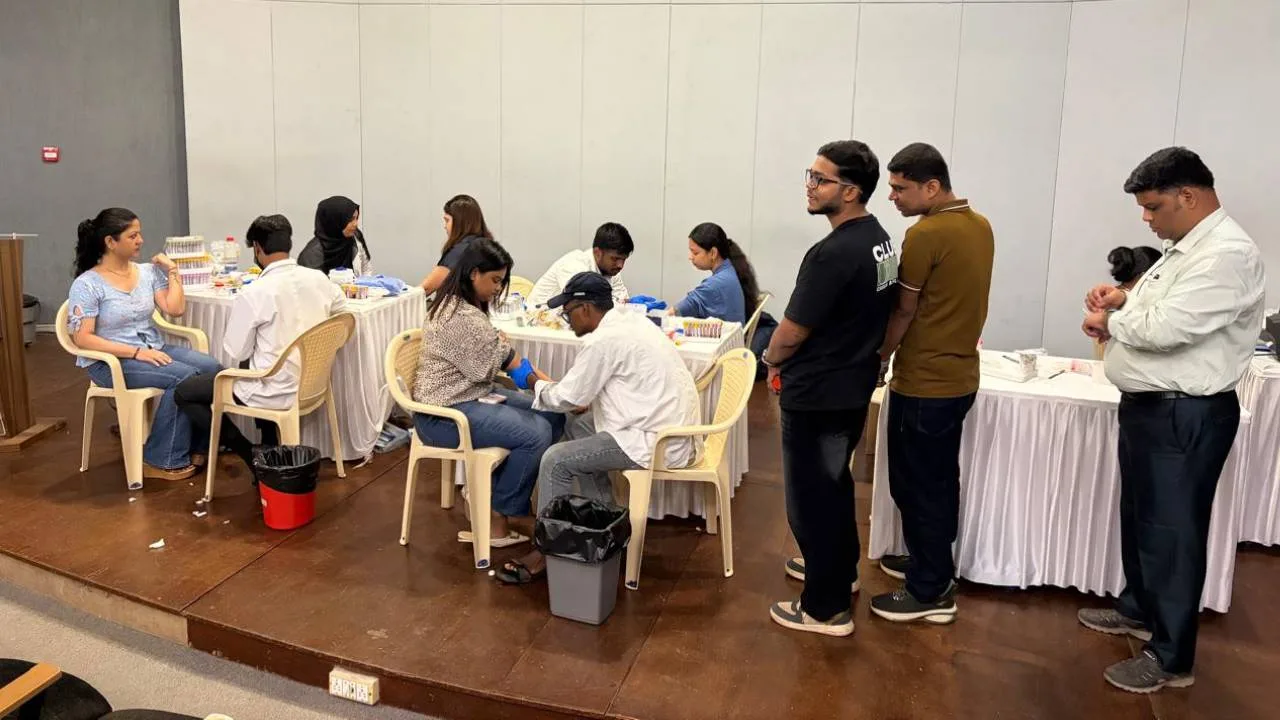
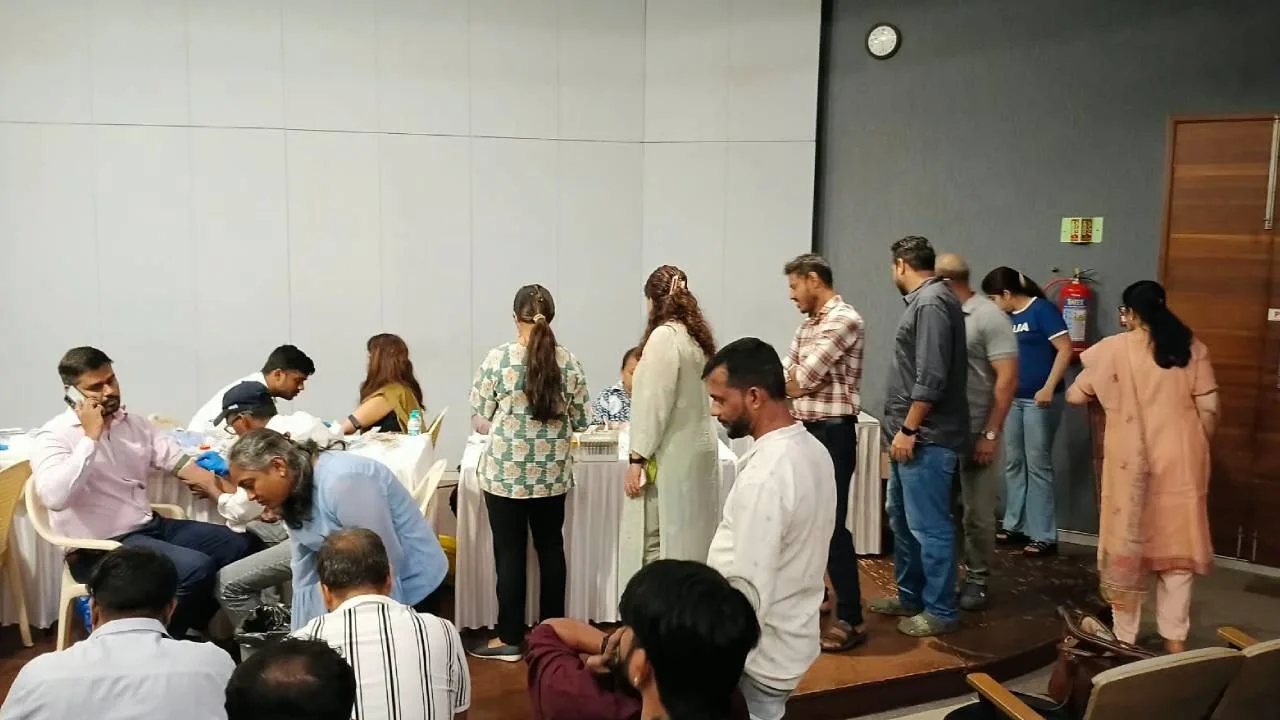
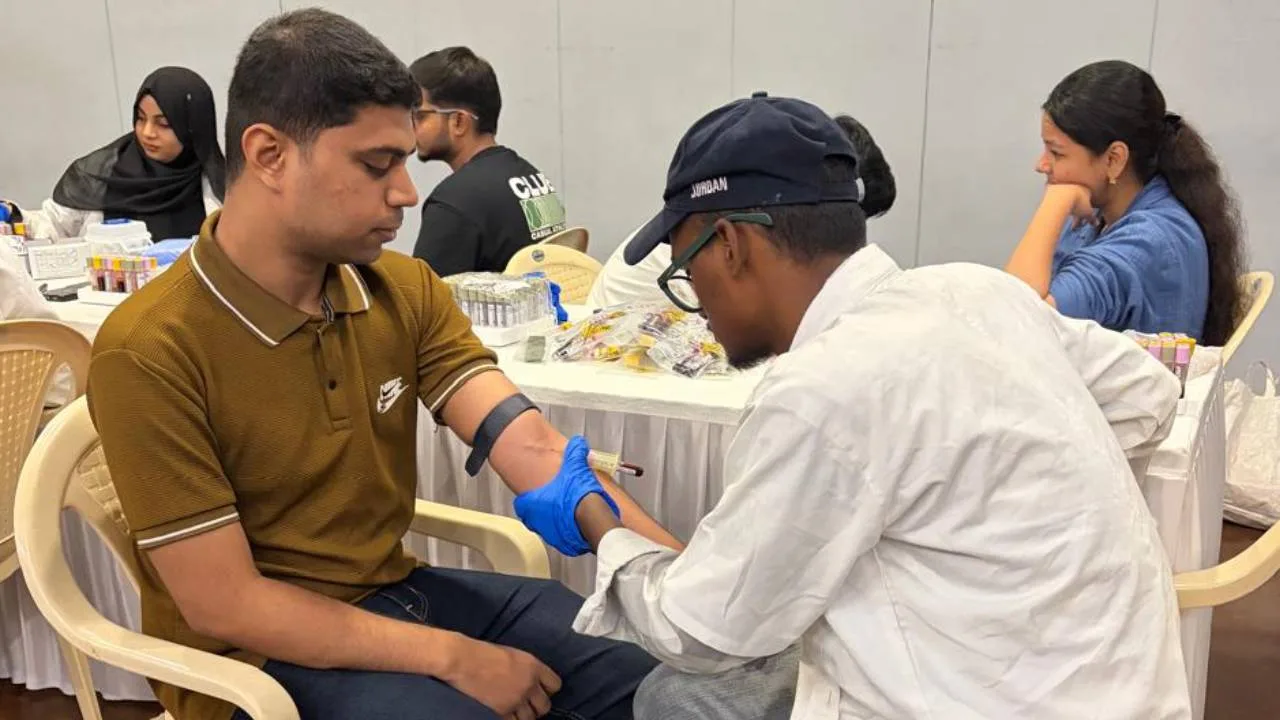
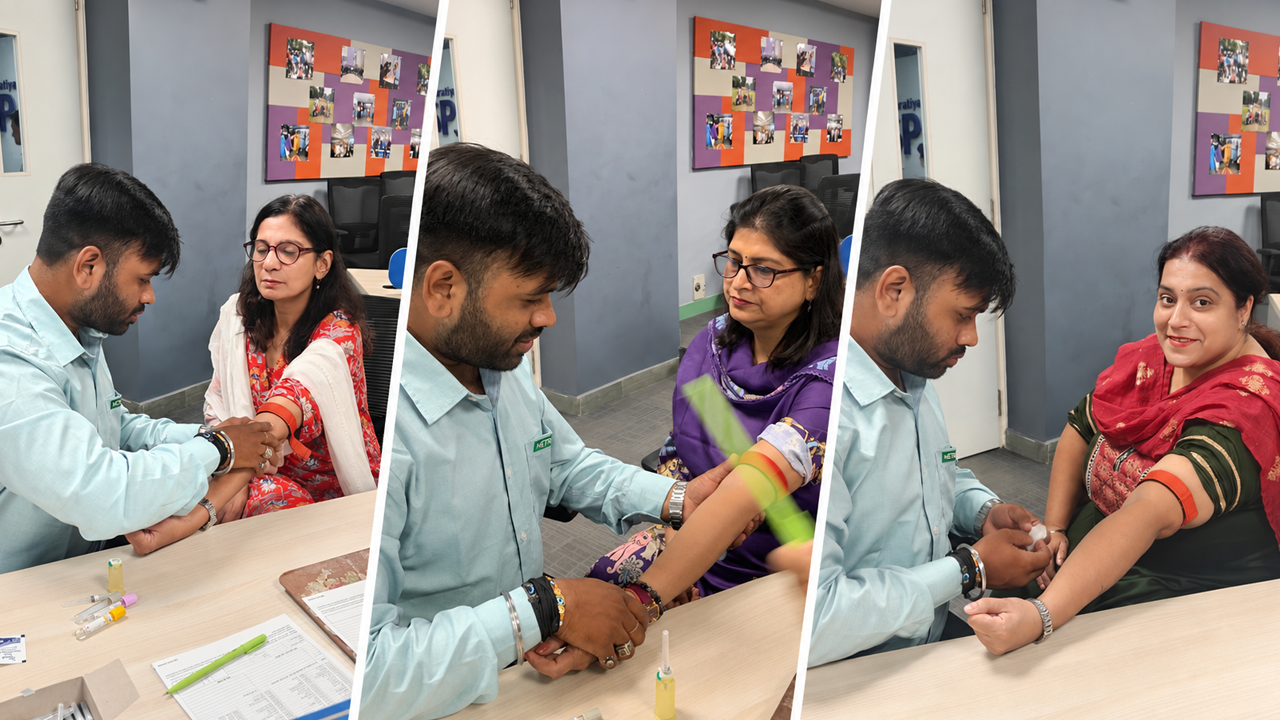
Institutions reveal their priorities not through what they say about themselves, but through what they make time for. Recently, SPJIMR’s HR, in partnership with Metropolis Healthcare, facilitated something easy to postpone and easy to undervalue: a comprehensive health check-up for every employee. Seamlessly folded into the working week rather than set apart from it, the checkup was conducted both at SPJIMR’s Mumbai and Delhi campuses.
The diagnostics on offer covered a wide battery of standard health markers that provide a complete picture of one’s health. But the tests themselves are almost beside the point. What they represent is a small, deliberate extension of a larger idea SPJIMR has tried to build into its everyday functioning: that an institute’s culture is measured not by what it asks of its people, but by what it offers them in return, without being asked.
The employee feedback reflected exactly that. Vaibhav Gujar from Procurement and Purchase noted that the drive “provided staff with an opportunity to become more aware of their health status” and suggested that such check-ups become a regular feature. Swapnali Ghorpade from the Accreditation and Ranking Cell appreciated how smoothly the arrangements came together and how convenient it was to have the entire process handled in-house. Dipti Mestry called it a valuable way to “understand our current health status,” while Jayesh Devlekar from Central Administration welcomed it as “a thoughtful initiative for employee wellness” and hoped it would recur. Dipti Chaudhari from the PGDM office described it simply as a “thoughtful and valuable initiative.”
These responses highlight that a workplace built around empowerment doesn’t need to make a case for itself; it simply keeps creating small openings for people to look after themselves and trusts that they will.
This is, in some ways, consistent with how SPJIMR has approached employee empowerment more broadly — building an environment where individuals are trusted to manage their own time and well-being, and where the institute’s role is to remove friction rather than add process. A health check-up brought to campus, timed around working hours, with no appointments to chase, is a small example of that same philosophy: reduce the distance between intention and action, and people will use the space.