



SPJIMR’s Case School 2026 turns case-writing theory into completed first drafts
29 May - 2 June 2026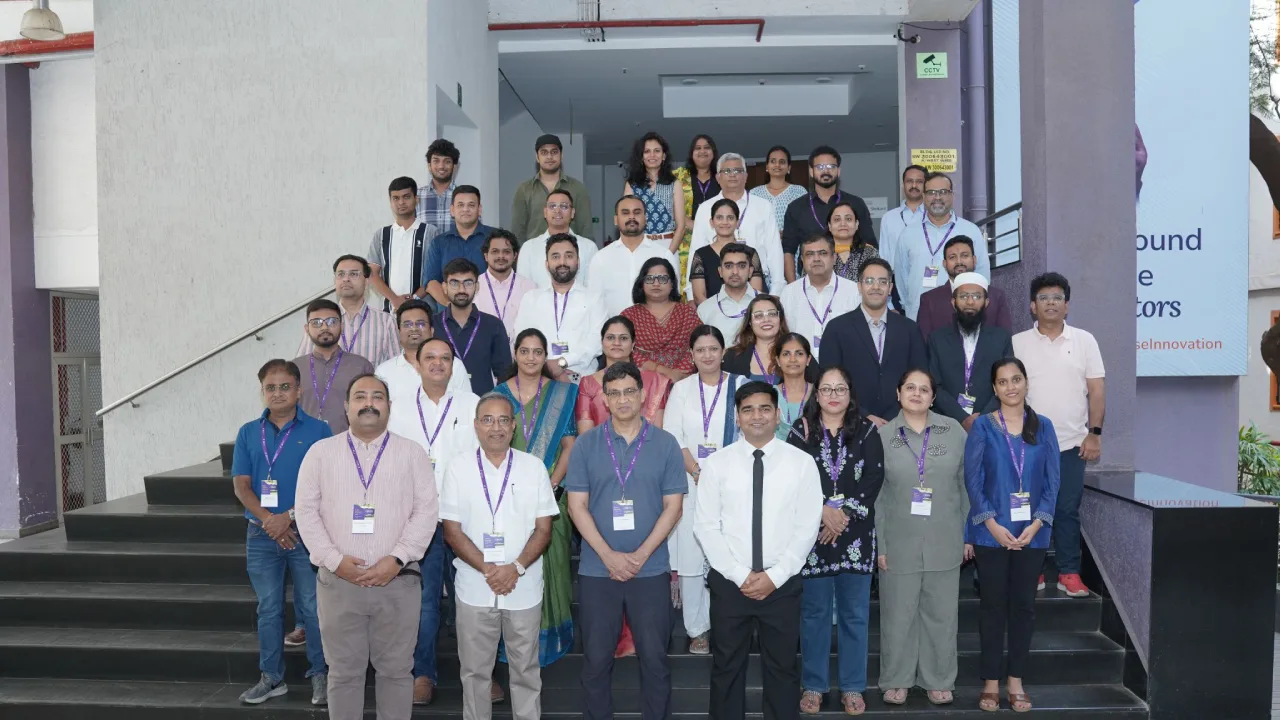
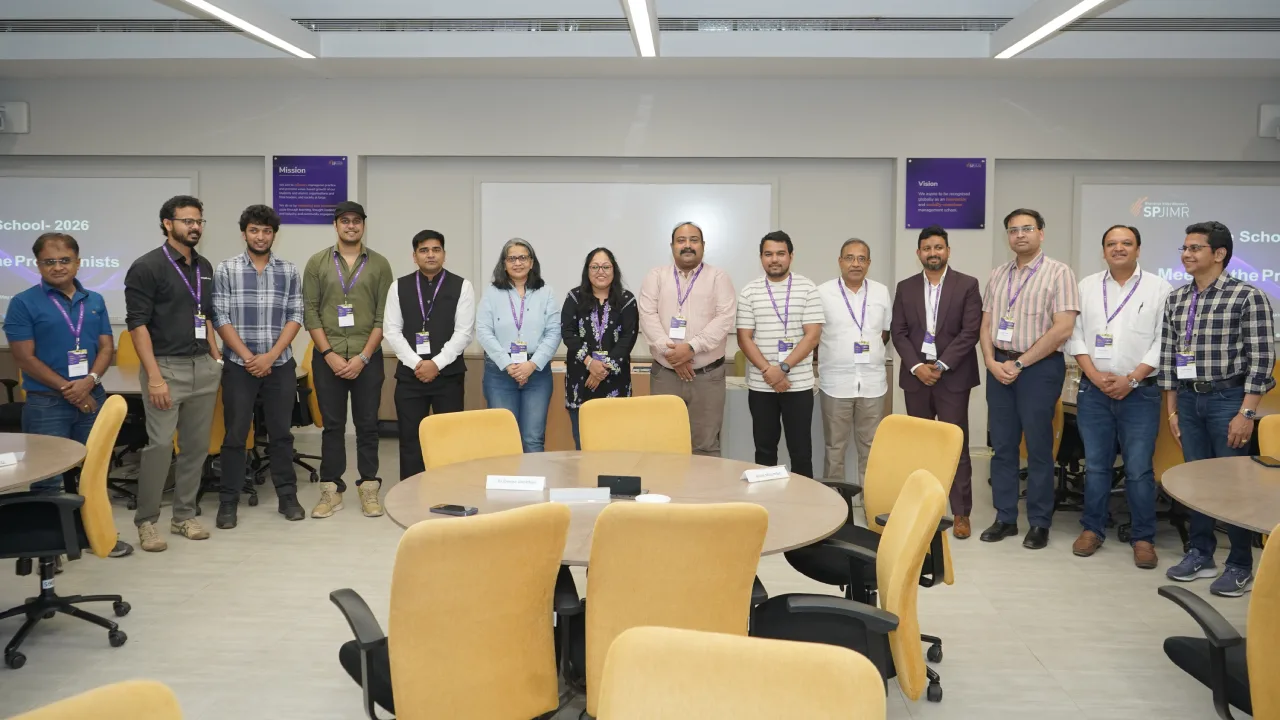
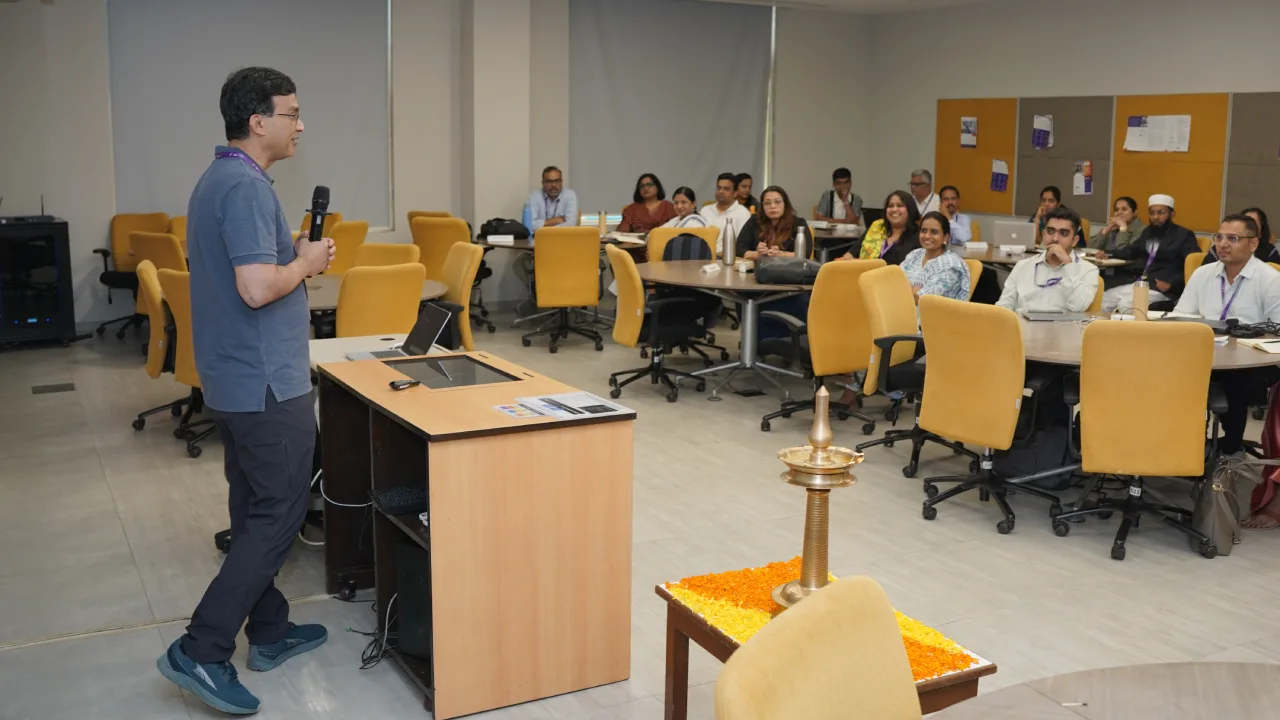
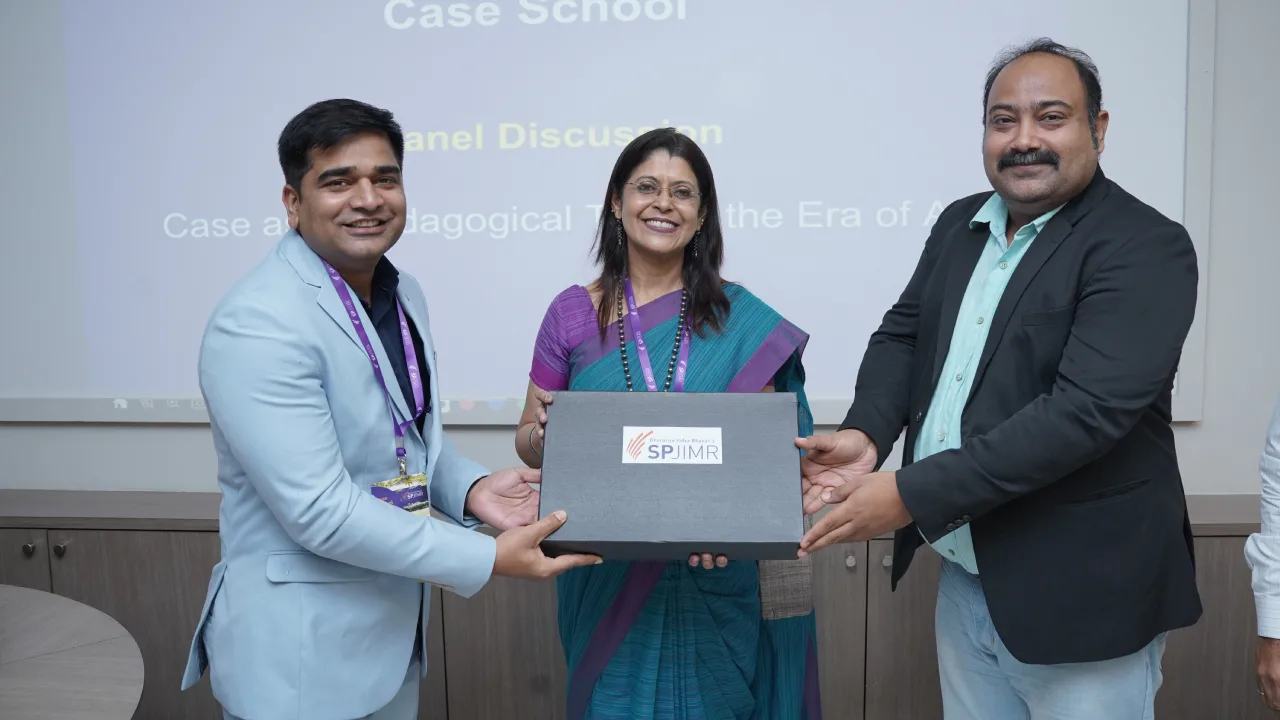
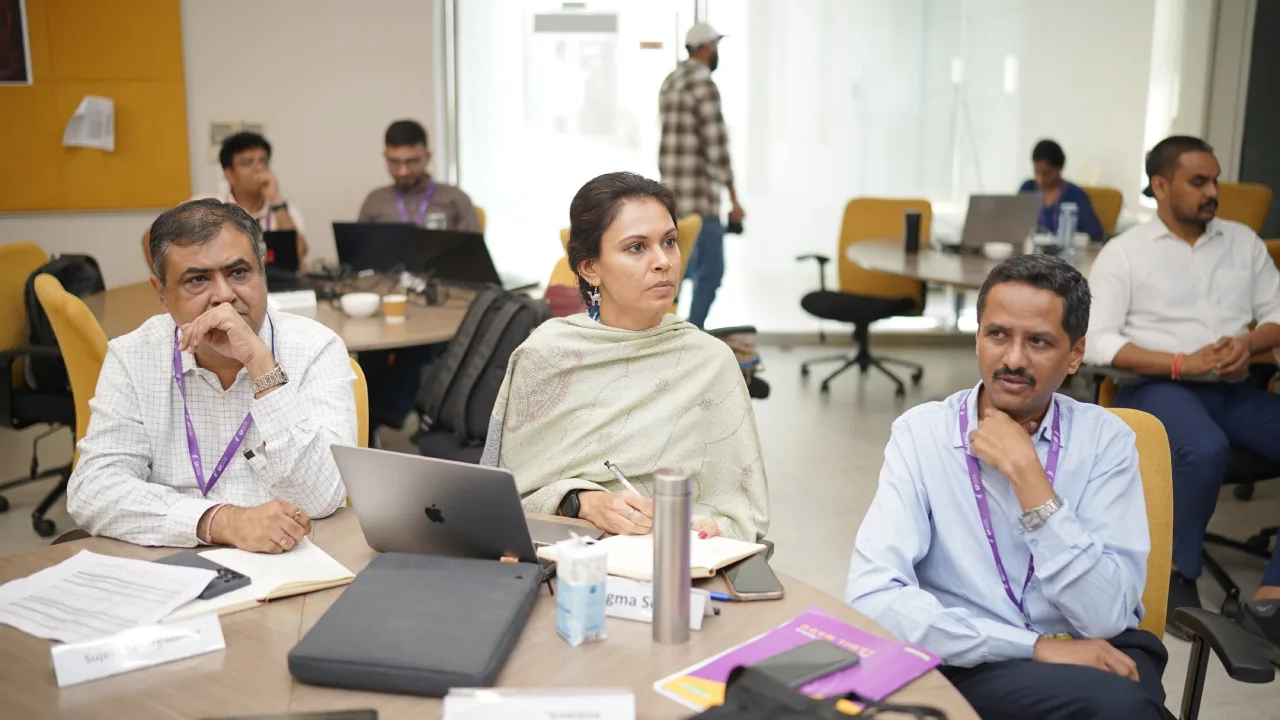
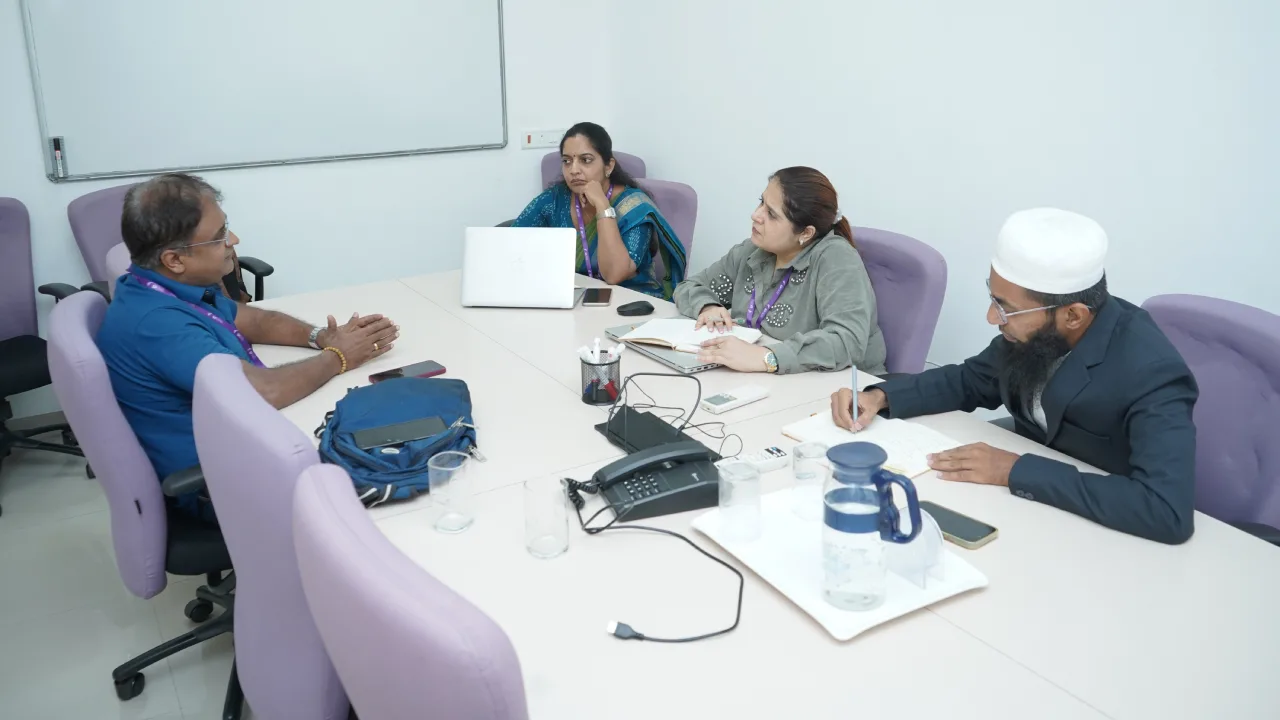
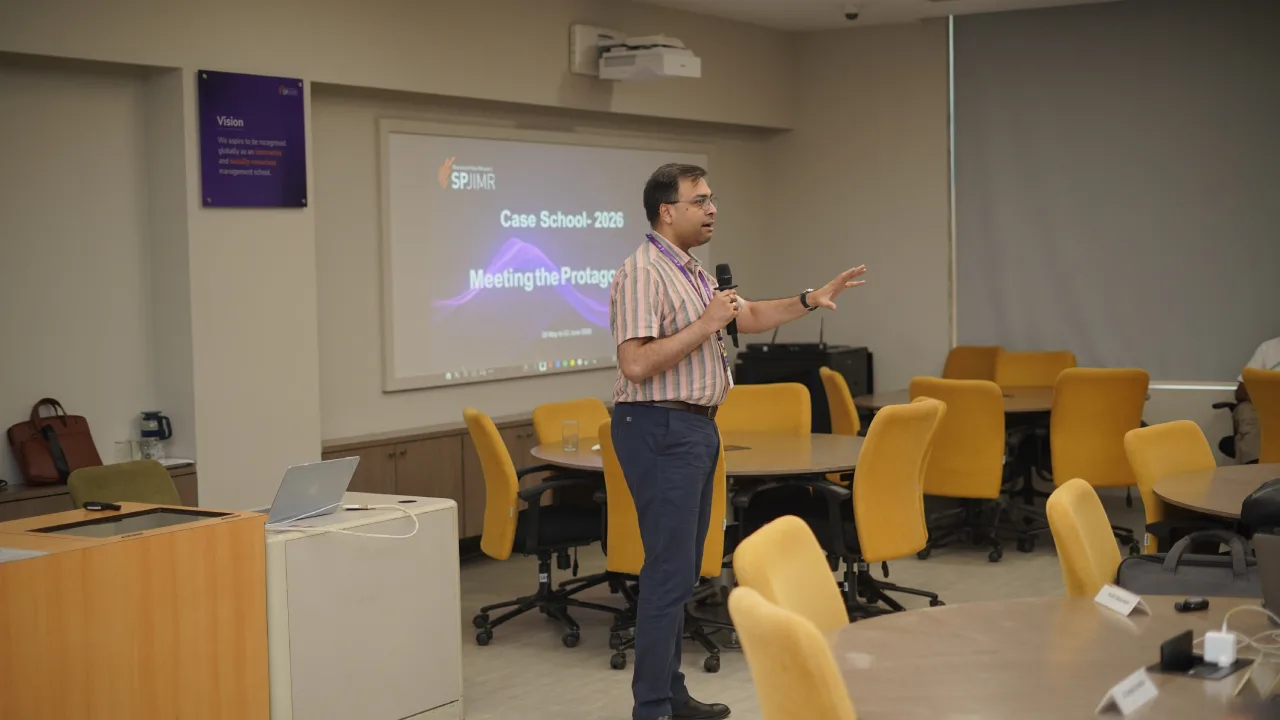
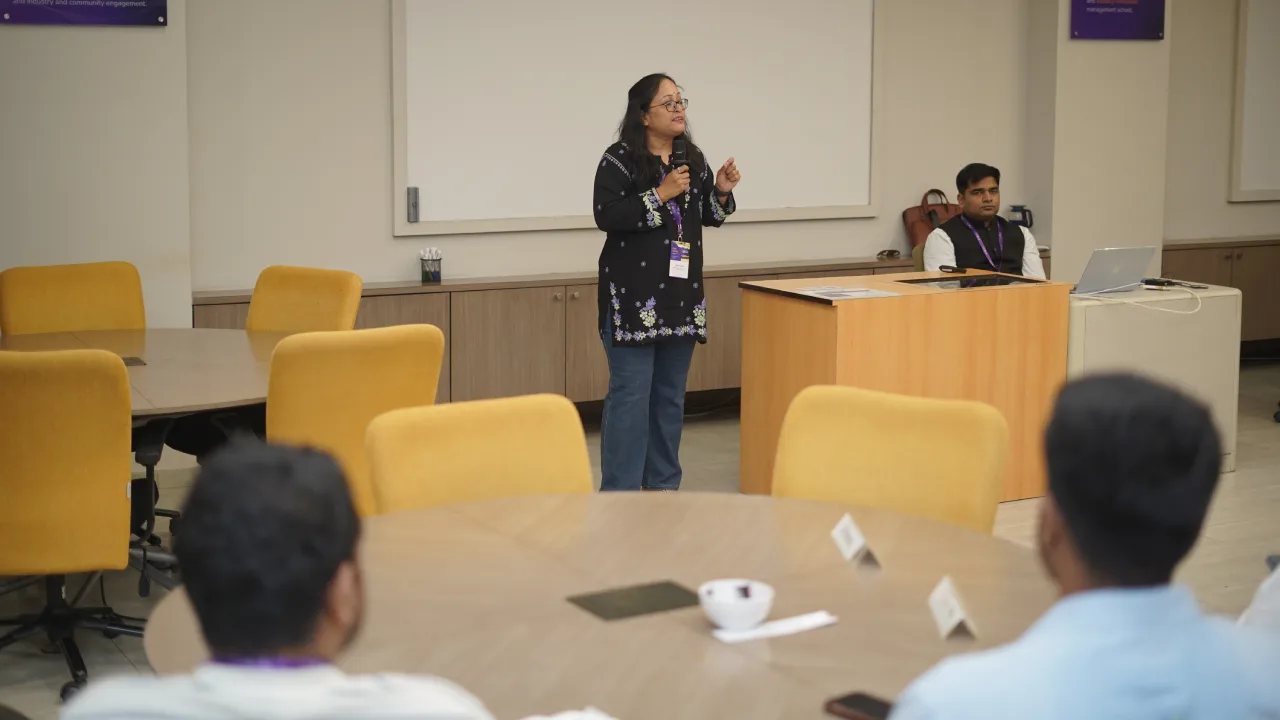
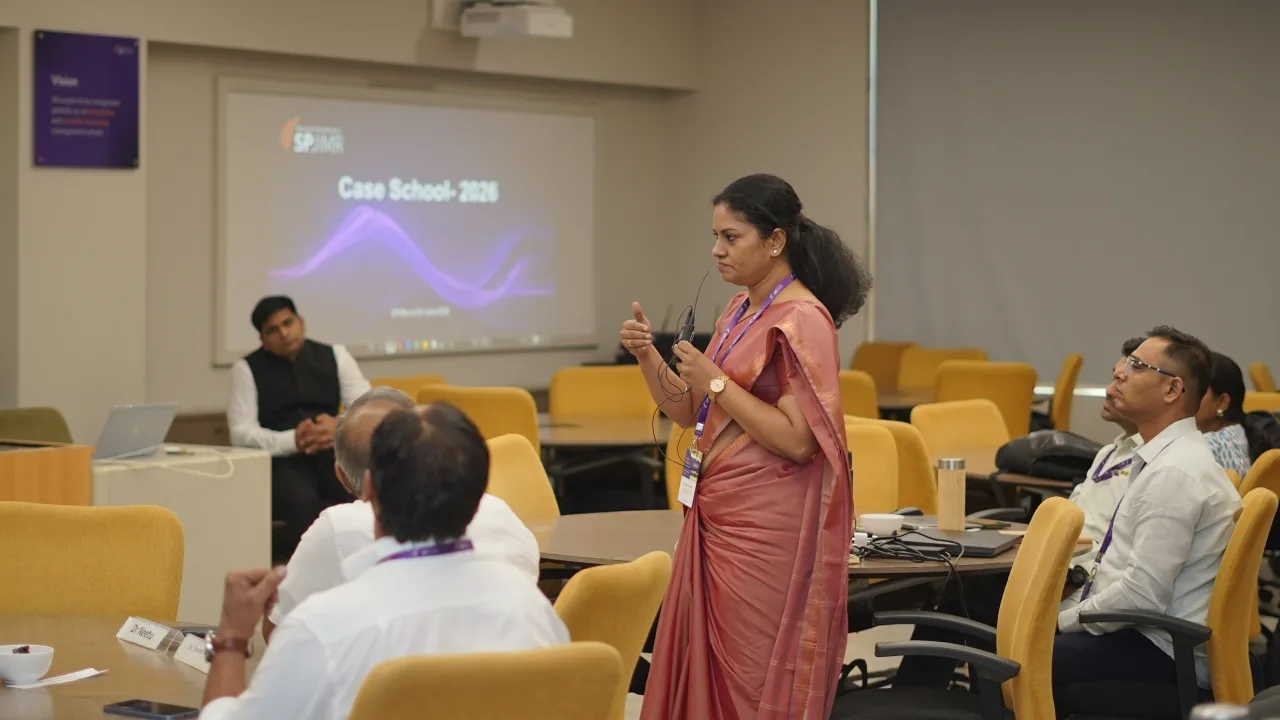
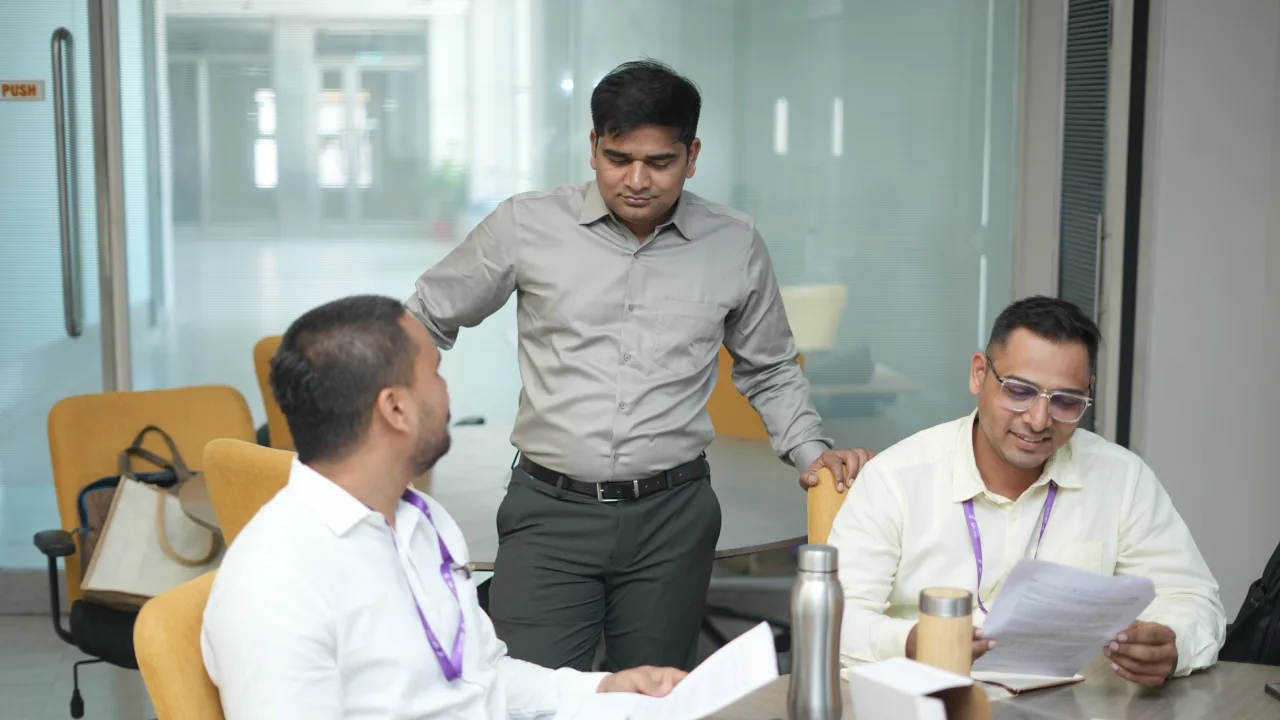
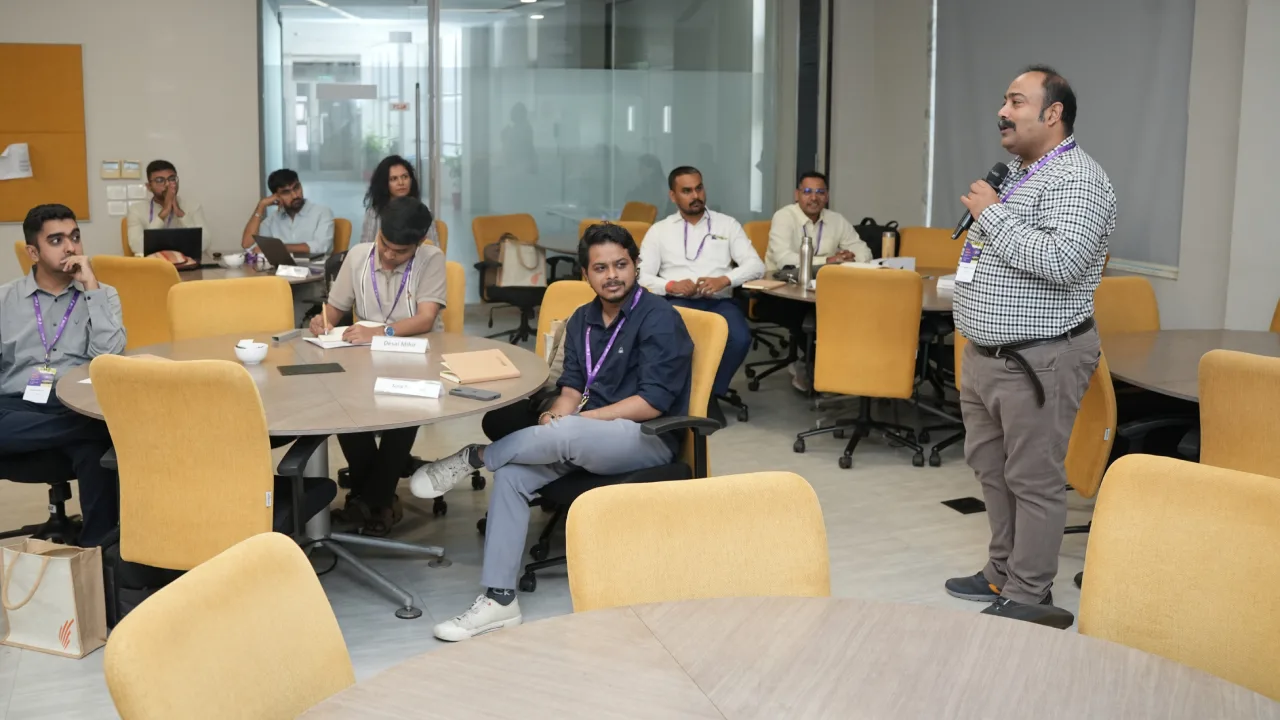
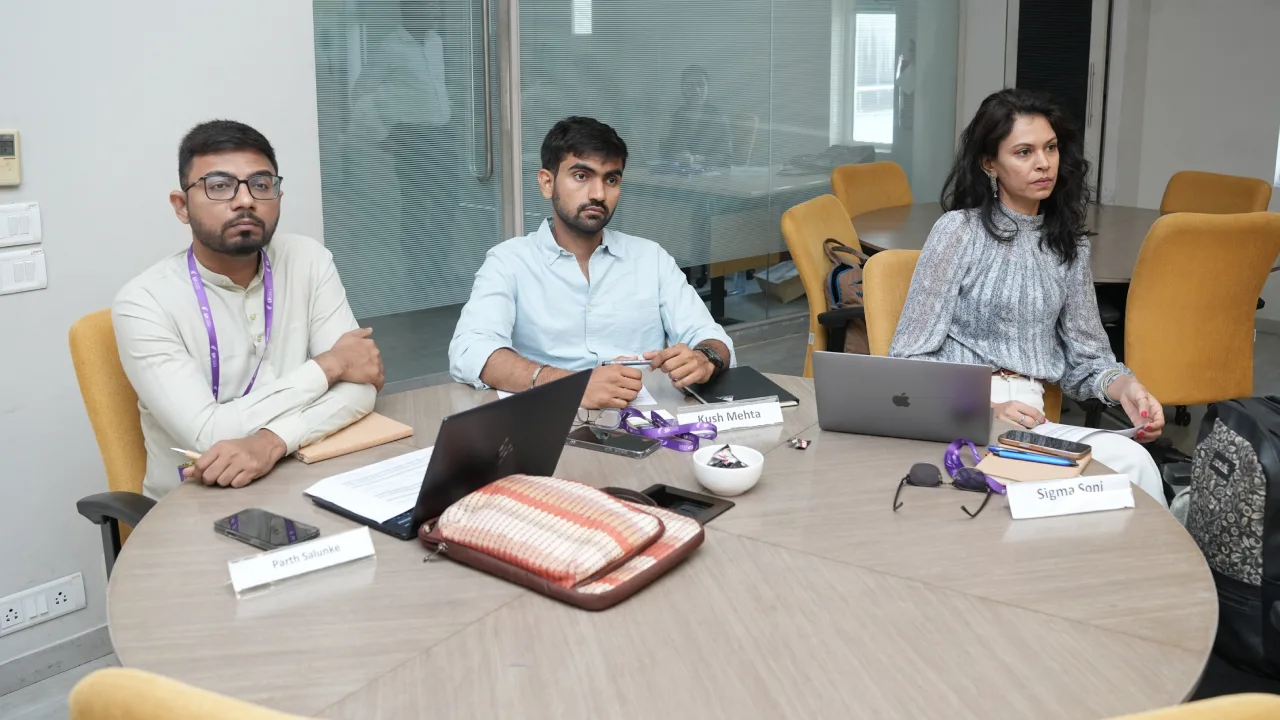
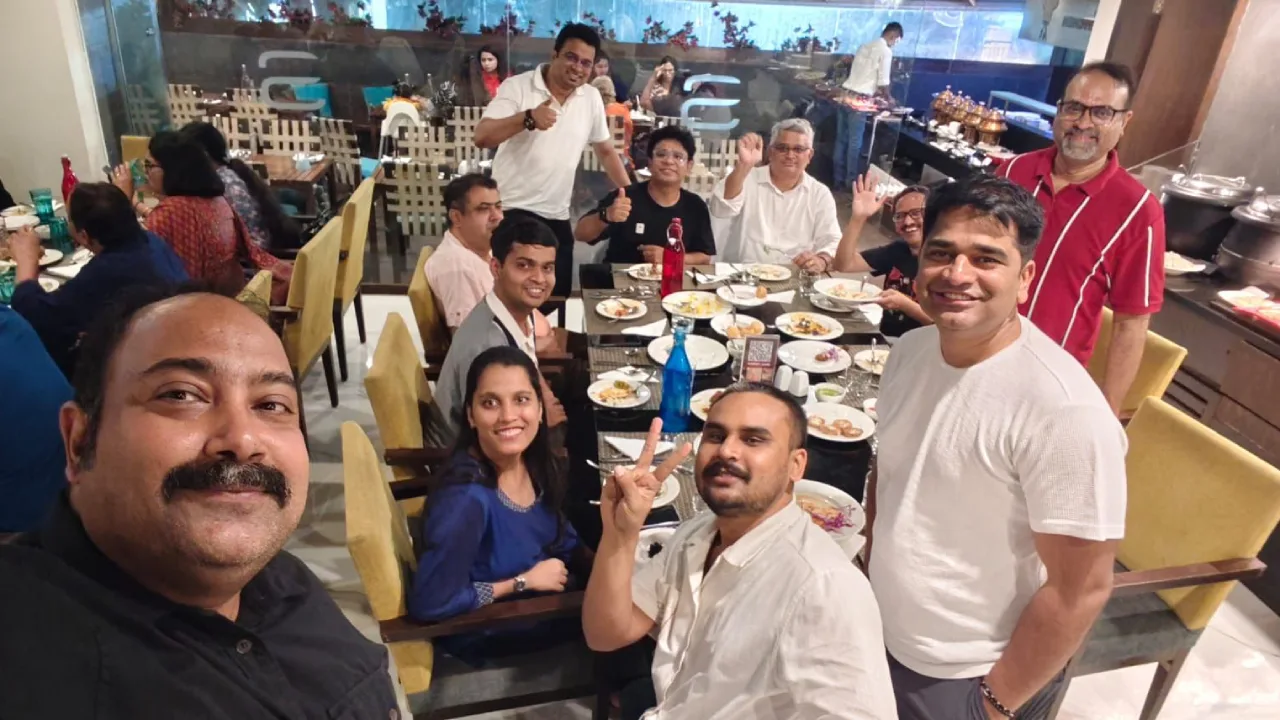
SPJIMR Case School 2026 brought together 27 management educators and researchers from across India for an intensive, output-oriented learning experience. Working in nine teams alongside nine industry protagonists, participants completed first drafts of real-world teaching cases and teaching notes, translating classroom concepts into tangible academic outputs.
The programme was designed to address a common challenge in faculty development workshops: participants often leave inspired but struggle to translate learning into finished work. Case School 2026 faculty facilitators Prof. Amol Dhaigude and Prof. Debmallya Chatterjee addressed this challenge by integrating the entire case-writing journey into the workshop itself.
The learning extended beyond methodology. Over five intensive and rewarding days, participants experienced the complete lifecycle of developing a field-based teaching case—from identifying a compelling dilemma to preparing a publication-ready case and teaching note.
-
Day 1: Laying the foundation
- Experiencing a case from a student’s perspective through reading and analysis
- Introduction to primary (field-based) case writing
- Conducting interviews and capturing data effectively
- Identifying managerial dilemmas and decision points
- Formation of case-writing teams
- A fun-filled evening of music, laughter, and bonding
-
Day 2: Meeting the protagonist
- First-hand interaction with entrepreneurs and business leaders
- Conducting and recording field interviews
- Drafting the critical case opening section
- Review and feedback by Prof. Amol Dhaigude and Prof. Debmallya Chatterjee
- Revising the opening based on feedback
- Gala dinner with participants, faculty, and protagonists
-
Day 3: Case writing marathon
- Understanding case-writing templates and structure
- Writing key sections during workshop sessions
- Team-based collaboration to complete the first draft of the case by midnight
-
Day 4: Teaching note (TN) marathon
- Understanding the pedagogy and structure of a teaching note (TN)
- Writing TN sections during guided sessions
- Collaborative effort to complete the first TN draft by midnight
-
Day 5: Preparing for the future
- The evolving landscape of case writing and publishing
- AI-enabled case writing and analysis session by MS Games
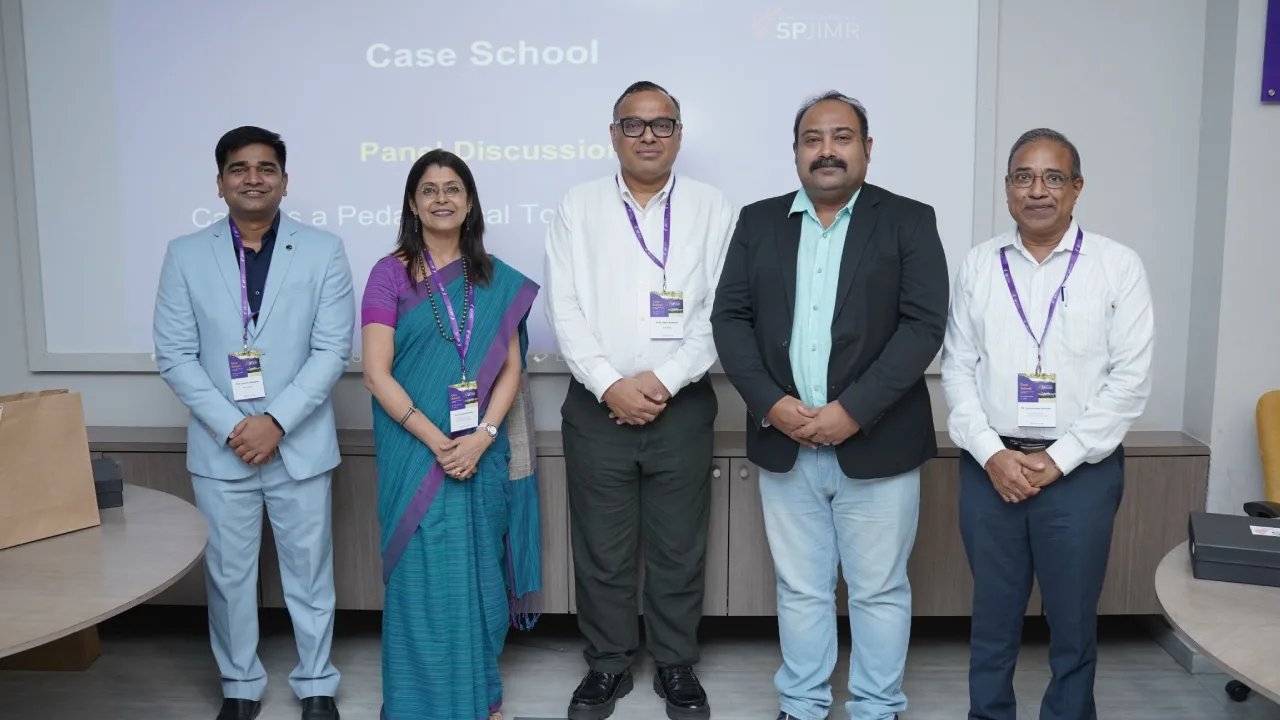
- Panel discussion on the future of case teaching and case research featuring Prof. Janakiraman Moorthy, Prof. Renuka Kamath, and Prof. Rajiv Agarwal.
- Integrating case and teaching note (TN) first draft.
- Session on case submission, review, and publication process by Prof. Amol Dhaigude.
- Valedictory ceremony and reflections.
The outcomes
Multiple field-based cases and teaching notes developed in just five days, along with a vibrant community of emerging case writers committed to creating impactful learning experiences.
Industry engagement remained central to the programme’s success. Nine organisational leaders and practitioners shared their experiences and strategic challenges, providing participants with access to authentic business situations. Their willingness to open their organisations to academic scrutiny enabled teams to create cases grounded in real-world complexity rather than hypothetical scenarios.
The workshop’s residential format played a critical role in seamless transition from structured sessions to informal discussions, peer reviews, and collaborative brainstorming, which often continued beyond the classroom.
Case School 2026 demonstrated that with the right structure, mentorship, and immersive environment, faculty development programmes (FDPs) can move beyond knowledge transfer and deliver measurable scholarly outcomes. For SPJIMR, its success represents an important step in strengthening India’s case-writing ecosystem.
Insights from participants
Participants described the experience as an exercise in deeper listening, critical inquiry, and collaborative problem-solving. Several reflected on how the process challenged them to move beyond surface-level observations and unpack the underlying tensions that shape managerial decisions.
Reflecting on her experience, Mohini Arora, TA, Organisation and Leadership Studies at SPJIMR, noted, “The first thing that humbles you is the questionnaire. You go in thinking you’ll ask smart questions. You quickly realise the real skill isn’t in asking. It’s in listening. Listening for what isn’t being said. Listening for the tension hiding just beneath the polished answer. Every layer of the case—front-end, back-end, and teaching note—is really just one question in disguise: what does the reader need to feel right now?”