



Artificial intelligence (AI) is transforming workplaces at an unprecedented pace. From recruitment and onboarding to productivity and decision-making, AI is influencing how organisations operate and how employees work.
But amidst all the conversations about automation, one question continues to dominate boardrooms, classrooms, and career discussions alike: What will make professionals truly future-ready?
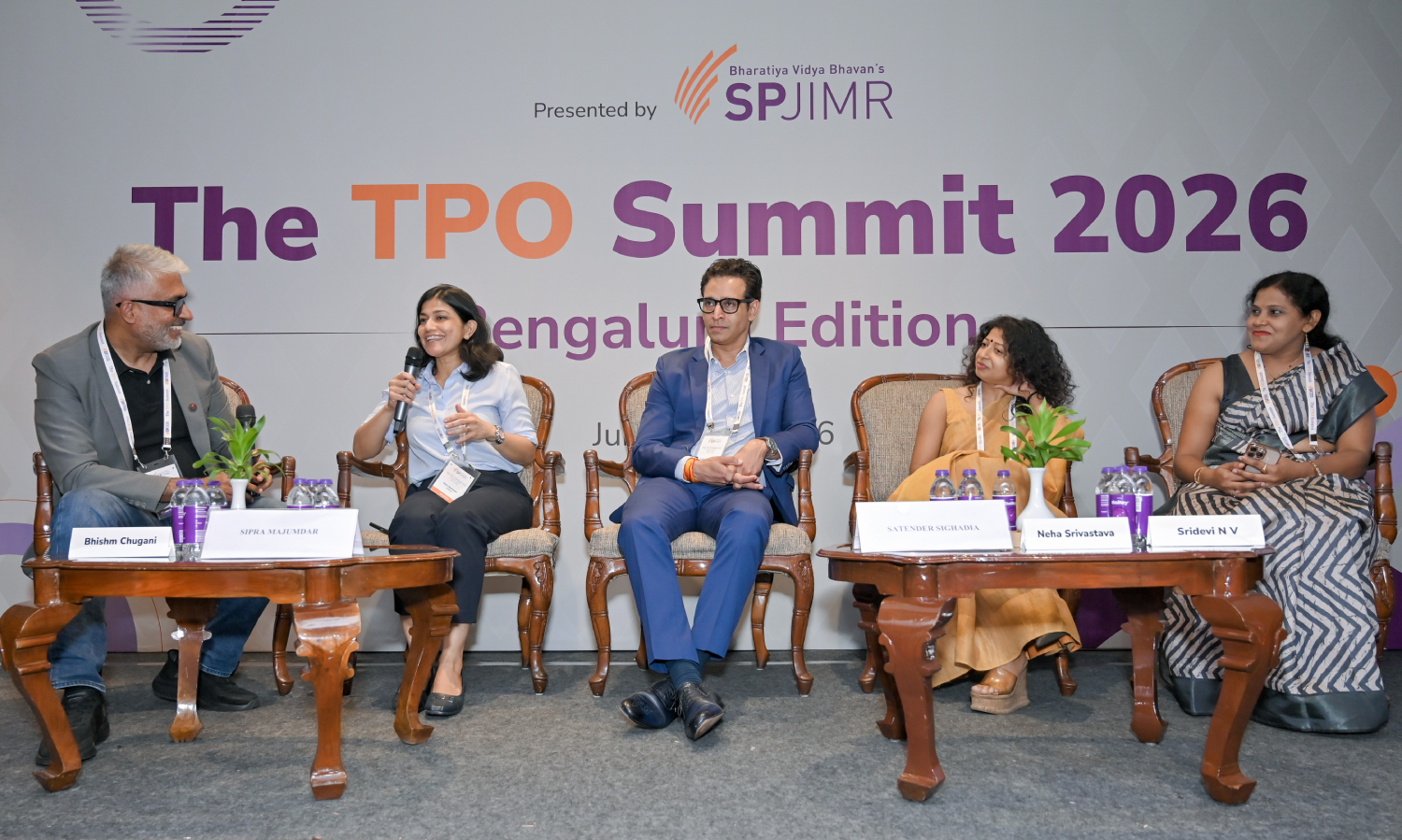
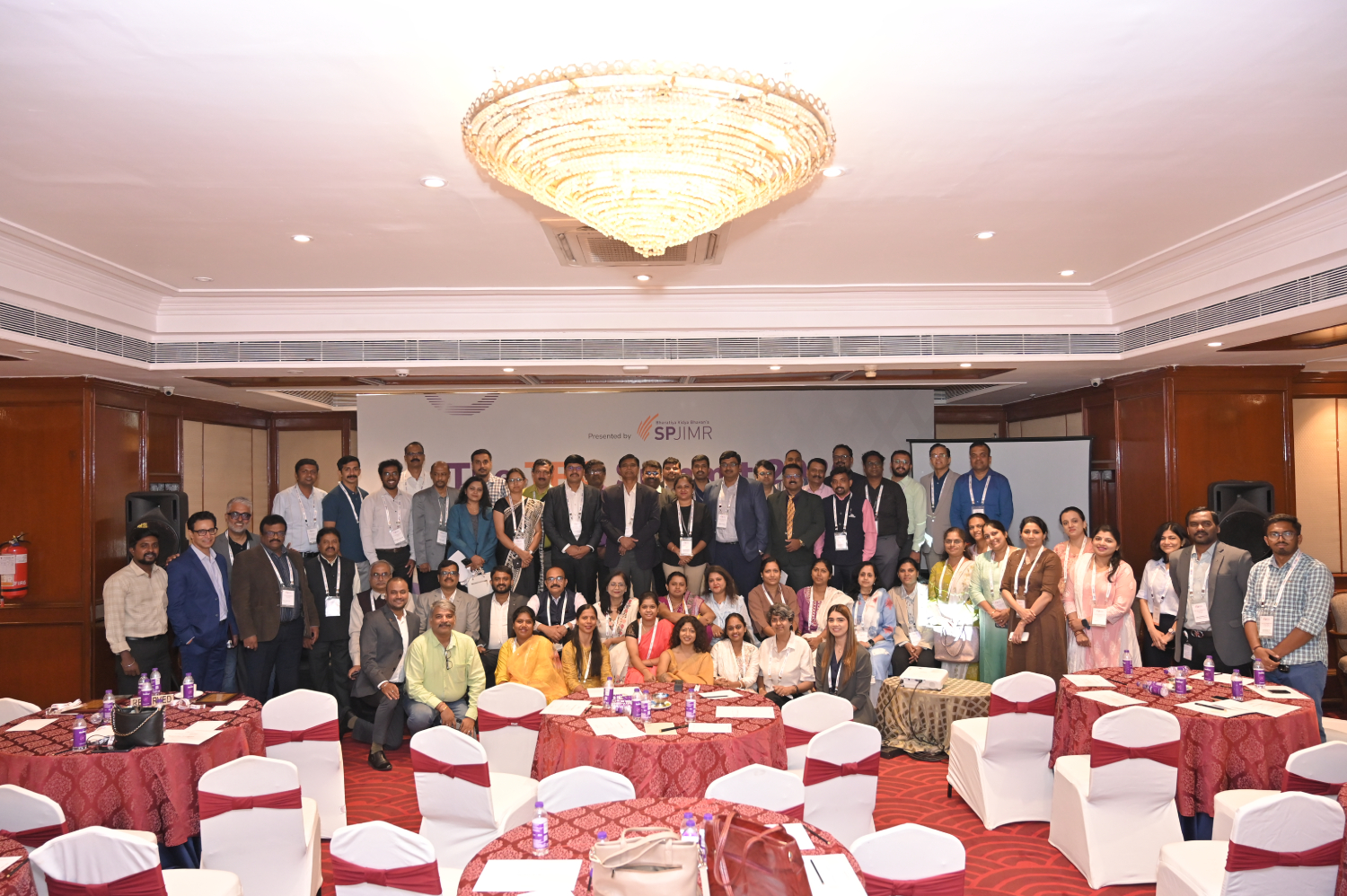
This question took centre stage at SPJIMR’s TPO Summit 2026 (Bengaluru Edition), where Training and Placement Officers (TPOs), academic leaders and HR professionals came together to discuss the future of campus recruitment and workforce readiness.
AI is changing jobs, not replacing human potential
One of the most significant takeaways from the summit was that AI should not be viewed simply as a replacement for human talent.
While AI is transforming roles across industries, organisations continue to place immense value on capabilities that machines cannot easily replicate. Human judgement, creativity, empathy, adaptability and collaboration remain critical differentiators in the workplace.
The implication is clear: professionals who can effectively combine technical expertise with strong interpersonal skills will be best positioned for success.
Why human skills matter more than ever
For years, employability discussions focused heavily on technical qualifications. Today, employers are expanding that definition.
Communication, critical thinking, teamwork, adaptability, and leadership are becoming increasingly important in hiring and career progression decisions.
As workplaces become more dynamic and cross-functional, organisations are looking for individuals who can navigate uncertainty, work effectively with diverse teams, and continuously learn new skills.
In many ways, the future workforce will be defined not only by what people know, but by how they apply that knowledge in complex and changing environments.
Understanding the expectations of Gen Z
The newest generation entering the workforce is also reshaping employer expectations.
Gen Z professionals are looking for meaningful work, opportunities for growth, flexibility and organisational cultures that align with their values. They expect learning to be continuous and career paths to be more dynamic than those of previous generations.
For educational institutions, this shift creates both an opportunity and a responsibility. Preparing students for successful careers now requires a broader focus that combines academic excellence with personal development, workplace exposure and industry engagement.
The growing importance of
industry-academia collaboration
One of the strongest messages emerging from the summit was the need for deeper collaboration between educational institutions and industry.
The pace of technological change means that skills requirements are evolving faster than ever before. As a result, institutions and employers must work together to ensure that graduates are equipped with relevant knowledge and practical experience.
This collaboration can take many forms:
- Industry participation in curriculum design
- Internship and apprenticeship opportunities
- Mentorship programmes
- Live industry projects
- Continuous recruiter-institution engagement
Such initiatives help bridge the gap between education and employability while ensuring students are better prepared for workplace realities.
Looking ahead
The future of work will undoubtedly be shaped by AI and technological innovation. However, the conversations at SPJIMR’s TPO Summit highlighted an equally important truth: human capabilities will remain central to professional success.
Technical expertise will continue to matter. But communication, adaptability, resilience, leadership and collaboration will increasingly determine who thrives in the evolving world of work.
For students, institutions and employers alike, the challenge is no longer simply keeping pace with change. It is building the skills, partnerships and mindsets needed to succeed in a future where technology and humanity work hand in hand. Follow us for more details on such events.