

Protecting the ‘good friction’ in management education
19 September 2026
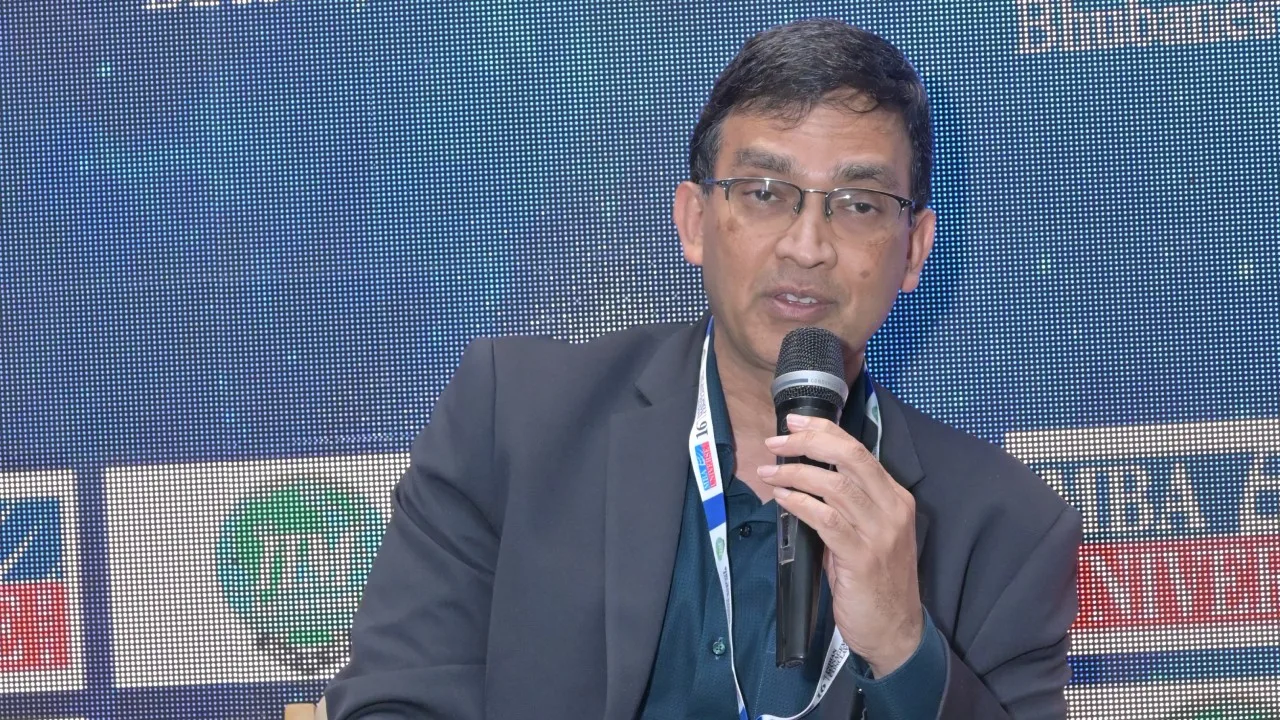
At the 16th Indian Management Conclave (IMC), Prof. Varun Nagaraj, Dean, SPJIMR, highlighted the need to preserve the ‘good friction’ that turns effort into learning, while using AI to deepen rather than diminish judgement. Held at the IIM Lucknow Noida Campus on 18–19 September 2026, the conclave brought together leaders from India’s leading business schools to examine the implications of artificial intelligence (AI) for management education.
In a panel discussion on the future of management education, Prof. Nagaraj drew attention to a less visible consequence of the unregulated use of AI in MBA classrooms: the loss of ‘good friction’.
“Learning needs friction. When students struggle with something they have never encountered before, that struggle is not a flaw in the learning process. It is the process. If AI removes that friction too early, it can also remove the opportunity to learn.” Prof. Varun Nagaraj, Dean, SPJIMR
He argued that the challenge for business schools is not to keep AI out of the classroom but to ensure that its use strengthens the capabilities that management education is intended to develop: critical thinking, judgement, reflection and ownership of decisions.
Rather than using AI simply to generate answers, students should be encouraged to interrogate its outputs, assess their strengths and limitations, identify gaps and errors, and develop and defend their own considered positions. Such an approach shifts the focus from obtaining an answer to developing the judgement needed to evaluate one.
Bringing judgement back to the centre
Prof. Nagaraj also called for a renewed role for the viva voce as one way of testing whether students can articulate and defend what they genuinely understand.
The discussion also raised a wider question for the technology industry. He exhorted AI providers to work more closely with business schools and universities to develop models and tools that support learning rather than short-circuit it.
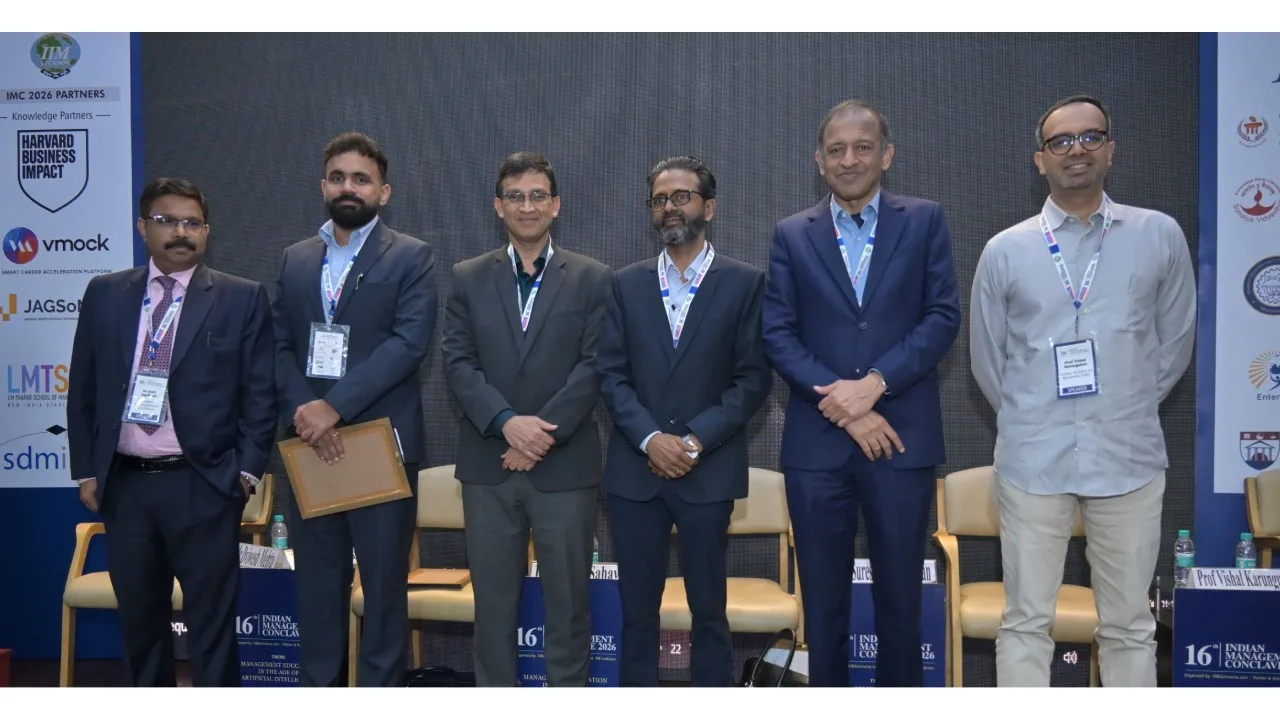
The discussions brought together leaders, including Dr. Rishikesha T. Krishnan, Vice-Chancellor, Ashoka University; Dr. Arvind Sahay, Director, MDI Gurgaon; Dr. Suresh Ramanathan, CEO, IMI Delhi, Kolkata & Bhubaneswar; Dr. Madhu Veeraraghavan, Pro Vice-Chancellor, Manipal University (MAHE); Prof. Vishal Karungulam, Academic Director, ISB Centre for Learning & Teaching Excellence and Lab; and Dr. Atish Chattopadhyay, Director, IMT Ghaziabad.
For Prof. Nagaraj, the question is ultimately larger than whether students use AI. It is about what business schools want students to become capable of doing when AI can increasingly do the easier parts of the work.
Good friction vs bad friction
In his article ‘Why we need good friction in the age of AI’, Prof. Nagaraj explores the distinction between friction that enables learning and friction that simply gets in the way.
At SPJIMR, the approach to AI in management education is grounded in a simple principle: technology should strengthen human judgement, not replace the effort required to develop it. As AI becomes more capable, management education must continue to create spaces for students to question, struggle, reflect, make decisions and take responsibility for them. The objective is not to resist AI, but to use it thoughtfully while preserving the human capabilities that remain central to responsible leadership.