





Four compelling reasons to pursue SPJIMR’s Post Graduate Programme in Development Management
The need for skilled professionals in the social sector has never been more critical. NGOs, foundations, corporate social responsibility (CSR) functions, and social policy departments are pivotal in addressing issues such as poverty, inequality, and environmental sustainability. The social sector’s landscape is dynamic, requiring innovative and strategic approaches to drive meaningful change.
The Post Graduate Programme in Development Management (PGPDM) offered by S.P. Jain Institute of Management and Research (SPJIMR) stands out as a beacon for professionals seeking to enhance their impact. Launched in 2011, this 12-month modular programme has been meticulously designed to equip professionals with the essential skills, knowledge, and opportunities needed to excel in the social sector. Whether you are currently working in an NGO, a foundation, a CSR role, or a social policy department, the PGPDM provides a unique blend of theoretical and practical learning tailored to your professional needs.
The four key reasons for choosing PGPDM
1. Innovative pedagogy
Holistic curriculum
The PGPDM programme offers a comprehensive curriculum that delves deeply into subjects crucial for the development sector. The coursework covers core areas such as project management, sustainable development, policy analysis, and impact assessment. Each of these subjects is tailored to provide a robust understanding of the complexities involved in managing development projects and initiatives.
For instance, the project management module focuses on planning, executing, and monitoring projects to ensure they meet their objectives effectively and efficiently. The sustainable development module explores strategies to promote economic growth while preserving environmental and social resources for future generations. Policy analysis equips students with the tools to evaluate and influence public policies that affect social outcomes. Impact assessment teaches methods to measure the effectiveness and reach of social programmes.
Practical skills
Beyond theoretical knowledge, the PGPDM programme emphasises the acquisition of practical skills through hands-on training, workshops, and real-world projects. Participants engage in interactive sessions that simulate real-life scenarios, enabling them to apply their learning in practical contexts. This approach ensures that graduates are knowledgeable and adept at implementing strategies and solutions in their professional roles.
Aaboo Varghese’s story highlights the programme’s effectiveness in bridging the gap between theory and practice. For example, the skills gained during the programme helped him to design and execute impactful projects, secure funding, and navigate the complexities of the development sector. These real-world applications of classroom knowledge underscore the programme’s value in preparing professionals for the challenges of the social sector.
Strategic management
In addition to leadership development, the PGPDM programme provides comprehensive training in strategic management. Participants learn how to manage resources effectively, scale social impact, and implement strategies that drive sustainable development. The programme’s focus on strategic management ensures that graduates are equipped to handle the complexities of leading social sector organisations.
Alumni have successfully managed large-scale projects, developed innovative solutions to social problems, and led their organisations to achieve significant milestones.
Networking opportunities
One of the standout features of the PGPDM programme is the extensive networking opportunities it provides. Participants have access to a network of professionals, alumni, and experts in the social sector. The programme facilitates numerous networking events, internships, and collaborations that allow participants to build valuable connections.
These networking opportunities often lead to successful partnerships and career opportunities. For instance, alumni have shared stories of securing internships that turned into full-time roles or collaborating on projects that had a significant impact. The programme’s emphasis on networking ensures that participants can leverage these connections to further their careers and drive social change.
2. Flexibility
Working professionals need flexibility in their educational programmes to balance work commitments, personal responsibilities, and learning. Flexible schedules, such as online and modular formats, allow them to continue working while acquiring new skills, enhancing their career prospects without disrupting their professional and personal lives.
The PGPDM programme offered by SPJIMR leverages a blended learning approach, maximising the benefits of both online and in-person learning. Online components offer flexibility, with weekday sessions held after lunch and full-day sessions on weekends. Designed for working professionals, the PGPDM programme is structured in six two-week contact periods. The first, third, and final contacts are residential, taking place on SPJIMR’s Mumbai campus, fostering deeper collaboration and engagement.
3. Exposure and impact
Batch profile
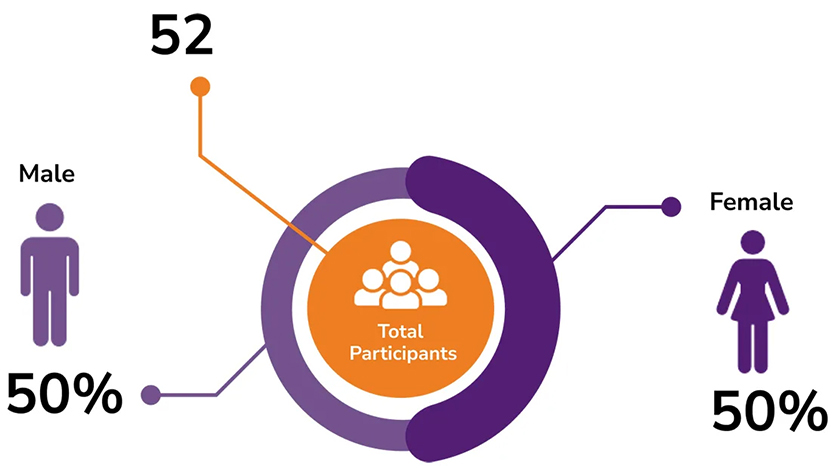
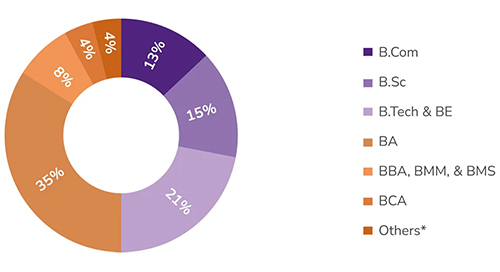
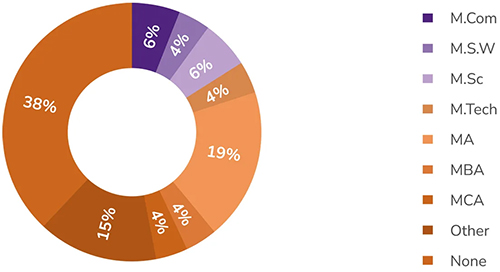
The PGPDM programme boasts a distinguished alumni network encompassing over 325 organisations across 23 Indian states, spanning 23 cohorts in more than 12 years. Our graduates hold leadership positions in the social sector, including founders, heads, trustees, directors of NGOs, social entrepreneurs, CSR managers, programme officers, and consultants.
Personal growth
The PGPDM programme is not only about professional development but also personal growth. It fosters personal development, resilience, and a deeper understanding of social issues. Participants are encouraged to reflect on their values, motivations, and goals, leading to a transformative experience that shapes their personal and professional lives.
Register your interest in this programme
Please fill in the following details
Students have highlighted the programme’s impact on their personal growth and helped them develop a greater sense of purpose, enhanced their resilience in the face of challenges, and deepened their commitment to social change. This personal growth is integral to becoming an effective social sector professional.
4. Leadership development
The PGPDM programme places a strong emphasis on leadership development. Courses and modules are specifically designed to enhance leadership skills, strategic thinking, and decision-making abilities. Participants are trained to become effective leaders who can drive change within their organisations and the broader social sector.
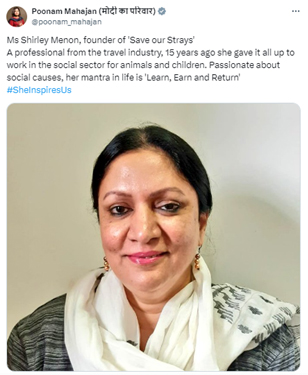
Image source: Thread reader
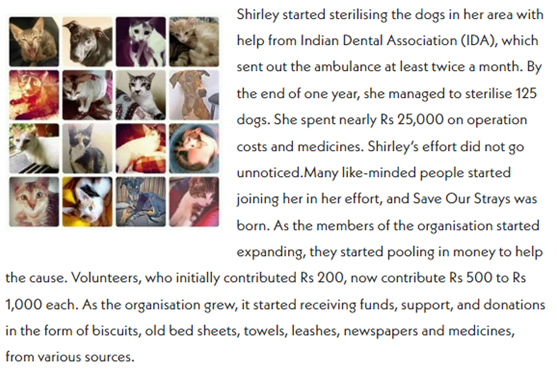
Image source: YOURSTORY
“The PGPDM programme at SPJIMR has been a game-changer for me and my organisation. It equipped me with the skills needed to drive positive change in the social sector. The focus on fundraising, data analysis, and innovation has enabled us to enhance our programmes and achieve tangible outcomes. I’m truly grateful for the learning experience and the lasting impact it has had on our initiatives at St. Jude.“
– Shirley Menon, Chief Programme Officer at St. Jude India ChildCare Centres
The PGPDM programme is designed to prepare professionals for advanced roles within their organisations and beyond. Graduates of the programme are well-equipped to take on leadership positions in NGOs, international organisations, government agencies, and CSR functions. The programme’s rigorous training and comprehensive curriculum provide a strong foundation for career advancement.
Conclusion
By enrolling in the PGPDM, you can gain access to the tools and opportunities needed to excel and drive meaningful change, enhance your skills, advance your career, and contribute to creating a more just and equitable society.
Take your professional and personal growth to the next level and make a lasting impact in the social sector. Enquire now!