


Class of 2028 begins its SPJIMR journey with a commitment to learning, reflection, and responsible leadership
23 June 2026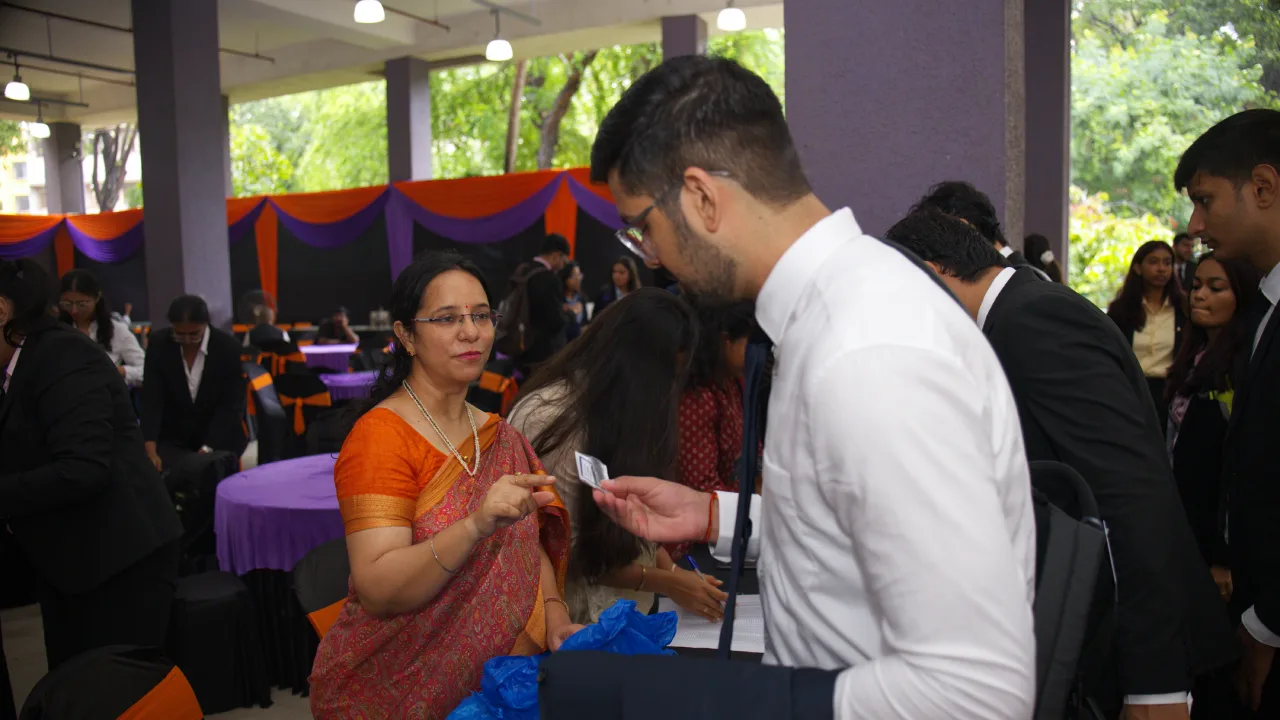
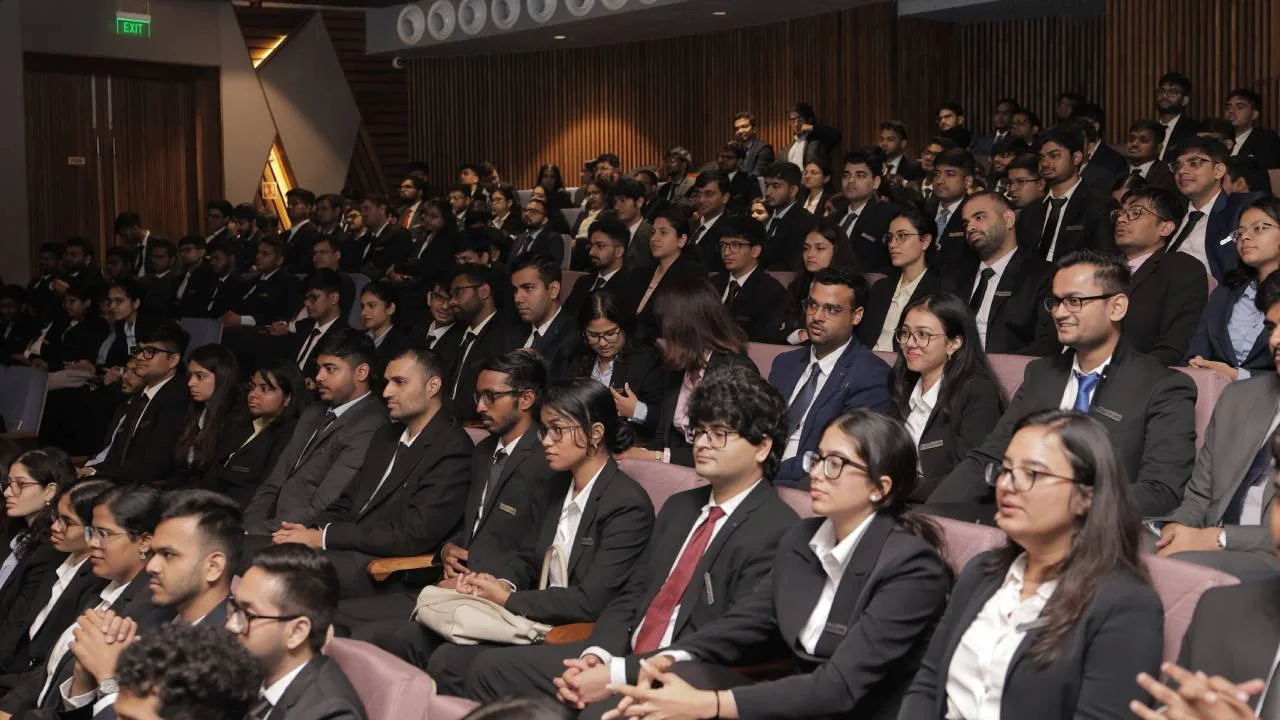
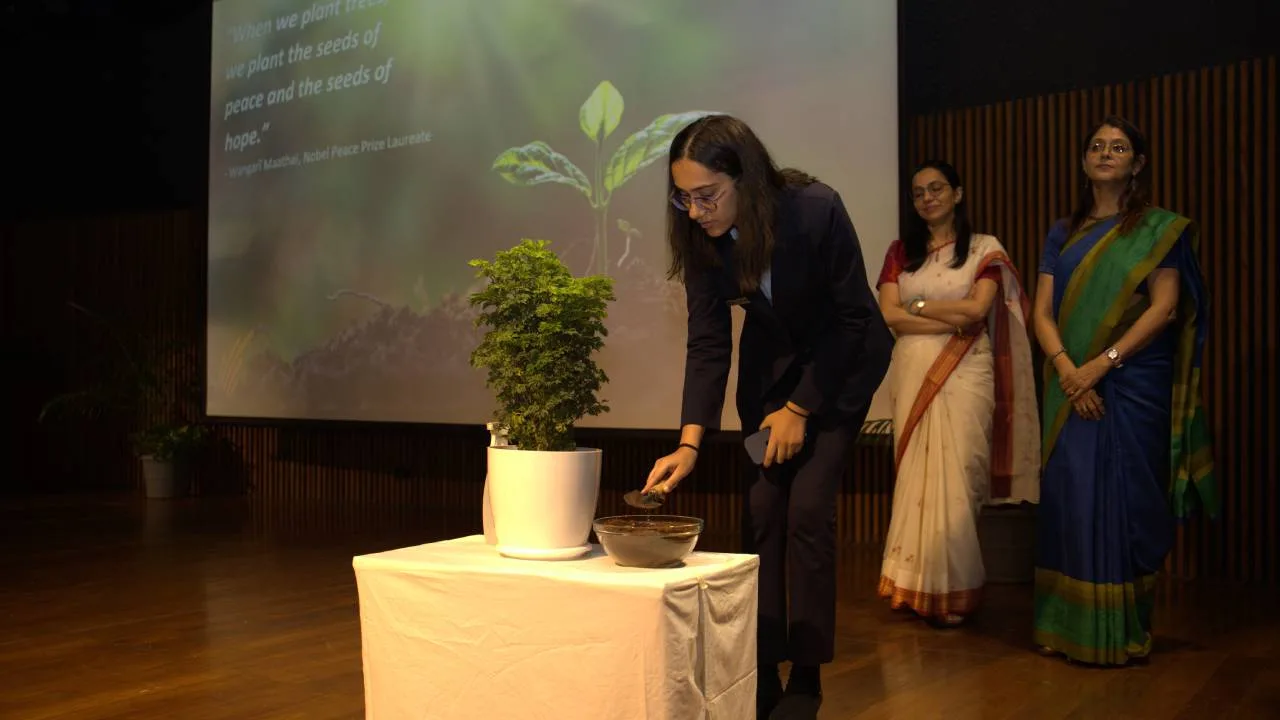
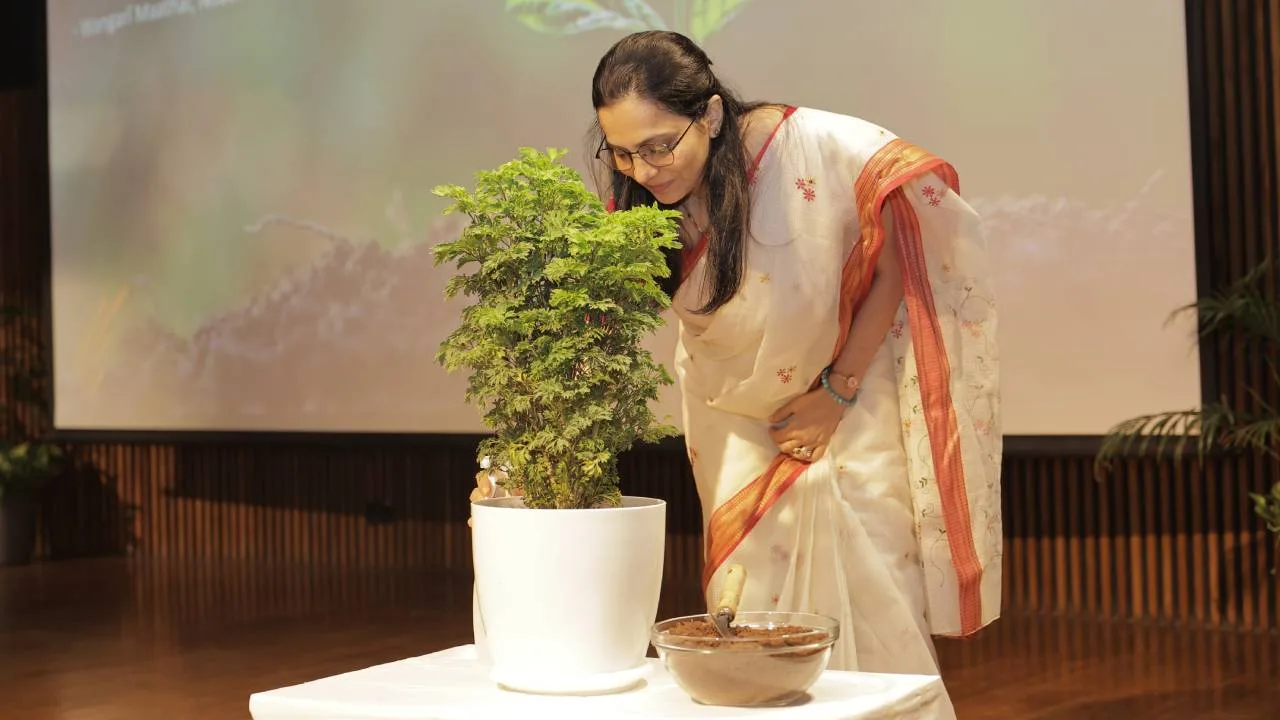
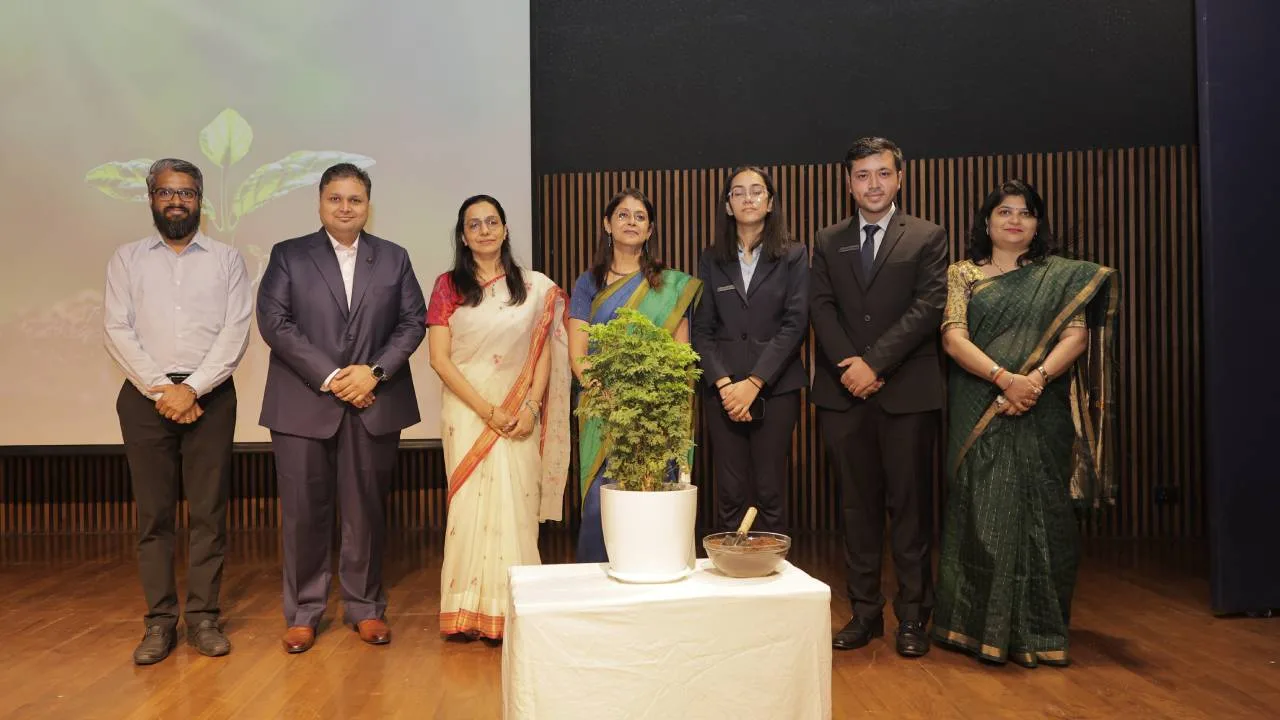
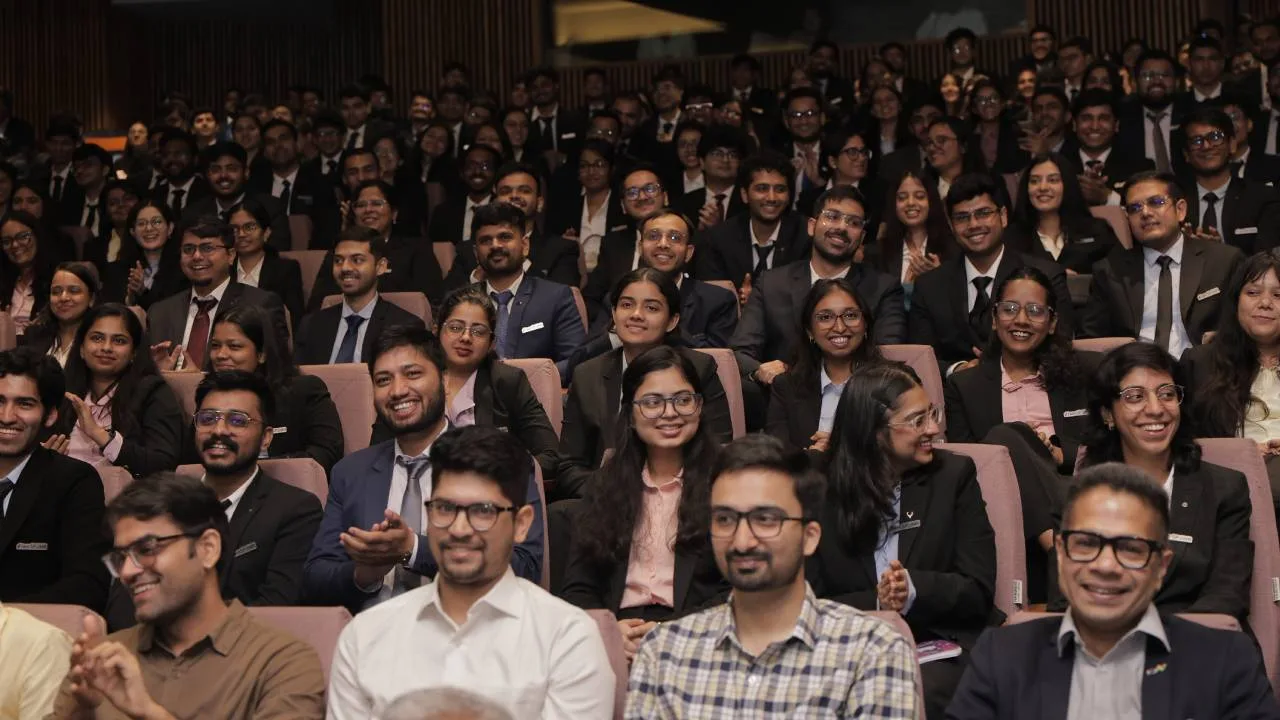
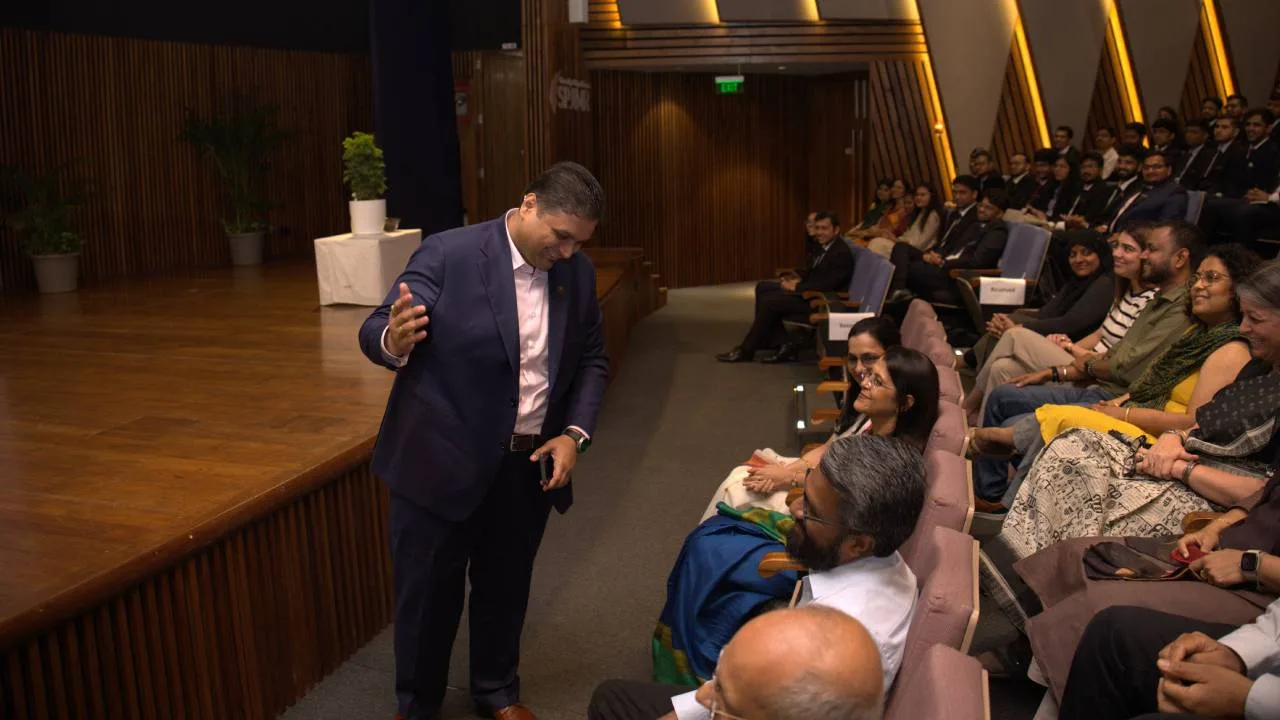
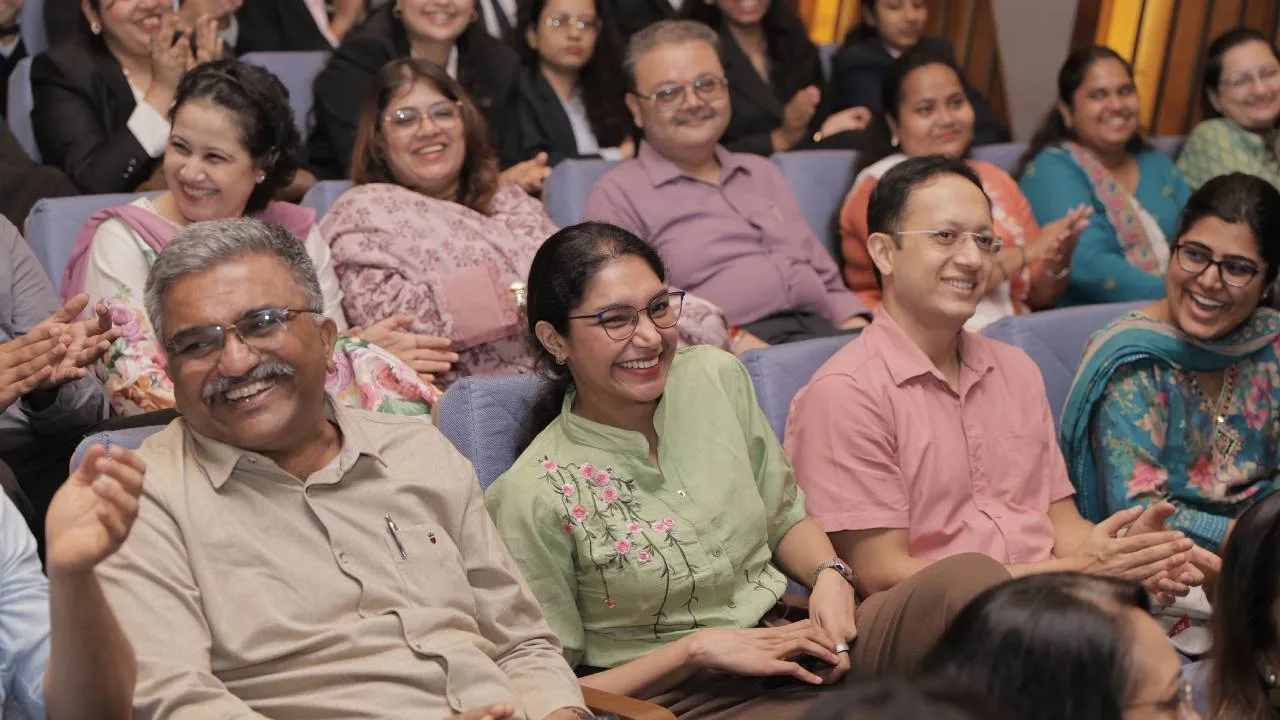
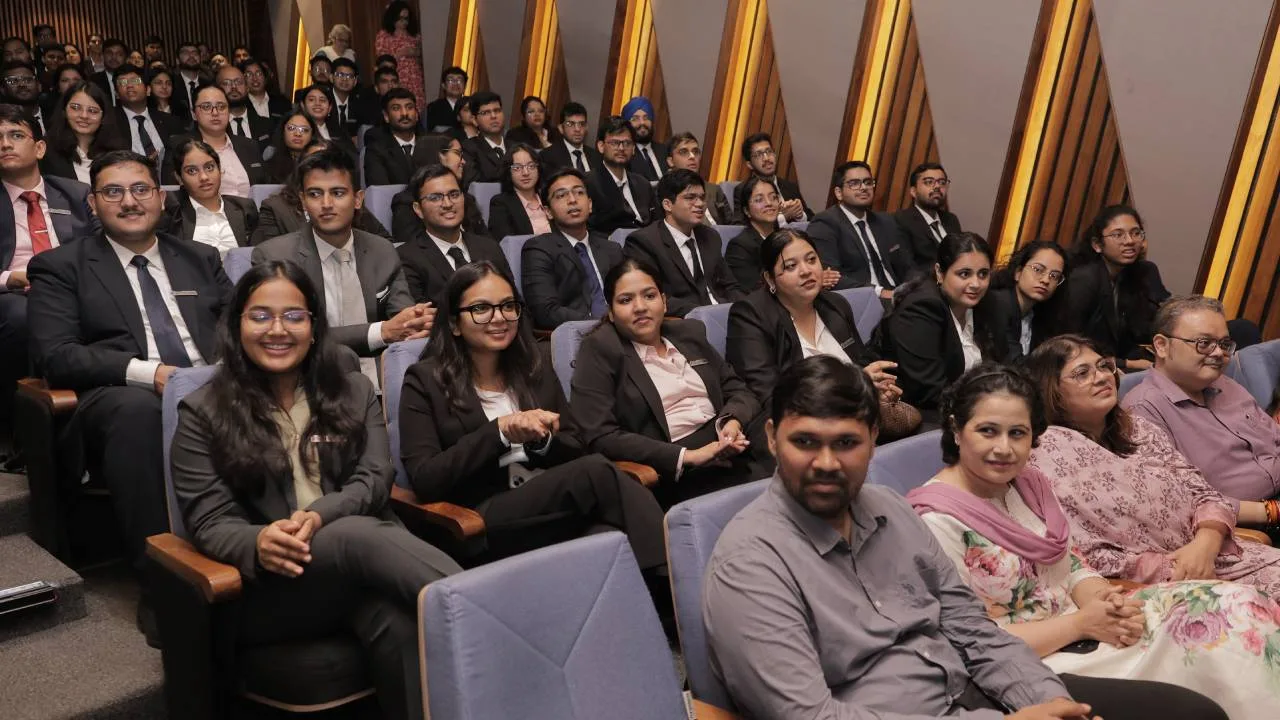
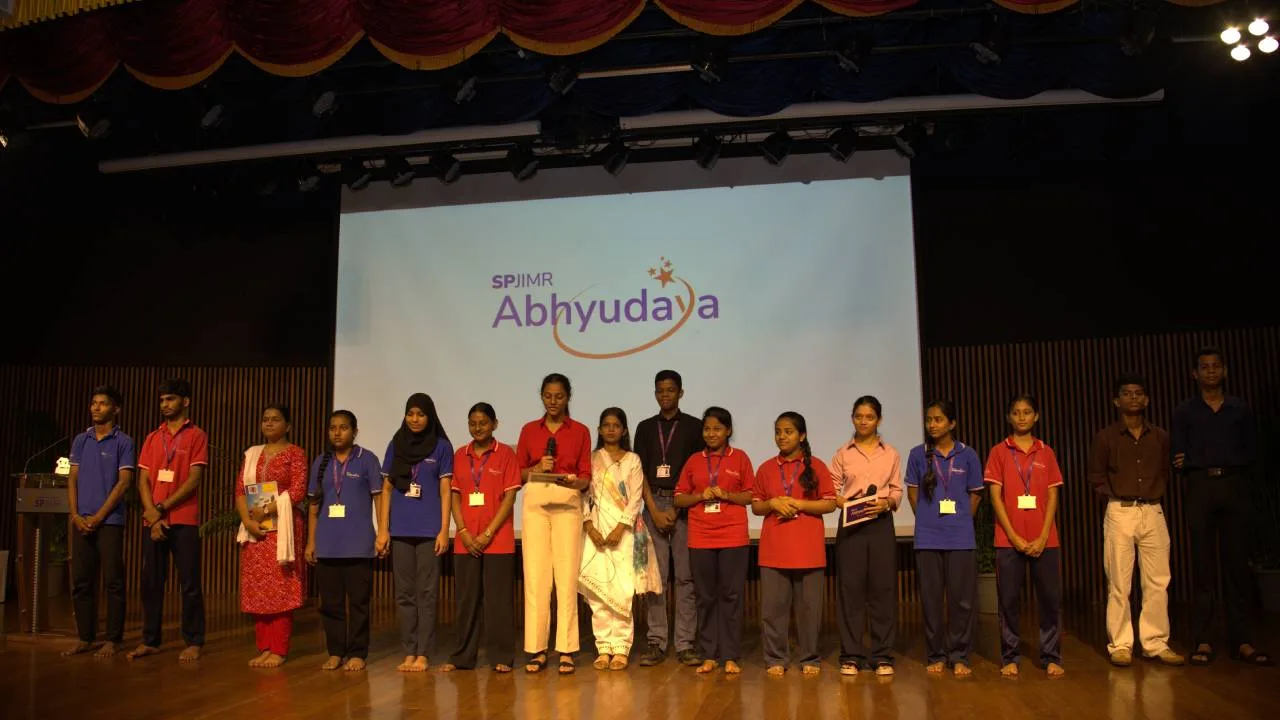
The new cohort of the Post Graduate Diploma in Management (PGDM) and PGDM Business Management (PGDM (BM)) programmes embarked on a journey designed to develop leaders capable of creating impact in an increasingly complex and interconnected world. The inauguration ceremony marked the beginning of an experience that would challenge participants to rethink assumptions, embrace diversity, and grow into professionals equipped to lead with purpose and responsibility.
The Class of 2028 reflects a strong balance of academic, professional, geographic, and gender diversity across both programmes. In the PGDM cohort, 49% of participants come from non-engineering backgrounds and 51% from engineering disciplines, with women accounting for 36% of the batch. In PGDM (BM), women comprise 34% of the cohort, while participants from non-engineering disciplines account for 42%.
The incoming cohort represents 24 states, more than 130 cities, and over 220 organisations across sectors, including banking, consulting, FMCG, technology, manufacturing, and analytics. Eighty-five per cent of participants bring prior industry experience, with academic backgrounds spanning engineering, commerce, arts, finance, management, humanities, insurance, and the sciences. This diversity of backgrounds and experiences contributes to a broad range of perspectives in classroom discussions and peer learning.
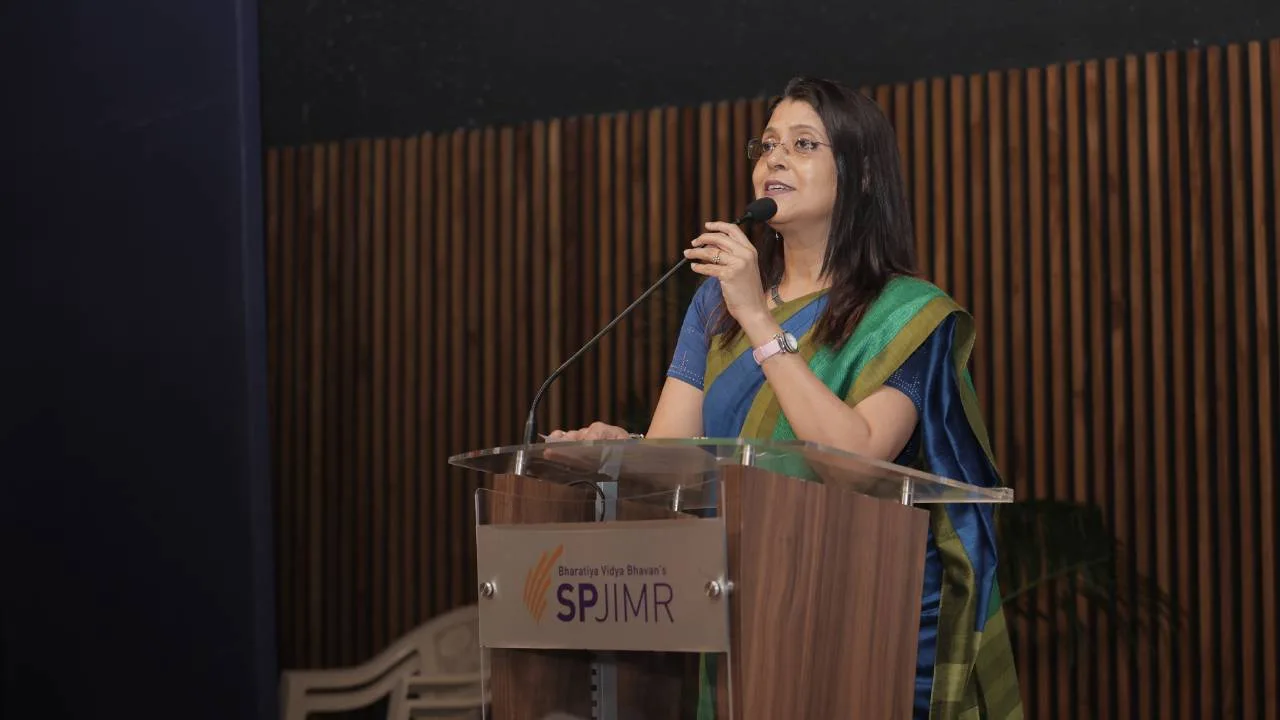
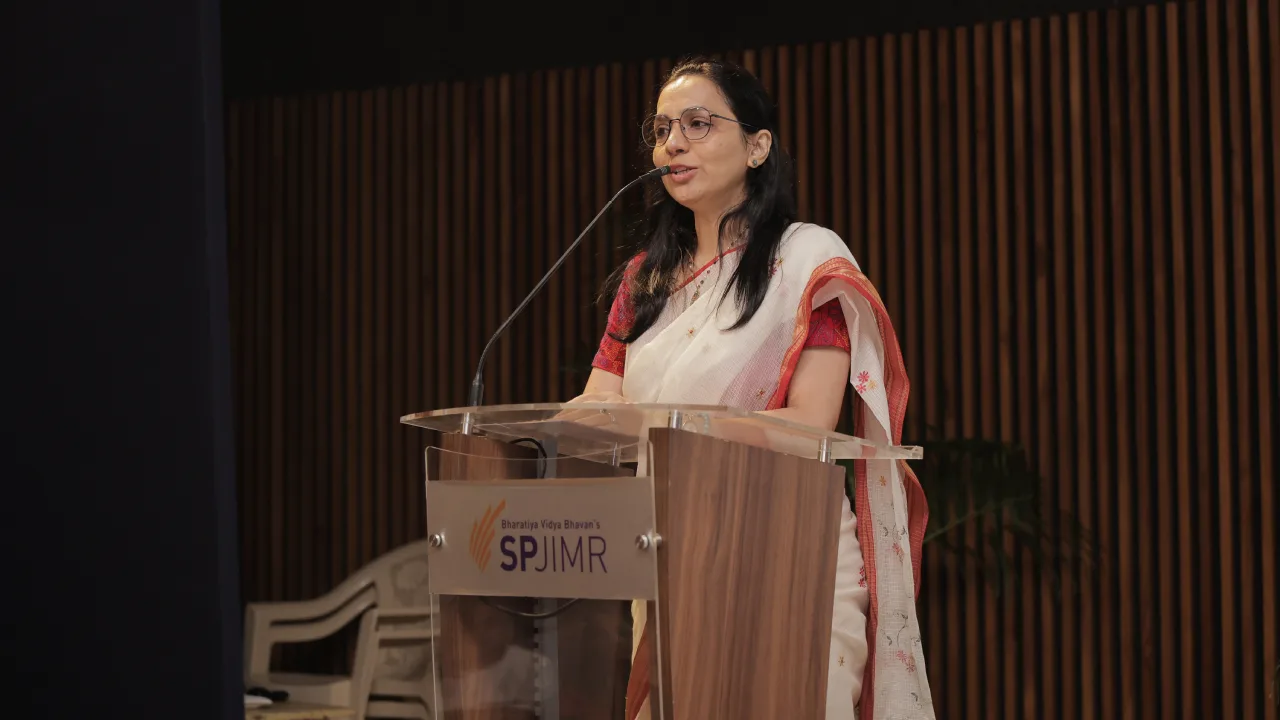
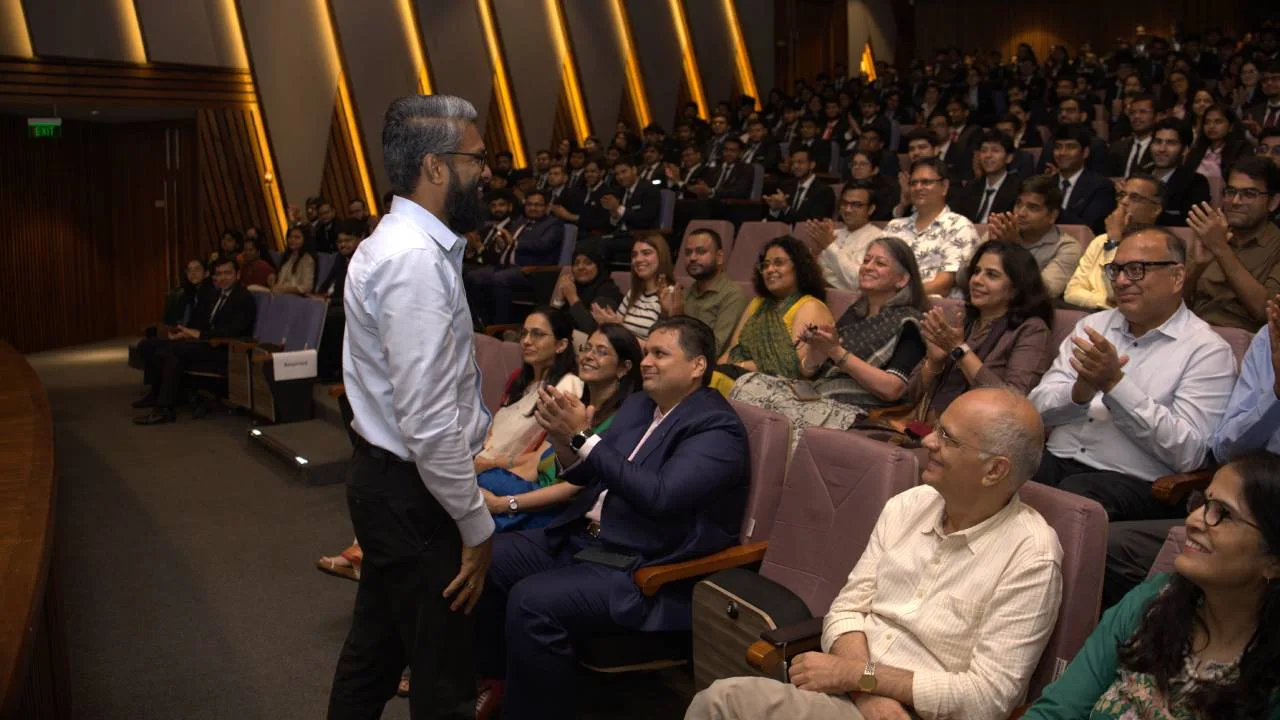
Welcoming the incoming class, Prof. Renuka Kamath, Associate Dean of Full-time Programmes, encouraged participants to view their lives as a ‘cauldron’ shaped by the choices they make, the relationships they nurture, and the values they uphold. Emphasising personal agency and accountability, she urged participants to immerse themselves fully in the SPJIMR experience and to navigate the rapidly changing world. “We will prepare you for a world where you suddenly find that Meta has invested 900 million in Cred and WhatsApp has an Indian boss,” she remarked, concluding with an appeal to the students to “Trust us and trust the process.”
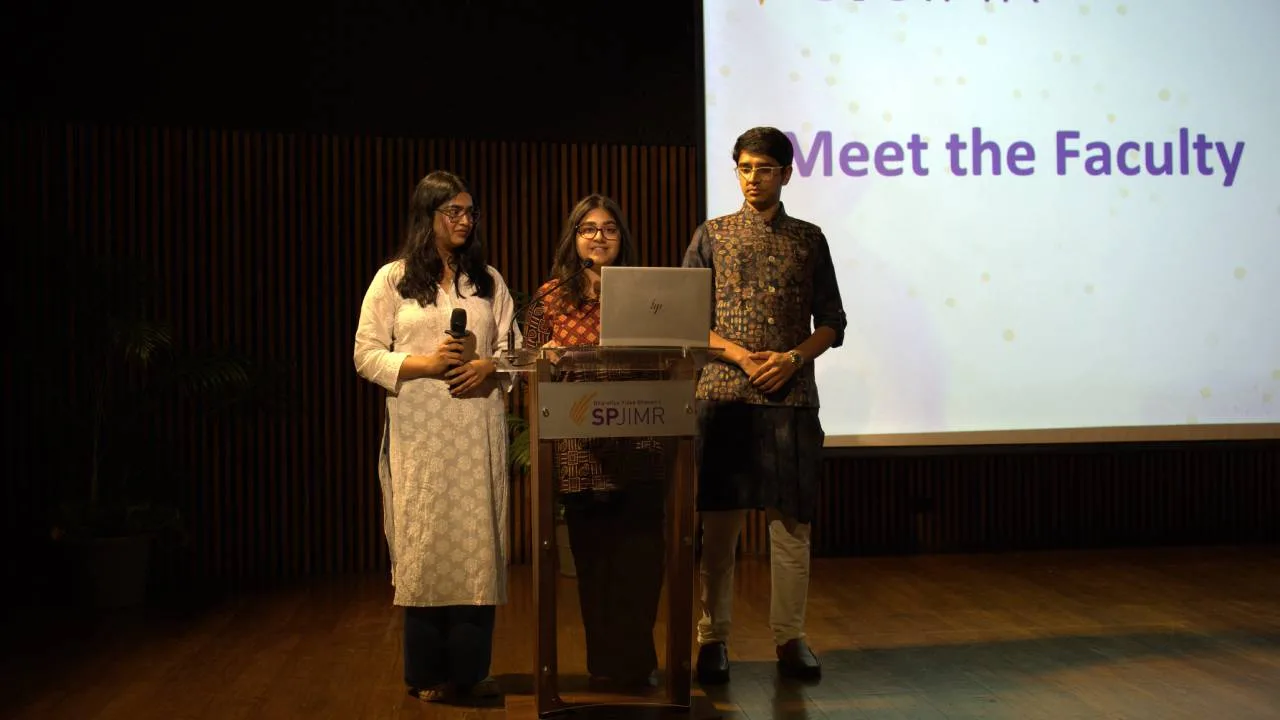
The address was followed by introductions to faculty members, programme leaders, and professional teams who would support participants throughout their journey at the institute.
Prof. Ashita Aggarwal, Chairperson of PGDM and PGDM (BM), outlined five principles that would shape the years ahead: transformation, curiosity, networking, humility, and reflection. She encouraged students to question the assumptions they carried with them and to use their time at the institute as an opportunity for profound personal and professional growth.
Challenging participants to think beyond minor self- improvements, she observed: “You are not here to become the better version of who you already are. You are here to become somebody you haven’t met yet.”
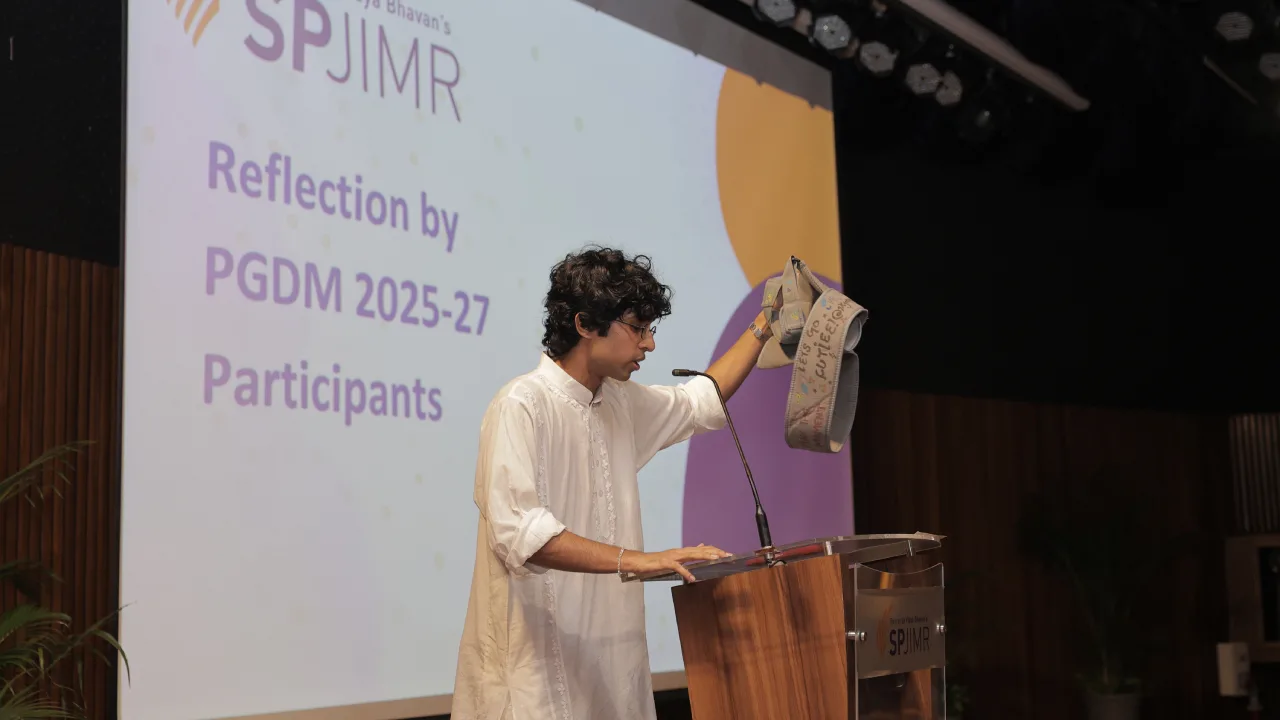
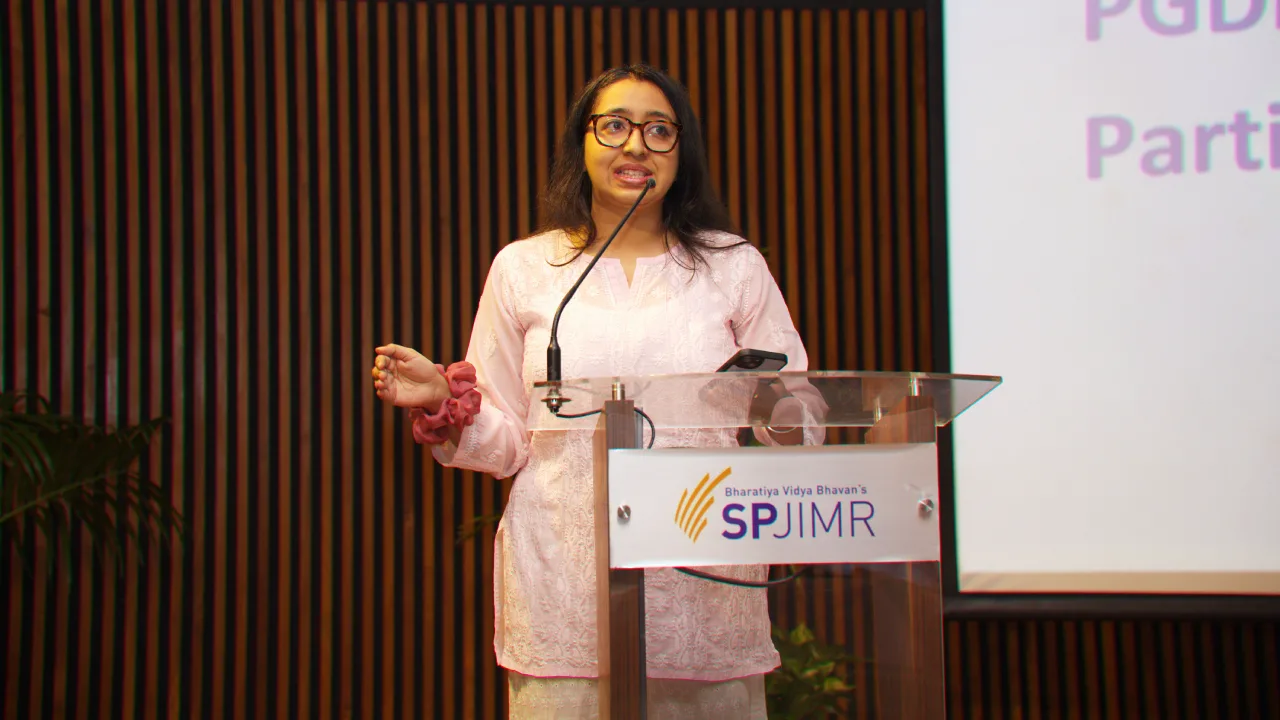
Second-year participants Satyam Paul and Paridhi Puri shared insights from their first year at SPJIMR and reassured the new cohort that they would always be available to support them as they navigated the demands of a rigorous MBA programme.
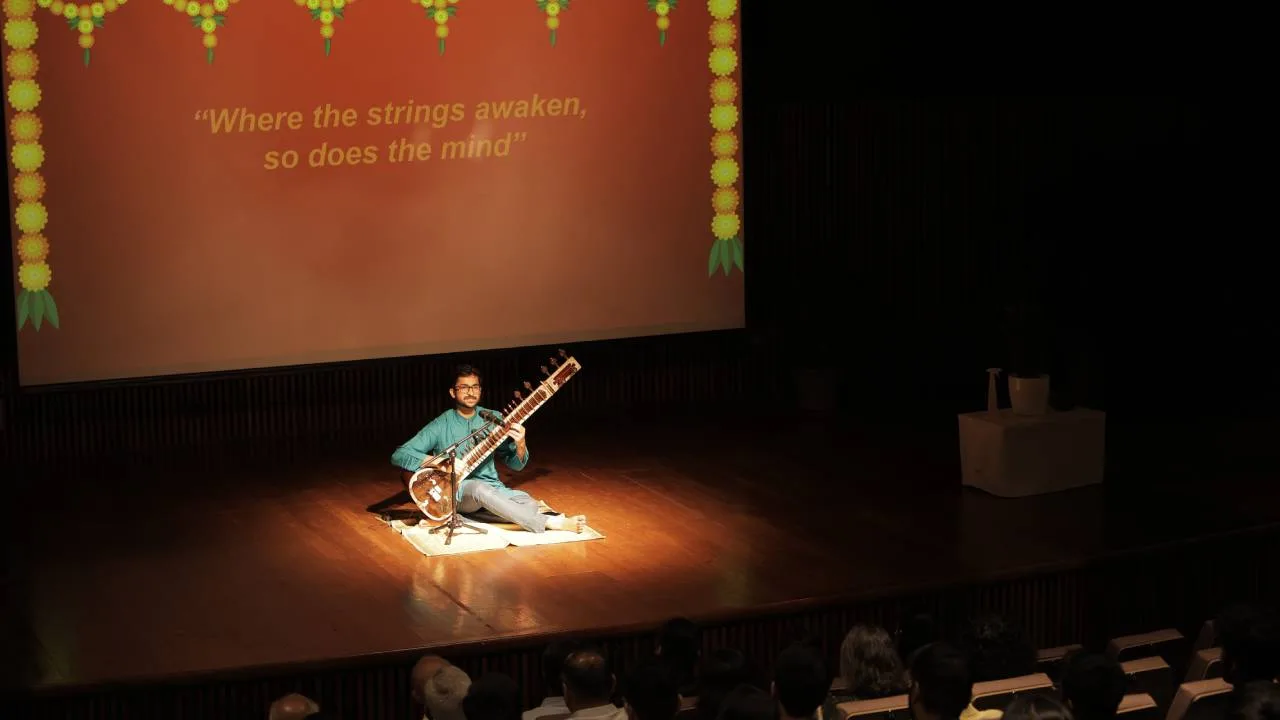
The ceremony concluded with a performance by the Abhyudaya Sitaras, reinforcing SPJIMR’s belief that management education must develop not only capable professionals but also socially conscious leaders who combine competence with compassion and ambition with purpose. SPJIMR aims to prepare the Class of 2028 to not merely adapt to the future but to shape it.