



Beyond intelligence: The centrality of AI metacognition
9-10 April 2026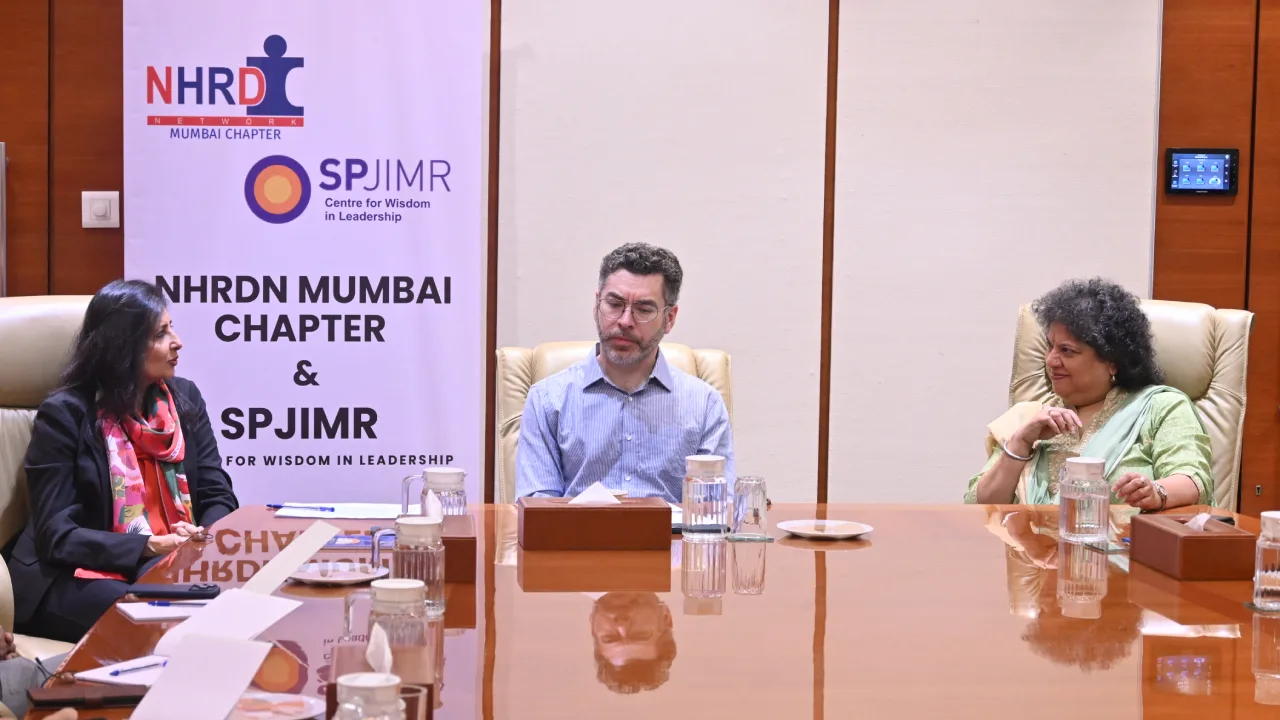
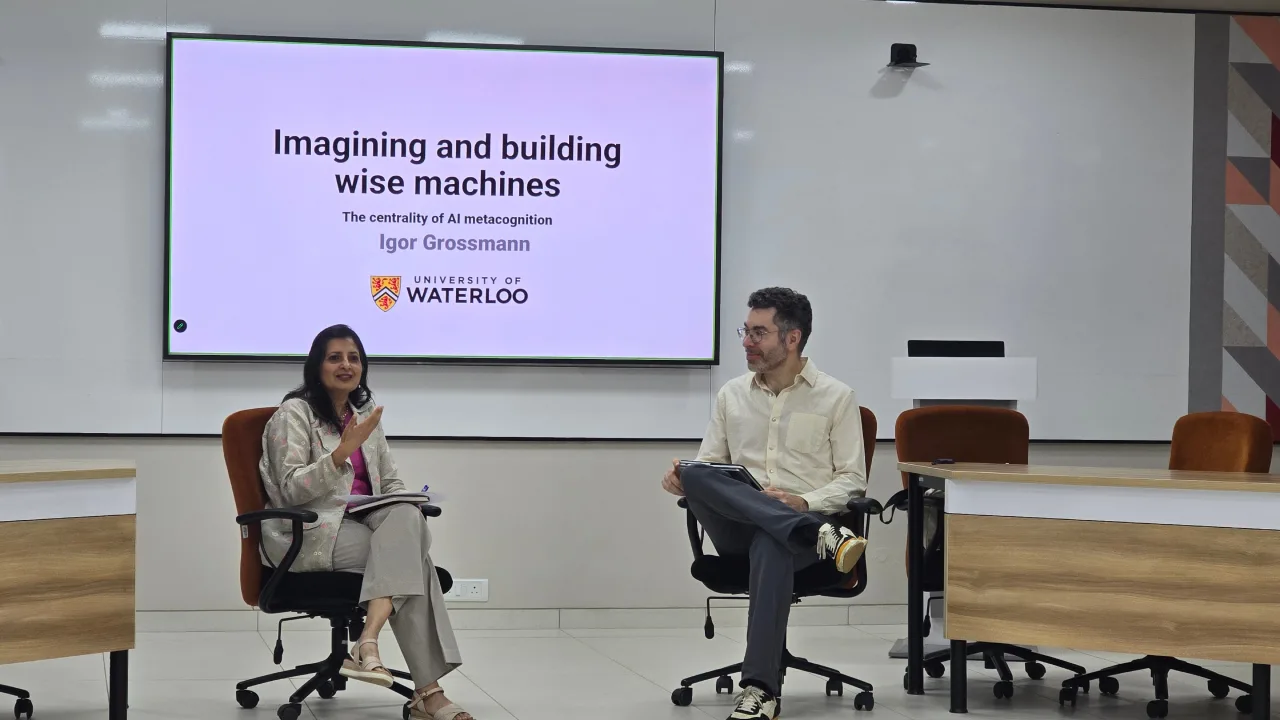
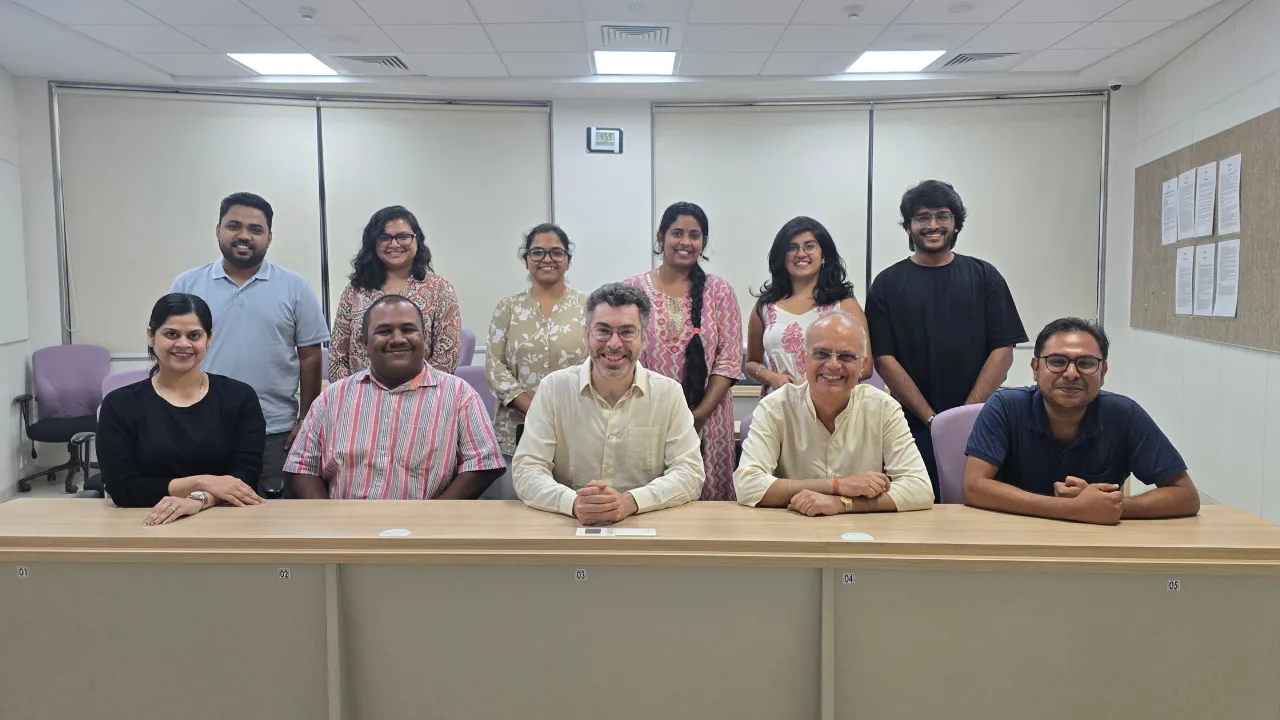

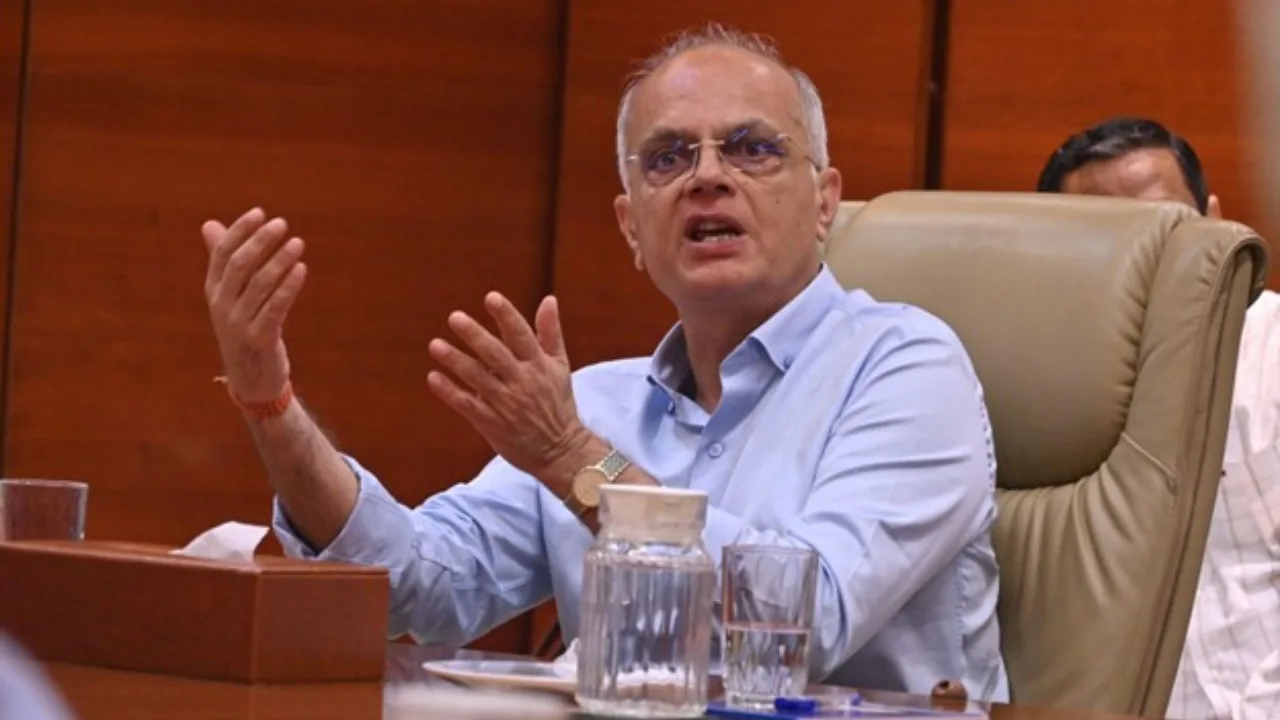
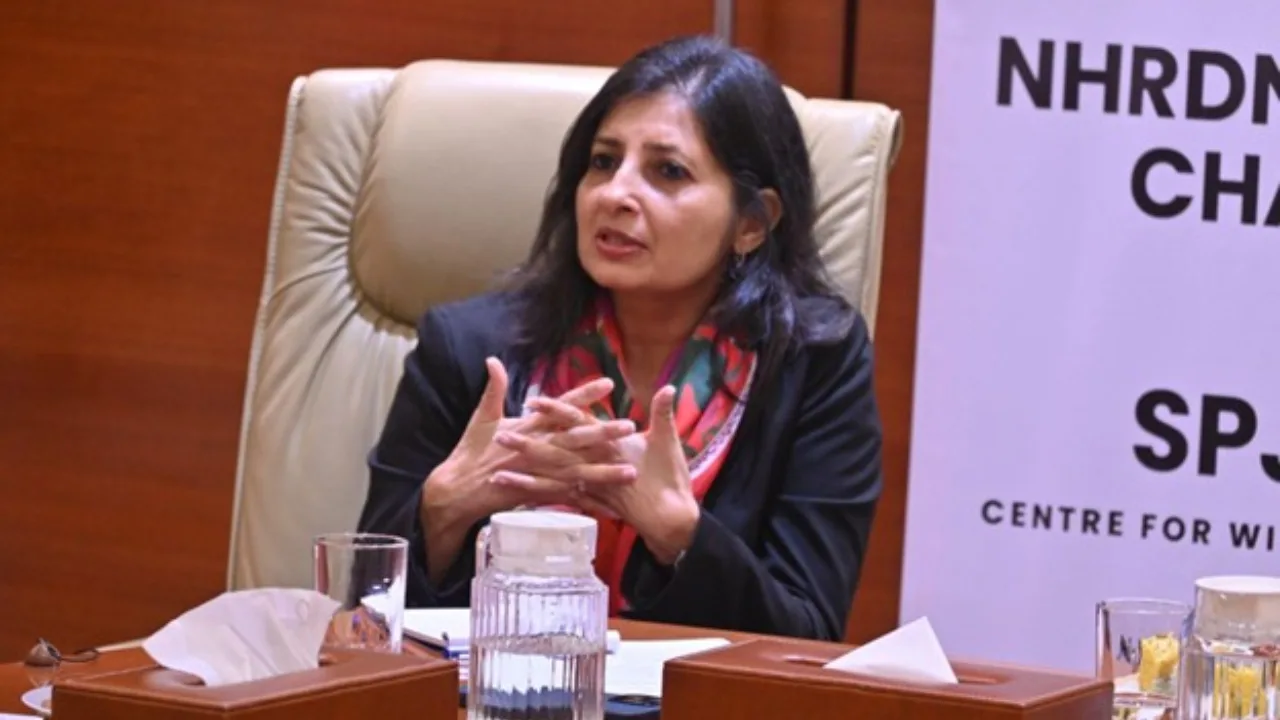
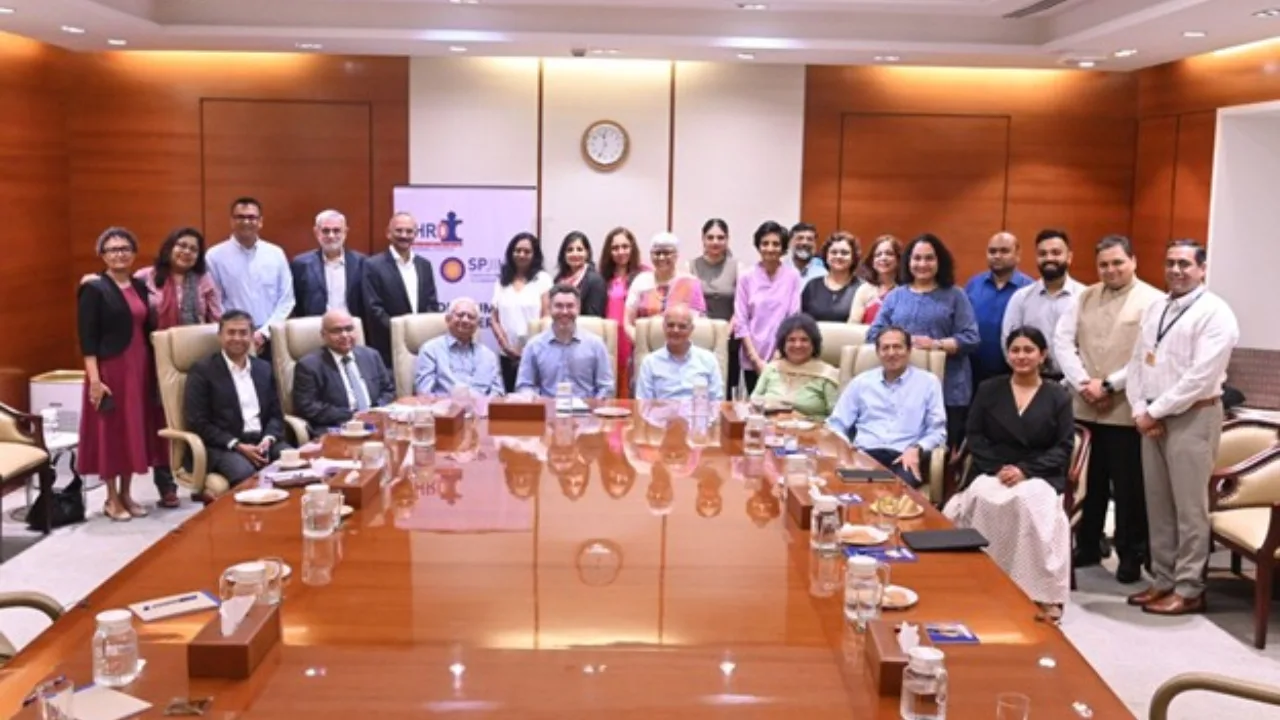
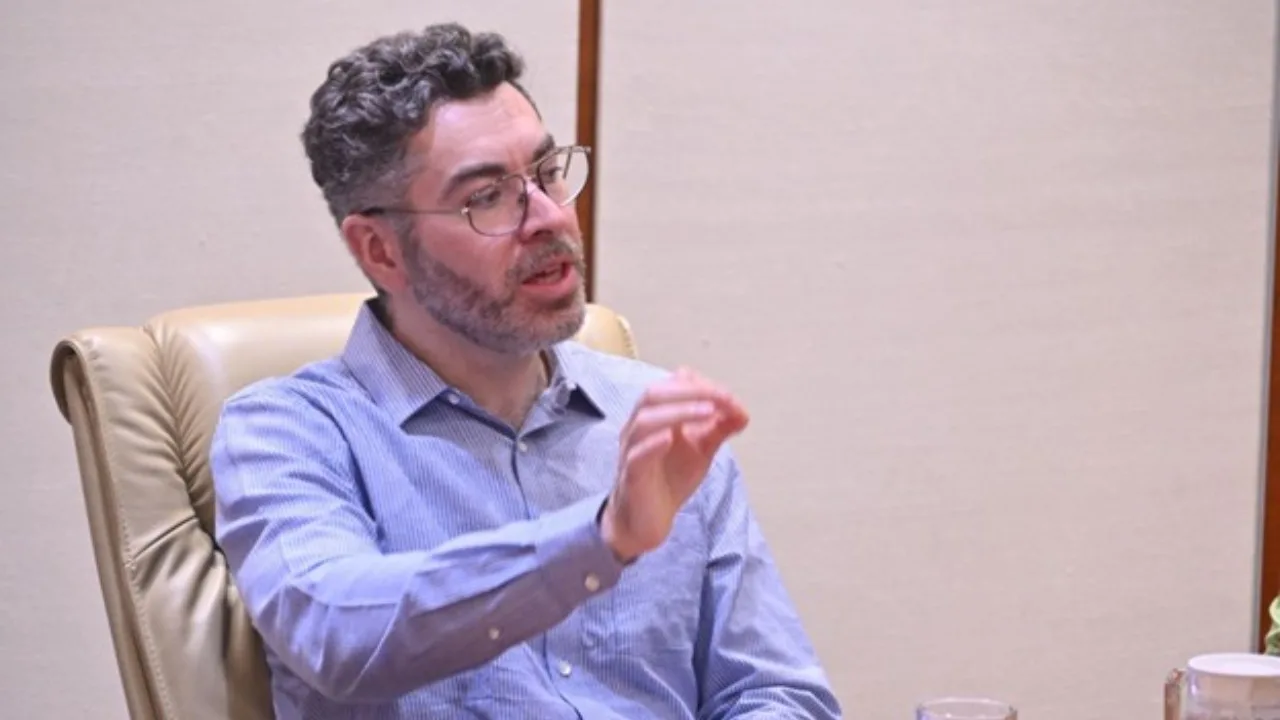
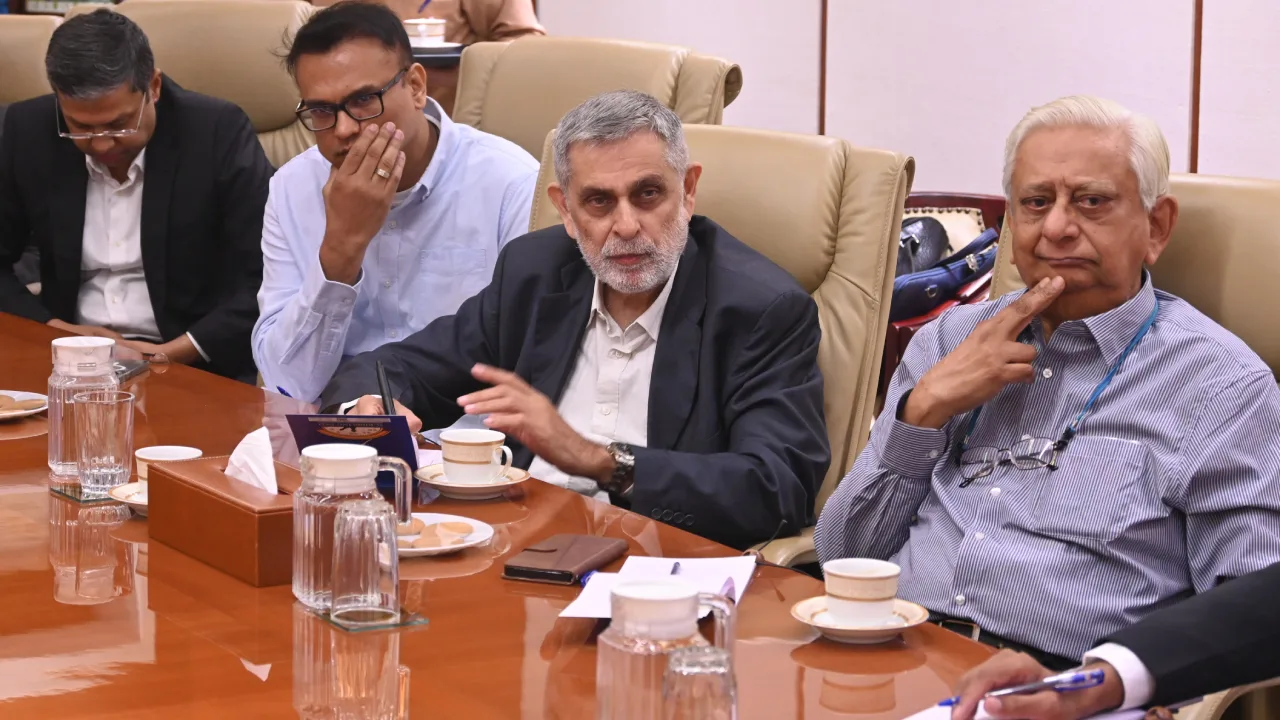
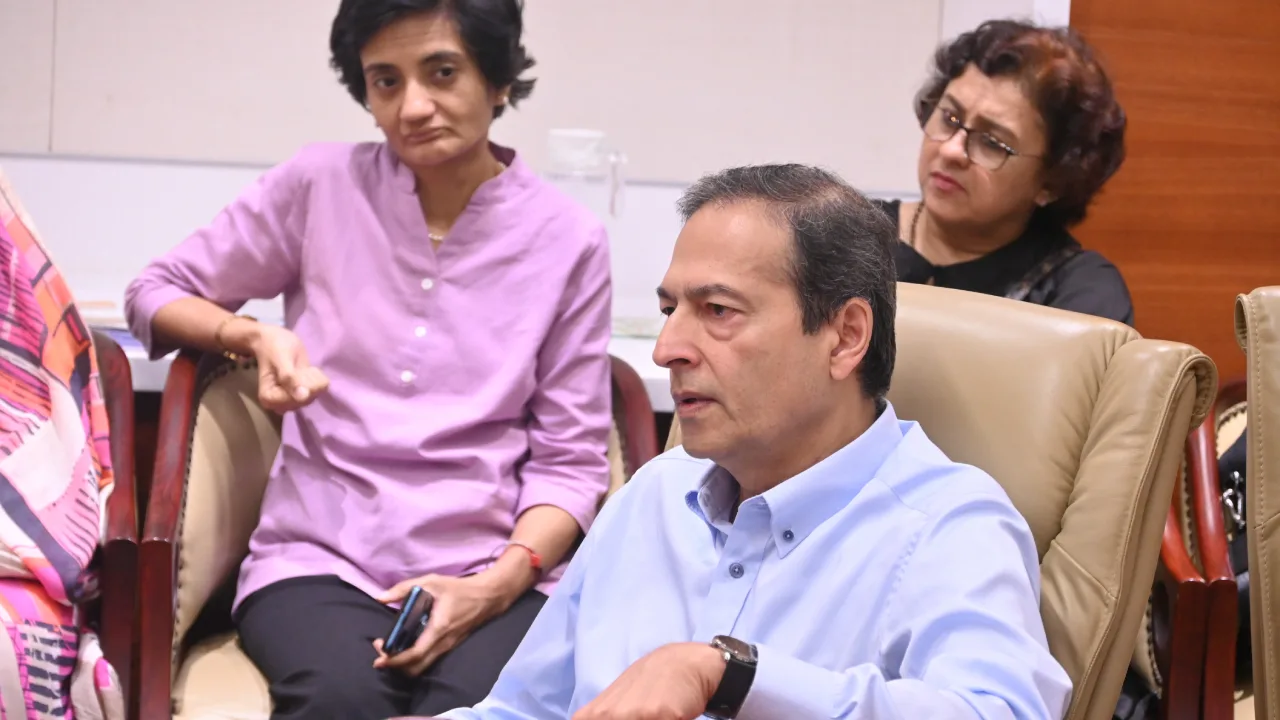
S.P. Jain Institute of Management and Research (SPJIMR) recently hosted Igor Grossmann, Professor of Psychology at the University of Waterloo, Canada, whose work on wise judgement and AI metacognition is shaping contemporary thinking on decision-making in both humans and machines.
Across a series of sessions, including the Faculty Excellence Forum, a doctoral scholars’ interaction, and a roundtable, the discussions explored how wisdom can be understood as a practical regulatory capacity, and how its principles may inform the design of more reflective, context-aware AI systems.
Beyond smart leadership: the case for wise judgement
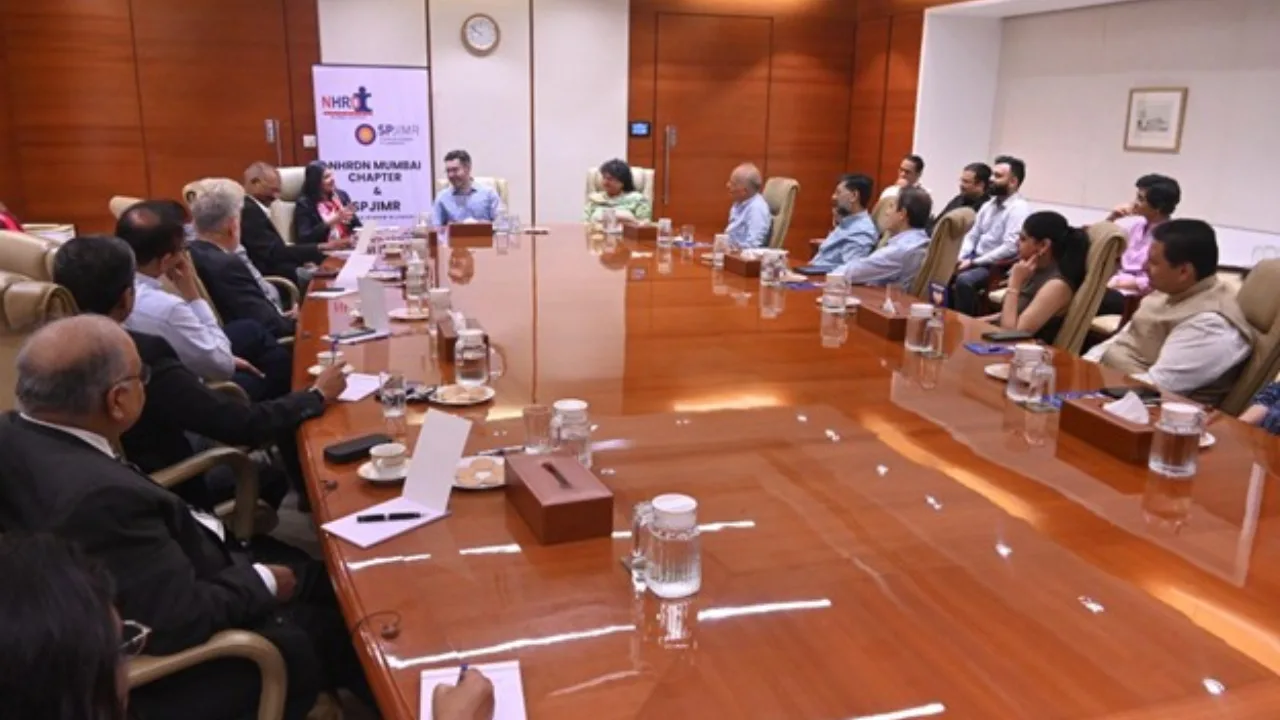
A key highlight of the engagement was the roundtable organised by SPJIMR’s Centre for Wisdom in Leadership (CWIL) in collaboration with the National HRD Network. Facilitated by SPJIMR professors Snehal Shah and Surya Tahora, and Mona Cheriyan, President NHRD, Mumbai, the discussion examined the intersection of wisdom, decision-making in complex contexts, culture, AI and what truly differentiates a ‘smart’ leader from a ‘wise’ one.
Dr. Grossmann argued that while analytical speed and intelligence are valuable, they are insufficient in isolation. He noted that wise leadership demands acute self-awareness of one’s knowledge limits, deep sensitivity to context and openness to diverse perspectives. According to the sources, true wisdom involves acknowledging uncertainty and anticipating the long-term human impacts of every decision. Addressing the pressure of modern corporate environments, Dr. Grossmann shared a clarifying insight:
Metacognition and the challenge of AI
A significant portion of the sessions explored the evolution of ‘wise machines’. The panel explored with Dr. Grossman how AI metacognition, the ability of a system to monitor its own processes, could enable more reflective and context-aware decision-making. He framed metacognition as a vital regulatory process for both humans and machines.
The discussion also touched upon ‘Solomon’s paradox’, the tendency for leaders to display greater wisdom when advising others on conflicts than when managing their own. To counter this, SPJIMR faculty and Dr. Grossmann collaborated on a ‘wisdom toolkit’ designed for leadership development, incorporating self-distancing and reflective dialogue to bridge the gap between theory and practice.
Cultivating intellectual humility
A recurring theme throughout the sessions was the concept of ‘epistemic humility’. In a corporate culture that often celebrates unwavering confidence and rapid action, Dr. Grossmann advocated for a shift toward doubting one’s own knowledge.
Emphasising that this is not a sign of weakness, he clarified, “You can be outwardly very confident, but you should be checking whether your opinions are correct; humility is about doubting your knowledge, not about being meek”. He further suggested that organisations could design their environments to receive feedback, ensuring that humility becomes a cultural hallmark rather than just an individual trait.
A vital compass for uncertain times
Prof. Surya Tahora added a local perspective, discussing how leaders in Indian organisations can navigate diversity and uncertainty by normalising dissent and creating inclusive deliberative spaces. He noted:
The sessions concluded with a shared insight: wisdom, though deeply contextual, remains a vital compass for leadership in an era of rapid change. Through such engagements, SPJIMR seeks to contribute meaningfully to ongoing conversations on how both organisations and intelligent systems can operate with greater reflection, balance, and judgement in an increasingly complex world.