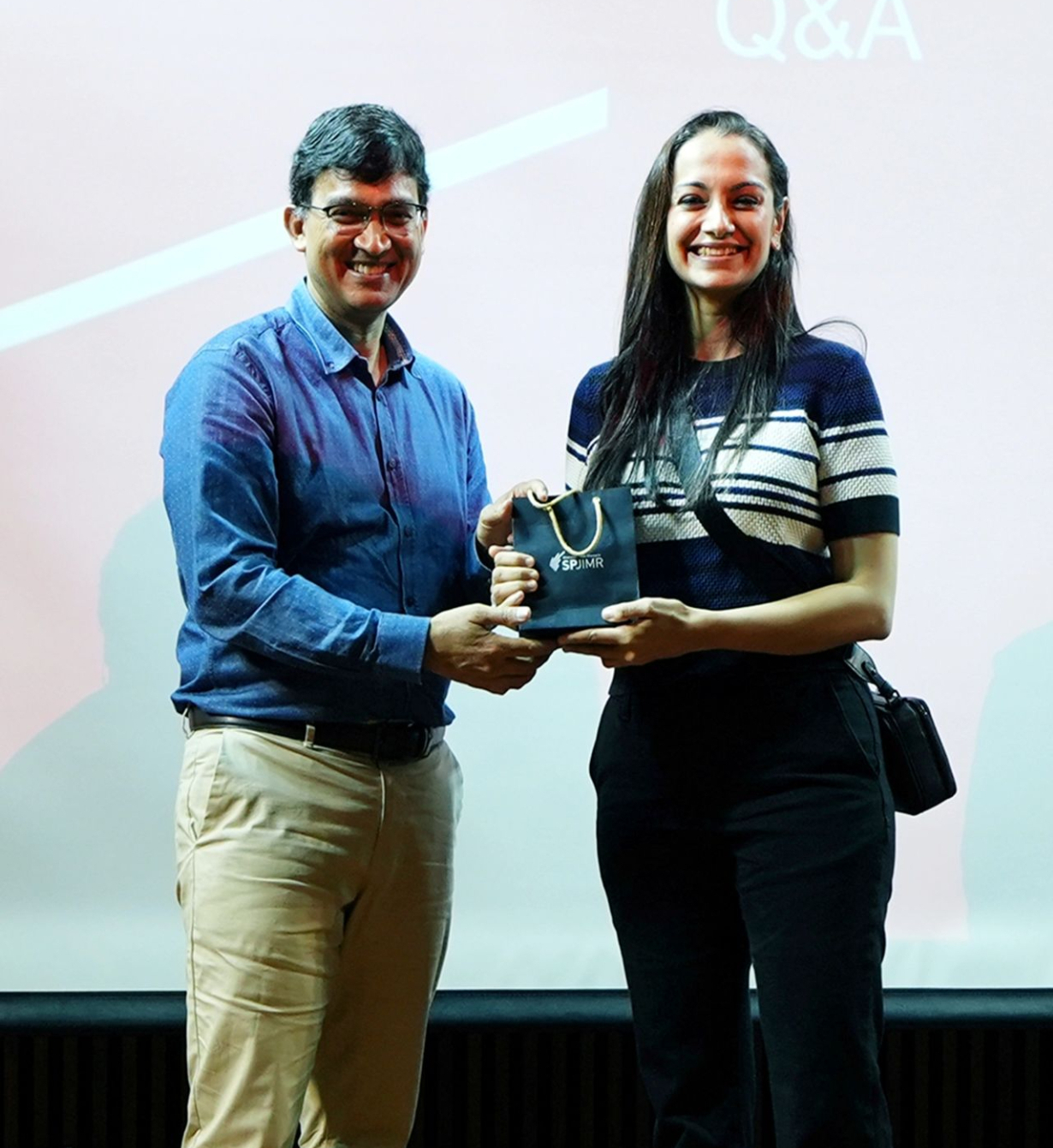


The detours were the plan all along
Reeti Nageshri, PGDM 2015 alumna
SPJIMR alumna Reeti Nageshri on twin toddlers, electric SUVs, and why the most meaningful opportunities often arrive before you feel ready.
My day usually starts before the alarm. Not because of Mahindra. Because of two-year-old twin boys. By the time I get to work, I’ve often settled one crisis, negotiated another, and lost at least one argument I thought I was winning.
Leadership, I’ve learned, starts early. The rest of the day isn’t much calmer. One hour could be spent reviewing customer feedback from the field. The next discussing business performance. Somewhere in between, there’ll be conversations about products, dealers, marketing, execution, and whatever unexpected challenge the day decides to throw at us.
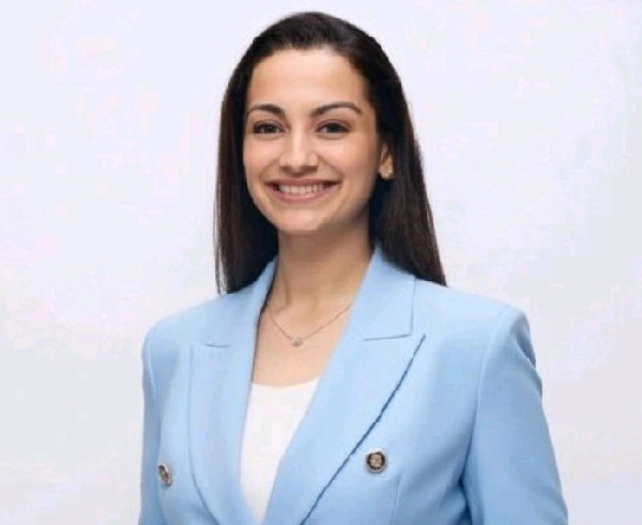
Image credit: LinkedIn
That’s probably why I’ve stopped believing careers happen in straight lines. Mine certainly didn’t.
I started out as a computer engineer. At SPJIMR, I specialised in Information Management. If someone had told me then that I would one day be helping build an electric SUV business, I would probably have laughed.
And yet, looking back, that’s exactly what makes careers interesting. Most of the important opportunities in my life arrived before I felt fully ready for them.
“What SPJIMR gave me wasn’t all the answers – it gave me the confidence to keep learning, adapting and growing along the way.”
One of the biggest lessons I took away from SPJIMR wasn’t a framework or a theory. It was learning that you don’t need to have everything figured out before taking the next step. Business school introduced me to people who thought completely differently from me.
There were classroom debates where nobody was entirely right. Group discussions where the best answer emerged only after several wrong ones. And plenty of moments where confidence came not from certainty, but from being willing to engage with ideas.
For someone with an engineering mindset, that was a shift. I arrived looking for answers. I left with better questions. That mindset has stayed with me through every role since. And there have been quite a few.

From technology to sales. From product to marketing. From business operations to helping shape one of India’s fastest-growing EV businesses. Every transition came with a period where I felt like the least knowledgeable person in the room. And strangely, that’s usually been a sign that I’m learning something valuable.
“Businesses are not built by individuals but by teams.”
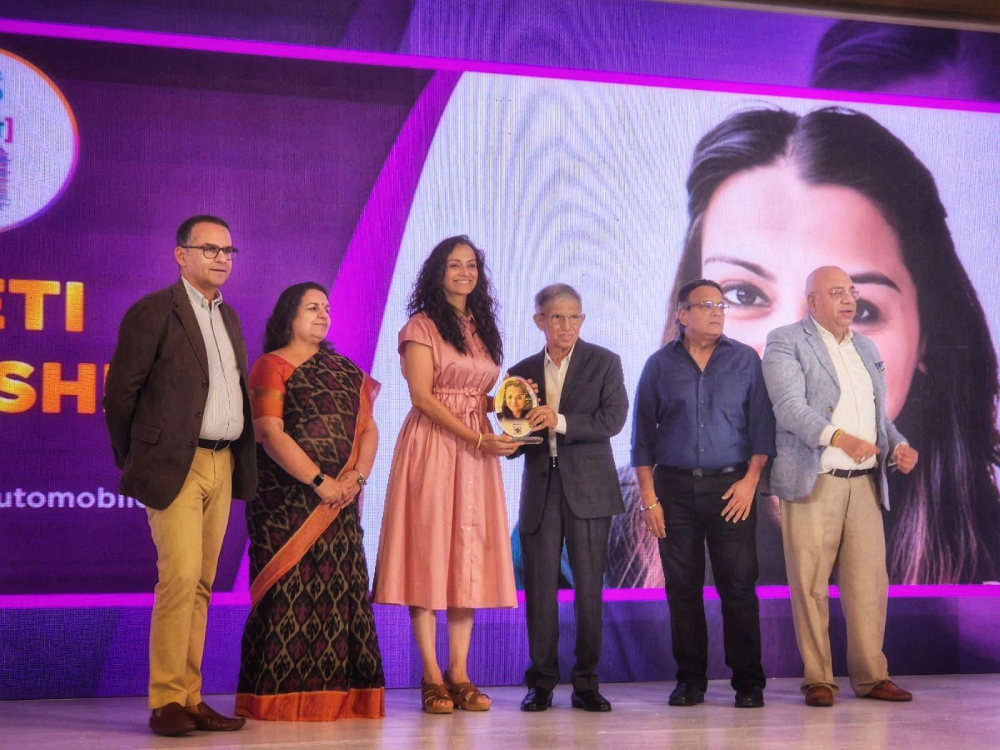
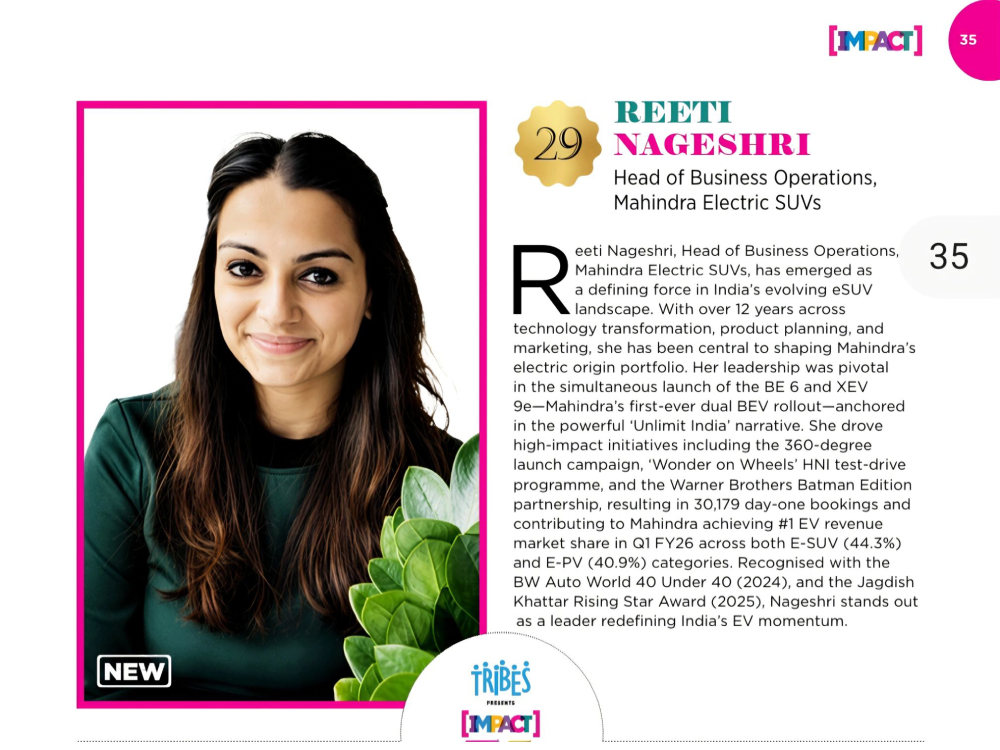
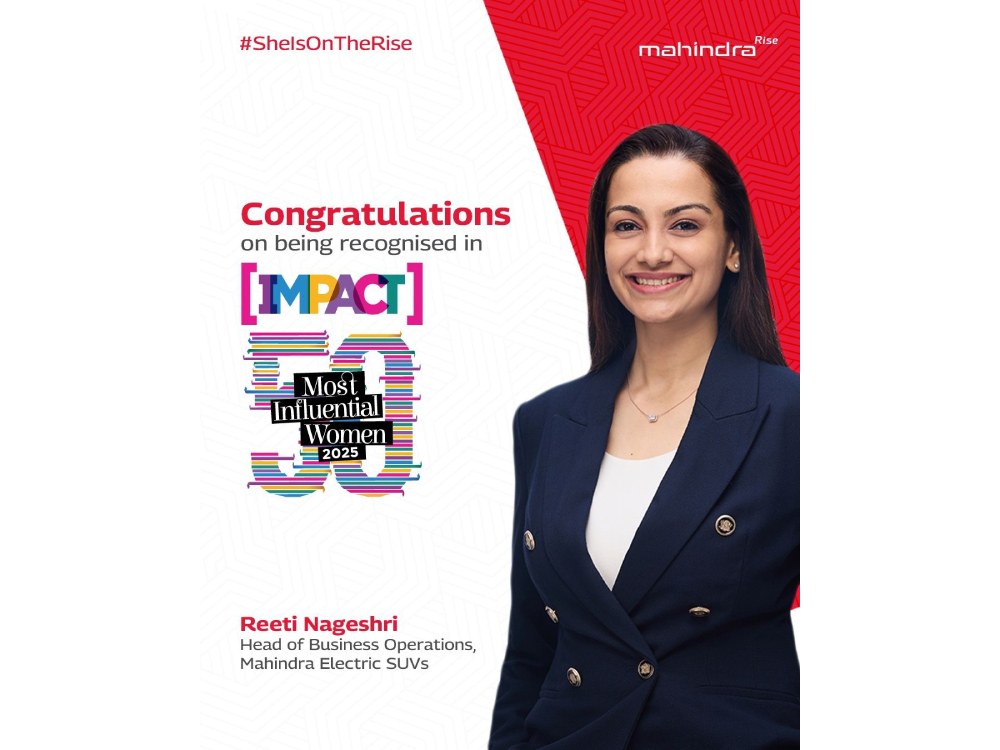
Today, I am part of the team behind Mahindra Electric Origin SUVs, which emerged as India’s No.1 electric passenger vehicle brand by revenue market share, with over 60,000 electric SUVs on Indian roads within its first year of operations.
It’s been an exciting journey, and one that has brought recognition along the way. Over the years, I’ve been fortunate to receive honours including The Economic Times Young Leaders Award, BW Auto World’s 40 Under 40, the Jagdish Khattar Rising Star Award, and, most recently, being featured among IMPACT’s 50 Most Influential Women of 2025, where I was ranked among the Top 30.
While I’m grateful for the recognition, I’ve never really believed businesses are built by individuals. They’re built by teams. Which brings me to another lesson that has become more important with every passing year.
“Customers don’t live inside frameworks.”
Business school gives us useful models. They help us think clearly. But real life has a habit of refusing to fit neatly into PowerPoint slides. Some of my most valuable lessons haven’t come from conference rooms. They’ve come from customers. From dealers. From spending time in the field.
The customer who uses your product differently from what you expected. The dealer who spots a trend before the data does. The frontline employee solving a problem nobody at headquarters even knew existed. The closer you stay to reality, the better your decisions become.
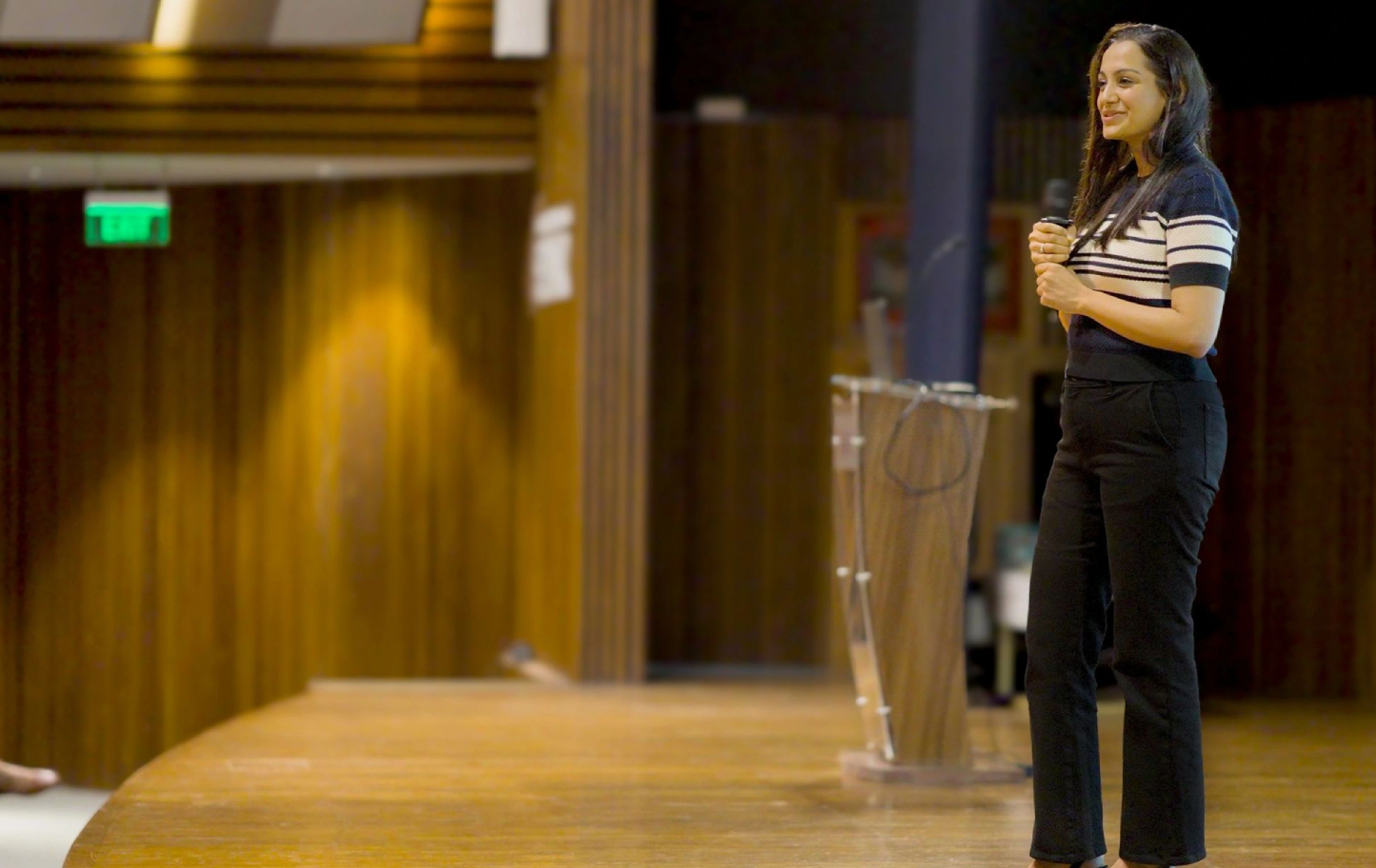
“Leadership is actually about empathy.”
Another thing that surprised me about leadership is how much of it is actually about empathy. Early in my career, I thought leadership was mostly about making decisions. Today, I think it’s equally about understanding people.
The more responsibility you get, the more you realise everyone is carrying something you can’t see. A family challenge. A confidence issue. A difficult phase of life. A dream they’re still trying to figure out.
Most people come to work wanting to do good work. Once you understand that, you listen differently. You judge less quickly. You become more interested in helping people succeed than proving you’re right. That perspective becomes even more important when life gets busy.
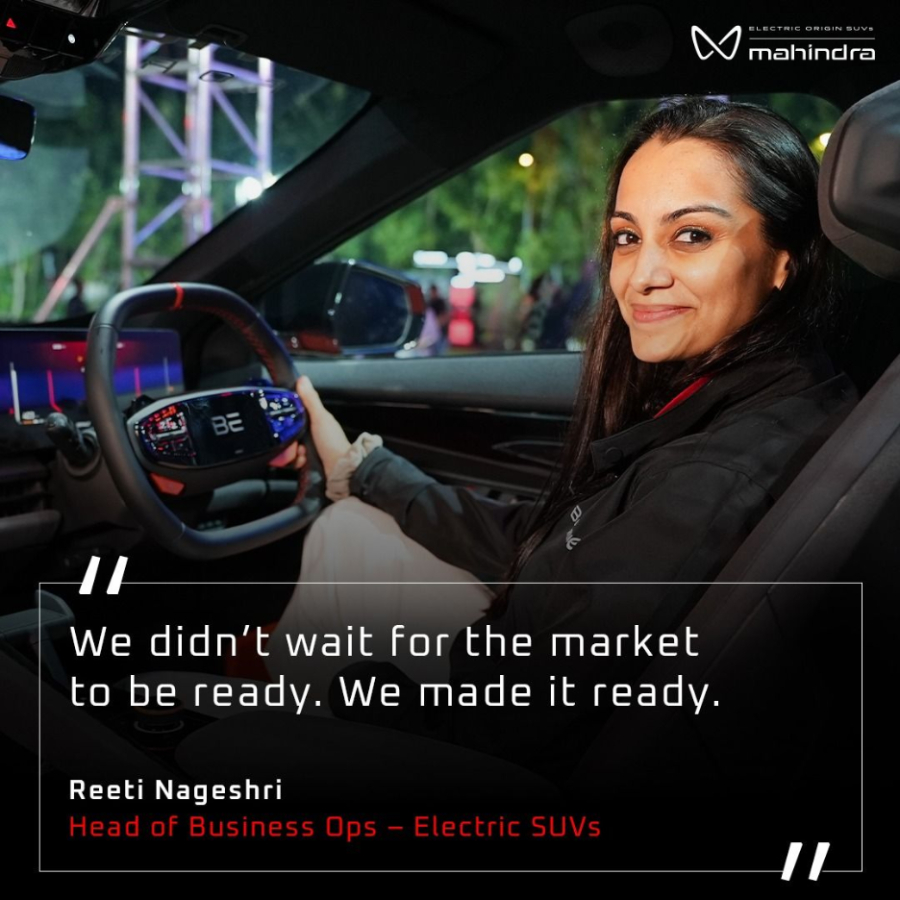
Image credit: LinkedIn
“Nobody builds anything alone.”
And with twin toddlers at home, life definitely gets busy. I’ve become increasingly convinced that nobody builds anything alone.
Not careers. Not families. Not businesses.
It takes partners, parents, friends, colleagues, mentors, managers and teams. In short, it takes a village. Looking back, that’s probably what SPJIMR gave me more than anything else. Not just business knowledge. Perspective. The confidence to step into opportunities before feeling fully ready.
The humility to ask for help when I need it. And the curiosity to keep learning even when I think I know the answer.
Because careers don’t move in straight lines. Thankfully.
The detours are usually where the interesting stuff happens.