




In today’s global environment, negotiation is no longer confined to boardrooms. Ongoing geopolitical tensions, including the evolving dynamics in the Middle East, highlight how negotiation shapes outcomes across nations, industries and markets. Whether it is managing conflict, securing alliances or stabilising economic relationships, the ability to negotiate effectively has become a critical skill.
Negotiations are often perceived as a zero-sum game. One party wins (obtaining the most value) while the other loses. Often, individuals evaluate success based on how much value they extract from the opposing party.
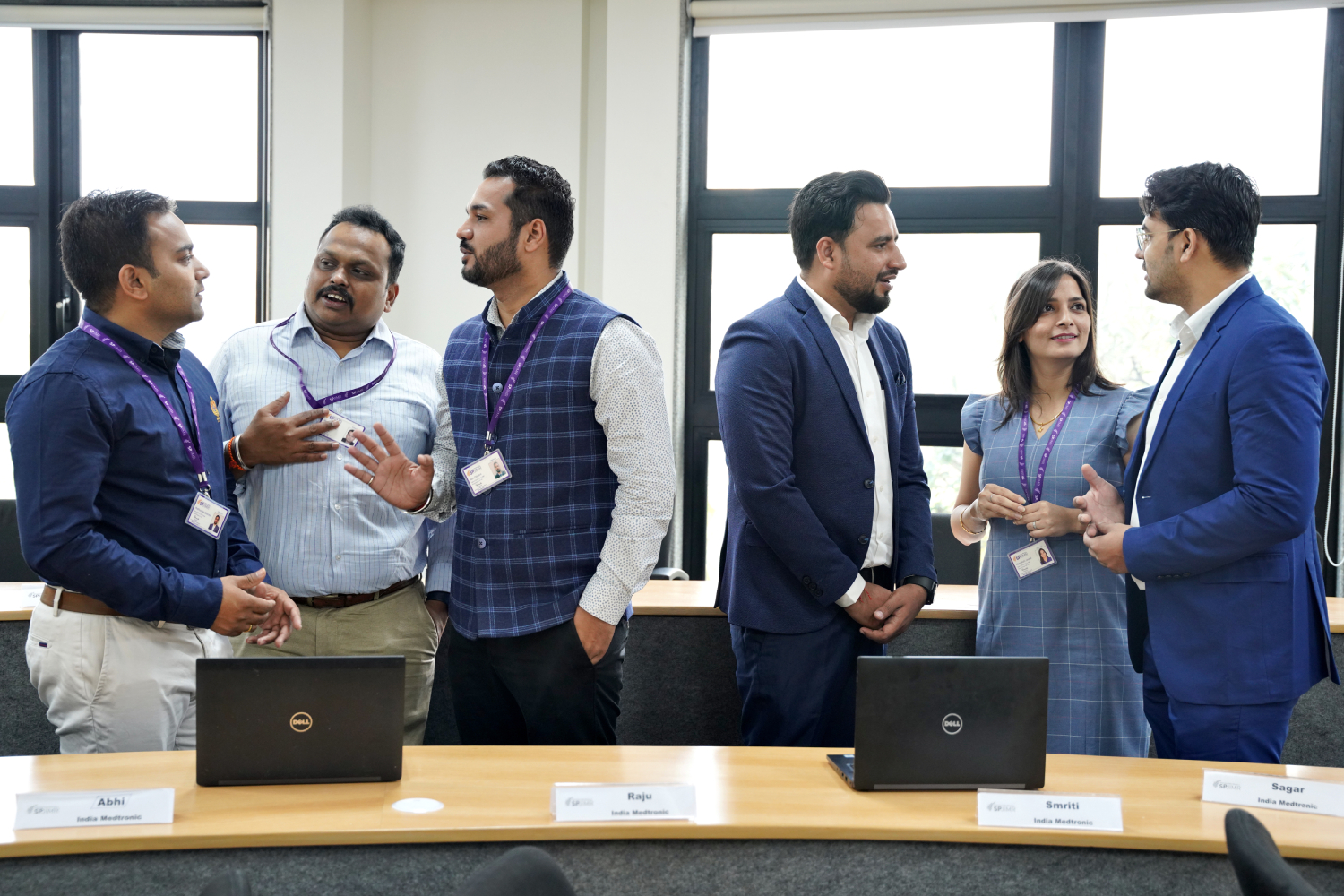
This view is becoming less relevant in today’s business climate, where relationships involve multiple transactions over extended periods. In these types of relationships, trust, mutual interest, and sustained value are also characteristics of strong business relationships.
Therefore, the purpose of a negotiation should not be merely producing a deal that satisfies one negotiator but finding a solution that meets both parties’ needs and demonstrates successful results throughout the duration of the relationship.
This same principle applies across business contexts, where negotiation outcomes influence not only immediate results but long-term strategic positioning.
Why traditional negotiation approaches fall short
Most individuals associate negotiation with tactics such as anchoring, persuading, pressuring others, and using strategic silence. While these tactics may produce short-term ‘wins,’ they often damage long-term relationships.
For instance, if an organisation were to negotiate aggressively with a supplier for the lowest purchase price available, in the short term, the organisation would benefit due to improved gross margins. Over time, however, it may receive lower-quality products, longer delivery times, or a supplier who deprioritises the relationship. This short-term win through negotiations can eventually result in a long-term loss (e.g., gross margin erosion).

An important takeaway from this perspective is that winning (i.e., having an advantage over the other party) does not necessarily produce successful outcomes.
A real-world case study: When negotiations fail to create alignment
A recent example from the Indian media industry further illustrates the importance of negotiation as a strategic capability. The proposed merger between Sony Pictures Networks India and Zee Entertainment Enterprises was expected to create a strong competitor to Disney Star. However, despite prolonged negotiations, the deal eventually collapsed.
The breakdown was not due to a lack of strategic intent, but challenges in aligning governance structures, leadership roles, and control. This highlights a critical aspect of negotiation, even when value creation potential exists, failure to align interests and expectations can prevent outcomes from materialising.

Image credit: ndtv.com
As explored in case research authored by SPJIMR faculty Rajiv Agarwal and Ashita Aggarwal, the Sony–Zee merger underscores how negotiation extends beyond financial terms to include leadership alignment, trust and long-term strategic clarity.
A real-world case study: When negotiation reshaped an industry
One of the most cited examples of effective negotiation is the partnership between Starbucks and PepsiCo in the 1990s to launch bottled Frappuccino.
At the time, Starbucks had a strong brand but limited expertise in large-scale distribution. PepsiCo, on the other hand, had deep capabilities in distribution but needed a premium product to expand its portfolio.
A traditional negotiation might have focused narrowly on pricing, margins, or control. Instead, both organisations approached the negotiation by recognising their complementary strengths.
Starbucks contributed brand equity and product innovation, while PepsiCo brought distribution scale and operational expertise. The agreement was structured to align incentives, allowing both parties to benefit from the product’s success.
The result was not merely a deal, but a long-term partnership that created a new category in the ready-to-drink beverage market.

Image credit: PepsiCo
This example illustrates a critical point. The most effective negotiations do not divide value; they expand it.
What does ‘win-win’ really mean?
The idea of a win-win outcome is often misunderstood as compromise or equal distribution. In practice, it is neither. A win-win outcome emerges when both parties move beyond stated positions to understand underlying interests. It involves identifying areas of alignment and exploring ways to create additional value.
For instance, a client’s demand for lower pricing may reflect a deeper need for cost predictability. A supplier’s insistence on higher pricing may be linked to quality assurance or capacity constraints. Once these interests are understood, alternative solutions such as long-term contracts or flexible pricing structures may become possible.
Win-win outcomes are therefore not accidental. They are the result of deliberate effort to understand and align interests.
The role of preparation: Negotiation begins before the table
Most successful negotiations do not happen at the table; they happen well before that.
To successfully negotiate, one must define their objectives and their alternatives. They must also determine the other side’s priorities. By having a clear understanding of their ‘Best Alternative to a Negotiated Agreement’ (BATNA), the negotiator will be more confident in their position and more disciplined in making decisions.
Successful negotiators also identify potential trade-offs available during the negotiation process. Not all of the variables in the negotiation will have the same value to both parties, and therefore understanding the differences creates more opportunities to create value for both parties to the negotiation.
In many cases, the quality of preparation determines the quality of the outcome. Negotiation involves both creating value collaboratively and claiming value competitively, requiring careful balance.
The role of trust and relationships
Trust is the basis for successful negotiation. It enables each party to share openly, reduces uncertainty, and supports the development of a collaborative long-term relationship.
In an ongoing business relationship, trust can become a strategic asset as both parties move beyond simple transactions and establish long-term mutually beneficial business partnerships. If there is no trust, information cannot flow freely, and creative solutions become limited.
Therefore, negotiation is not a single event, but rather a series of events through continued interactions over time. In complex negotiations, negotiators must operate through periods of uncertainty, time pressure, and power asymmetry while remaining focused on underlying interests.
The PGPMBM approach at SPJIMR
At S.P. Jain Institute of Management & Research (SPJIMR), the Post Graduate Programme in Marketing & Business Management (PGPMBM) approaches negotiation as a strategic managerial capability that cuts across functions and roles.
Designed for experienced professionals, the programme integrates conceptual frameworks with real-world application, enabling participants to engage with complex, multi-stakeholder situations.
Negotiation learning is embedded within a broader decision-making context. Through case discussions, simulations, and interactive sessions, participants navigate scenarios involving competing interests, incomplete information, and evolving constraints. These experiences require them to make decisions, articulate their reasoning, and reflect on outcomes.

A key strength of the programme lies in its diverse cohort. Participants bring varied industry perspectives into the classroom, enriching discussions and enabling multiple interpretations of the same scenario.
The programme also emphasises behavioural aspects such as communication, trust, and perception, helping participants develop structured approaches and the judgment to apply them effectively.
As one participant noted, “What stood out for me was not just learning negotiation frameworks but understanding how my own behaviour and assumptions influenced outcomes. The peer discussions and simulations made the learning immediately relevant to my work.”
In this way, PGPMBM ensures that negotiation is understood not just as a skill, but as a combination of strategy, behaviour and context.
Learning through experience and leadership
An important aspect of learning negotiation is reflection. Participants engage in simulations and examine their own behaviour i.e. how they respond under pressure, communicate, and make trade-offs. Peer feedback helps identify blind spots and refine their approach, leading to deeper understanding over time.
Negotiation is not limited to formal deals. It is embedded in everyday managerial interactions including aligning teams, managing stakeholders, and resolving conflicts. As professionals move into leadership roles, the ability to negotiate effectively shapes how they influence decisions and relationships.
In this sense, success is defined not by how much one gains, but by the quality and sustainability of outcomes. The most effective negotiators focus on creating value through understanding, alignment, and long-term thinking.
Register your interest for this programme
Please fill in the following details