

78 per cent of Indian organisations now have formal succession plans—up from 72 per cent just last year. This surge, highlighted in Deloitte India’s ‘Talent Readiness Study 2025’, is a clear signal that India Inc. is moving beyond reactive hiring. Business leaders are no longer just looking for replacements; they are aggressively strengthening their leadership pipelines to survive rapid technological and structural shifts.
Traditionally, many organisations treated succession planning as a mere contingency exercise, mostly as a reactive hunt for a replacement when a key leader departed. However, in an era defined by AI-enabled decision-making and hybrid work models, this static approach no longer suffices.
To maintain a competitive edge, companies must shift their focus from replacement readiness to leadership readiness. This transition requires building a robust leadership pipeline that prepares individuals to navigate ambiguity and drive large-scale transformation within India Inc.
Why traditional succession planning falls short
Traditional methods often rely on seniority or past functional performance. While a leader may excel in a specific department, they often struggle when stepping into enterprise-level responsibilities that demand strategic thinking and cross-functional collaboration.
Modern business realities in India now require leaders who can master:
- Systems-level perspectives: understanding how finance, operations, and technology interrelate to impact the bottom line.
- Digital and AI leadership: navigating the strategic and human implications of emerging technologies.
- Inclusive leadership: leveraging diverse perspectives to strengthen organisational resilience.
Cultivating readiness over replacement
Effective leadership development involves giving high-potential talent access to strategic decision-making processes early on. By exposing future leaders to complex business issues outside their daily roles, organisations ensure that their pipeline consists of individuals who can think beyond their functions.
As Srinivasa Satya Gandhi, Team Leader at Saint-Gobain, notes, leadership styles must evolve as teams grow; structured Management Development Programmes (MDPs) facilitate this transition to senior-level leadership.
The shift from training vendors to learning partners
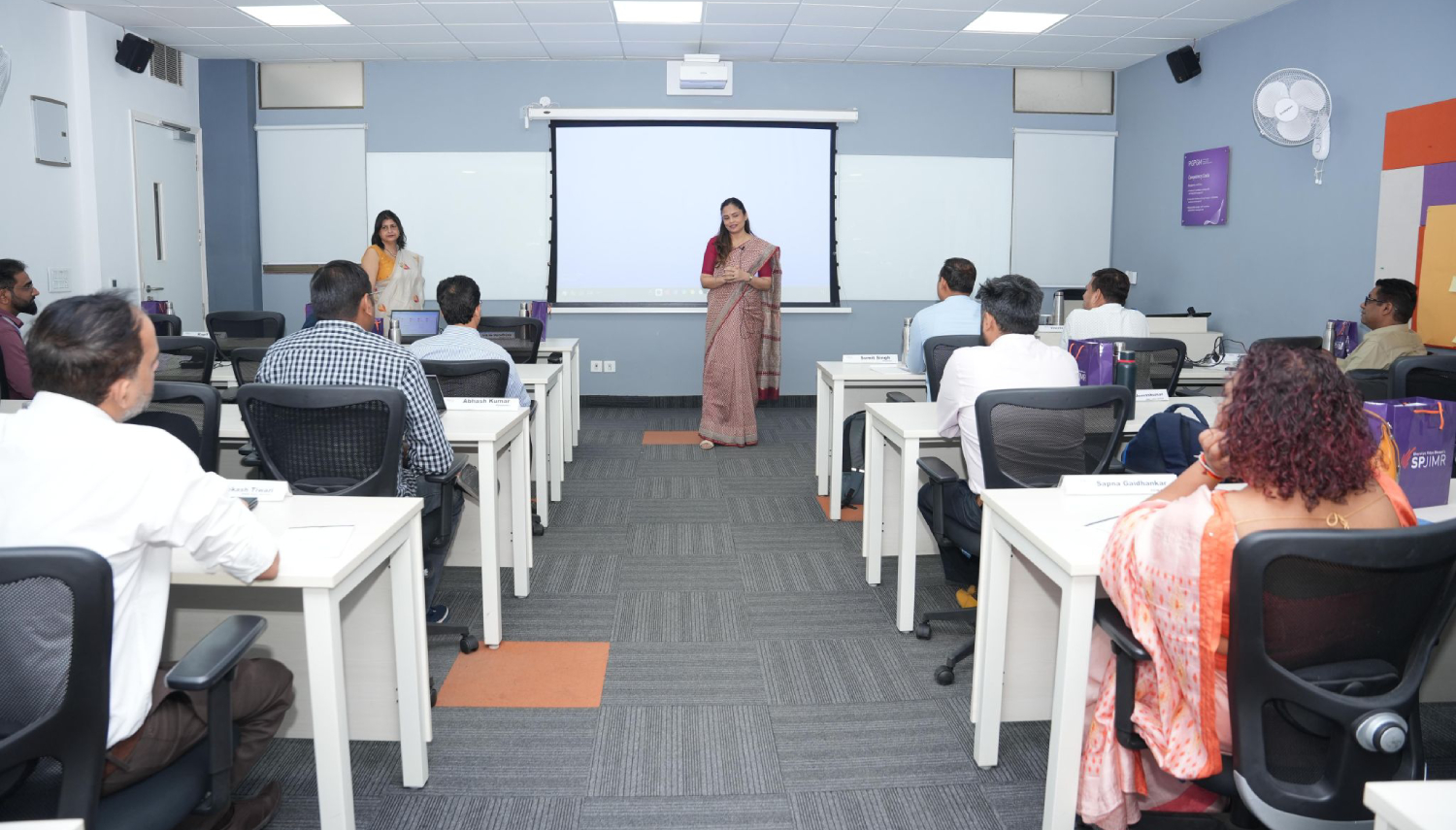
Indian corporates are moving away from transactional, “one-size-fits-all” workshops. Instead, they seek long-term learning partners to co-create customised interventions. A strategic partner like SPJIMR works closely with diverse organisations—ranging from the Reserve Bank of India and Larsen & Toubro to PwC and Tata Management Training Centre—to align development outcomes with specific business goals.
By integrating experiential exercises, live business discussions, and peer learning, these programmes ensure that the talent pipeline is not just a list of names, but a group of prepared, “industry-ready” professionals.
Case study: The gold standard of pipelines
General Electric (GE) remains a benchmark for leadership succession. Rather than treating succession as a reactive HR process, GE embedded leadership development into its long-term strategy. By investing in structured learning and cross-functional exposure at its Crotonville institute, GE systematically prepared managers for enterprise-wide responsibilities. This proactive model demonstrates that the most successful organisations are those that intentionally prepare leaders for the context in which they will operate, rather than just the role they will fill.

Image credit: Shutterstock
Register your interest for this programme
Please fill in the following details
FAQs on leadership pipeline
-
What is the difference between succession planning and a leadership pipeline?
Traditional succession planning focuses on identifying a replacement for a specific role. A leadership pipeline is a proactive, long-term strategy that continuously develops a pool of talent with the behavioural and strategic capabilities needed for various future leadership levels.
-
How does SPJIMR support corporate succession planning in India?
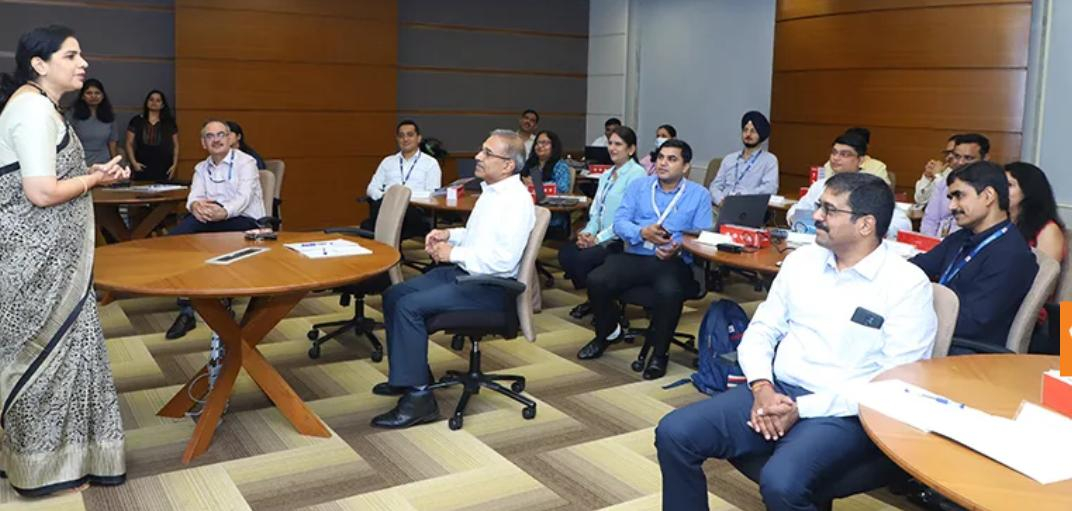
SPJIMR offers Custom Management Development Programmes (MDPs) that faculty members co-create with organisations to address their unique strategic gaps. These programmes use experiential learning and real-world business simulations to prepare future leaders for complex transitions.
-
Why is learning agility important for future leaders?
In rapidly changing industries, the ability to learn, unlearn, and adapt is a defining leadership trait. Modern pipelines prioritise individuals who are open to change and able to make decisions even when information is incomplete.
-
Can mid-sized Indian companies benefit from executive education?
Yes. While large corporates often use custom programmes, SPJIMR’s Open MDPs provide mid- and senior-level professionals from various backgrounds with the fresh perspectives and leadership competencies required to advance their careers and organisations.