






Introduction: bridging grassroots experience and structured learning
Some professional journeys begin in classrooms, while others are shaped through lived experience. Maulik Sisodia’s work in water conservation reflects the latter—rooted in sustained engagement with communities facing water scarcity and managing shared natural resources.
As Executive Director of Tarun Bharat Sangh (TBS) since 2009, he has worked to strengthen water security by integrating community-led action with organisational leadership and structured learning.
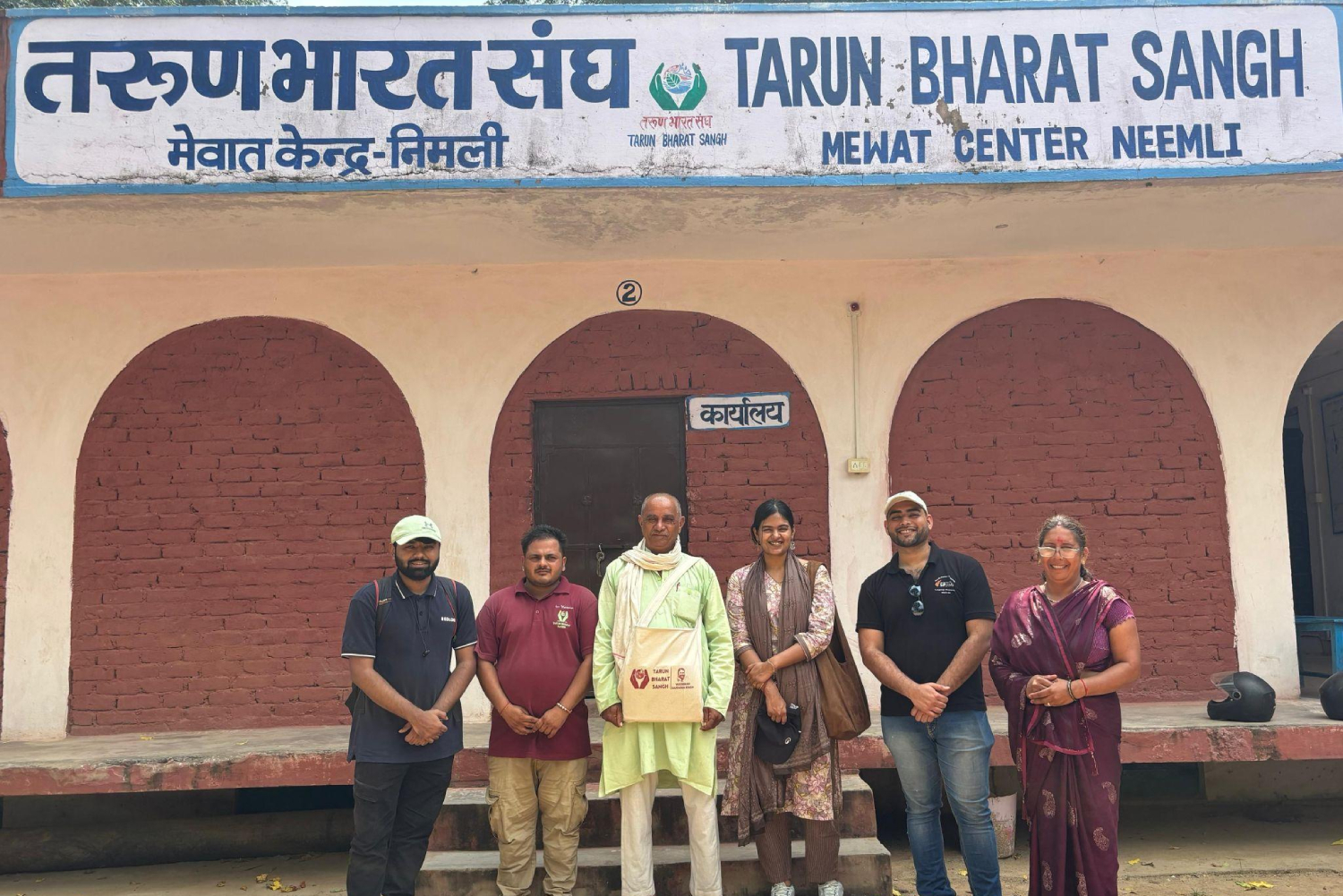
Grounded in community-led water conservation
Maulik Sisodia carries forward the legacy of water conservation initiated by his father, Rajendra Singh, who founded Tarun Bharat Sangh in 1975.
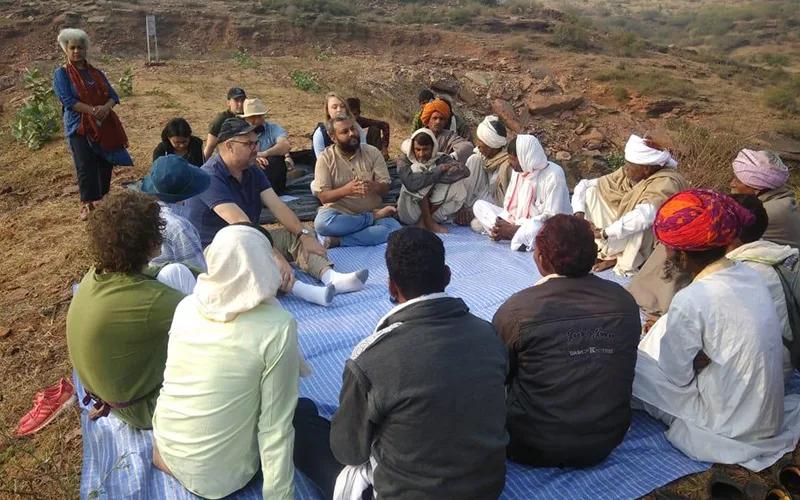
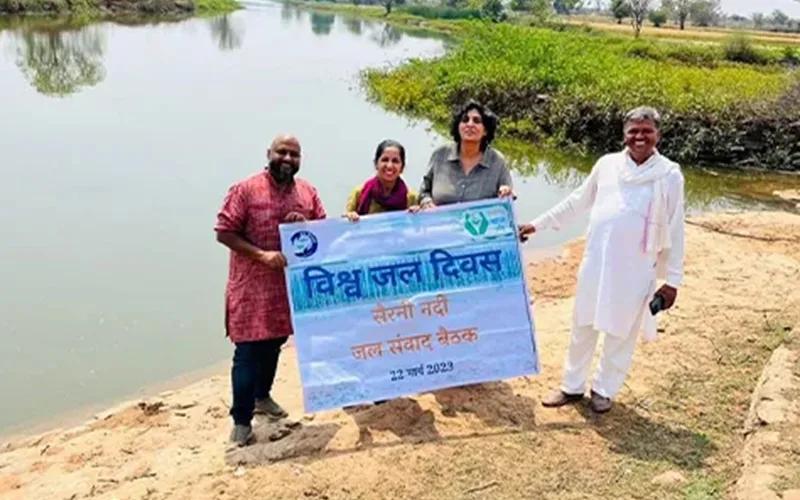
The organisation works on climate change mitigation and adaptation in semi-arid and arid regions of India. Its efforts have led to the rejuvenation of 13 dry rivulets, ensuring water security for 1,500 villages.
For Maulik, each restored water body represents more than an outcome—it reflects a community taking ownership of its future.
When experience seeks structure
After years of grassroots engagement, Maulik began reflecting on key questions: why community ownership flourishes in some contexts but weakens in others, how organisations can move from isolated efforts to sustained impact, and what enables scalable and resilient systems in the development sector.
This search led him to the Post Graduate Programme in Development Management (PGPDM) at SPJIMR, designed for social sector professionals to strengthen their ability to lead impact at scale.
He did not seek to move away from the field; rather, he aimed to rethink how he approached leadership and decision-making.

What the PGPDM experience enabled
Maulik’s classroom experience served as a reflective space after years of fieldwork. It enabled him to move from implementing interventions to designing systems that sustain them. Through the programme, he engaged with participatory development, organisational strategy, and systems thinking, while also undertaking applied research through the Development Management Project (DMP).
His research on community participation in rural drinking water interventions under the Jal Jeevan Mission (JJM) deepened his understanding of stakeholder roles, institutional arrangements, and decision-making processes. This integration of field experience and structured learning informed how he approaches planning, implementation, and organisational processes at Tarun Bharat Sangh.
In his farewell speech at SPJIMR, Maulik Sisodia, shared these poignant words.
“There is a village far away from where I currently work called ‘Chaurasi’. The name always intrigued me and I later found out that it was because the place was once adorned with 84 temples. All temples now stand dilapidated, with scattered stones showcasing fine craftsmanship and some engraved with intricate statues. At SPJIMR, I felt each participant was like a stone of those temples, and this programme as shaping an edifice out of them.”
From grassroots work to institutional strengthening
The PGPDM experience enabled Maulik to move beyond managing individual interventions towards strengthening institutions. In one of his LinkedIn post Maulik discussed in depth why CSOs need both: fieldwork and paperwork, impact and compliance. He wrote, “We proudly say, hum toh jameen par kaam karte hain, kaagaz par nahi. And then we complain, jamini sangathan ke saath koi kaam nahi karta.” He added building impact and ensuring compliance — requires upgrading the skills the team already has. He urged the CSO leaders to invest in staff. Capacity building does not require large budgets; it requires intent. Do not just attend trainings, create opportunities for your teams to learn through workshops, webinars, and skill-building sessions.
This shift reflects a broader reality in the development sector: sustainable impact requires both deep field engagement and robust organisational systems.
PGPDM: a platform for development professionals
The PGPDM programme is designed for professionals working in complex social contexts, where conventional management frameworks may not fully apply. It combines management thinking with real-life problem-solving, field-based learning, and continuous application.
The programme enables participants to contextualise management principles for the social sector and enhance the effectiveness of their organisations.
Key takeaway: strengthening impact through structured thinking
Maulik Sisodia’s journey highlights an important insight for the social sector: deep field experience becomes more impactful when complemented by structured management thinking.
By integrating grassroots knowledge with organisational strategy, development professionals can strengthen institutions, improve decision-making, and enable long-term, scalable impact.
His journey illustrates that structured learning does not distance leaders from communities, it enables them to build more sustainable pathways for progress.
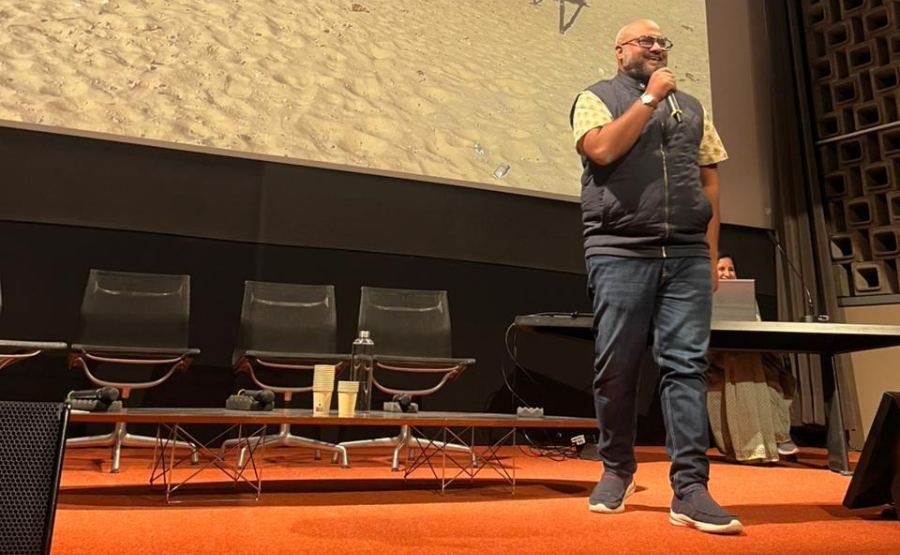
Image credit: Maulik Sisodia
Register your interest in this programme
Please fill in the following details