





What distinguishes a global management pathway is not only where it leads but also how its curriculum connects foundational learning with international expectations.
Management education takes different forms across institutions and geographies, with variations in classroom format, sequencing, and application.
The Global Management Programme (GMP) at the S. P. Jain Institute of Management & Research (SPJIMR) bridges these contexts through a carefully designed curriculum. The programme begins in Mumbai, where participants complete the first credit-bearing segment of their international MBA or MS degree, aligned with partner institution requirements.
The programme links strong analytical preparation with the way learning typically takes place in international MBA classrooms.
The six-month Mumbai phase builds conceptual clarity and strengthens analytical discipline before participants transition to partner institutions abroad. Learning progresses through complete academic modules rather than fragmented preparation.
Building the foundation deliberately
The GMP curriculum is organised in three phases:
Phase 1 – Preparatory term
Students build their foundation, and focus areas include quantitative methods, financial accounting, spreadsheet modelling, and management communication.
Phase 2 – Foundation
Core management subjects such as strategy, marketing, finance, supply chain, leadership, organisational behaviour, and decision science are introduced and integrated.
Phase 3 – Term 1 and 2
Students move into more advanced coursework and engage with areas such as artificial intelligence, data analytics, digital transformation, and digital product management.
These phases together make up the six-month Mumbai segment, after which students continue their degree at a partner institution abroad.
The preparatory term sets the academic foundation for the phases that follow. Faculty use this phase to establish common analytical baselines. Participants refine core tools before applying them in complex managerial settings. This reduces variation in preparedness and allows coursework to move forward with depth and pace.
GMP cohorts include engineers, commerce graduates, humanities students, and science postgraduates. The curriculum aligns analytical foundations while retaining diversity of perspective. When core coursework begins, participants work from shared frameworks rather than uneven starting points.
Integrating core management disciplines
This alignment allows the curriculum to progress with greater integration and depth. During the Mumbai phase, participants complete 54 credits across strategy, marketing, finance, supply chain, leadership, organisational behaviour, and quantitative methods for decision science.
Faculty integrate these disciplines deliberately. Participants examine strategic choices alongside financial implications. They assess operational feasibility in relation to market positioning. They connect organisational behaviour to execution realities.
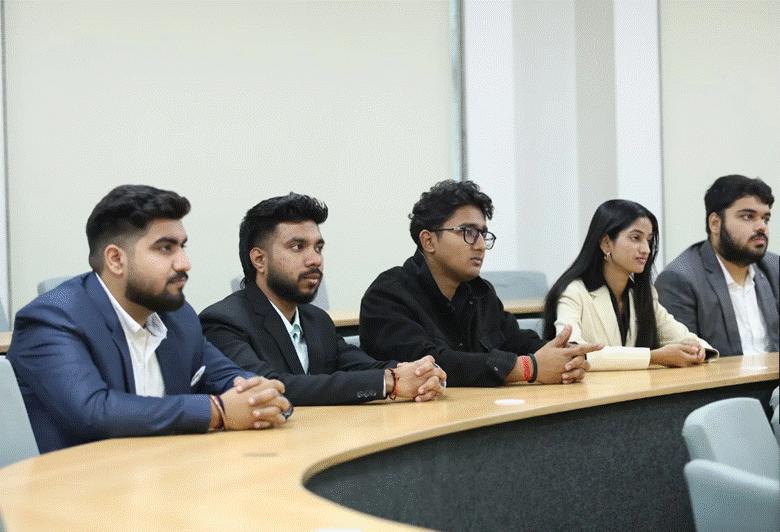
Participants prepare cases in advance, defend recommendations in class, and test assumptions through structured assignments and group projects. The classroom moves from theory to decision-making. This format reflects participation and evaluation structures commonly used in international MBA programmes.
Extending into contemporary decision environments
Once participants establish conceptual clarity, the curriculum expands into contemporary business contexts.
Participants engage with artificial intelligence and digital transformation, enterprise-level thinking, data storytelling and analytics, and digital product management. Faculty require them to apply strategic and financial reasoning within technology-driven environments.
Through simulations and applied projects, participants translate conceptual understanding into execution capability.
The sequencing remains deliberate. Faculty build depth before complexity. Analytical foundations precede technological application.
Structuring international progression
Partner institutions












This academic sequencing also shapes how participants progress into the international phase of the degree. The Mumbai phase forms the first academic segment of the international degree rather than a preparatory add-on.
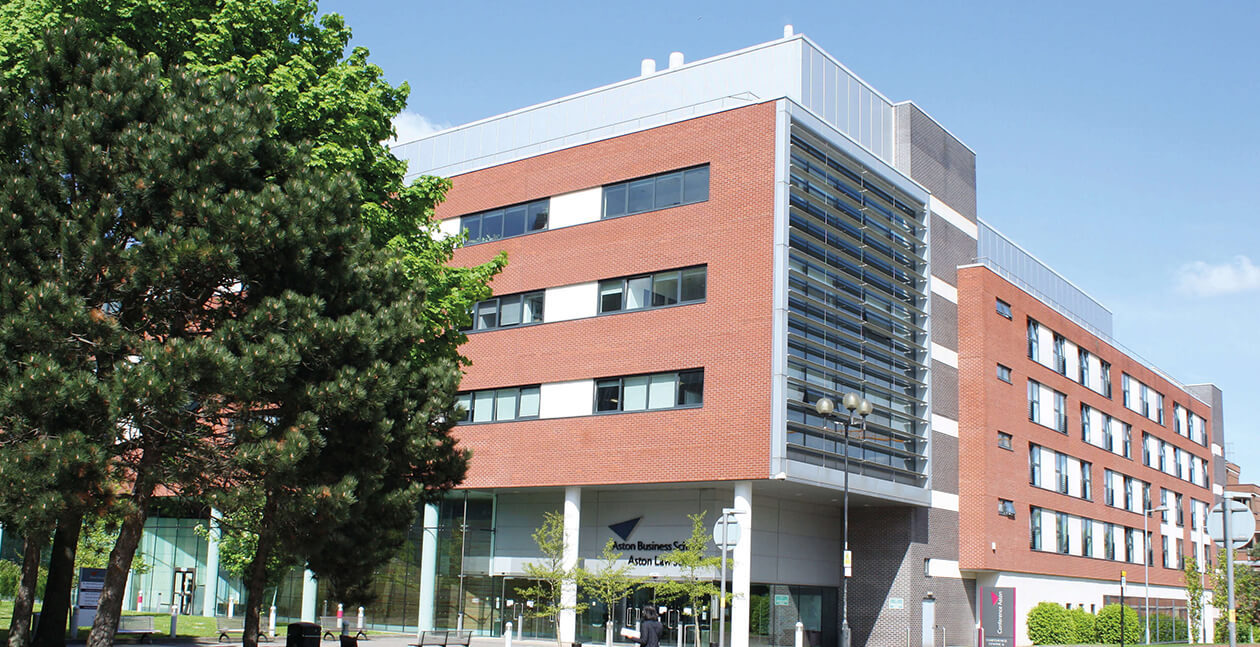
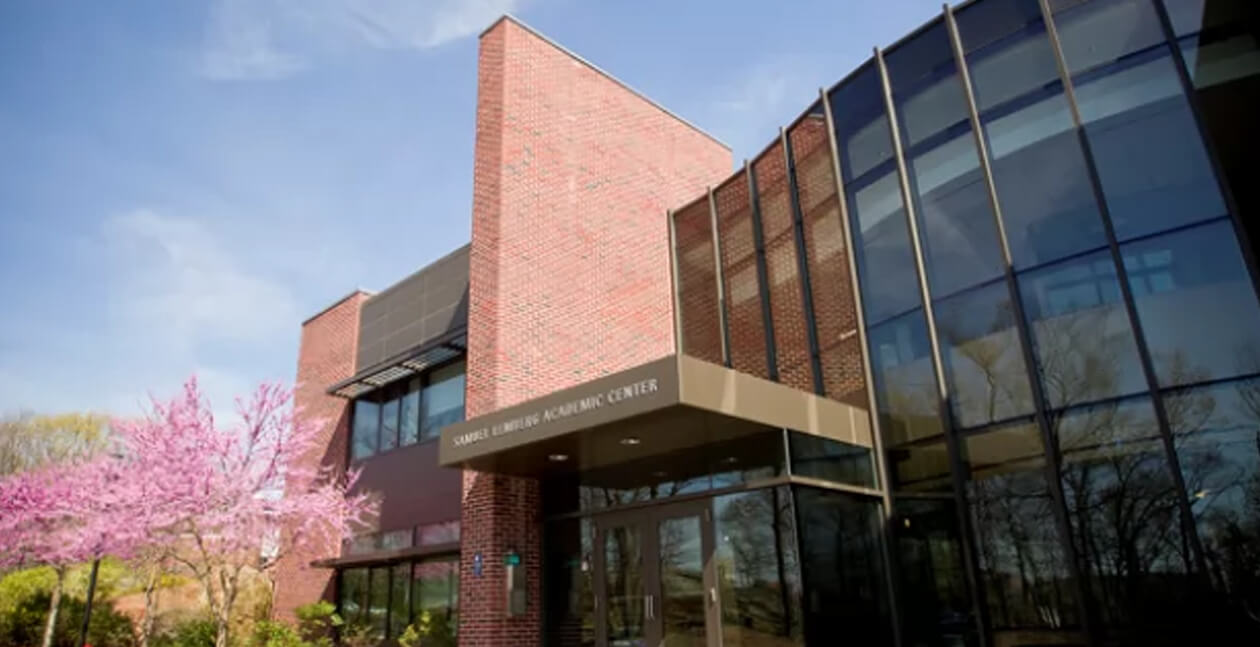
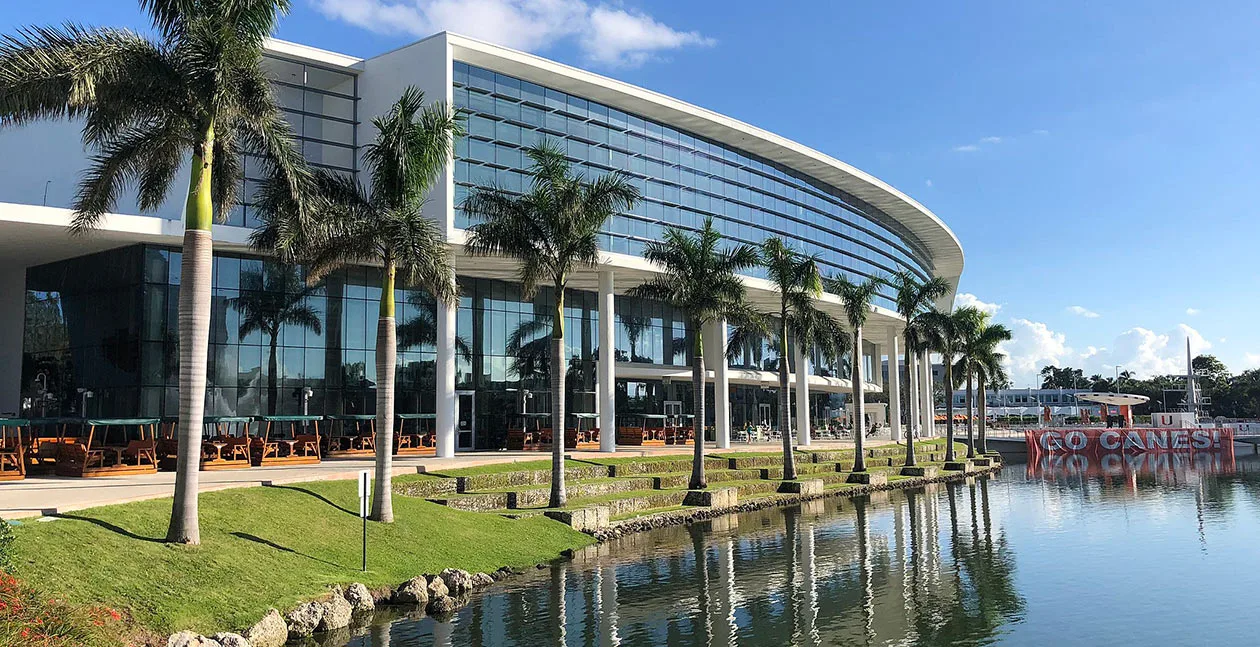
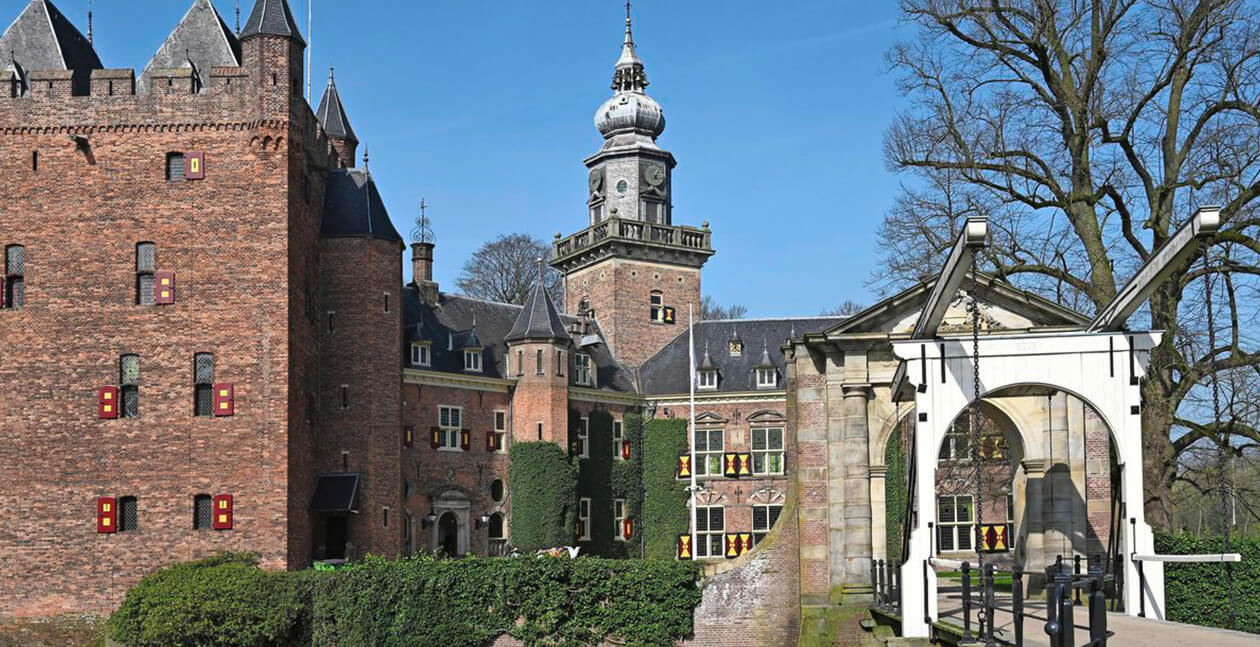
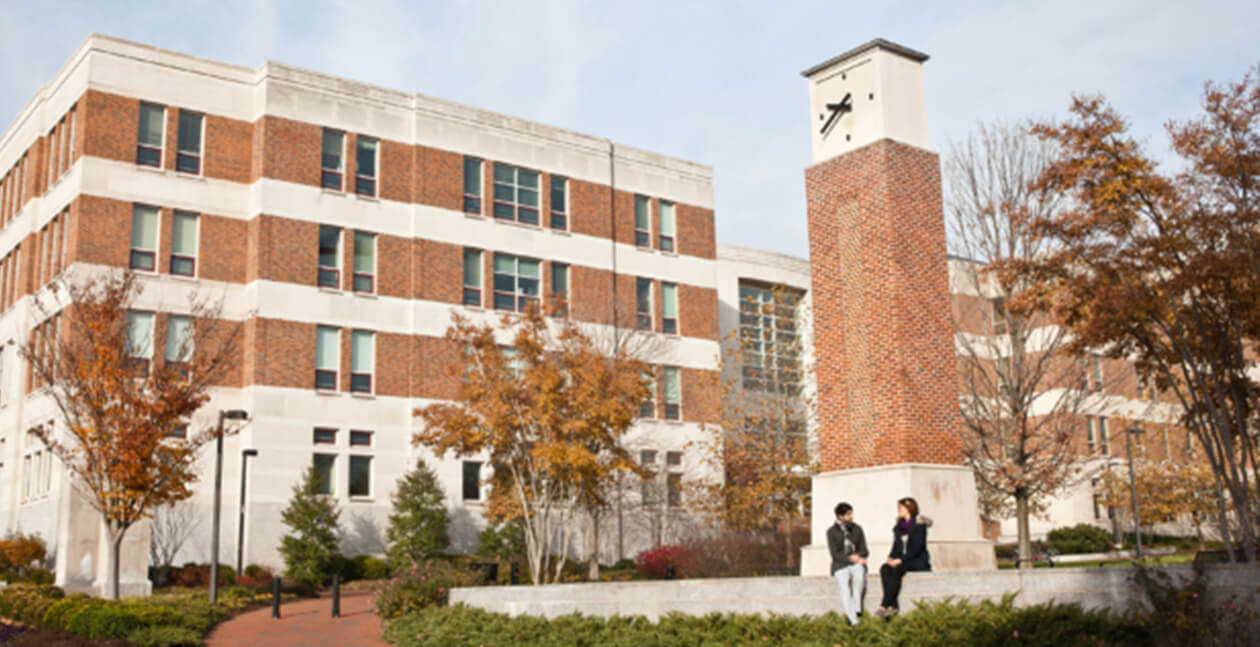
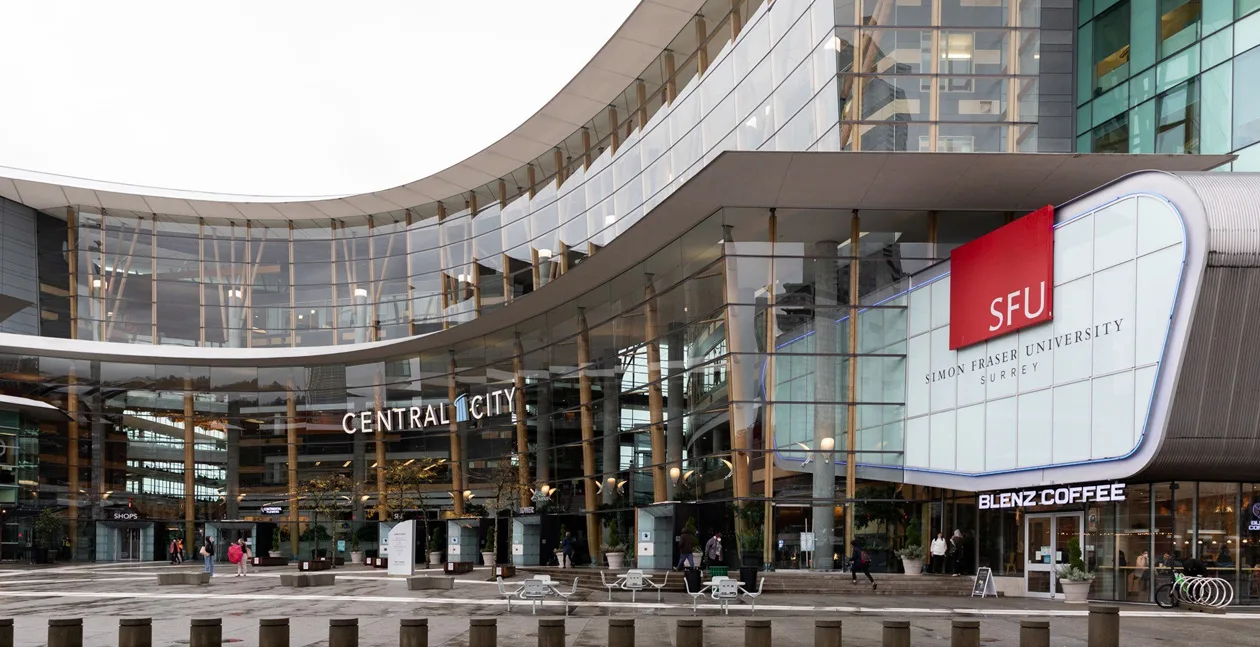
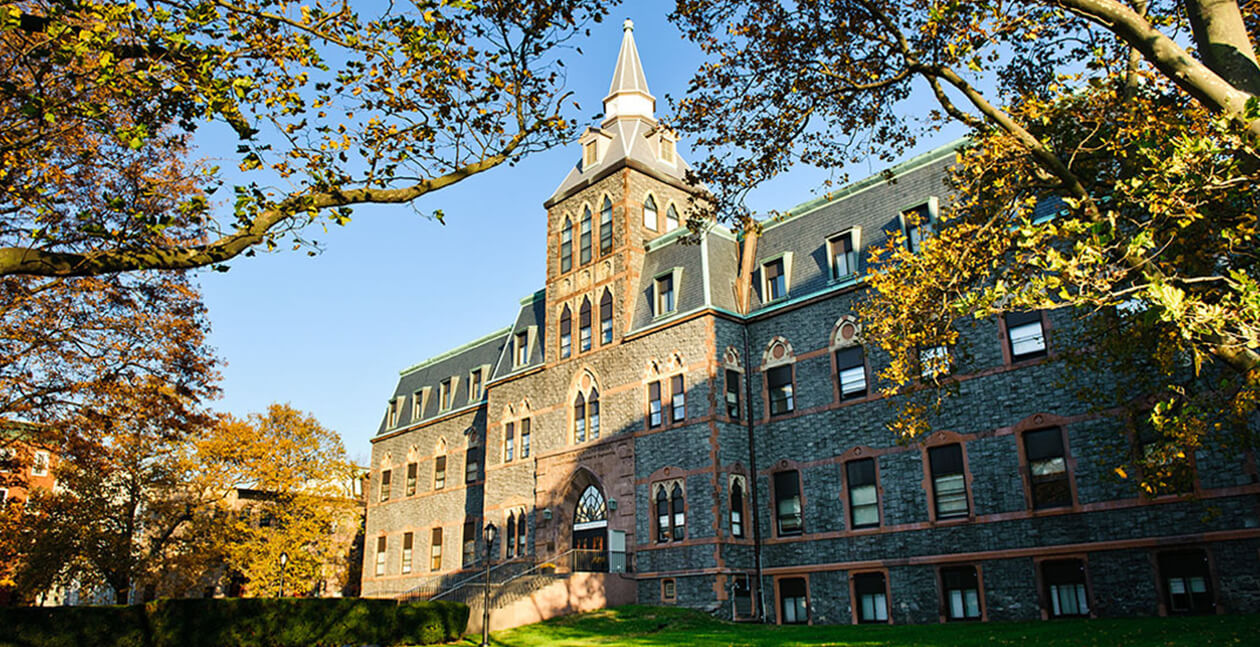
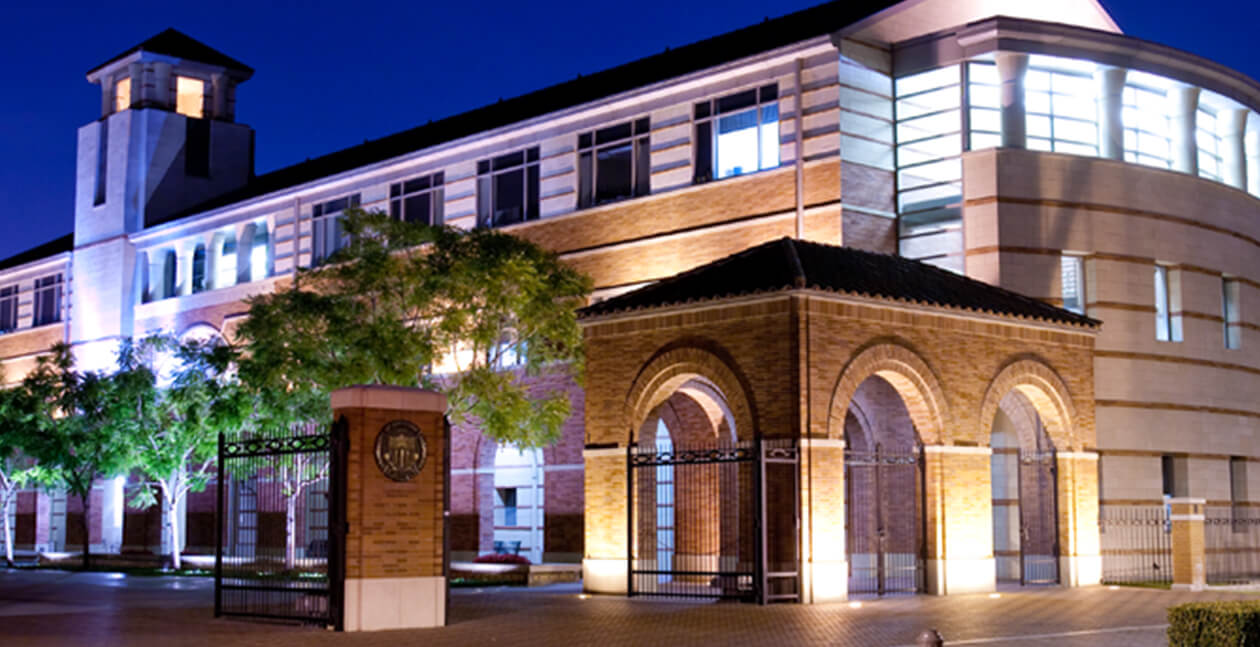
GMP operates in formal collaboration with institutions including Brandeis International Business School, the USC Marshall School of Business, the Robert H. Smith School of Business at the University of Maryland, and Aston Business School. Partner institutions recognise credits earned in Mumbai towards completion of the MBA or MS qualification.
The transition expands the peer environment from interdisciplinary cohorts in Mumbai to multicultural classrooms abroad. Programme sequencing aligns with global academic and internship cycles, supporting continuity in progression.
In a reflection shared by Rati Thakur (GMP – Brandeis International Business School, 2018), she explains why she joined the programme.
Curriculum as bridge
Indian management education provides strong analytical foundations. The Global Management Programme extends those foundations through structured academic design.
Faculty align coursework with partner requirements, integrate cross-functional reasoning, and formalise progression to international institutions. Participants do not pause their degrees to prepare for transition. They complete the first academic segment of it.
For those evaluating pathways to an international MBA or MS degree, curriculum design shapes the quality of transition. In the Global Management Programme, preparation functions as architecture rather than delay.
Register your interest in this programme
Please fill in the following details