



Preparing talent for a rapidly evolving world of work: How academia and industry can work together
26 June 2026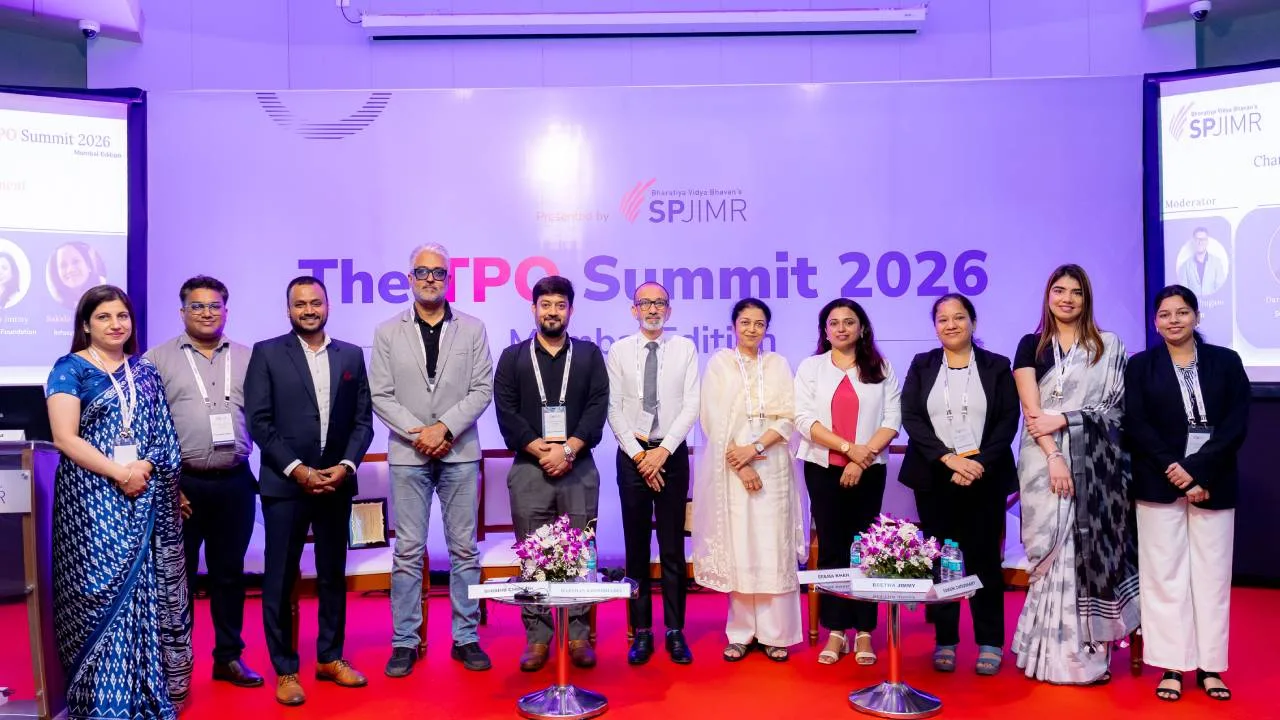
As organisations rethink roles, skills, and workforce models in response to artificial intelligence, automation, and rapidly shifting business priorities, campus recruitment is undergoing one of its most significant transformations in decades. The question facing both employers and educational institutions is how to prepare students for jobs that evolve faster than the traditional curriculum can keep pace with.
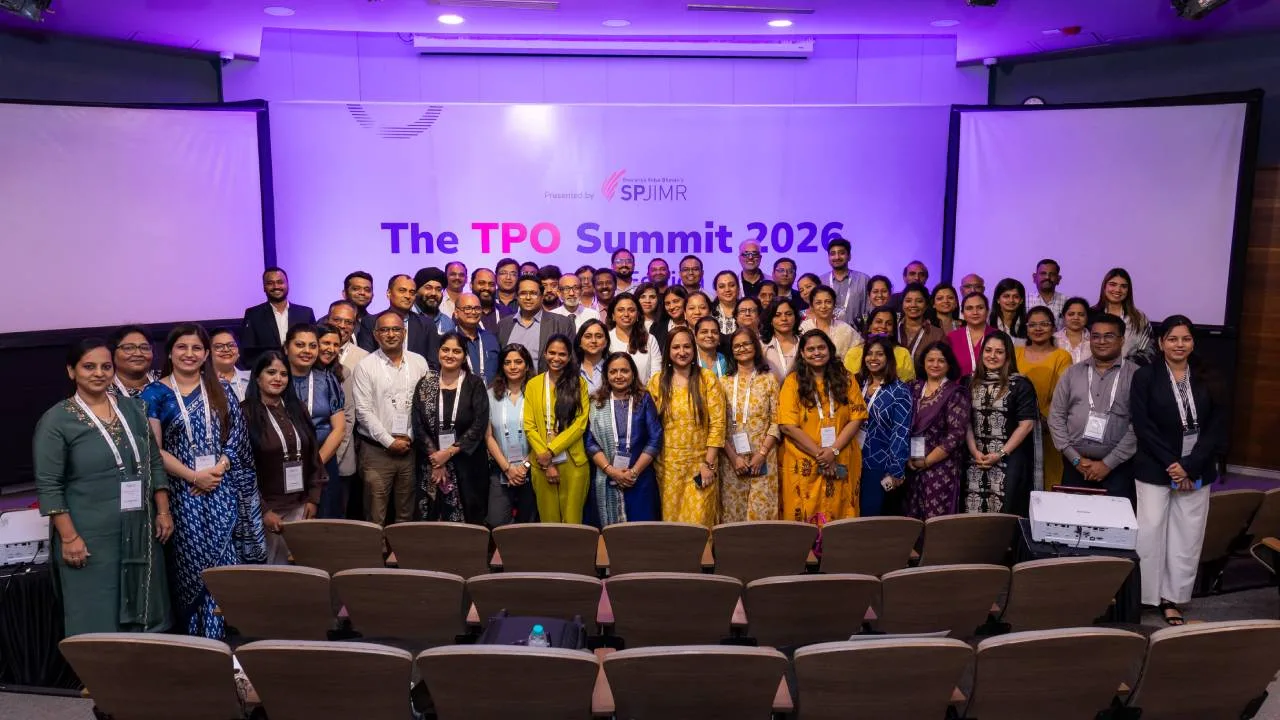
Against this backdrop, SPJIMR hosted the TPO Summit 2026 – Mumbai Edition, bringing together training and placement officers from leading institutions, along with senior HR and business leaders, to explore the evolving dynamics of campus recruitment, employability, and workforce readiness.
More than a forum for discussion, the summit emerged as a platform for building stronger partnerships between academia and industry, which is increasingly necessary to ensure graduates possess not only technical competencies but also adaptability, judgement, and the ability to navigate complexity.
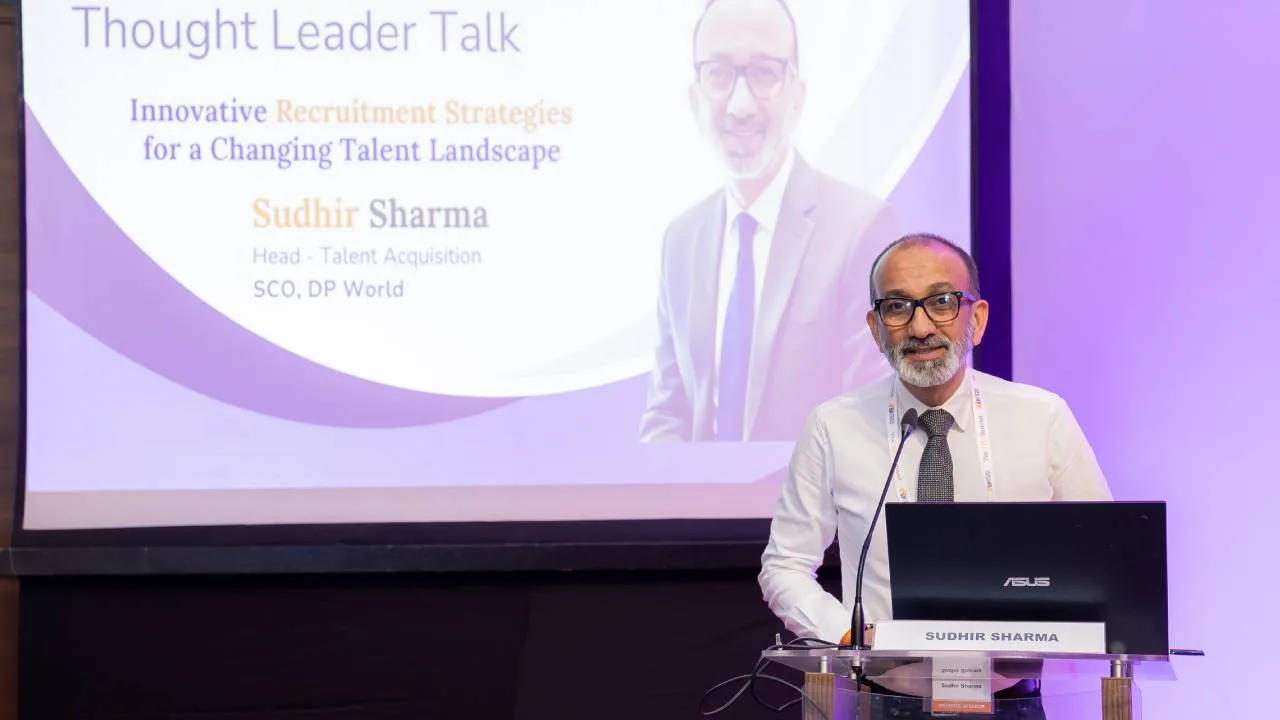
The summit opened with a keynote by Sudhir Sharma of DP World on ‘Innovative Recruitment Strategies for a Changing Talent Landscape’. The session examined how organisations are redesigning hiring strategies in response to new technologies, shifting workforce expectations, and changing business models, while outlining the implications for educational institutions preparing future talent pipelines.
“The TPO Summit stands as a pivotal convergence of industry and academia, fostering the essential dialogues needed to bridge the gap between evolving market demands and future-ready talent,” observed Sharma.
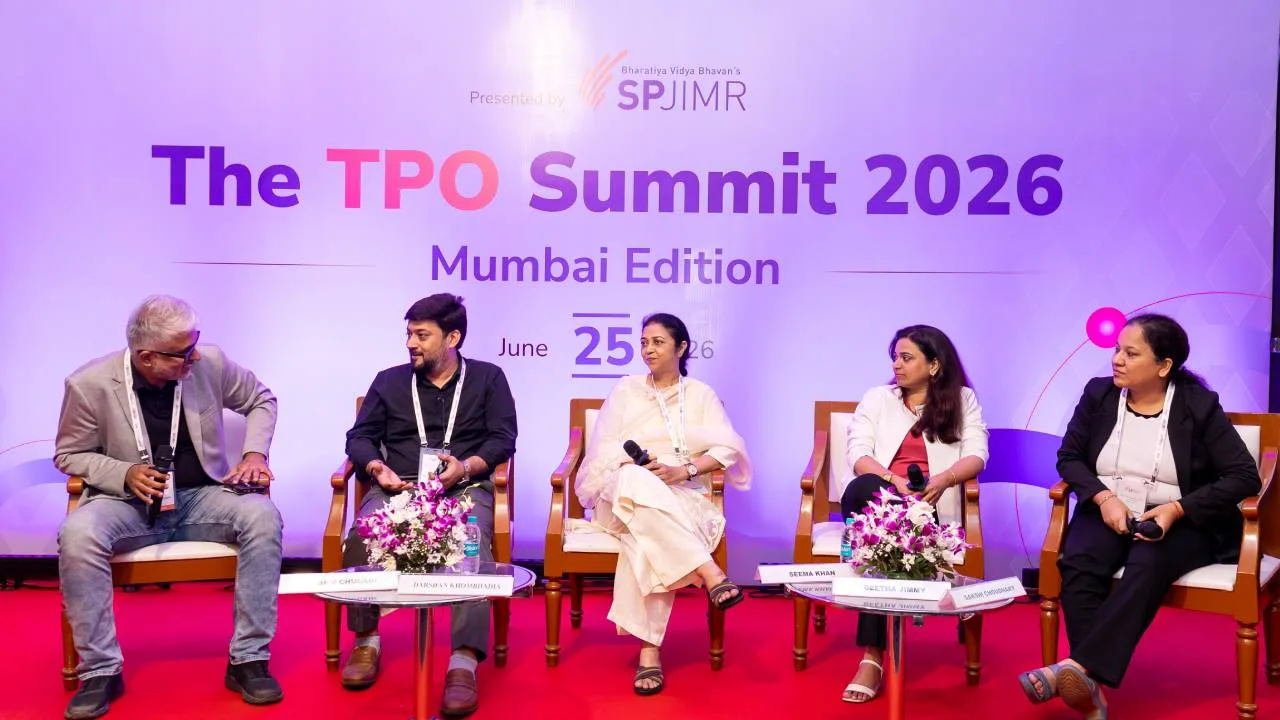
The conversations continued with a panel discussion on Changing Trends in Campus Recruitment, moderated by Bhishm Chugani and featuring perspectives from industry and academia, including Sakshi Brijwal of Infosys Consulting, Beetha Jimmy of Reliance Foundation, Darshan Khombhadia of Sun Pharmaceuticals, and Seema Khan from SIES Graduate School of Technology.
A recurring theme throughout the discussions was the growing influence of AI on recruitment processes and candidate expectations. Participants explored how technology is reshaping sourcing, assessment, and talent evaluation, while simultaneously increasing the premium on distinctly human capabilities such as critical thinking, collaboration, learning agility, and contextual problem-solving.
“The session brought academia and industry leaders together to address cross-industry challenges and explore emerging trends in recruiting young talent,” said Jimmy. “Discussions highlighted the transformative role of AI in reshaping recruitment for both recruiters and candidates, while emphasising pathways to help young professionals build successful corporate journeys.”
For placement leaders, the summit provided valuable insight into changing employer expectations and evolving hiring practices. For recruiters, it created opportunities to communicate skill requirements directly to institutions and influence the development of future-ready talent pipelines. For educational institutions, the conversations reinforced the importance of curriculum agility, experiential learning, and closer engagement with industry practitioners.
Khan noted that the summit enabled stakeholders to collaborate on issues ranging from industry expectations to placement preparedness for the future workforce, creating a deeper understanding of emerging challenges and opportunities across the talent ecosystem.
For students, the significant beneficiaries of these conversations, the outcomes are likely to be reflected in programmes that are increasingly aligned with workplace realities, emerging technologies, and interdisciplinary ways of working.
“The TPO Summit 2026 embodies SPJIMR’s vision of transforming conversations into collaboration and collaboration into impact,” said Chugani. “As recruitment landscapes evolve, it creates opportunities for academia and industry to learn from one another, align with emerging needs, and co-create a workforce equipped to thrive in the future.”
Industry participants echoed the value of sustained dialogue and peer learning. Khombhadia described the summit as an important platform for exchanging ideas and perspectives on emerging campus hiring trends and evolving recruitment practices.