



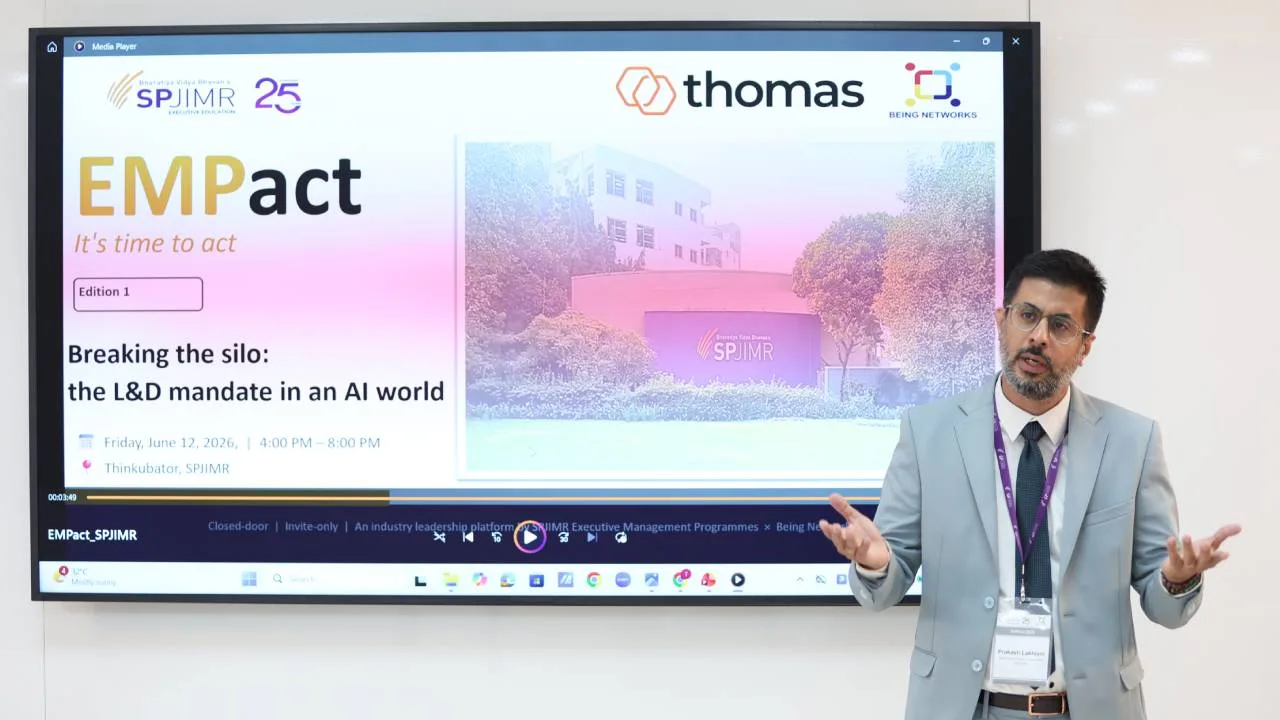
EMPact 2026: Breaking the silo: The L&D mandate in an AI world
12 June 2026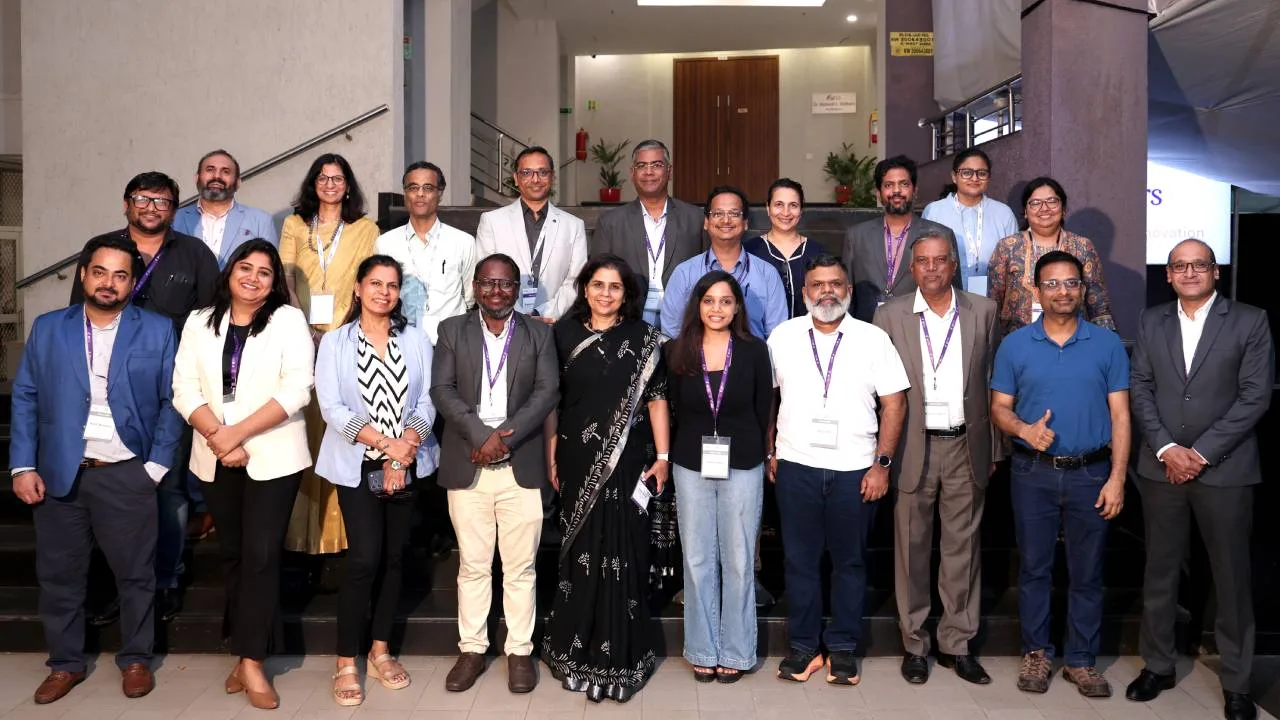
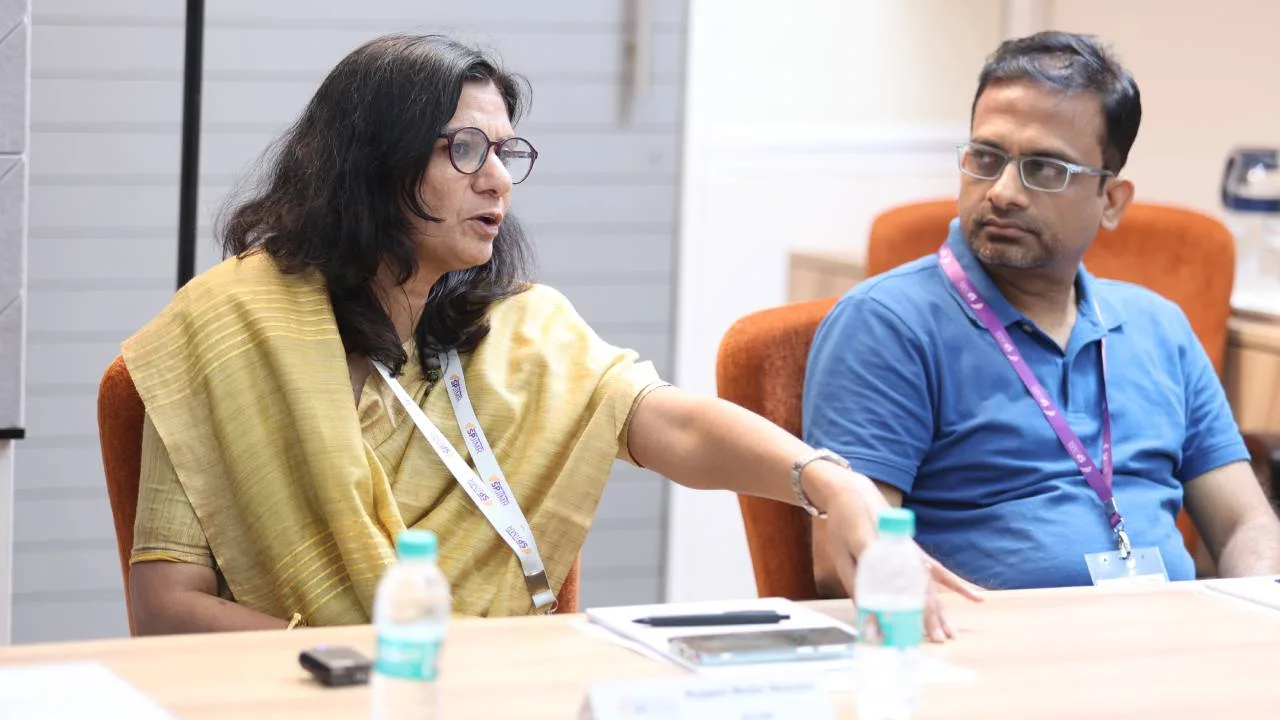
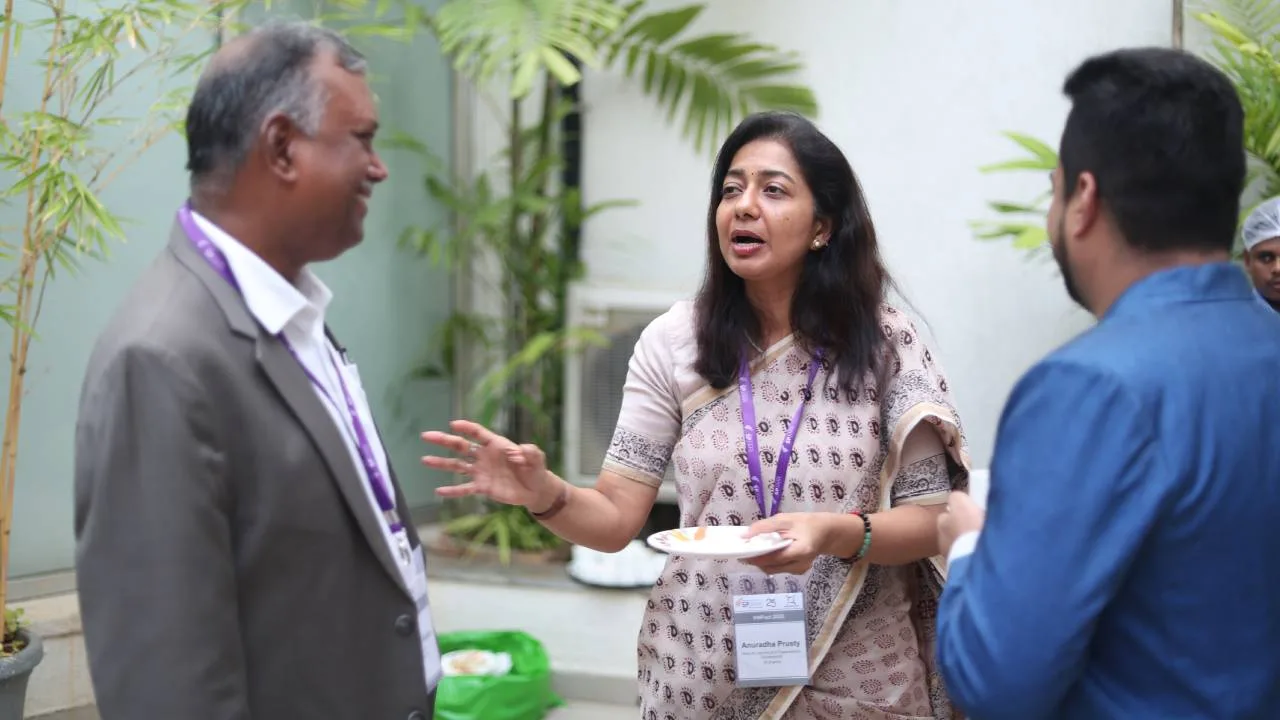
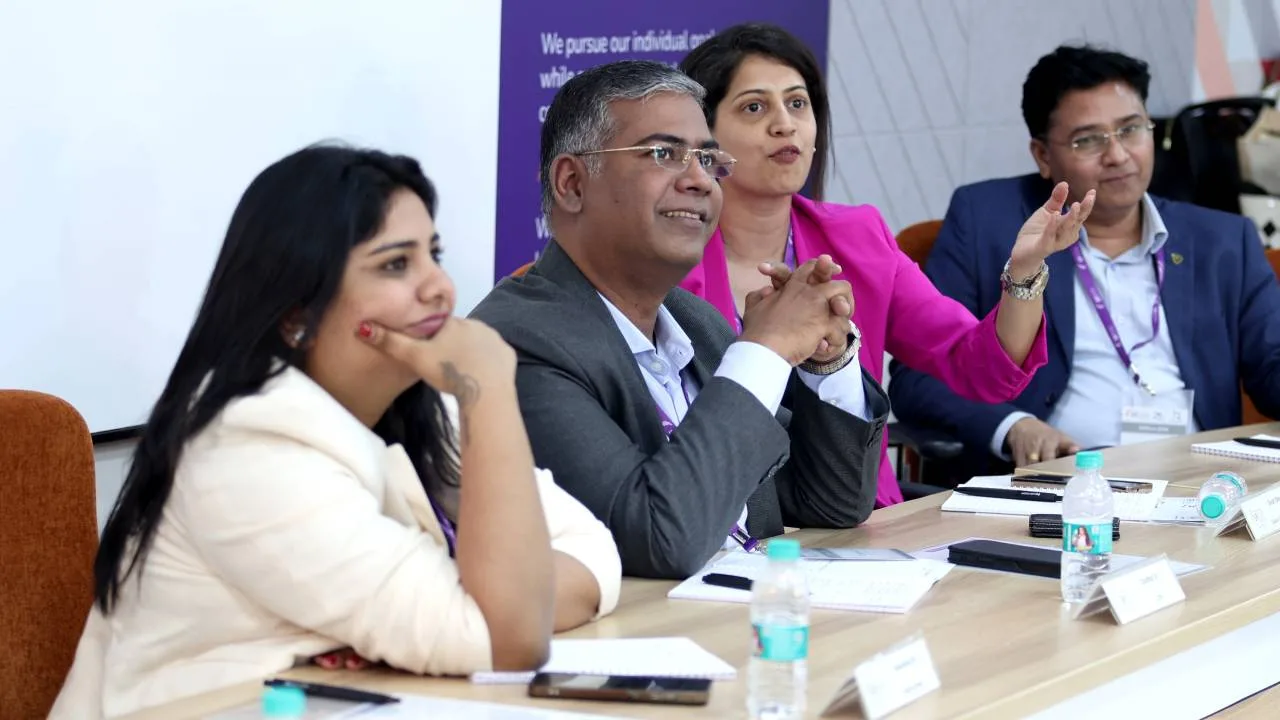
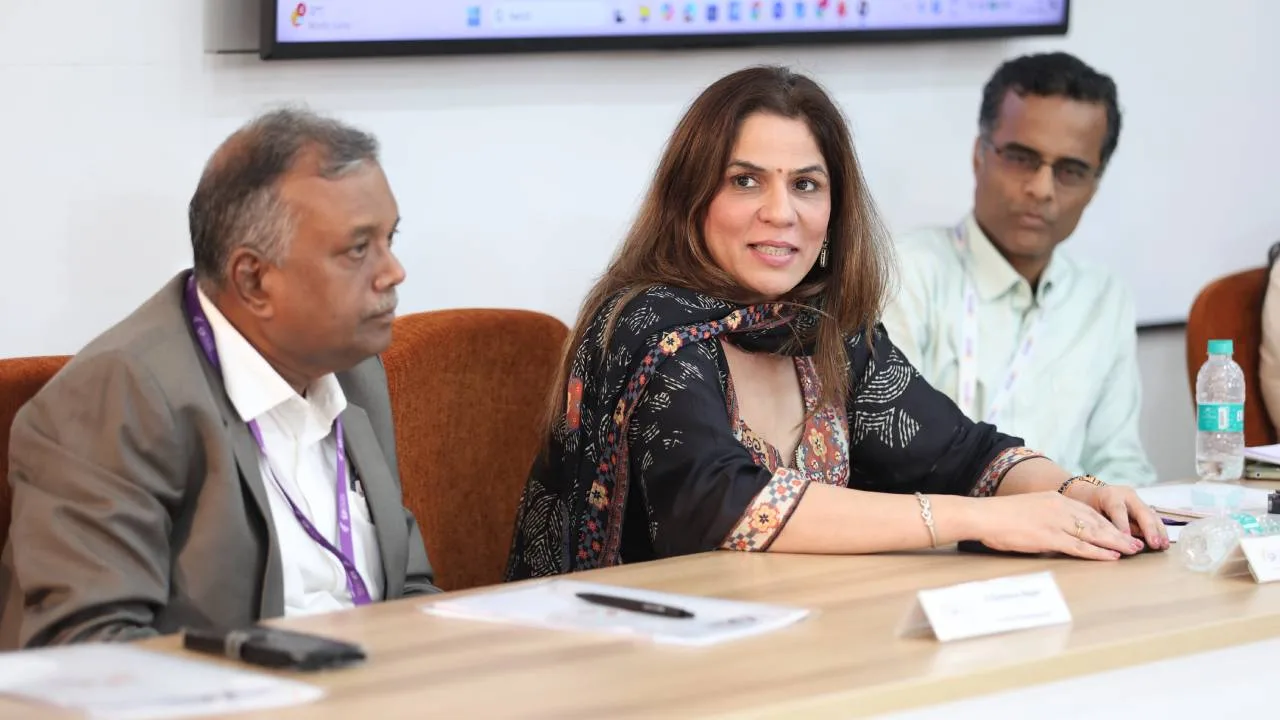
SPJIMR Executive Education launched EMPact, a curated, closed-door, invite-only leadership platform designed to bridge the gap between academic theory and boardroom execution. The forum aims to:
Dismantle organisational silos
To bridge the acute communication and strategy gaps across business units, HR, finance, line management, and L&D leaders.
Align executive learning with
corporate strategy
To transform executive education from an isolated learning event into a measurable, strategic driver of future workforce readiness.
Build future-ready talent pipelines
To explore how corporate learning frameworks can adapt to sustained capability-building in an AI-led business environment.
EMPact 2026
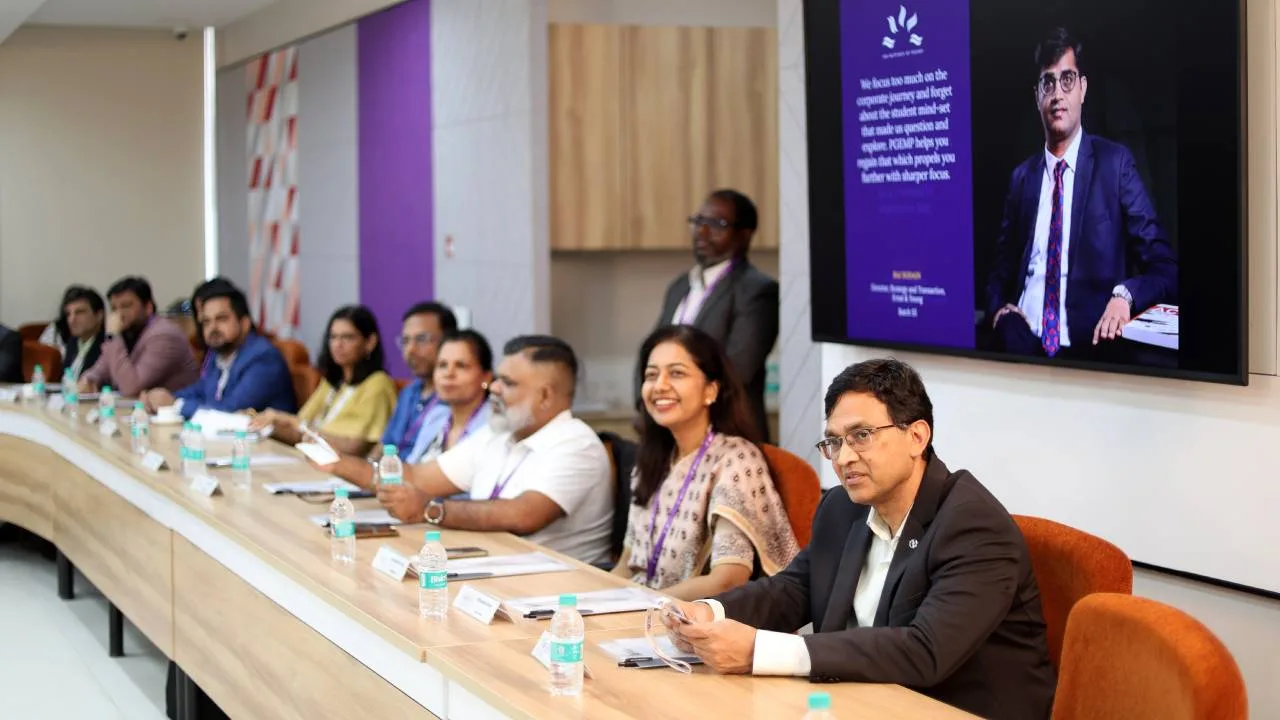
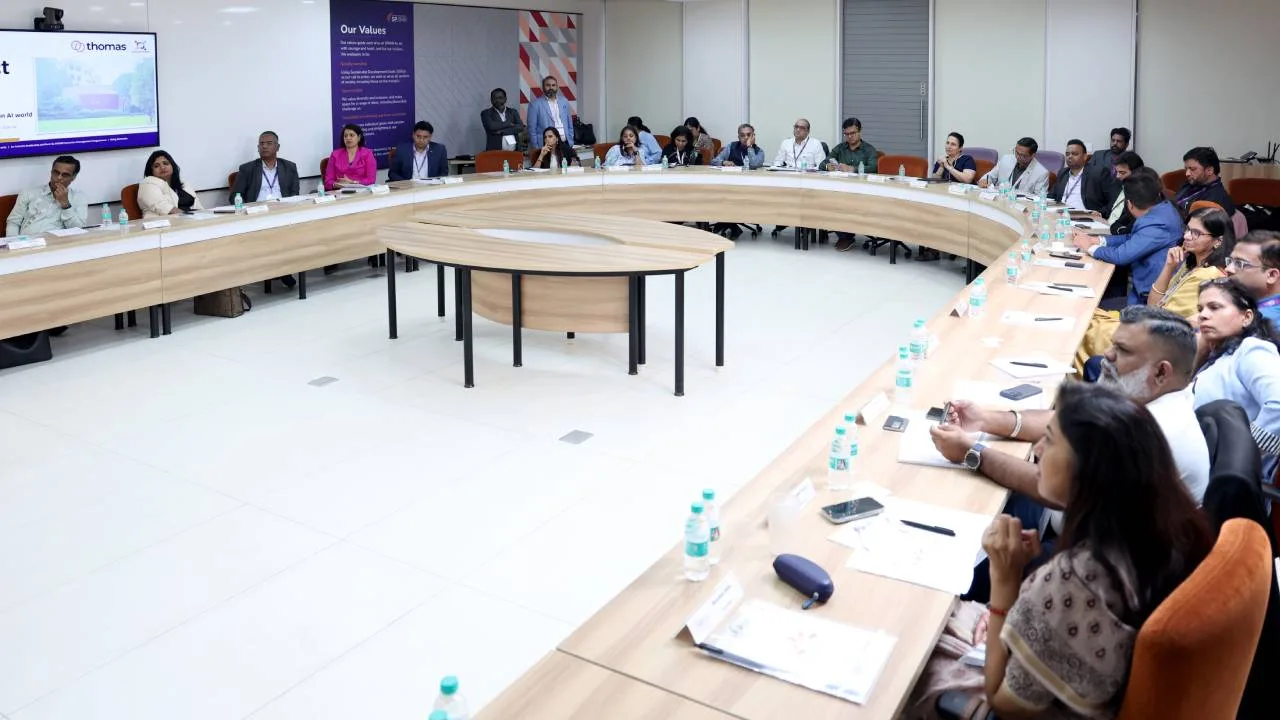
The inaugural edition of EMPact, hosted in collaboration with the corporate HR community Being Networks, convened over 20+ senior leaders for an evening of thought-provoking dialogue, experiential learning, and meaningful networking.
The evening opened with an orientation that set a deliberate tone: this was not to be a conventional conference of passive panels, but a collaborative forum for actionable insights. Drawing on SPJIMR Executive Education’s 25-year legacy in executive management programmes, the event focused intensely on the critical element of alignment across business, HR, L&D, finance, line management, and the individual learner.
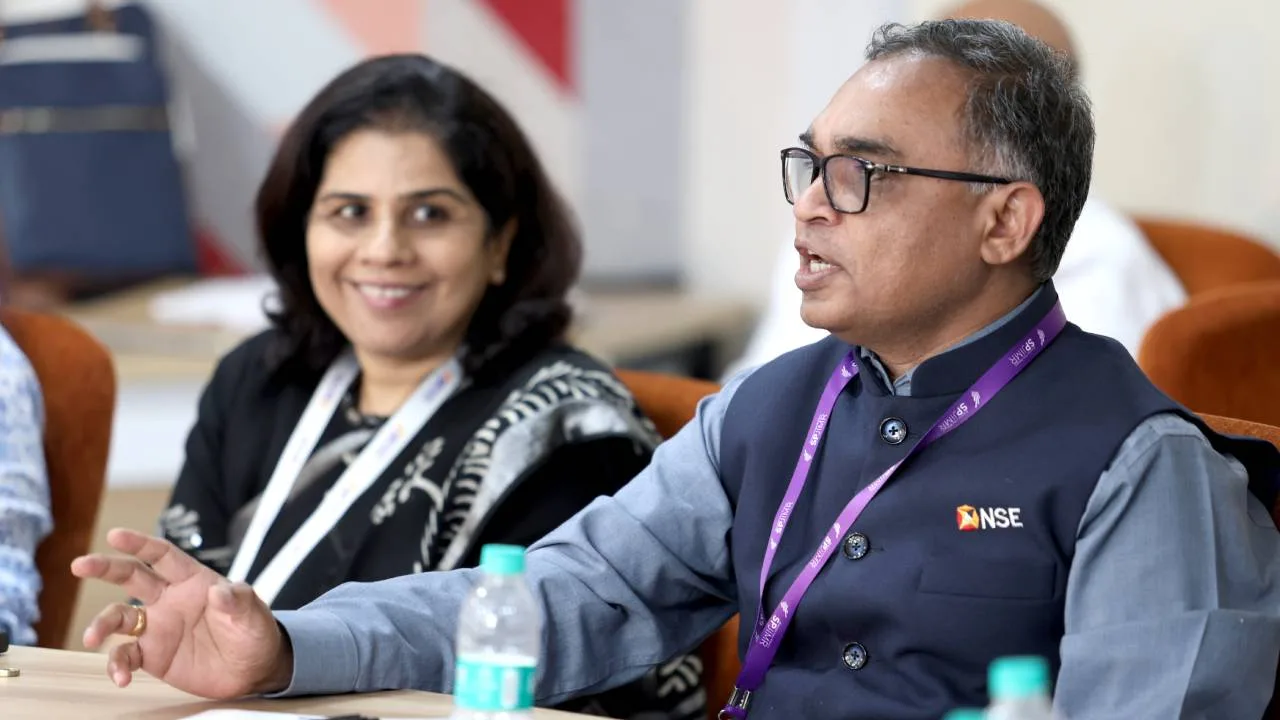
In his opening remarks, Prof. Varun Nagaraj, Dean, SPJIMR, challenged the traditional reliance on formal, static education to navigate an unpredictable future. In a rapidly evolving corporate ecosystem, Prof. Nagaraj noted, CHROs and L&D leaders must elevate their roles, stepping forward as the true custodians of continuous workforce readiness and long-term capability building.
Complementing this perspective, Prof. Preeta George, Associate Dean, Executive Education at SPJIMR, anchored the discussion in SPJIMR’s foundational philosophy: learning must transcend simple knowledge acquisition to drive measurable workplace application and organisational impact. “In an AI-enabled landscape, technical fluencies will shift constantly,” Prof. George observed. “It is human connection, cognitive agility, and a culture of continuous learning that will remain an enterprise’s enduring competitive advantages.”
EMPact 2026’s featured:
The leadership roundtable
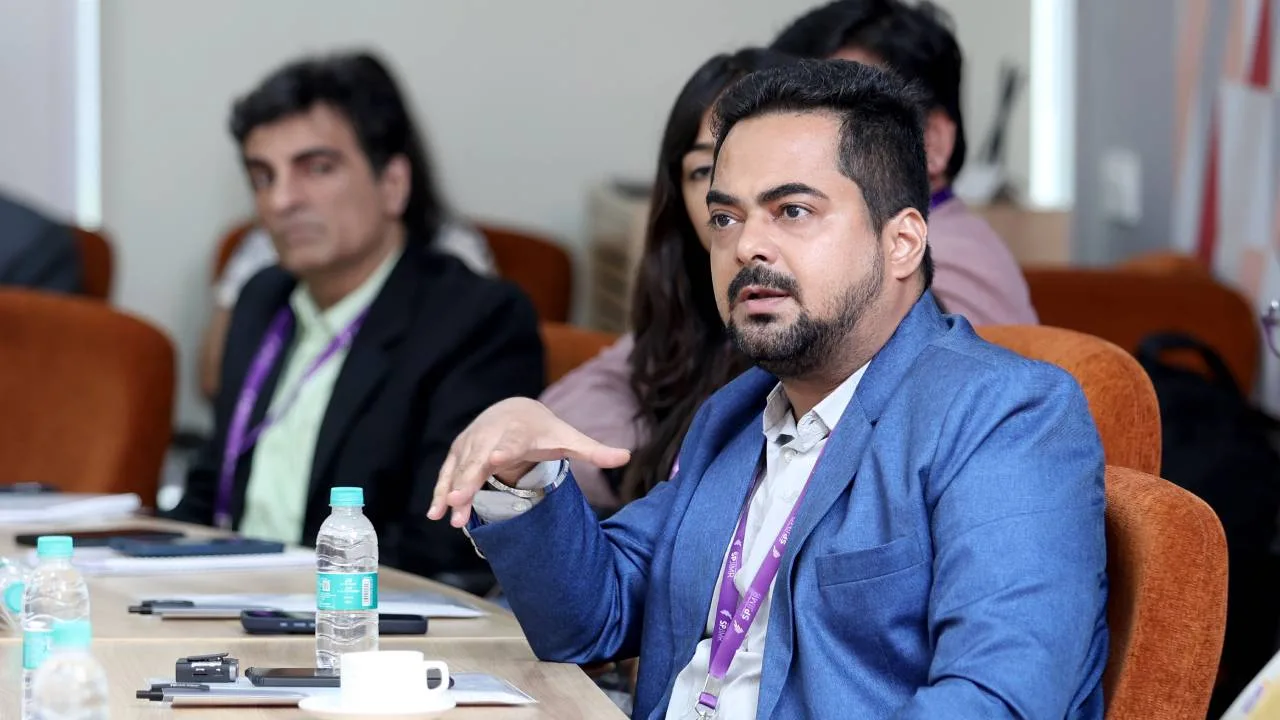
Prakash Lakhiani, Head of People & Culture and Country Director, Situs AMC, moderated this participant-driven segment, where senior leaders shared raw, sector-agnostic challenges. The discussion focused tightly on leadership readiness, succession planning, executive learning as a driver of business growth, nomination frameworks for future leaders, and building business-linked learning ecosystems in the age of AI
Experiential leadership reflection
Moving beyond abstract theory, leaders engaged in an immersive, scenario-based simulation. The exercise surfaced the very real internal friction points—spanning finance, line management, and corporate strategy—that frequently prevent returning executives from applying fresh strategic thinking to their daily operations.
Academic-corporate partnerships for sustained impact
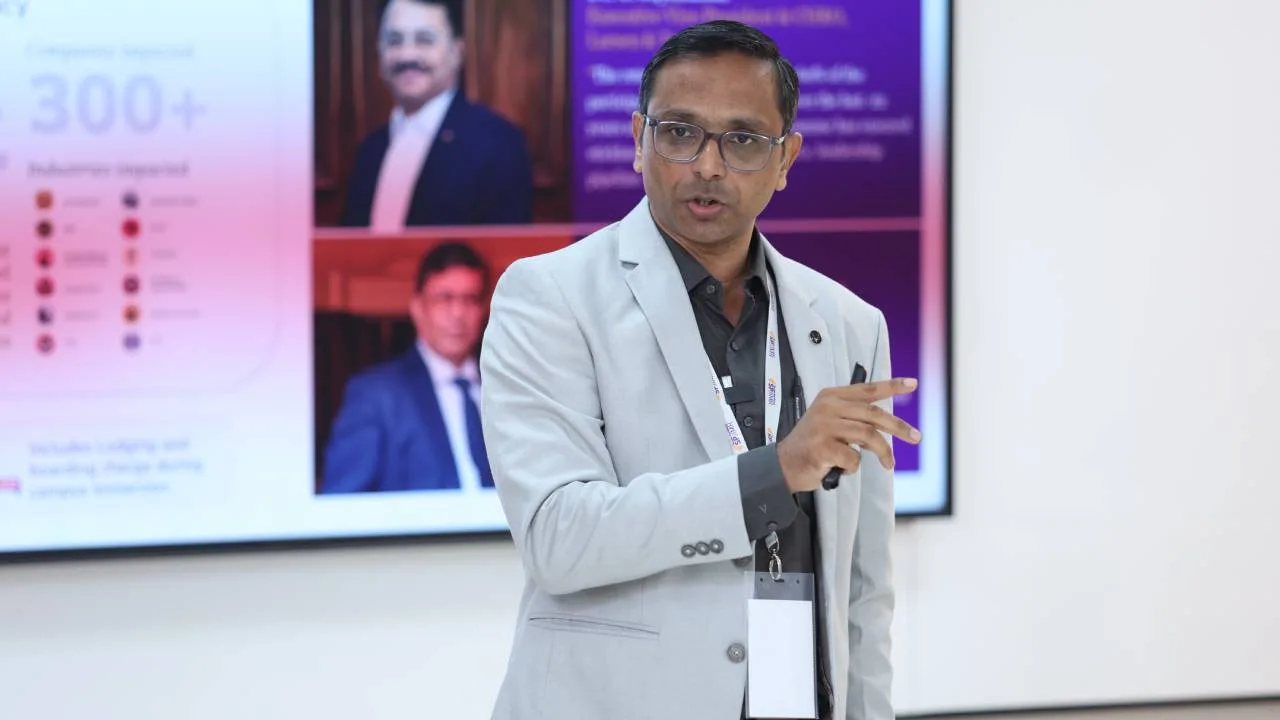
The evening concluded with a session on fostering innovation and capability building through academia–corporate partnerships, led by Prof. ShabbirHusain R.V., Chairperson, PGEMP and PGPMBM, alongside Prof. Ruppal Walia Sharma, PGPGM Chairperson, and Prof. Avinash Ghalke, PGPGM Deputy Chairperson. Highlighting tracks within SPJIMR’s executive portfolio that have successfully crossed the 100-batch milestone, the faculty discussed how organisations and academic institutions can collaborate to create sustainable leadership pipelines, accelerate executive learning, and build future-ready talent.
The inaugural edition of EMPact demonstrated that the mandate for modern L&D in an AI world is clear: technology will undoubtedly rewrite how organisations operate, but the intentional, cross-functional alignment of human capability will determine how they thrive.