





Is it wrong to ask for recognition of the good work we do? We have asked this question time and again – when we see changemakers and organisations working for greater causes, yet getting overlooked. In a world flooded with countless messages and the noise of purpose and change. Why is it that the people doing the most meaningful work struggle to come to the forefront? Among all the possible reasons, one stands out – brand management. In a noisy world, where trust, clarity and communication matter, the right branding makes a significant difference.
What challenges do social development sector brands face today?
Despite the growth in the social development sector and the expanding opportunities, social sector organisations struggle to build brands and reach the right audiences. The primary reasons are as follows:

Trust factor
Many organisations face challenges in demonstrating transparency and accountability with measurable outcomes.

Resource crunch
Many organisations operate with limited financial resources and deliver large-scale impact. The challenge often lies in delivering on expectations and balancing available budgets.

Identity crisis
When thousands of organisations pursue similar targets, it’s challenging to stand out with impactful results. The lack of identity and visibility makes it more difficult to attract more sponsors and donors.
What does brand management mean for social sector organisations?
Brand management in the social sector goes beyond a clever tagline. It is about building clarity, consistency, and connection.

Clarity means what you stand for and how you present yourself with a clear, well-defined purpose that everyone can easily understand.

Consistency ensures that the organisation’s voice is constant across all channels of communication, making it trustworthy.

Connection is about building strong relationships with the stakeholders by demonstrating qualities that align with community needs.
A strong brand strategy in the social sector connects with its audience and clearly communicates an organisation’s purpose, building trust with communities and donors and aiming for long-term engagement. While many believe brand management is for corporates, social organisations also must know how to differentiate themselves in a crowded space.
Why does brand thinking matter more than ever in the social sector?
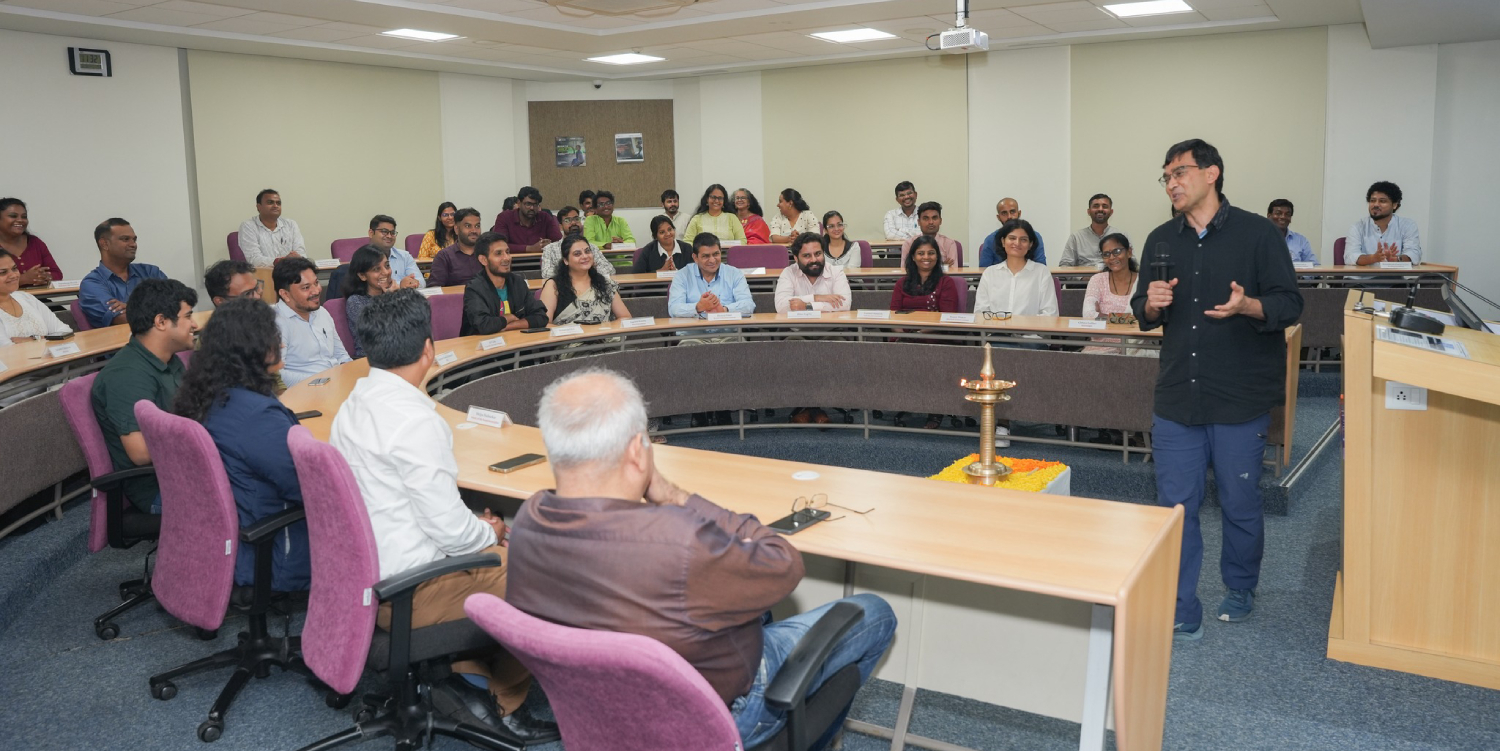
The social sector is evolving and facing new challenges. As expectations increase and competition for resources grows, social organisations must do more than deliver services. Brand strategy in the social sector should focus on building credibility and trust. This is where brand thinking becomes essential for the social sector. It allows organisations to present a unique identity, share their stories with consistency and connect deeply with their stakeholders. Prof. Janakiraman Moorthy, Professor of Marketing and Associate Dean, Academics and Research at SPJIMR, explains the importance of branding in creating a significant impact for organisations and professionals working in the social development sector.

A brand strategy in the social sector goes beyond logos or marketing tactics — it’s about building recognition and lasting impact for the long-term future. Leaders who apply brand thinking often see transformative results.
Let’s look at an example: Aaboo Varghese used a brand strategy to reposition and start his NGO named Purnata in 2014. After nearly 20 years of working against human trafficking, he felt the need to upgrade his skills and reach the right stakeholders to have maximum impact.
Watch Purnata’s journey
Examples like this demonstrate how brand thinking in the social sector leads to success in creating a long-lasting impact.
Bringing brand management to practice for the social development sector
When social development sector leaders apply brand management in their organisations and their missions, they communicate value better and mobilise support. Applying brand management to decisions improves communications and enhances community engagement. Social sector leaders and organisations must view brand management and strategy as a vital part of their mission.
It helps them support sustainable growth and ensure alignment with their mission. By embracing brand strategy, decision-makers can build communities, attract resources and strengthen credibility for long-term impact. In a sector where purpose is abundant but visibility is limited, brand management becomes a vital leadership skill. It’s a practice to learn to manage stakeholder relationships and measure holistic social impact.
For example, an NGO working in the field of homeless rehabilitation using brand thinking crafts a compelling brand story and reaches the right donors. The story needs to cover its core identity, not just around providing shelter but also restoring dignity, rebuilding lives and reintegrating homeless people back into society. This brand story reflects its mission and demonstrates measurable impact. In this way, brand thinking enables organisations to stay mission-aligned and grow their reach and relevance organically. This helps it stand out in a crowded social development sector landscape and be recognised and trusted. Organisations that connect emotionally with donors, inspire volunteers and influence policymakers can drive meaningful change.

In summary, brand management is no longer an afterthought for the social sector. In an area where trust, visibility, and impact matter more than ever, strong brand management can help them rise above the noise, build meaningful partnerships, and drive change. For those ready to go further, programmes like the Post Graduate Programme in Development Management (PGPDM) at the well-known institute SPJIMR offer the structure, real-world thinking, peer learning and a strong alumni network needed to put brand thinking into practice for the social sector. The programme equips professionals who wish to deepen their understanding of organisation-building, leadership and strategic communication.
Register your interest in this programme
Please fill in the following details