


More than a transaction: How social trust sparked a digital revolution on India’s streets
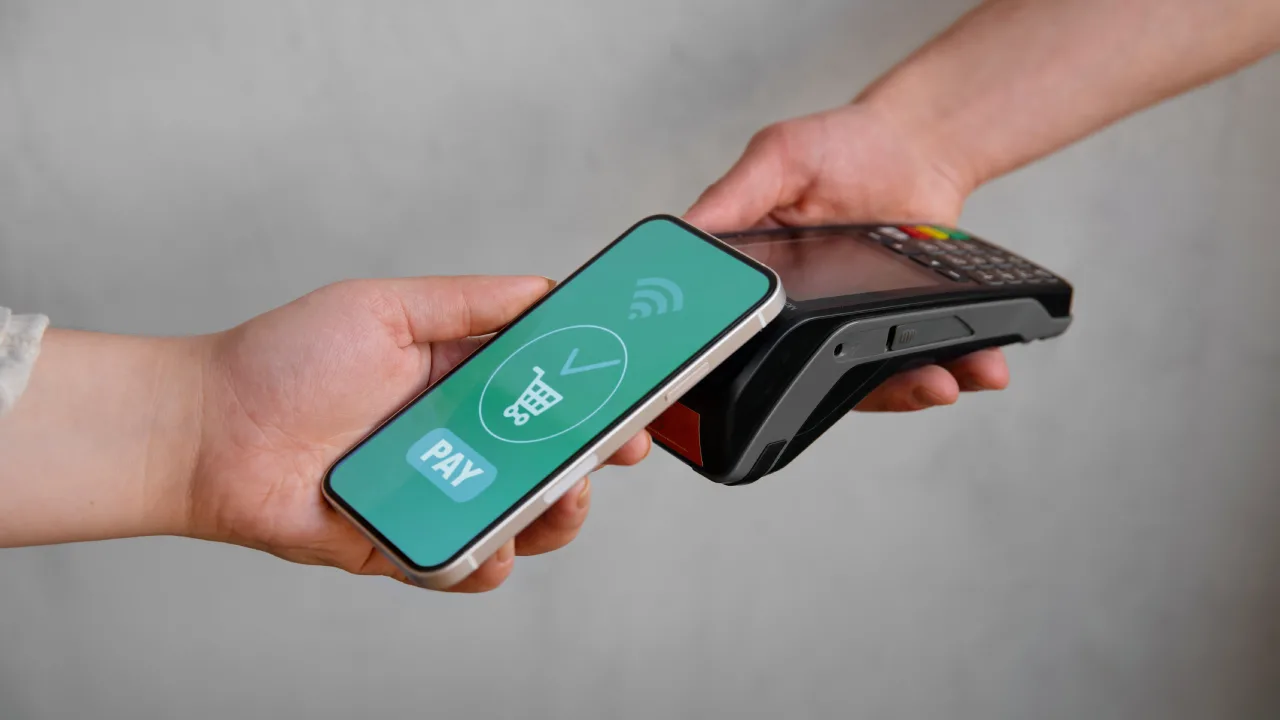
Walk through any bustling street market in Delhi, Mumbai, or Bangalore, and your senses are overwhelmed by a vibrant hum of commerce. The sizzle of frying oil, the aroma of spices, the kaleidoscope of colourful textiles, and the chorus of vendors calling out to passersby—this is the lifeblood of India’s informal economy. Amid this sensory overload, a new fixture has become as common as the goods themselves: the small, pixelated square of a QR code, hanging from a food cart or taped to a cobbler’s stall. These vendors are micro-entrepreneurs, the backbone of the nation, living and working by the day’s earnings.
This raises a critical strategic question: In a nation facing significant literacy and technology adoption challenges, especially among its most economically vulnerable, how did digital payments become so deeply integrated into the fabric of daily life? The answer is not found in the sophistication of the technology itself but in a revolutionary model built on a powerful, deeply human-centric force: socially embedded trust.
1. The cash conundrum: Why digital payments seemed a distant dream
For generations, street vendors have operated in a world driven entirely by cash. As micro-entrepreneurs, their relationship with money is immediate and tangible. The thought of entrusting their daily earnings—the very funds needed for the next day’s inventory and their family’s meals—to an invisible digital system was, initially, a non-starter.
The barriers were significant and deeply rooted in their reality:
- Limited digital exposure: Many vendors have low levels of formal education and little to no experience with digital tools, making complex apps and processes intimidating.
- Fear of the unknown: A fundamental fear of technology was prevalent, especially when the stakes were so high. A lost transaction or a technical glitch could mean a day’s hard work vanishing into thin air.
- Practical concerns: Beyond fear, there were practical worries about security, the actual usefulness of a digital system in a cash-heavy environment, and even the basic barrier of affording and maintaining a smartphone.
2. The tipping point: How trust, not tech, changed the game
The breakthrough that unlocked mass adoption wasn’t a feature update or a marketing campaign. It was the organic growth of what researchers call ‘Socially Embedded Trust’—a form of confidence built not on institutional guarantees, but through the lived experiences and shared knowledge of a community. Unlike trust in formal systems, this operates through four key mechanisms:
- Trust transfer networks: Where trust moves laterally through peers and family, creating a community-wide endorsement.
- Experiential verification: A reliance on immediate, tangible sensory feedback rather than abstract promises of security.
- Collective risk assessment: The community-based evaluation of a technology’s risks and benefits, based on shared stories and experiences.
- Dual sensory trust formation: The powerful combination of a visual cue (the QR code) and an auditory guarantee (the voice confirmation) that creates an undeniable trust touchpoint.
2.1. “If they can do it, so can I”: The power of peer and customer influence
The first wave of change was a textbook example of ‘Trust Transfer Networks’ at work. Vendors saw their peers and competitors successfully using digital payments. This was accelerated by the Covid-19 pandemic, which made contactless transactions a necessity and rapidly shifted customer expectations. To stay in business, vendors had to adapt. The fear of losing a sale became greater than the fear of the technology.
A Chole Bature vendor in Delhi, who runs a family business started in 1952, captured this sentiment perfectly. He was hesitant until customers began asking for digital options across a fragmented ecosystem, and a friend helped him get started. He explains:
“The customers came to eat here, and they used to pay online, but I didn’t know what it was, and they used to tell me to install Paytm. Some people used to do Google Pay and some used to do PhonePe, and some paid through Amazon too. I told my friend about it. He works at Paytm. I told him to install Paytm, and since then, things have started to improve.”
2.2. Seeing and hearing is believing: The sensory solution to the literacy gap
While peer pressure opened the door, it was a simple, multi-sensory innovation that built the unshakeable trust needed for daily use. This solution brilliantly bypassed the barriers of literacy and technical anxiety by providing both ‘Experiential Verification’ and ‘Dual Sensory Trust Formation’.
- The visual cue: The QR code itself is a masterpiece of inclusive design. It’s a simple visual target. No typing, no reading, no navigating complex menus. Just point and scan.
- The auditory guarantee: The true game-changer was the voice box. This small speaker, provided by payment companies, provides instant, audible confirmation that a payment has been received, announcing the amount in the vendor’s local language. This simple sound byte solved multiple problems at once: it eliminated the need to check a phone screen, prevented fraud, and provided an undeniable, real-time guarantee that the transaction was complete.
A toy vendor in Delhi highlighted how this feature built complete confidence and enabled his family to help run the stall:
“If I’m out, my wife or anyone else can manage the business, as we get a voice message in Hindi on the speaker when we receive payment… I fully trust the system offered by the payment company.”
This auditory feedback directly translated to improved productivity. A beautician in Mumbai noted how the voice box allowed her to focus on her clients without interruption:
“I have a voice box in my parlour. It gives a message in Marathi… I don’t need to check my phone to verify… that way, I can attend to another customer. This way, I’m assured that the payment is received and can carry on with my work smoothly.”
3. Practical wins: The everyday benefits of going digital
Once trust was established, vendors quickly began to experience the tangible, daily benefits of moving beyond cash.
- No more hassling with change: The chronic problem of not having the right change for customers disappeared. A cobbler in Mumbai put it simply: “Customers come, and they don’t have change, so they ask me if I would accept Paytm, so in that way I get some business too, and it becomes easier for them too. It is good for both.”
- Effortless record-keeping: Payment apps automatically track every transaction, eliminating the need for manual bookkeeping and giving vendors a clear, accessible history of their earnings.
- A new habit of saving: With money deposited directly into a bank account, vendors found it easier to save. The temptation of spending loose cash was reduced, enabling better financial management.
- Empowerment and digital literacy: For many, adopting this one tool became a gateway to broader digital confidence. A female vegetable vendor in Mumbai shared a profound benefit beyond convenience: “Adopting PhonePe has helped to keep track of payments, and I have also learnt to read and understand the usage of smartphones and apps… which I was not confident about.”
- Opening doors to financial inclusion: A digital transaction history created a formal financial footprint for the first time. This opened up new opportunities, such as access to microloans. A street mechanic in Bangalore successfully secured a loan through Google Pay, noting how much easier the process was: “I received the money in my bank account in a few days, whereas if I had gone to the bank for a loan purpose, I would have been made to wait for a long time and asked for many documents.”
4. Blueprints for an inclusive future: Lessons for ‘Vikasit Bharat’
The story of the street vendor’s QR code is more than just an interesting case study; it’s a proven playbook for achieving India’s broader development goals (‘Vikasit Bharat’). The key takeaway for innovators is clear: for technology to achieve mass adoption among bottom-of-the-pyramid users, it must be built on a foundation of human trust and designed to solve real-world barriers like literacy and digital anxiety.
This case study provides a replicable design pattern. The dual-sensory trust-formation model—a simple visual interface (the QR code) combined with unambiguous auditory feedback (the voice box)—is a powerful framework for building inclusive digital systems. These design principles are not limited to payments; they are vital for any initiative aimed at empowering the informal sector, deepening financial inclusion, and promoting the kind of inclusive economic growth that is central to a developed India.
Conclusion: A human-centered digital future
Ultimately, the stunning success of digital payments on India’s streets is a human story. It’s a testament to the power of community, shared experience, and brilliant, accessible design. Technology did not succeed by trying to change the user; it succeeded by meeting the user exactly where they were. By prioritising a trust-based adoption framework and designing for the senses, we can build a digital economy that doesn’t just serve the privileged few but truly includes everyone.
About the faculty

Milind Kamat
Milind Kamat is currently pursuing his doctoral programme at the University of Bradford, UK, and is a faculty in information management and analytics. Currently, he also serves as the Chairperson of the Global Management Programme at SPJIMR. Before joining academics in 2019, he conducted leadership roles in C-level capacities, steering IT companies of high repute.
Recent faculty blogs
- Read more
-
Pre-trends matter for estimating the causal effect of the WTO on bilateral trade
Read more -
Beyond the label: Why consumer vulnerability is a business imperative, not just a policy problem
Read more -
If I already trust life, what role does Īśvara play?
Read more -
Do we really need Īśvara? A dialogue with a secular humanist
Read more
Most read faculty blogs
-
Organisational responses to hybrid work—Rethinking culture and civility in India
Read more -
When Amazon arrived late to India’s quick commerce party
Read more -
Reimagining travel through AI: Making every journey smarter and more personal
Read more -
Budget 2025: Unlocking opportunities for the private sector
Read more - Read more