





The social sector in India is going through a quiet transformation. India’s CSR spending, which was 35,000 crore (FY24), is expected to increase to 1.2 lakh crore in FY351. The space that was seen as the domain of grassroots volunteers and idealists is now recognised as a key driver for societal change. This change is being driven by new ideas and cultivated leadership. It calls for strategic thinking, digital fluency, and insightful innovation.
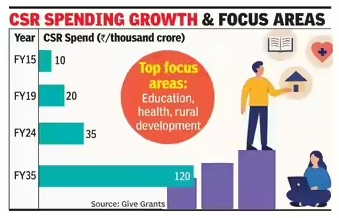
Image credit: Times of India
All the sub-domains of the social sector, from public health to education, face complex challenges. The sector needs professionals who can combine strategic goals with purposeful messaging and lead with sound compassion and real-world capability. The qualities are essential for anyone pursuing a career in the social sector.
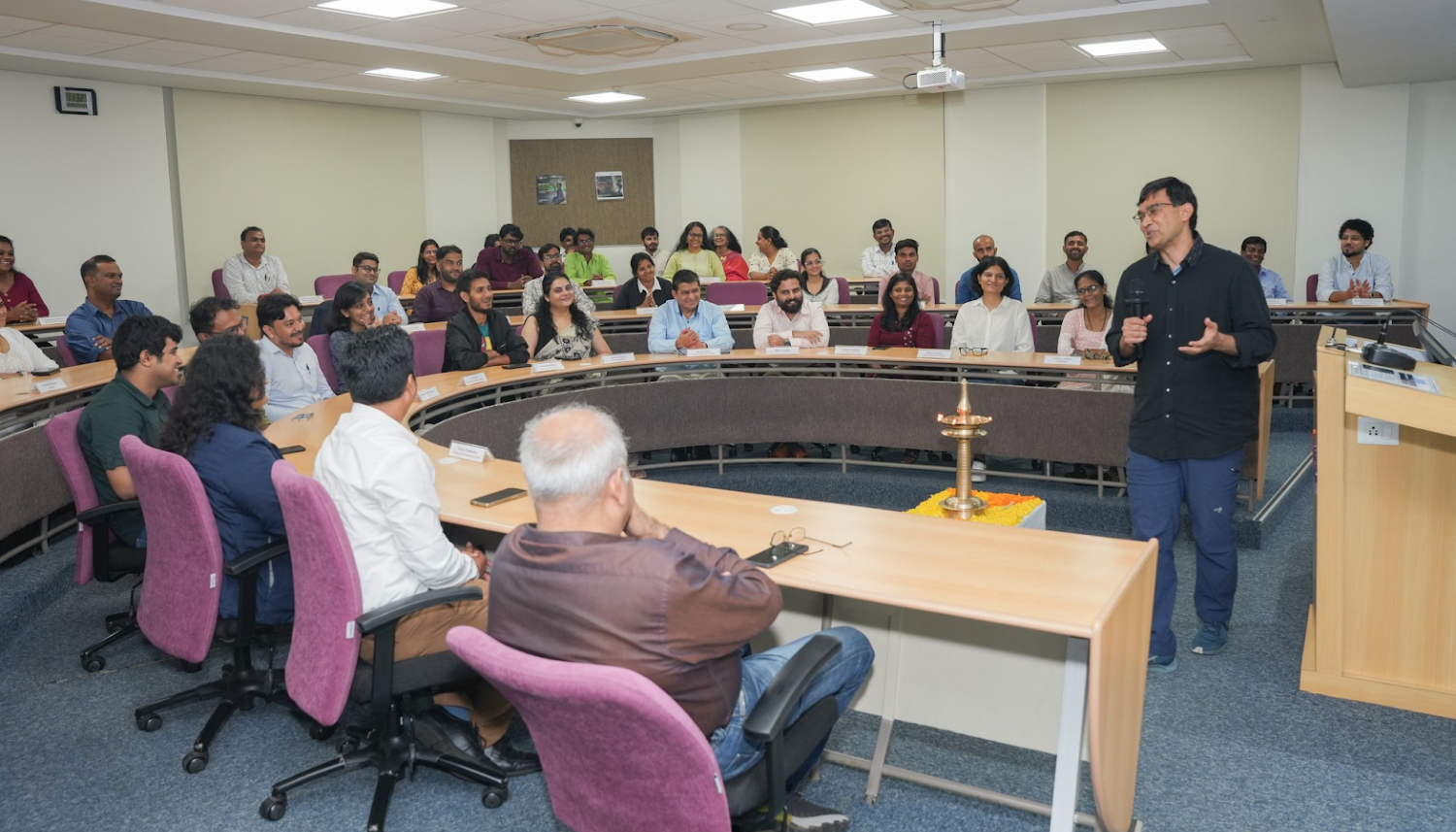
Image credit: SPJIMR
What is the social sector in India?
The social sector in India consists primarily of non-profit organisations, social enterprises, corporate social responsibility (CSR) arms of companies, and multinational agencies. Their work is mainly focused on societal issues such as

Quality primary education

Public health and nutrition

Inclusion and gender parity

Protection of the environment
Development of rural community
Various stakeholders in the social sector, with increasing collaboration between the of government, civil society, and corporate houses, are more integrated. The social sector stakeholders are more technology and data-driven and results-orientated than in previous years.
Is a career in the social sector right for you?
If you are:

Driven by a sense of purpose
Envision yourself as a grassroots changemaker

Believes that problem-solving can create a real impact
The social sector welcomes interdisciplinary thinkers who blend creativity and compassion with competence. The career in the social sector ranges from building a technology stack for access to education to drafting policy campaigns to change policymakers’ minds on any social subject or law. The social sector requires professionals who are strategic in their outlook and provide a unique lens to the existing problems.
Steps to begin your journey in the social sector
Starting a career in the social sector begins with purposeful steps such as:
Understand the social sector landscape
The social sector operates with the help of various types of funding models, stakeholders, and frameworks. The first step is to understand the whole sector and identify where you can make the most impact.

Image credit: SPJIMR
Equipped with the right skills
The starting point for any professional is to develop a skillset required to fulfil the professional capabilities. The social sector requires skills such as:
- Fundraising and engagement
- Project monitoring and evaluation
- Systems thinking and innovation
- Designing programme objectives and implementation

Image credit: SPJIMR
Engage in the field
To start engaging with the field, we can start with volunteering and internships, which are important to understand the realities and complexities on the ground. By working in the sector and the hands-on involvement will build credibility as well as help you in discovering the cause that you are most passionate about.
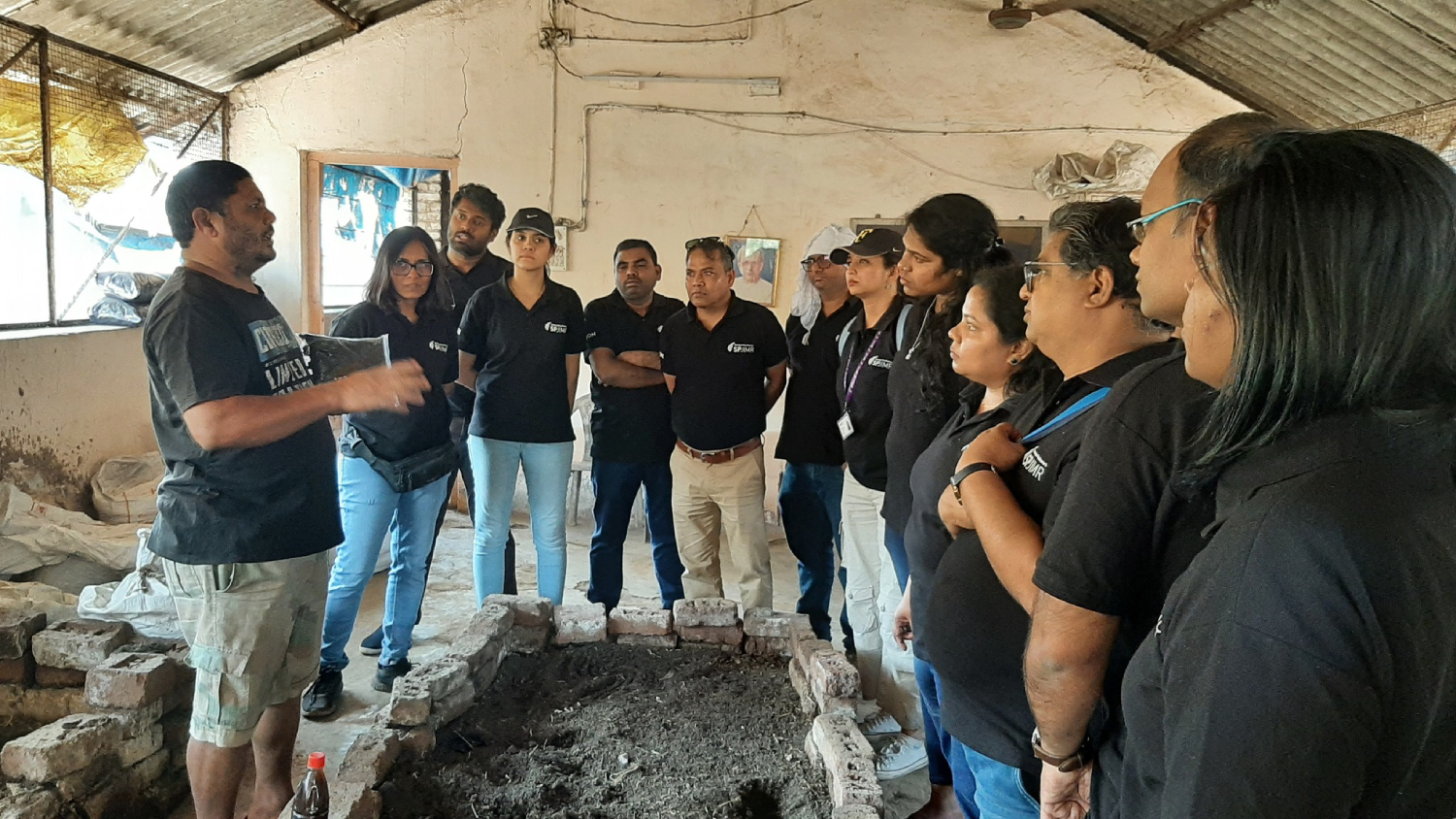
Image credit: SPJIMR
Connect with like-minded professionals
Events like a conference, forums related to health, education, and climate change that encourage peer learning will strengthen the interest in the social sector as well as help in career literacy. By connecting with like-minded professionals, you can gain exposure that is invaluable for launching a social sector initiative.
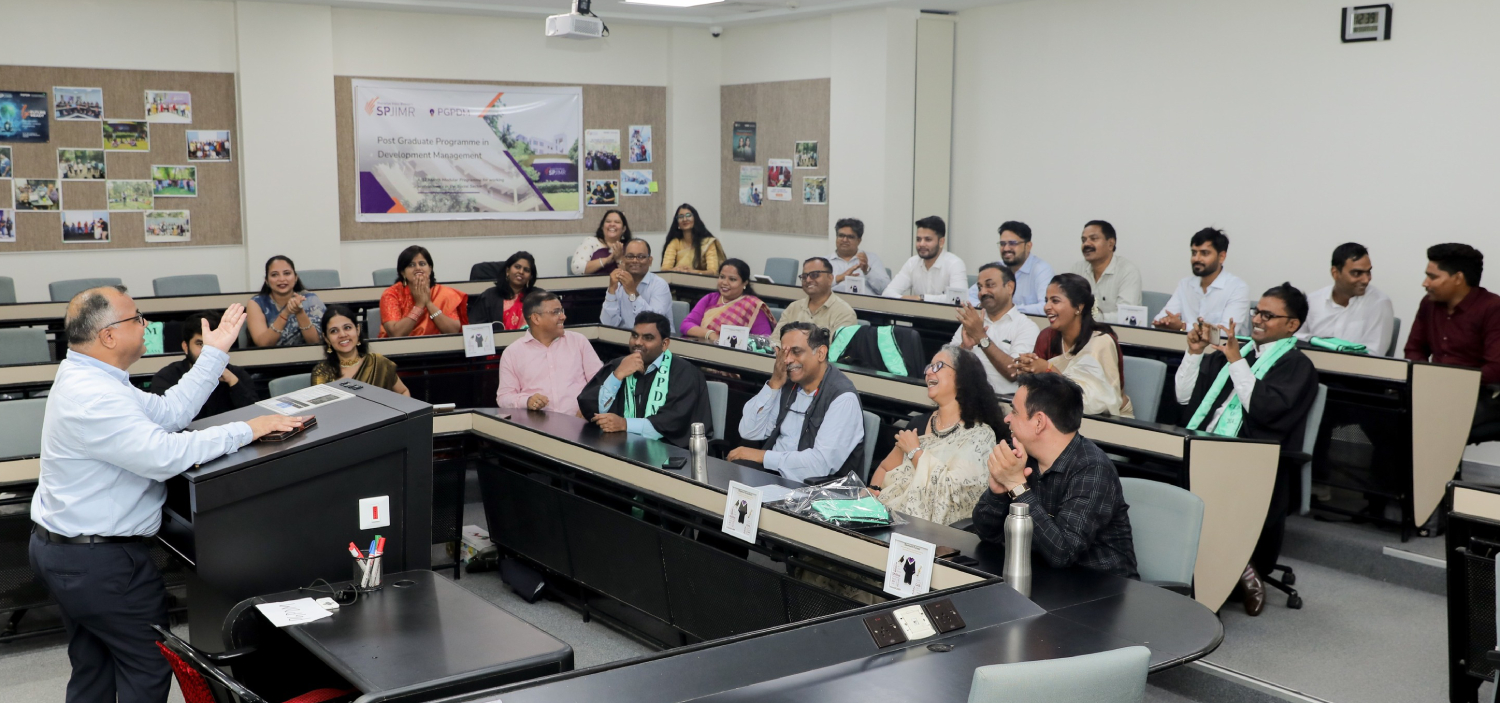
Image credit: SPJIMR
Explore impact-focused roles
After going through the basic four steps explained before and building competencies that will aid in the social sector, you can explore roles in areas such as:
- Impact assessment
- Social policy reviews
- Social entrepreneurship
- CSR strategy and implementation
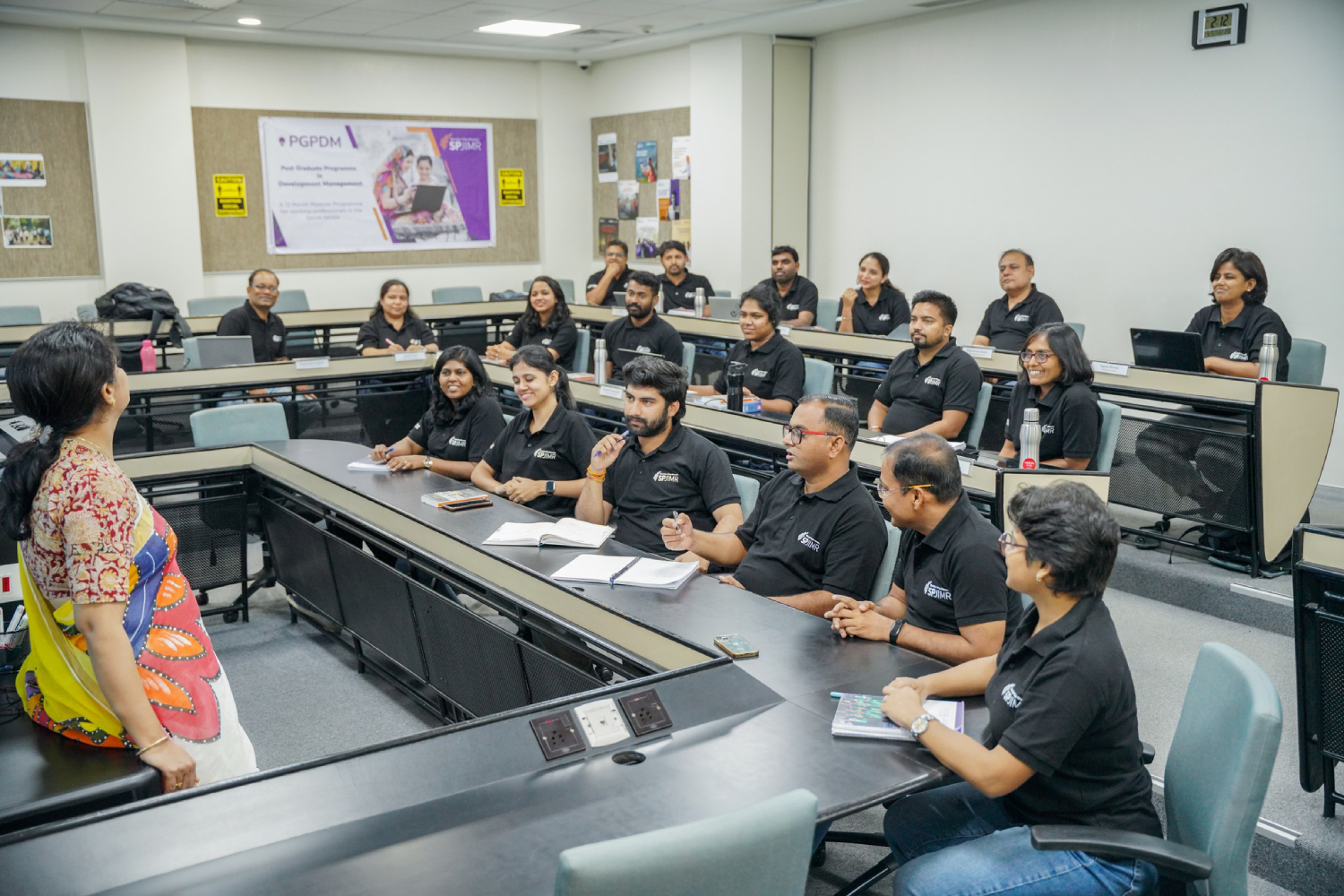
Image credit: SPJIMR