



The key findings of ‘India: State of Family Business Report 2023’ highlight:

A rising trend of female involvement is observed, particularly in managerial roles.

While 40% of family businesses have women as owners, the majority (54.7%) have female members actively managing the business.

Female representation at the CEO and senior leadership levels remains limited.
The report highlights that an increasing number of women in India want to contribute in a meaningful manner to their family businesses. They want to explore their own role in the family business or start a new entrepreneurial venture supported by family and networks.
However, they lack the right steps or guidance to pursue the same or need an introduction. This article explores how a young scion inspired the women in his family to step beyond their comfort zones and learn about business and entrepreneurship, and how it helped them pivot their personal journey and transform their business.
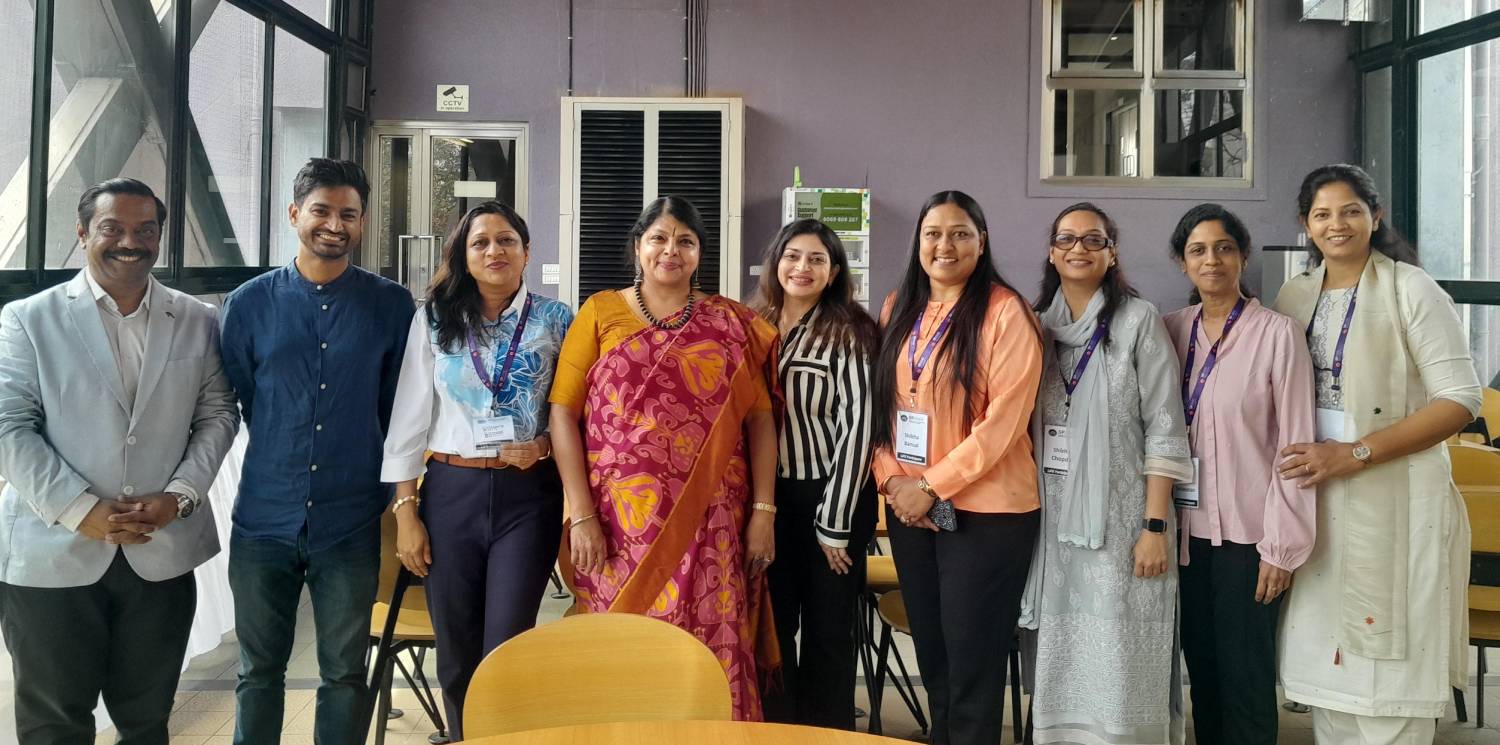
Meet the Bansals: A family united by learning
The story starts with the lessons of inspiration, collaboration, and evolution, sparked by Mehul’s curiosity and introduction to the Ladies in Family Enterprise (LiFE) programme at SPJIMR.
Mehul, a participant in SPJIMR’s Post Graduate Programme in Family Managed Business (PGPFMB), encouraged his mother, Shikha Bansal (involved in the automotive family business), and aunt, Kshipra Bansal (who leads the HR department at Mahindra and Mahindra), to join the Ladies in Family Enterprise (LiFE) to pursue their dreams of family-based professional growth and entrepreneurship.
He encouraged his mother and aunt to come forward and provide leadership to the family in the business by polishing their skills with the LiFE programme.
Lessons of collaboration
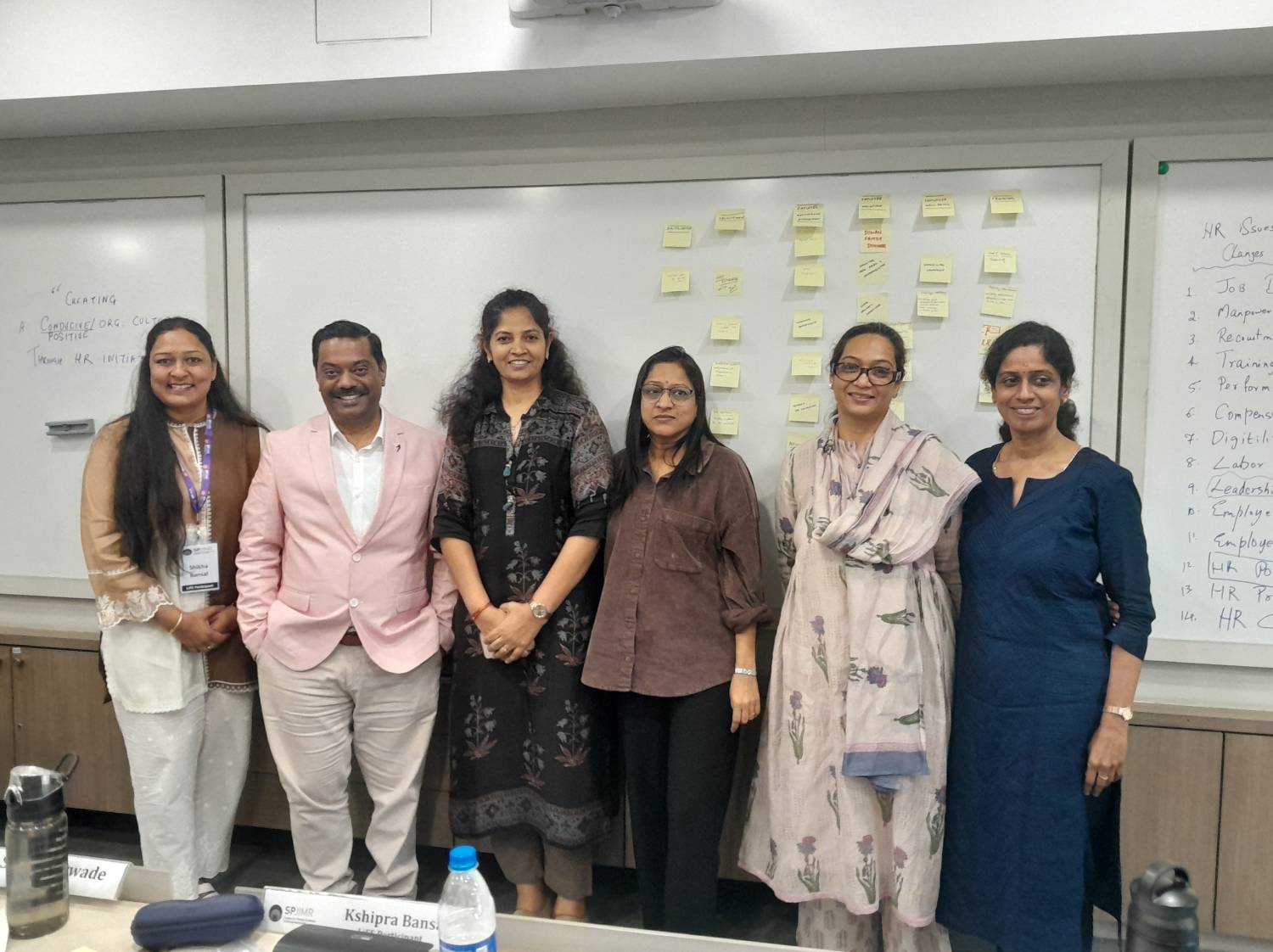
Through the LiFE programme, they gained knowledge of various aspects of self and family dynamics, as well as an understanding of target customers and the use of technology in business.
The programme helped them, as they could demonstrate the skills with real-life case studies and projects and present them to their peers and mentors. For instance, Mehul’s mother, Shikha Bansal, learned and prepared assignments on the themes of hospitality and case study and how to diversify their family business.
Aunt Kshipra Bansal found a new vision to implement new ideas strategically at her work and learned about entrepreneurship ideas. For 35+ years, the Bansal family has been in the automobile industry. With the help of the learnings at the LiFE programme:

They will be able to apply the fundamentals in their family business to improve, diversify, or expand the business further.

The lessons on strategic thinking and operational expertise helped them explore the business-related themes.

Sets of long-term vision nudged them to think strategically about their goals and apply new ideas to their family business.
The LiFE programme provides a well-structured timetable that is designed for three weeks of general management concepts, followed by one week of electives and a final business plan presentation, which results in encouraging ladies to take strategic roles in family businesses.
Watch their inspiring story
The Bansal home has transformed from discussions on seasonal dinner choices to debates about job responsibilities and business dynamics. It is a testament to the transformative power of learning that the three family members across generations have embraced to reshape their family business and personal growth.
The video explains the changes the women of the Bansal family felt after attending the LiFE programme at the SPJIMR Centre for Family Business & Entrepreneurship. How the programme is helping women explore their roles in family businesses and start new entrepreneurial ventures.
Why the LiFE programme matters

In the traditional framework, women’s contributions often went unnoticed and uncredited. Women from business families play a silent role and constitute assets that are untapped in the family business. The goal of the programme is clear: to provide knowledge and skills essential to empower women in family businesses.

The sessions are conducted by industry experts and academicians with rich experience, functional industry experts.

Flexible programme structure provides an opportunity to pursue it alongside daily routine and family-managed business programme alumni.

It gives them an opportunity to network, interact, and be a part of the SPJIMR family business and entrepreneurship alumni community.
A legacy of learning
The LiFE programme became a game changer for Shikha and Kshipra Bansal, with a deeper understanding of leadership by fostering collaboration and learning operational excellence. The journey of professional discovery through SPJIMR’s innovative programme gives women the opportunity to upskill and get mentored by industry experts and experienced academicians.
With the help of the various case studies and real-world challenges of family-led businesses in the classroom, they learned strategic ways of dealing with business problems.
The story of the Bansal family is just one example of how SPJIMR’s LiFE programme is transforming family businesses across India. It allows family businesses to harness the full potential of their diverse talents, leading to a more prosperous and equitable business landscape.
“The glass ceiling persists in family businesses as the representation of women in senior leadership roles remains limited. However, it is heartening to see a lot more daughters and daughters-in-law getting involved in managerial positions than ever, though we need to dig deeper to figure out which business verticals are primarily assigned to them.”
Tulsi Jayakumar, Executive Director, Centre for Family Business & Entrepreneurship, SPJIMR.
Register your interest for this programme
Please fill in the following details