


Leadership today is dynamic, multifaceted, and endlessly evolving. In a world of swift technological transformation, ever-changing stakeholder expectations, and hybrid workplaces, what made leaders effective yesterday may not work tomorrow.
The traditional playbook—where technical expertise and years of experience were seen as the pinnacle of leadership—no longer holds completely. The demands on today’s leaders are more multidimensional than ever before. They must inspire diverse teams, navigate uncertainty, make data-driven decisions, and lead with compassion.
In this setting, the true differentiator is not just intellect or skill; it is adaptability. And adaptability thrives on learning. As such, lifelong learning is becoming a leadership imperative. The most effective leaders know that growth is an enduring journey, not a destination, and that every new chapter of their career requires fresh thought, fresh tools, and fresh outlooks.
Why the best leaders never stop learning
Leaders who invest in their growth stand out in a rapidly evolving world. A compelling example is Arvind Krishna, Chairman and CEO of IBM. In a World Economic Forum session at Davos, he stressed the importance of continuous learning in the age of AI. “The half-life of skills used to be 30 years. It’s now seven years,” he said, highlighting why reskilling at scale is now essential—not just for individuals but for entire organisations.
Under Krishna’s leadership, IBM has invested heavily in upskilling initiatives, including partnerships with governments and institutions to train millions in AI, cybersecurity, and cloud computing. This commitment to future-focused capability building helped IBM reposition itself around hybrid cloud and AI, while simultaneously enabling its workforce to adapt and thrive.
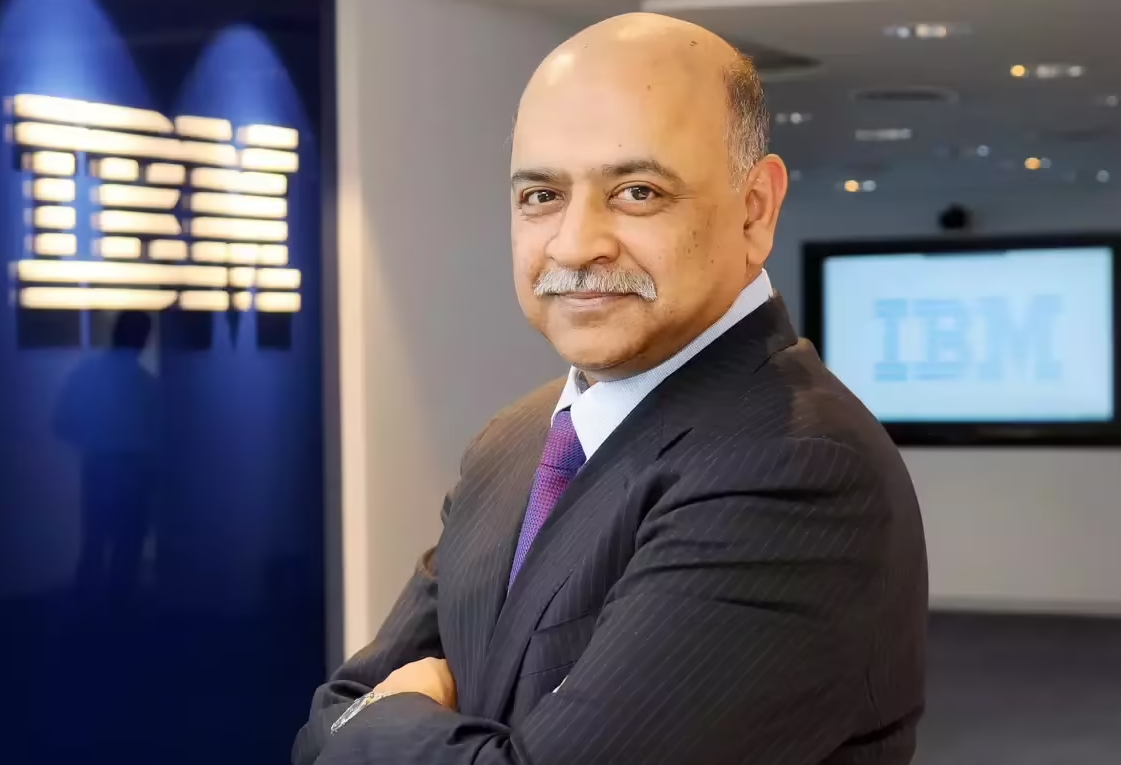 Image credit: Economic Times
Similarly, Indra Nooyi credits her success at PepsiCo to lifelong learning and open inquiry. In a Management Events interview, she stressed the importance of curiosity in leadership: “Look at the next decade or so as a glorious time for the curious, learning individuals, and people who love disruption”, she states.
Her approach helped PepsiCo navigate changing consumer preferences and evolve its product portfolio towards healthier options without sacrificing performance or sustainability.
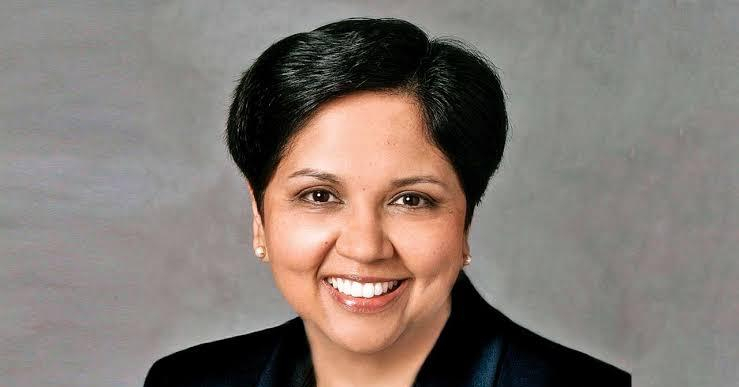 Image credit: DNA India
For today’s leaders, staying still is the fastest way to fall behind. Krishna’s reskilling vision at IBM and Nooyi’s relentless curiosity show that growth doesn’t come from having all the answers but from being willing to keep learning.
These examples matter because change is now the only constant. According to the World Economic Forum, 50% of all employees will need reskilling by 2025 to keep up with technological disruptions and evolving job roles
The cost of standing still
Organisations and leaders who resist learning risk stagnation, irrelevance, or worse. Kodak is a cautionary tale. Despite inventing the first digital camera in 1975, its leadership chose not to pursue digital innovation aggressively, fearing it would cannibalise its lucrative film business. That resistance to change and lack of decisiveness resulted in plummeting market share and, ultimately, the company’s bankruptcy filing in 2012.
As Forbes notes, Kodak’s downfall stemmed from its inability to navigate the digital shift, even when the warning signs were clear.
This story illustrates that leadership today demands more than functional expertise. It requires emotional intelligence to detect shifts in the market, adaptability to respond swiftly, and cross-disciplinary fluency to integrate strategy, technology, and culture. Without these, even giants can lose their place.
 Image credit: Harvard
From mid-career to momentum: The case for structured learning
In mid-career, many leaders face a dilemma: they’re seasoned yet overextended. As accountabilities grow more multifaceted, the solutions that once worked no longer serve. At this point, progress can plateau, not due to a lack of drive but due to a disparity between challenge and competence.
Solutions like research or workshops may spur inspiration, but they seldom bring in the strategic depth or behaviour change required to navigate volatile, uncertain environments. What leaders need is structured learning that mirrors the complexity they manage daily.
The key lies in contextualised learning, programmes that connect leadership theory with real-time application. Just as important is peer-driven learning, where insight emerges from shared experiences, feedback loops and cross-industry perspectives. It’s this combination that builds not just knowledge, but true wisdom.
Therefore, growth in leadership is no longer about simple upward momentum. It is about depth of thought, depth of resilience, and depth of vision. And for that, curated and immersive programmes become indispensable.
How SPJIMR’s Post Graduate Executive Management Programme empowers growth without a career pause
The Post Graduate Executive Management programme (PGEMP) at SPJIMR is designed for working professionals looking for an EMBA to keep growing and learning. Spread over a period of 21 months in a modular format, it blends strategy, innovation, personal leadership, and real-world application. Participants stay in their roles while learning alongside peers from diverse industries, bringing new perspectives and frameworks back to their teams.
What leaders gain from PGEMP

Strategic decision-making expertise grounded in real business challenges
Cross-functional fluency that enables enterprise-wide thinking

Enhanced self-awareness and executive presence through coaching

Immediate workplace application of new insights and tools


A certificate from SPJIMR, one of India’s top B-schools
Great leaders are curious, humble, and always learning. In today’s world, lifelong learning is more than a nice-to-have—it is a competitive advantage. If you’re ready to keep growing while leading, explore how PGEMP can help you gain momentum without hitting pause.
Register your interest for this programme
Please fill in the following details