





India’s social sector has been at the heart of transformative change, from increasing literacy rates from 18% in 1951 to over 77% today (Census 2011) to reducing extreme poverty from 22% in 2011 to under 10% in 2023 (World Bank). Yet, despite these achievements and many more, deep-rooted challenges persist – rural healthcare gaps, unemployment, gender inequality, and environmental degradation continue to impact millions.
While NGOs, government initiatives, and social enterprises are working tirelessly to bridge these gaps, many struggle with scalability, financial sustainability, and impact measurement. The question is no longer about intent but about execution.

This is where dynamic leaders armed with professional skills can change the game. However, driving systemic transformation requires more than passion—it demands expertise in governance, finance, technology, and strategic leadership. Development management programmes provide the training necessary to turn vision into reality, equipping future leaders with the tools to revolutionise the sector.
The need to revolutionise India’s social sector: A sector full of potential but riddled with challenges
India’s social impact ecosystem is among the world’s largest, with over 3.4 million NGOs—one for every 400 citizens (Central Bureau of Investigation, 2015). CSR funding has surged, crossing ₹25,000 crore in 2022-23 (Ministry of Corporate Affairs), while impact investing in India is projected to reach $10 billion by 2025 (Aspen Network of Development Entrepreneurs).
However, despite this momentum, several key barriers prevent long-term success:
Fragmented efforts
With thousands of organisations working in isolation, duplication of work and inefficiencies remain high.

Financial instability
Over 50% of NGOs in India struggle with funding beyond 3 years (FMSF India), making sustainability a challenge.

Lack of data-driven decision-making
Many initiatives rely on traditional models rather than measurable, tech-enabled interventions.

Regulatory roadblocks
Complex compliance requirements under FCRA and GST laws create challenges in securing international funding and scaling operations.
Emerging leaders as the catalysts for change
The new generation of social sector professionals is uniquely positioned to tackle these challenges. They bring fresh perspectives, digital literacy, and a willingness to experiment with new models of impact. From leveraging AI in rural healthcare to creating self-sustaining financial models for grassroots education, changemakers are transforming outdated systems. For example:
- Digital platforms like eVidyaloka are using technology to bridge learning gaps for rural children.
- Start-ups like Haqdarshak help citizens access welfare schemes using AI-driven platforms.
- Fellowships like Teach for India have created over 80,000 impact-driven alumni tackling education reform.
But to scale their impact, attract sustainable funding, and navigate policy challenges, these leaders need structured learning. This is where development management programmes become game-changers.
How development management programmes empower leaders
Development management programmes go beyond traditional academic learning. They focus on real-world applications, equipping students with the skills to transform grassroots initiatives into large-scale, sustainable movements. They teach their students to combine business acumen, leadership training, financial management, and social impact expertise to create scalable and sustainable solutions.
Strategic leadership
Future-ready leaders learn how to build resilient organisations, implement structured decision-making frameworks, and create models that ensure efficiency.
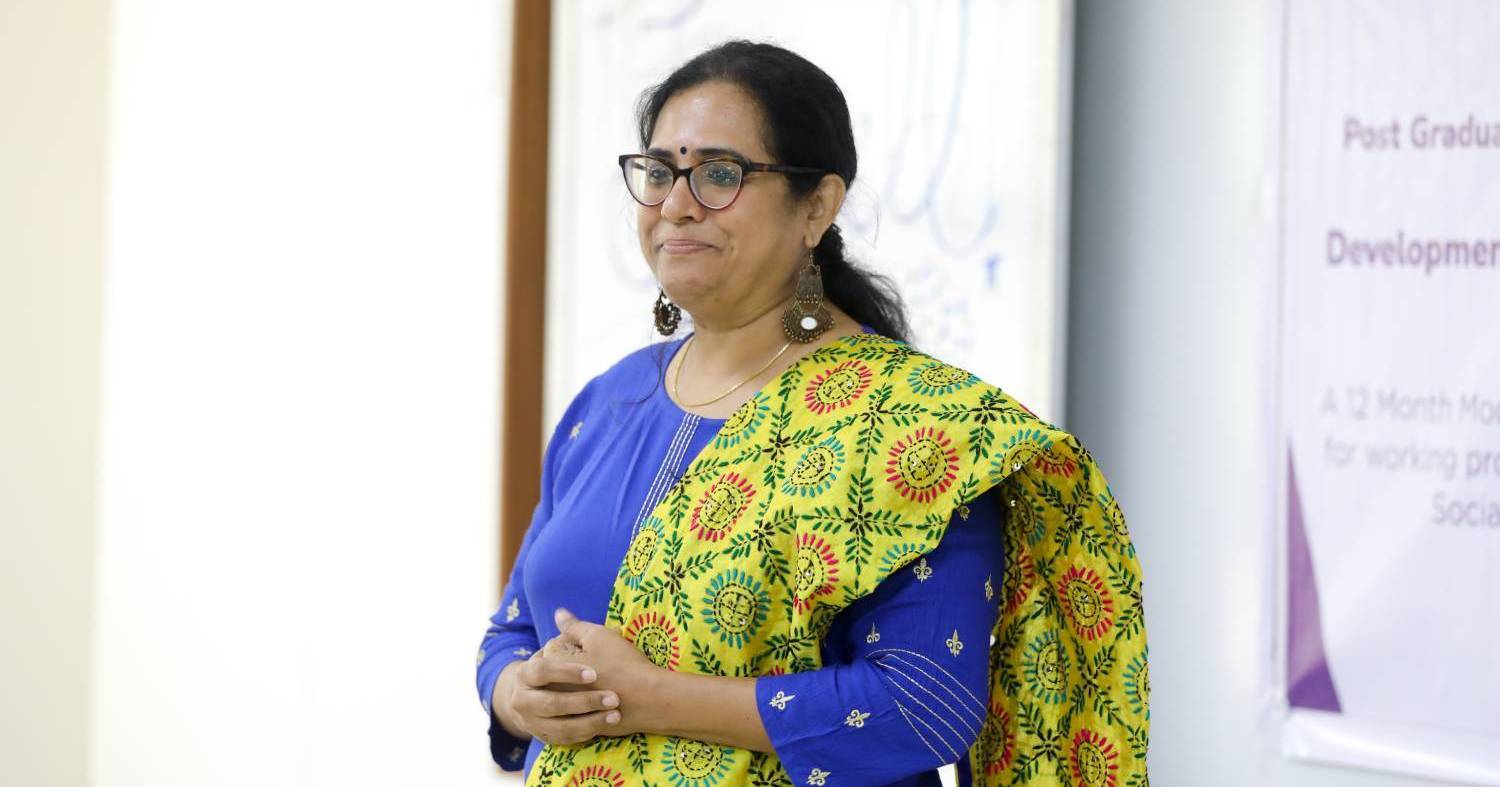
For example, how Saraswathi Suresh, PGPDM alumna from Batch 19 and founder of FAVMI – Families’ Voice on Mental Illness, transformed a tragic personal experience into a catalyst for meaningful change.
Innovative problem-solving
The curriculum emphasises hands-on experience, allowing students to work on live projects and case studies. Whether it is revitalising rural entrepreneurship or creating tech-driven education platforms, students develop solutions that are immediately applicable.
Financial sustainability and fundraising
Beyond donations—creating self-sustaining revenue streams, social impact investing, and innovative fundraising models.
Technology and data-driven decision-making
The use of AI, data analytics, and digital platforms is revolutionising the social sector. Leaders are trained to harness these tools for better beneficiary tracking, impact assessment, and operational efficiency.
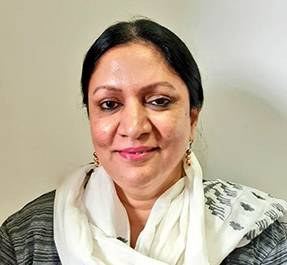
Shirley Menon, PGPDM alumna and Chief Programme Officer at St. Jude India ChildCare Centres, shares her journey and the profound changes she implemented in her organisation after completing the PGPDM programme, “The PGPDM programme at SPJIMR has been a game-changer for me and my organisation. It equipped me with the skills needed to drive positive change in the social sector. The focus on fundraising, data analysis, and innovation has enabled us to enhance our programmes and achieve tangible outcomes. I’m truly grateful for the learning experience and the lasting impact it has had on our initiatives at St. Jude”
How SPJIMR’s PGPDM programme creates future change-makers
At the forefront of this transformation is SPJIMR’s Post Graduate Programme in Development Management (PGPDM). Designed specifically for social sector professionals and aspiring leaders, the programme bridges the gap between passion and execution.

Experiential learning
Hands-on projects with leading social organisations.

Social sector mentorship
Learning from top social sector leaders and strategists.

Impact-focused curriculum
Blending management education with social impact strategies.

Networking opportunities
Access to global development networks and funding opportunities.
Participants gain hands-on experience in scaling impact-driven projects, working with sector experts, and developing the leadership and management skills needed to bring systemic change. Whether they are part of an NGO, a CSR initiative, or a social enterprise, graduates of the programme emerge as strategic, data-driven, and financially savvy leaders, ready to take on India’s most pressing challenges.
Learn more about SPJIMR’s PGPDM programme
Register your interest in this programme
Please fill in the following details
A new era for India’s social sector
The future of India’s social sector depends on bold, well-equipped leaders who can navigate complexity and drive sustainable change. With the right training, aspiring professionals can transform small-scale interventions into large-scale movements, making a lasting impact on communities across the country.
Development management programmes are not just about education—they are incubators for impact-driven leadership. As India’s social sector enters its next phase of growth, these programmes will be the catalyst for large-scale, sustainable change.