

#CorePrinciplesOfResponsiblePM: Responsible product management — Key learnings for every PM
Alok Jha, PGDM 2024-2026


Responsible product management is essential in the current fast-paced business scenario. It is important to consider business and customer requirements while introducing a new product or handling an existing one. This article discusses important learnings from product management practices with responsibility, maintaining long-term value, and solving challenges sustainably.
1. Understanding the customer’s needs
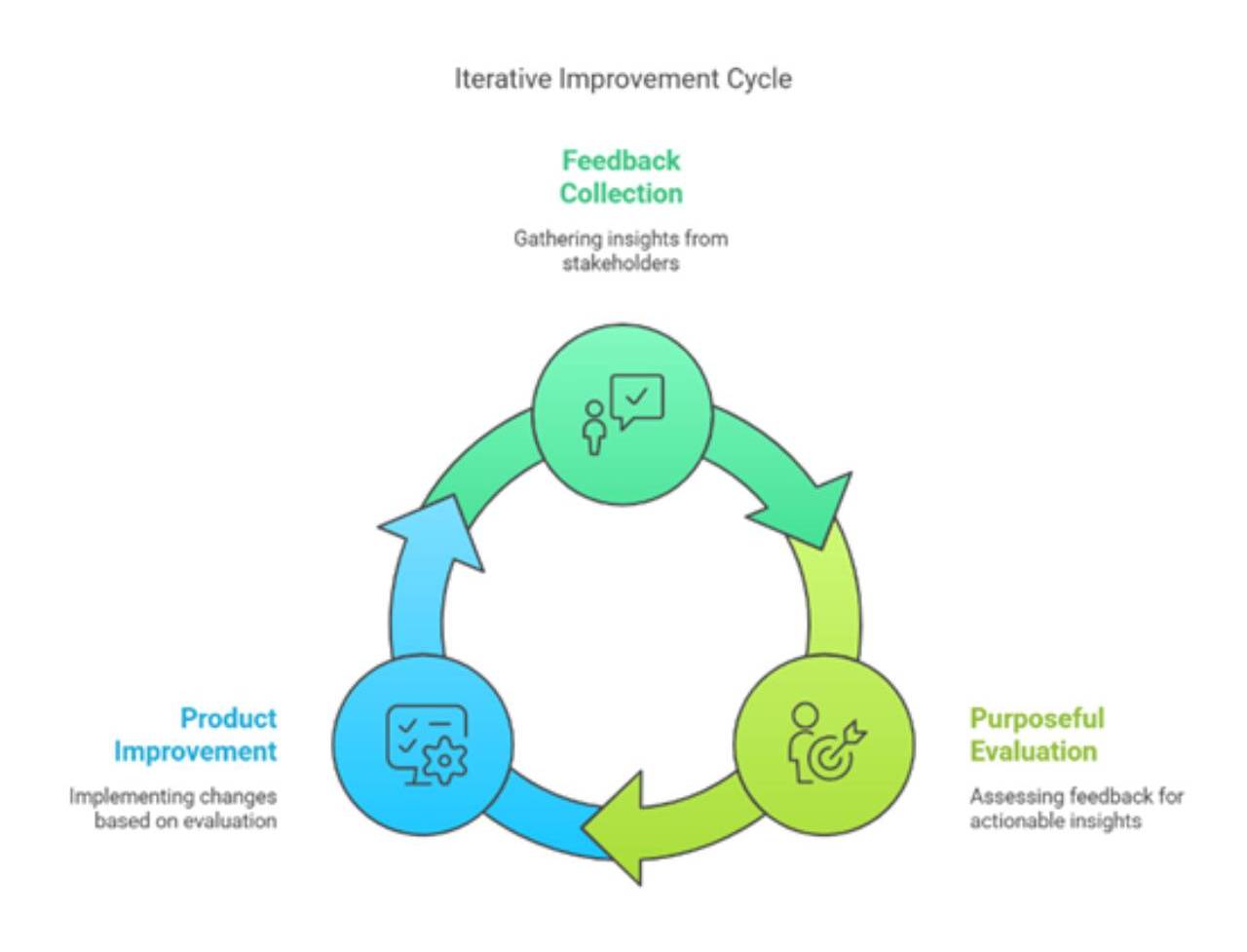
Responsible product management’s cornerstone is understanding the customer’s needs well. As emphasised in user-story methods, keeping the customer in mind while designing the product is critical. A proactive product manager (PM) not only collects feedback; he/she puts himself/herself in users’ shoes, feeling their pains, behaviours, and hopes. For instance, redBus, India’s bus ticketing portal market leader, increased customer conversion by solving implicit user annoyances. By thoroughly knowing user behaviours, they could iterate on effective and useful solutions.
2. Data-driven, but human-centred
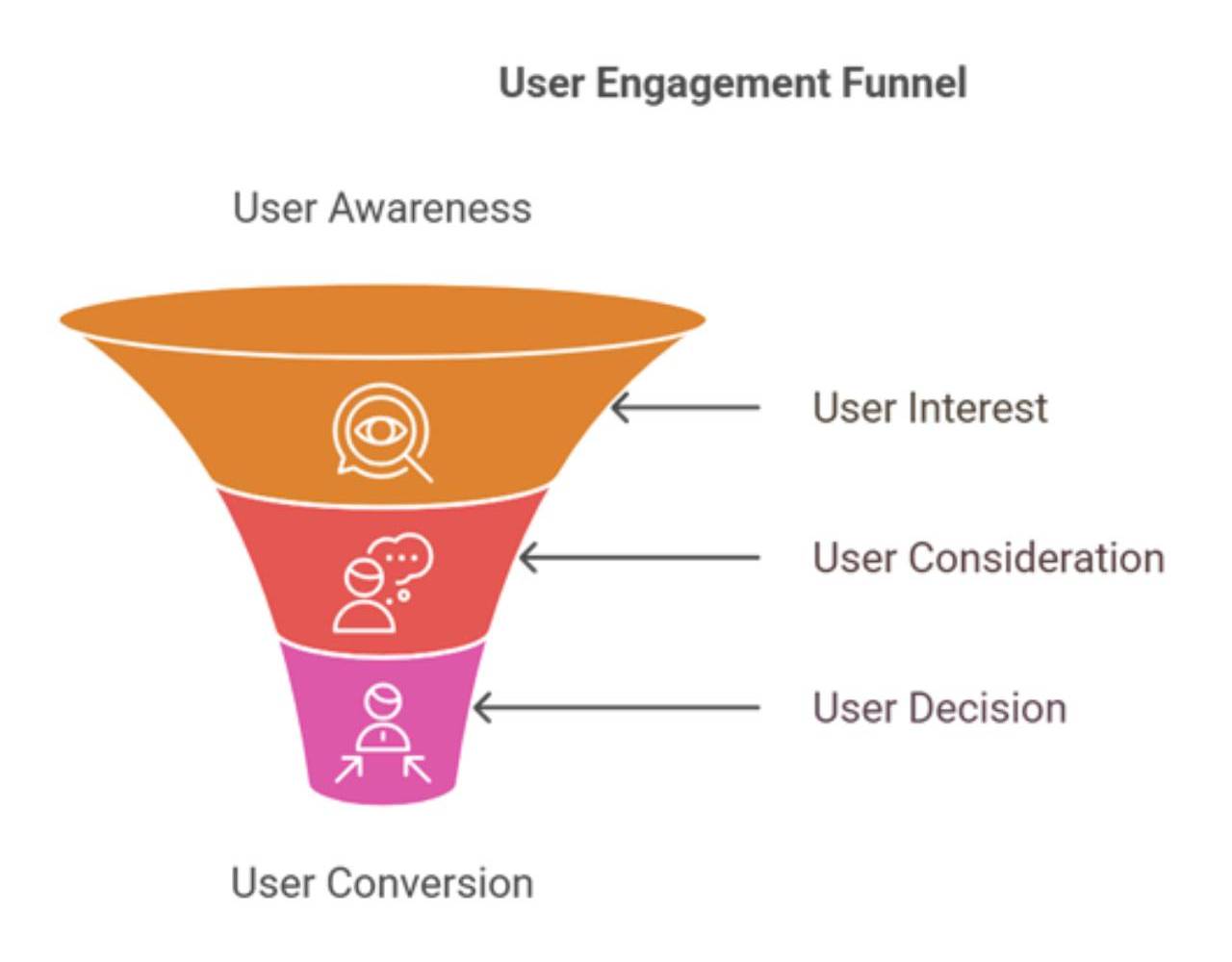
Product management has become data-centric. As digital products create vast volumes of user data, prudent PMs use this data to make well-informed decisions. However, one should not forget the human touch involved in product development. Even though analytics give insights into how users behave, qualitative factors such as user empathy and comprehension add depth to these insights. For instance, although numbers can show how users interact with features, actual interactions, such as user interviews, tend to reveal emotional motivations behind their actions. By marrying data and empathy, it is guaranteed that the solutions are statistically successful and meaningful.
3. Iterate, but with a purpose
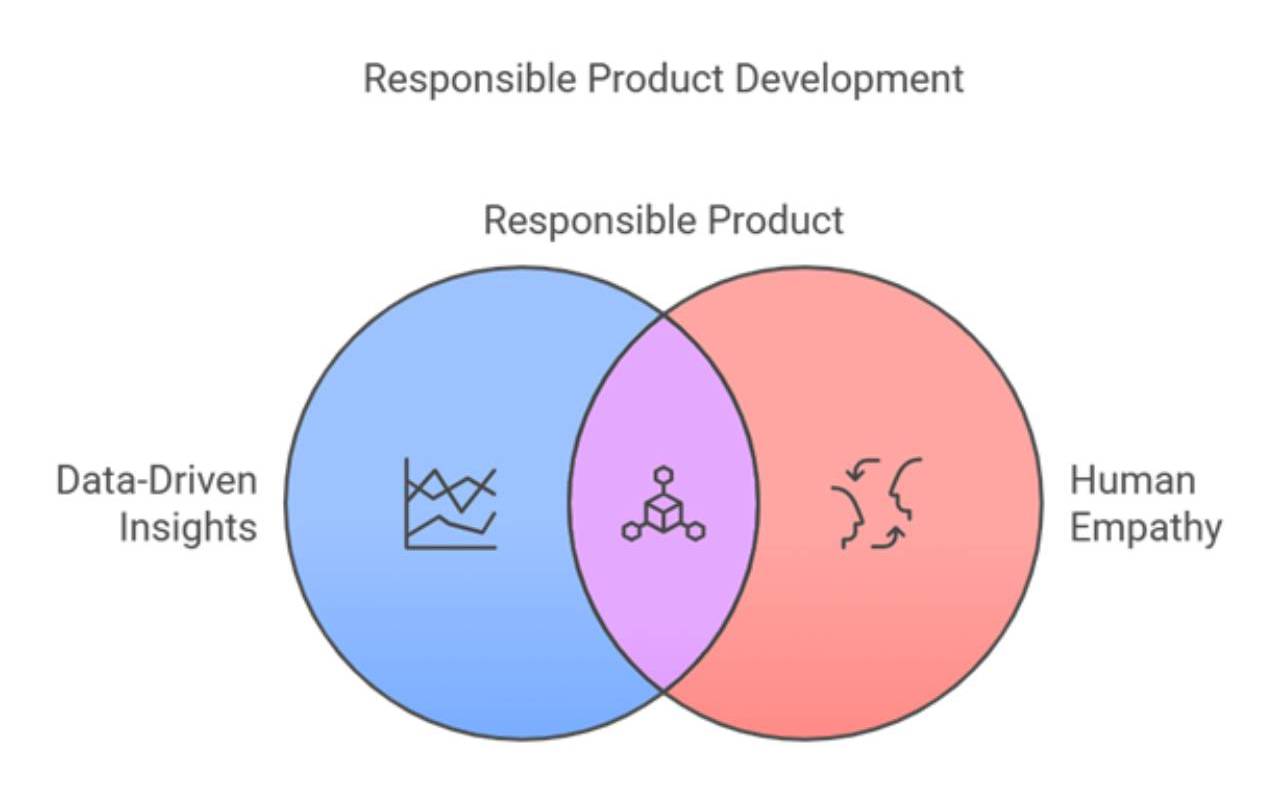
Ongoing improvement of a product is a sign of a good PM. Agile and iterative development enables quick improvement but not at the expense of direction. The greatest product managers don’t iterate for the sake of iterating; they iterate with purpose, and every change is aligned with a clear objective.
For example, continuous software development practices have shifted from long-term waterfall processes to continuous integration, reducing risks and enhancing the product’s adaptability to customer feedback. Still, iterations should be evaluated for impact rather than constant experimentation without a clear end goal.
4. Balancing business goals with customer satisfaction
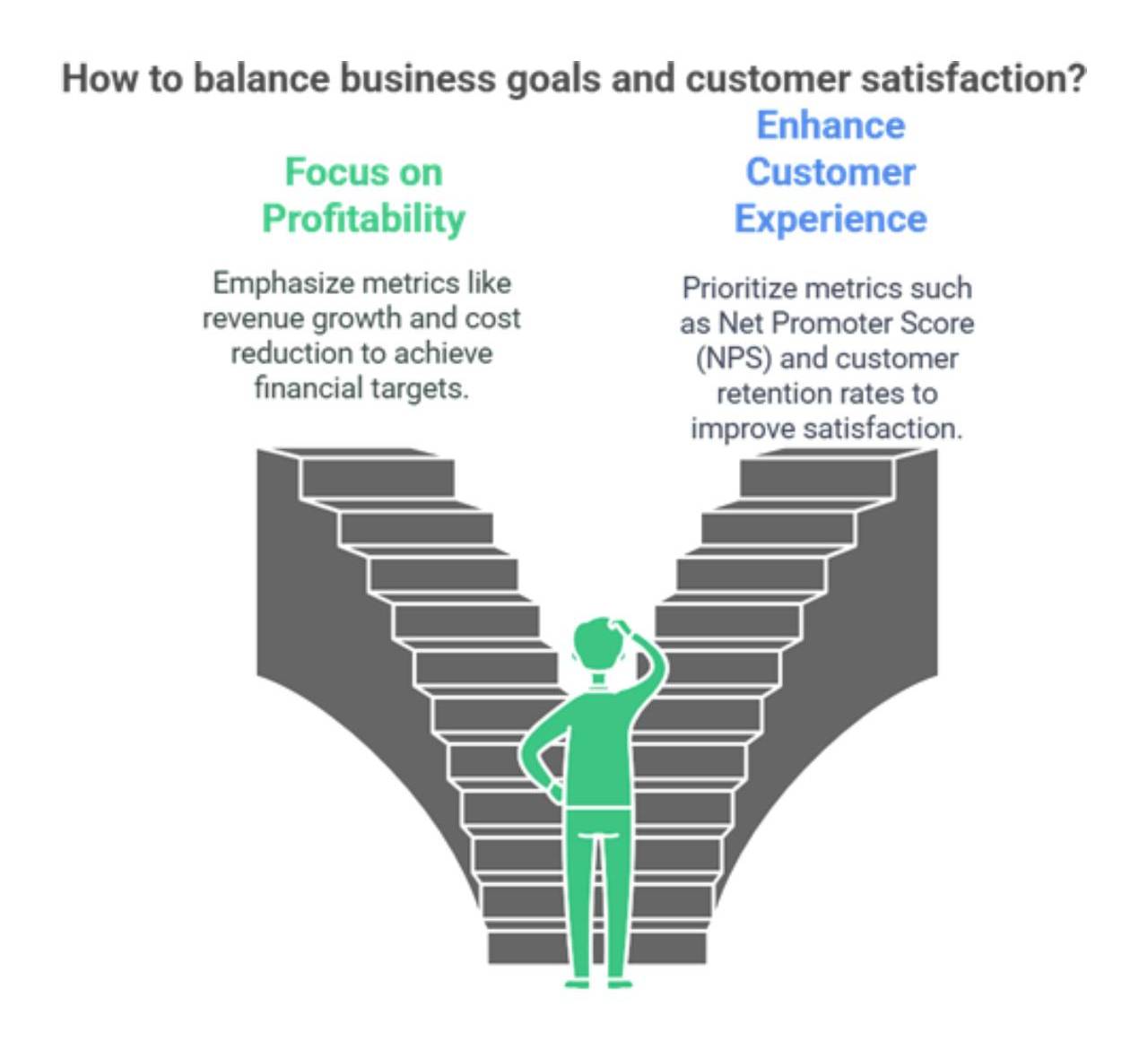
While PMs are tasked with driving business results, like revenue and growth, aligning these with customer satisfaction is also paramount. Products driven by profit usually fail for a long time because they alienate users. Successful PMs, like those working at redBus, understand that growth is not merely about transactions but about establishing enduring relationships. A simple principle to describe such a balance is to think beyond short-term victories. Customer loyalty usually results from a product’s capacity to solve actual problems consistently. Track customer satisfaction measures such as NPS (Net Promoter Score) and financial performance to assess long-term success.
5. Sustainable product management
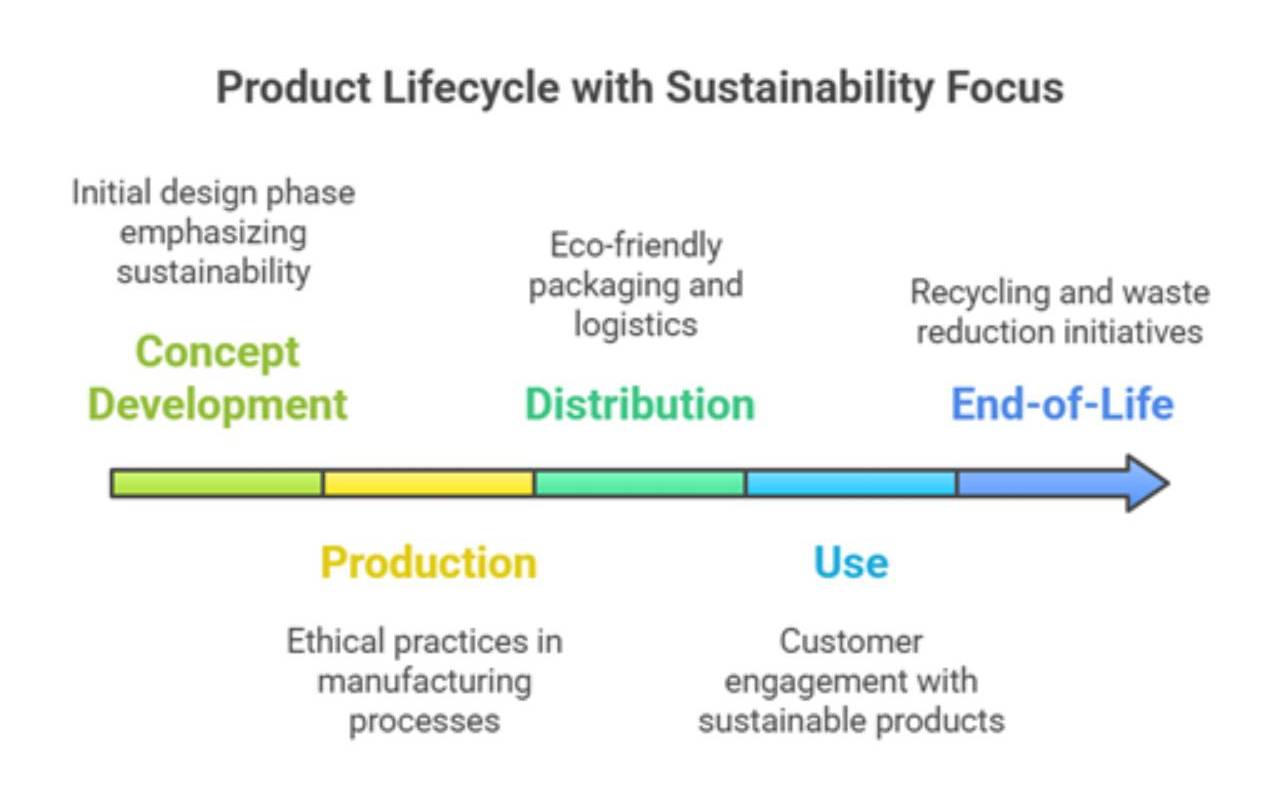
Lastly, responsible PMs make their products profitable and sustainable from an environmental, social, and governance (ESG) perspective. New consumers are increasingly drawn to firms and products that imbue values such as sustainability, ethical production practices, and social responsibility. A great illustration is in prosocial consumer actions, where businesses that include environmentally friendly or ethical factors in their products experience more customer loyalty and brand value. Ethical PMs should reflect on their product’s overall effect on society and the planet
Conclusion
Being a responsible product manager means balancing data with human insights, business goals with customer satisfaction, and profitability with sustainability. It’s about ensuring every decision is purposeful, beneficial, and long-lasting. Whether you’re a PM just starting or a seasoned expert, the core of responsible product management is the same: creating value for all stakeholders while building lasting products.
About Post Graduate Diploma in Management (PGDM)
SPJIMR’s Post Graduate Diploma in Management (PGDM) is a two-year, full-time residential programme equivalent to an MBA. PGDM is approved by AICTE, accredited by NBA and AMBA, UK and consistently rates among India’s top 10 management programmes. The programme offers a holistic approach to leadership development with its innovative blend of classroom learning and thoughtfully curated immersive experiences.