



SPJIMR’s DoCC organised the Social Impact Awards (SIA) to recognise social enterprises and organisations for their exceptional contributions to society across six award categories: Agriculture and Livelihood, Disability, Women Empowerment, Sustainability, Health, Nutrition, WASH (Water, Sanitation, and Hygiene), and Education and Skill Development.
Since its launch in 2006, SIA grew to include experts from various sectors who evaluated participants’ impact. It expanded in scope, bringing together thought leaders from the corporate, academic, and social sectors to assess the impact of participating organisations.
SIA 2025
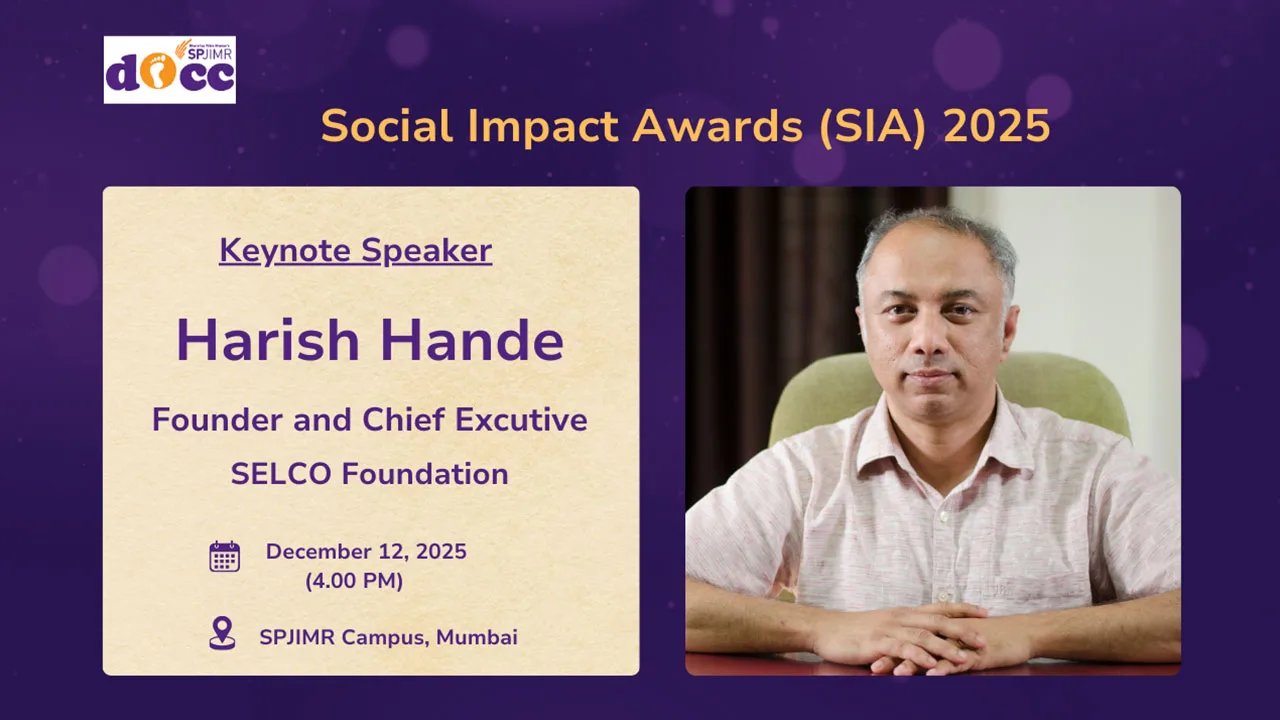
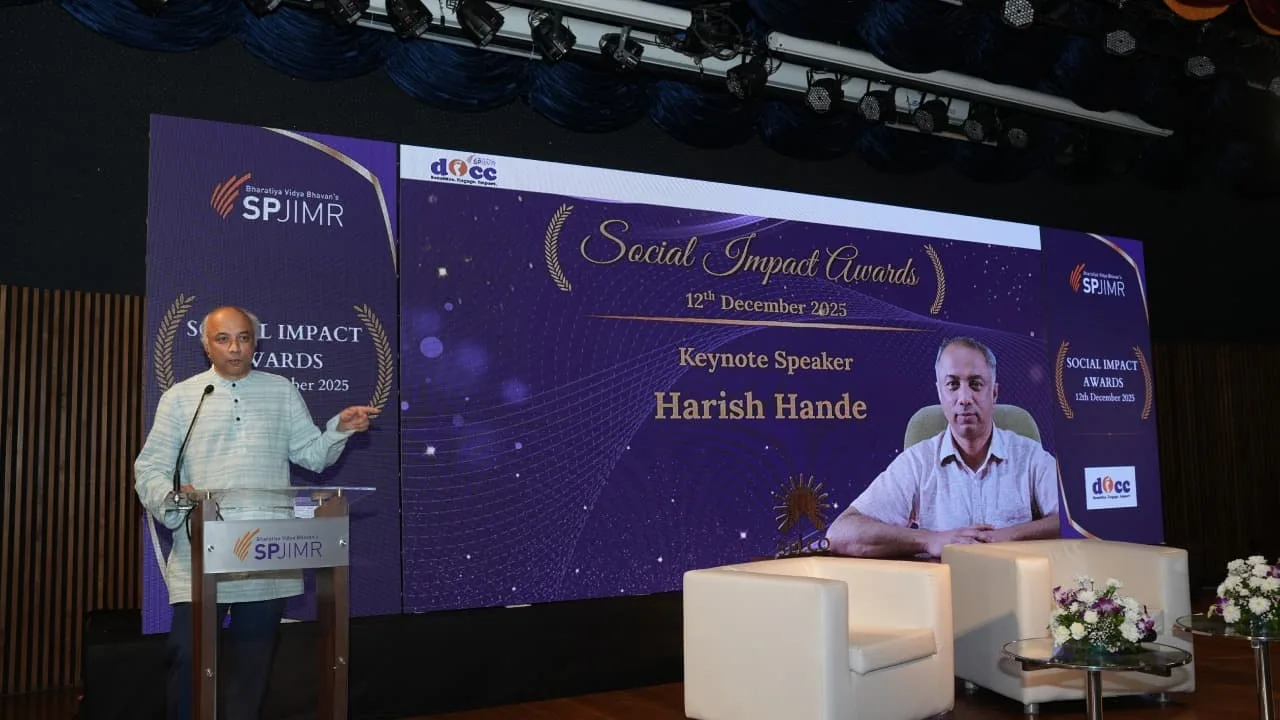
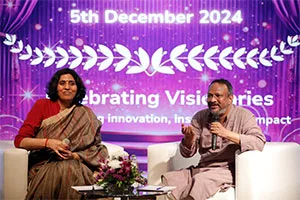
Harish Hande, the Founder and Chief Executive Officer of SELCO India, was the keynote speaker for the 2025 edition. Harish is a highly recognised renewable energy entrepreneur with over 28 years of grassroots experience in understanding, developing and deploying sustainable energy solutions for underserved communities. Born in rural Karnataka, Harish went on to pursue his undergraduate studies at the Indian Institute of Technology, Kharagpur (IITK), and a Ph.D. at the University of Massachusetts.
He co-founded SELCO Solar Light Private Limited in 1995 to catalyse the deployment of sustainable solutions in rural India. Today, SELCO is an umbrella of organisations, each tasked to address gaps in the energy access ecosystem, namely SELCO India (1995), an energy access enterprise; SELCO Foundation (2010), a non-profit R&D; SELCO Incubation Centre (2012), which nurtures grassroots energy enterprises; and finally SELCO Fund (2016), which deploys patient capital.
Harish received many national and international awards, including the Ashden Award (2005 and 2007), Karnataka Rajyotsava Prashasti (2011), Zayed Future Energy Prize (2018), Skoll Social Entrepreneurship Award (2018) and Asia’s prestigious Ramon Magsaysay Award for 2011 for his efforts to put solar power technology in the hands of the poor through his social enterprise SELCO India.
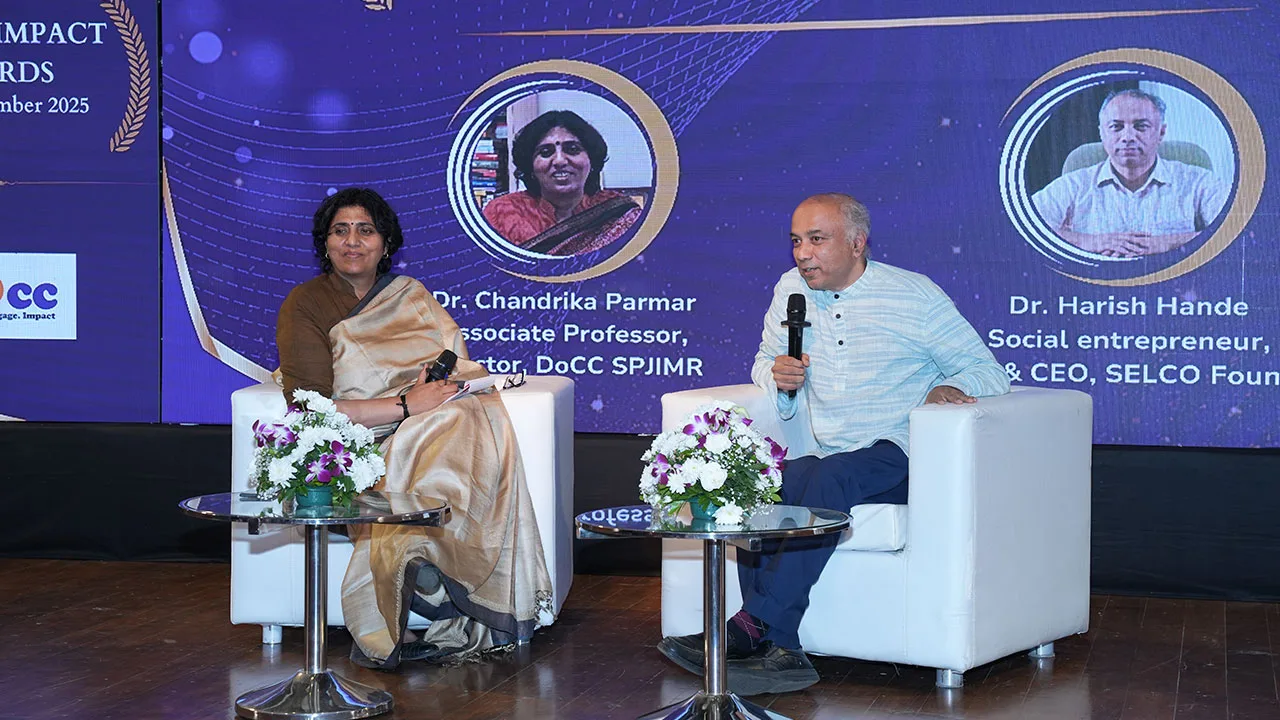
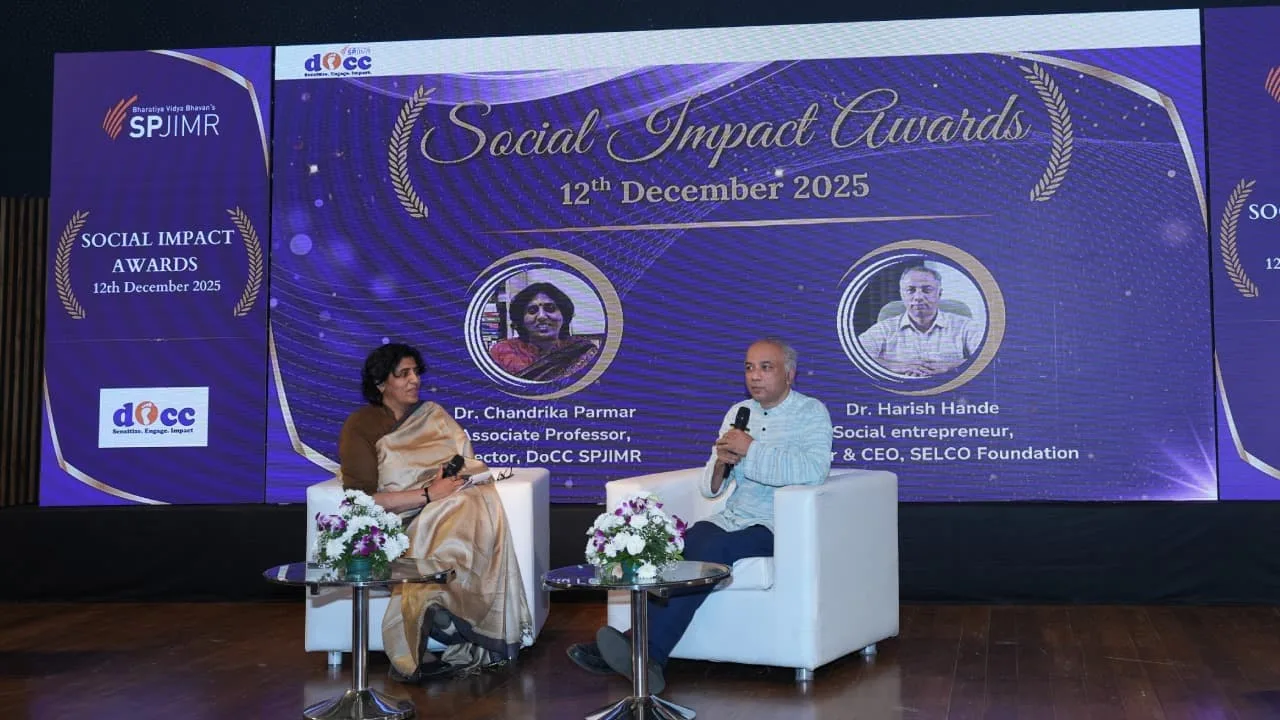
In his thought-provoking address, Dr. Harish Hande challenged conventional ideas of development, education, and institutional success. He spoke about how existing systems often exclude the very people they are meant to serve, pointing out that institutional structures can alienate those from grassroots backgrounds. Emphasising a shift in mindset, he urged institutions and individuals alike to “find solutions instead of complaining”, calling for action-orientated approaches over passive critique.
Dr. Hande also drew attention to the unintended consequences of development models that displace traditional skills, citing how farmers are often pushed into livelihoods far removed from their expertise. Stressing the value of lived experience, he noted that “every person is an expert if we are willing to go to them,” advocating deeper engagement with communities. He further questioned the effectiveness of initiatives that prioritise numbers over real outcomes, reminding the audience that “we must focus on impact, not statistics,” rather than success defined only on paper.
Objectives
- To identify and recognise exemplary work by social organisations across the country that are making an impact on society.
- To provide a platform for multi-stakeholder projects to showcase themselves and get recognised at the national level.
Award categories

Agriculture, Livelihood
Disability
Education, Skill Development
Health and Nutrition, Water and Sanitation (WASH)
Sustainability
Women Empowerment
Social Impact Award (SIA) 2025 winners
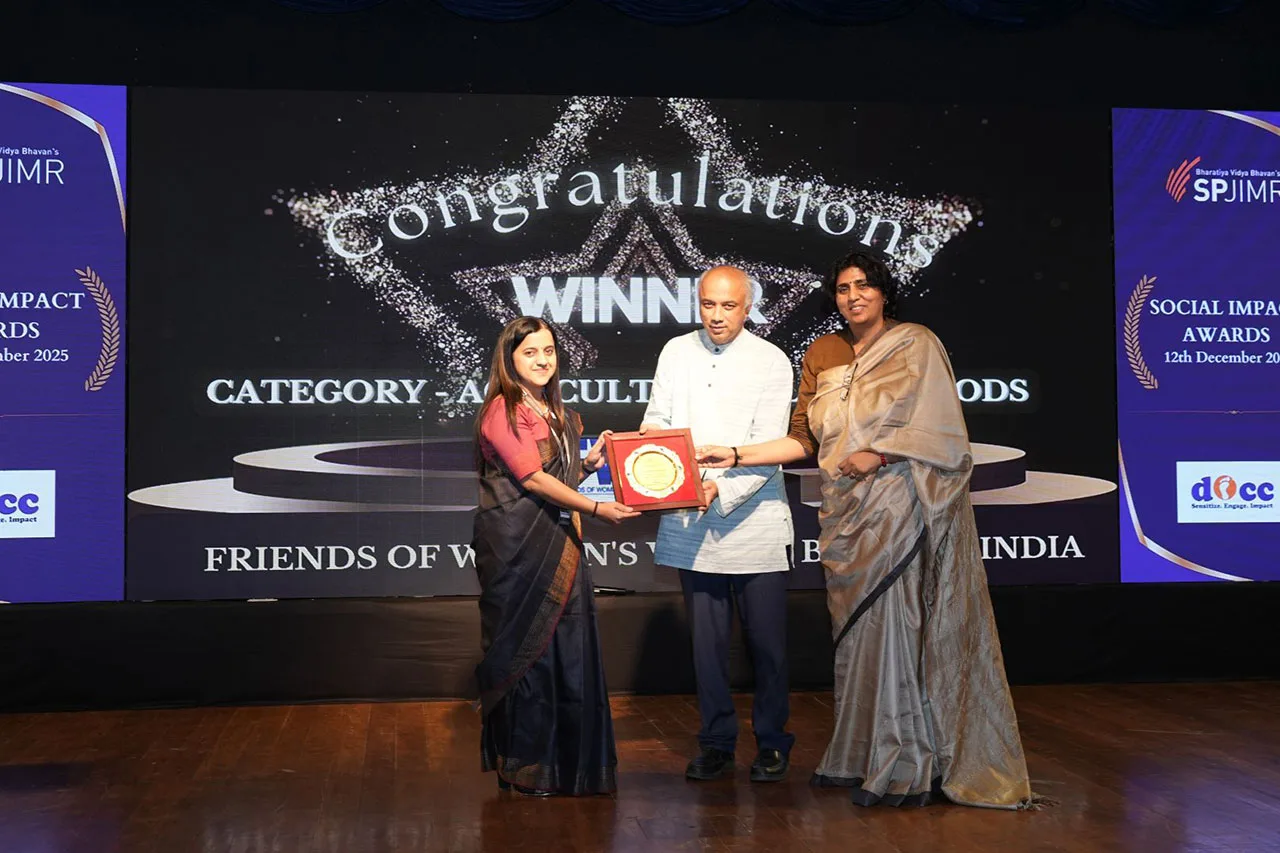
Category: Agriculture and Livelihoods
Organisation: Friends of Women’s World Banking
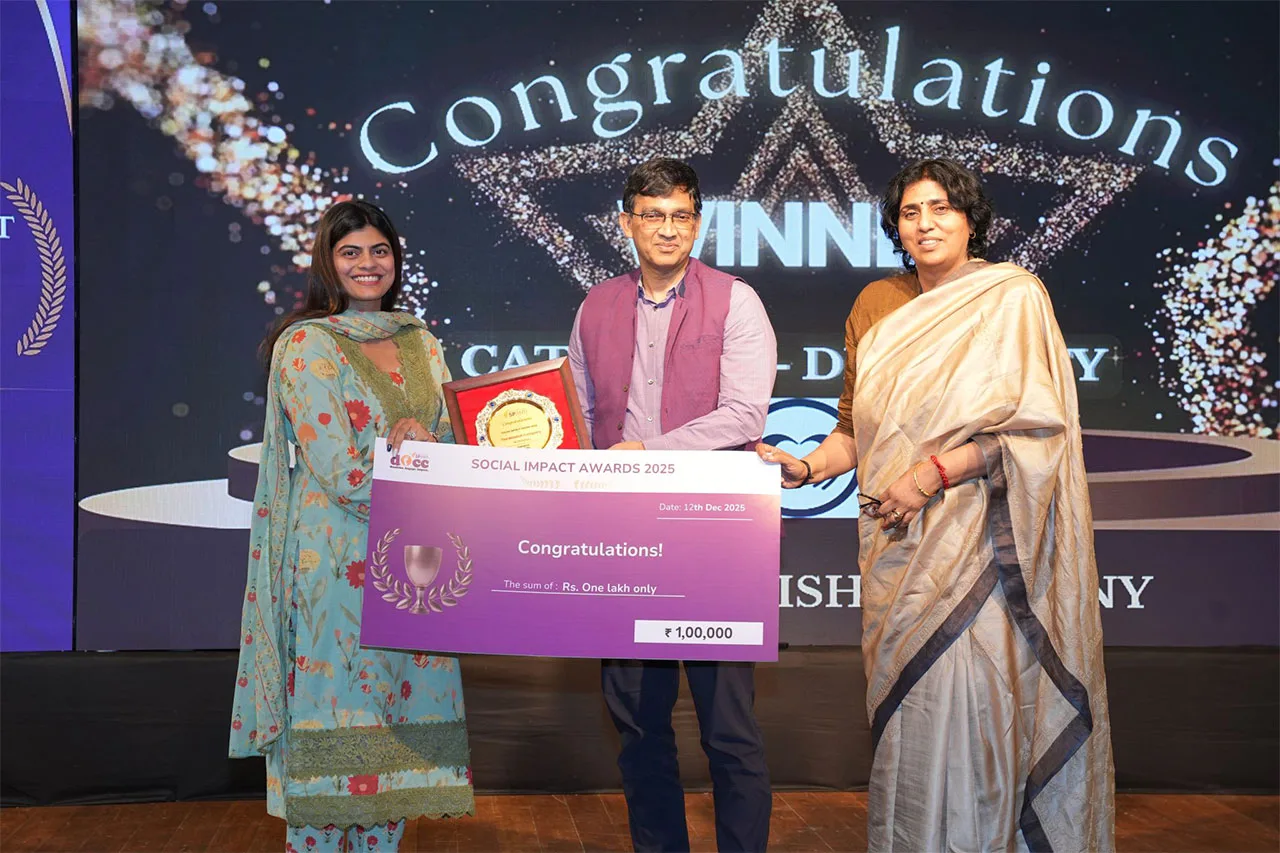
Category: Disability
Organisation: The Maalish Co.
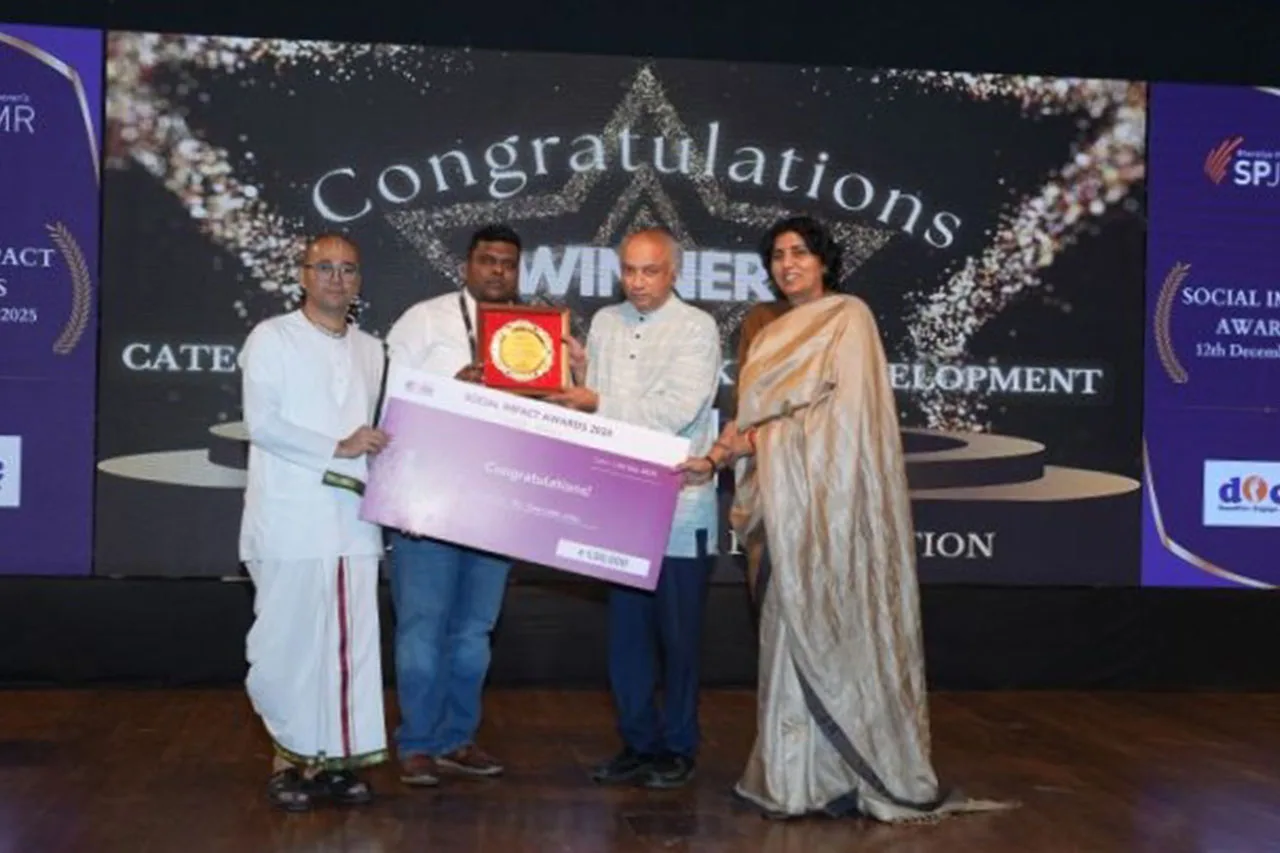
Category: Education and Skill Development
Organisation: The Akshaya Patra Foundation
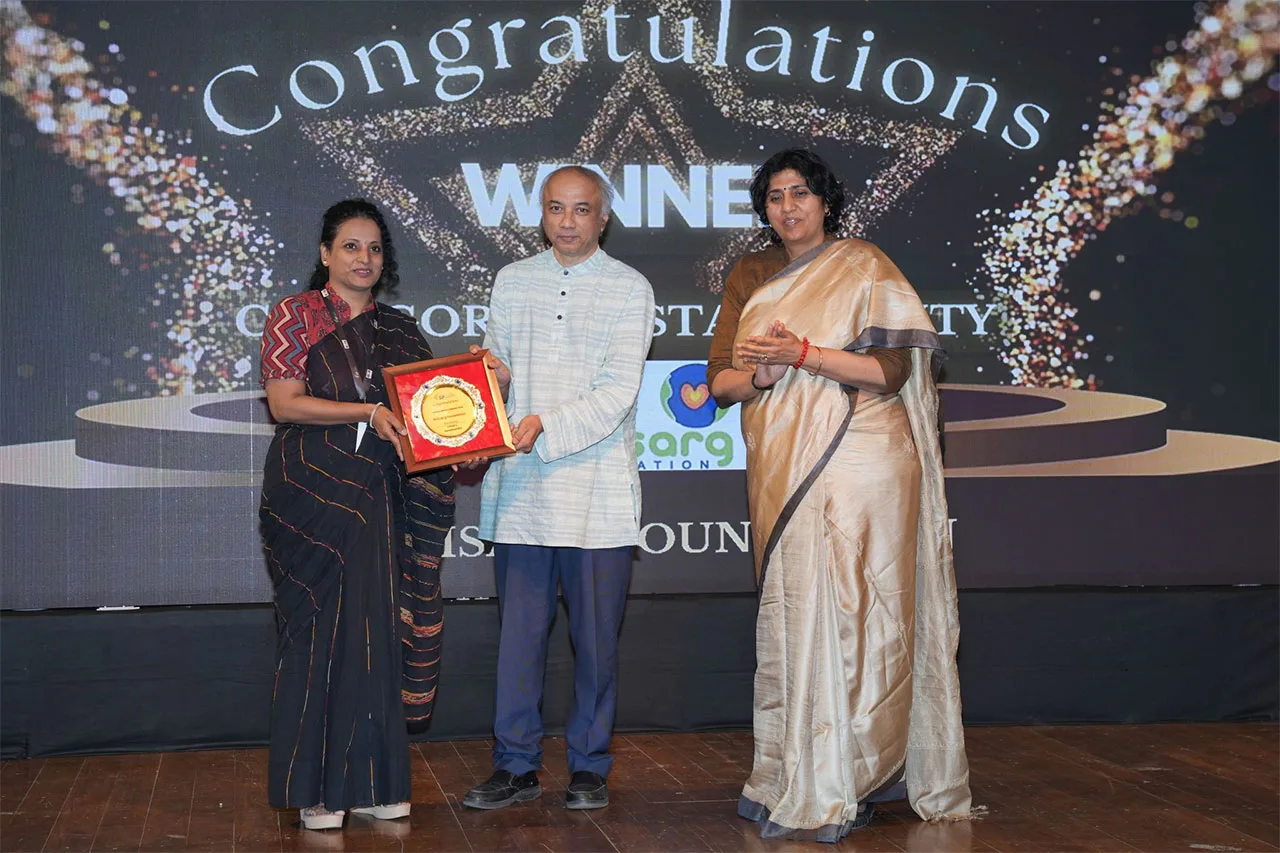
Category: Sustainability
Organisation: RNisarg Foundation
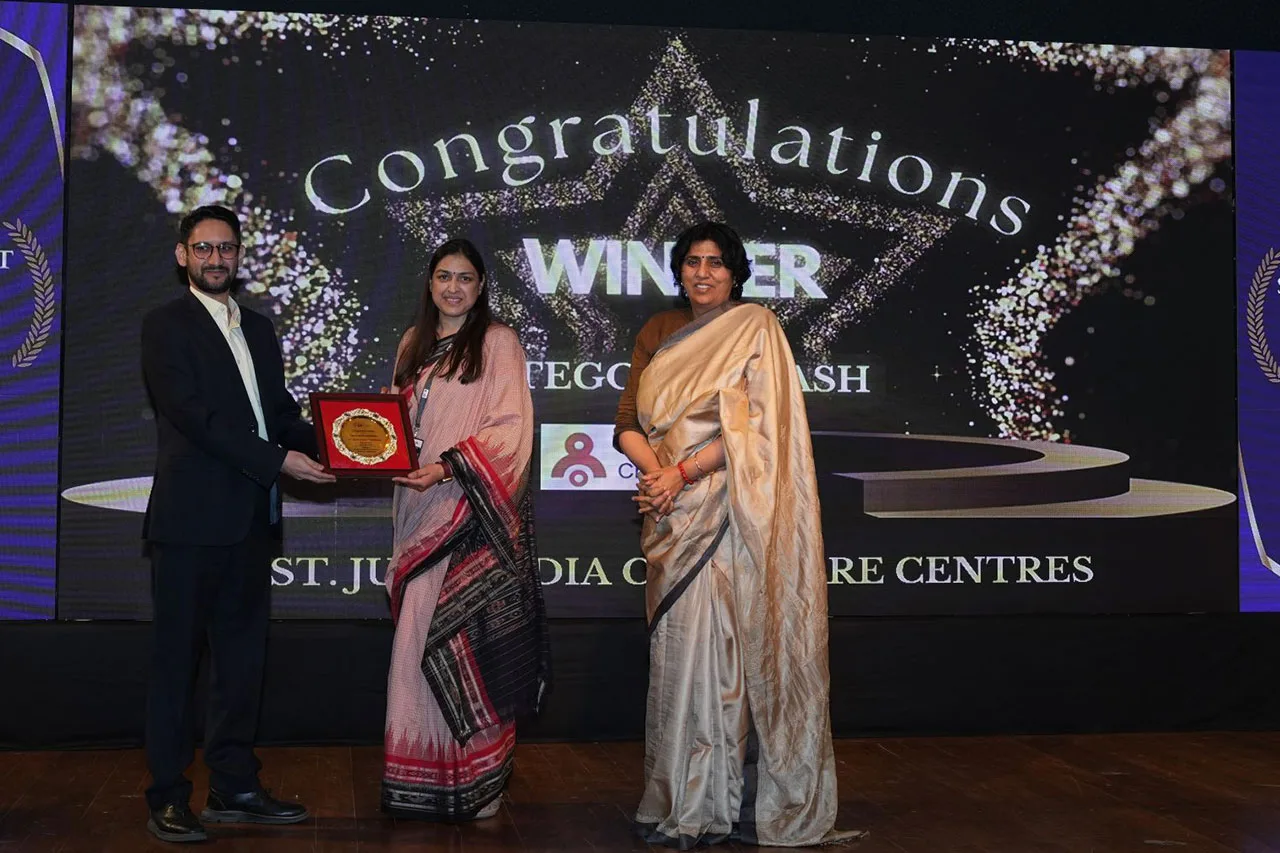
Category: WASH – Health, Sanitation and Water
Organisation: St. Jude India ChildCare Centres
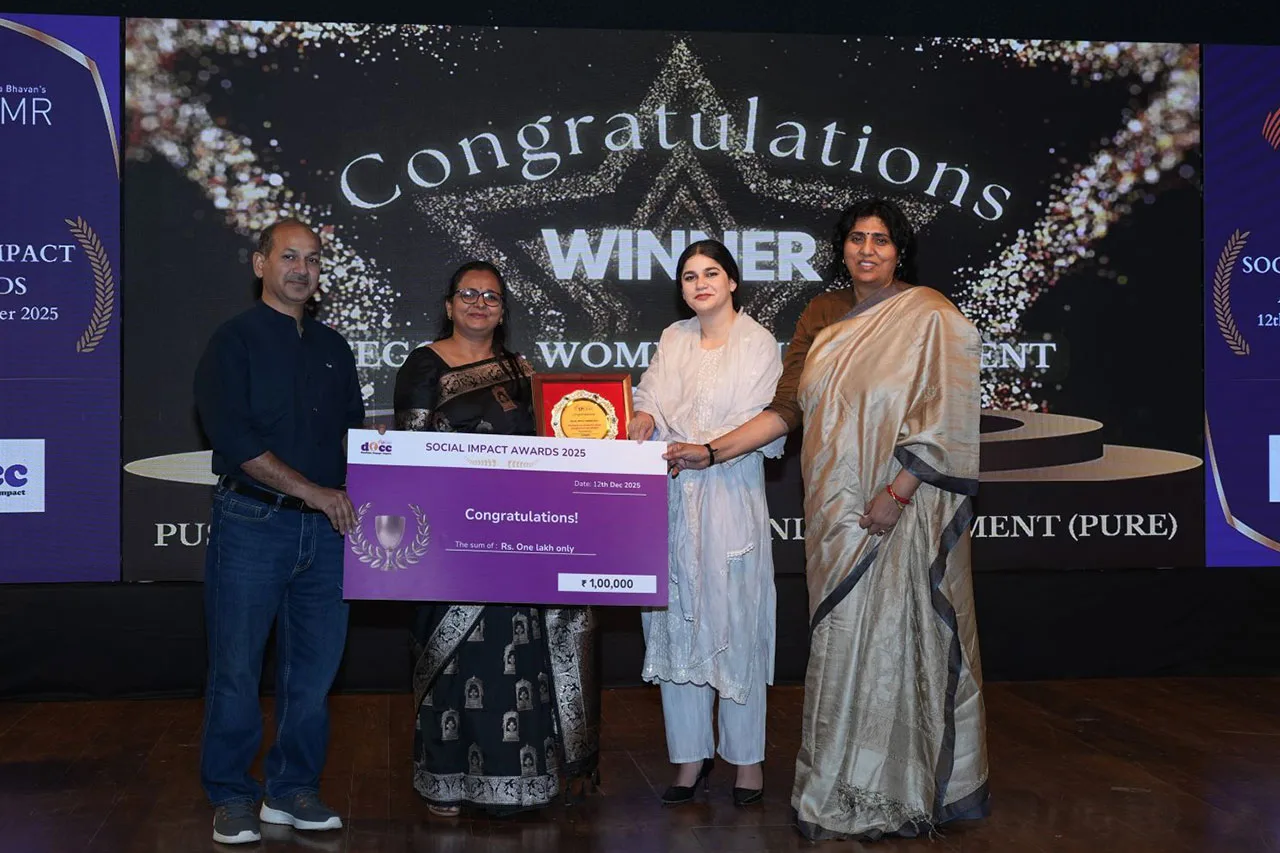
Category: Women Empowerment
Organisation: PURE India Trust
SIA 2025 highlights
550 registrations
114 semi-finalists
49 finalists
50+ panellists
190+ organisations
-
Past keynote speakers
 Bezwada Wilson, is a prominent Indian activist and co-founder of the Safai Karmachari Andolan (SKA), a human rights organisation that spearheaded efforts to eliminate manual scavenging, a practice banned in India since 1993. His initiatives highlighted the need for systemic change, addressing the exploitation of manual scavengers and promoting their dignity and rights across the nation. He received the prestigious Ramon Magsaysay Award in 2016 for his relentless advocacy and commitment to social justice.
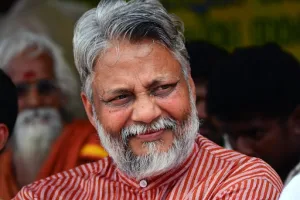 Rajendra Singh, also known as “The Water Man of India,” is a renowned environmentalist and water conservationist. He has dedicated his life to reviving traditional water management techniques, raising awareness about water conservation, and promoting community development. As the Chairman of Tarun Bharat Sangh, he leads various grassroots movements focused on preserving water resources.
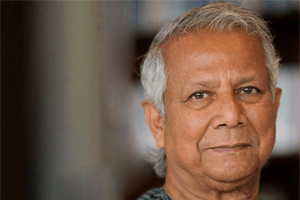 Muhammad Yunus, a Nobel Peace Prize laureate, is celebrated for his pioneering work in microfinance. Through the establishment of Grameen Bank in Bangladesh, he introduced the concept of offering small loans to empower disadvantaged individuals, especially women, to initiate businesses and escape poverty. Yunus’s innovative strategy has sparked global initiatives, earning him recognition for his commitment to social entrepreneurship and alleviating poverty.
Explore the legacy of Social Impact Awards (SIA)


Contact
For further details, please contact: sia@spjimr.org