


SPJIMR and Harvard Business School students explored management through local insight and global dialogue
May 14, 2026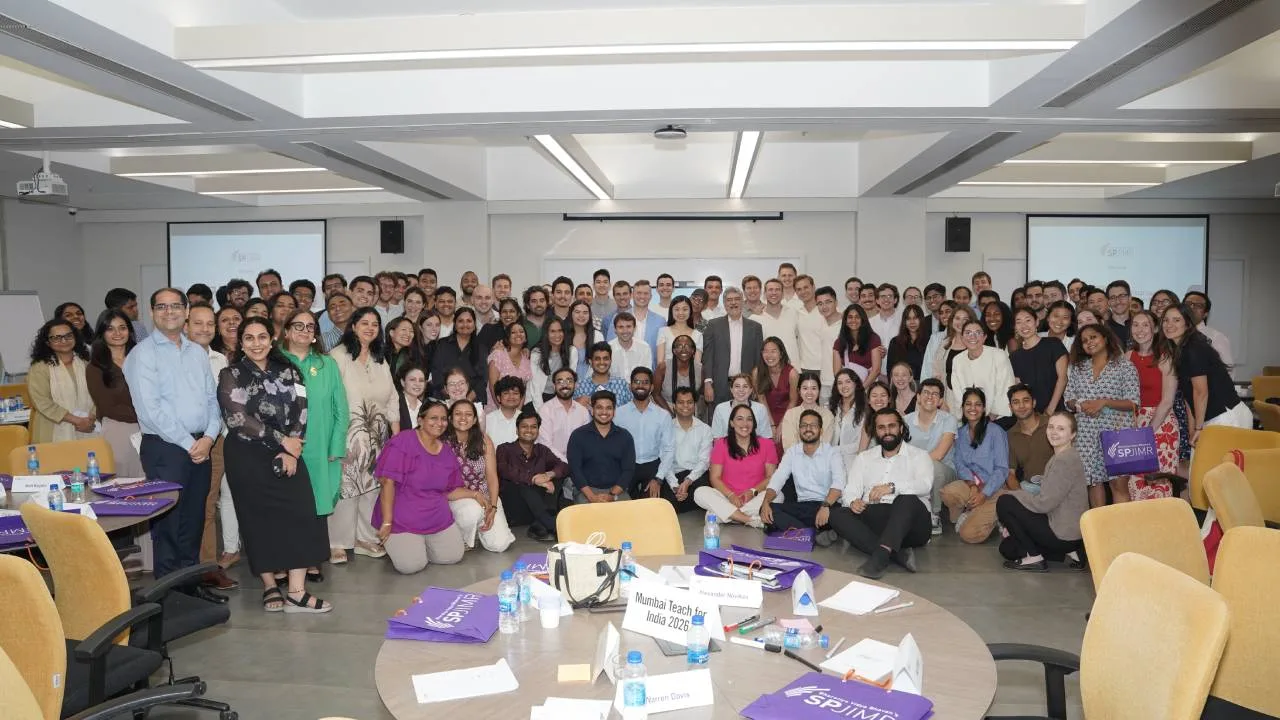
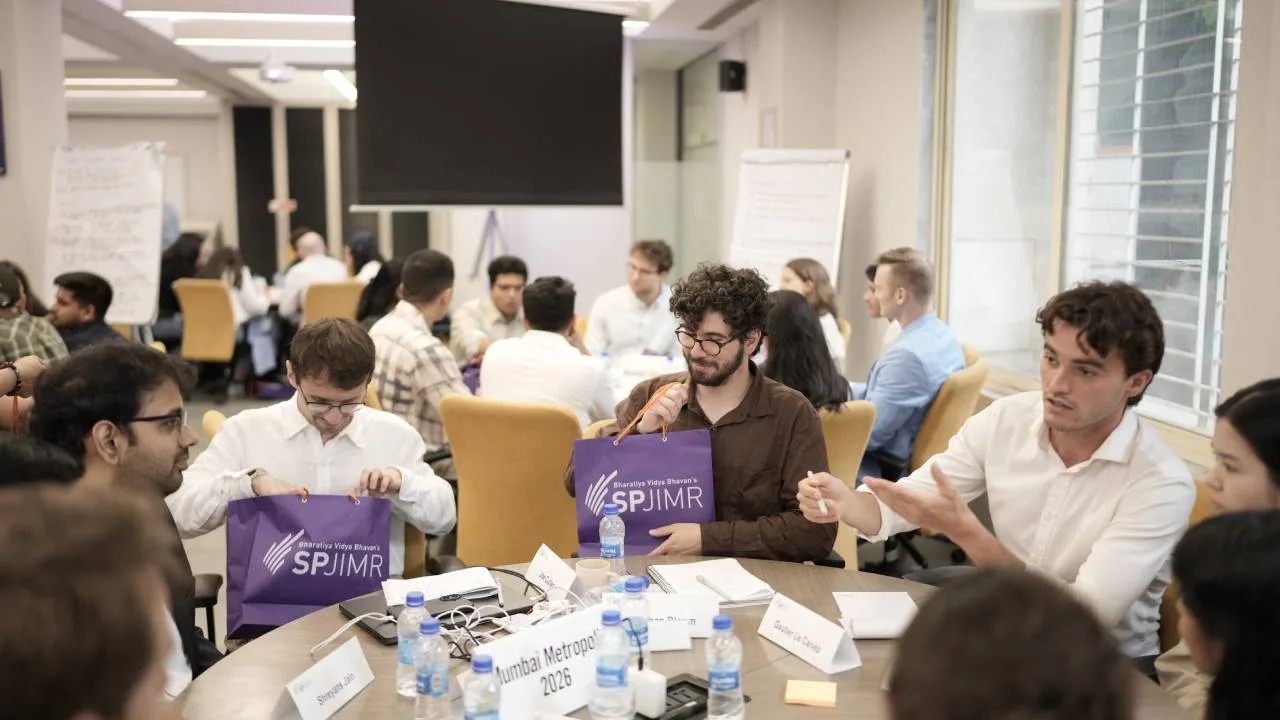
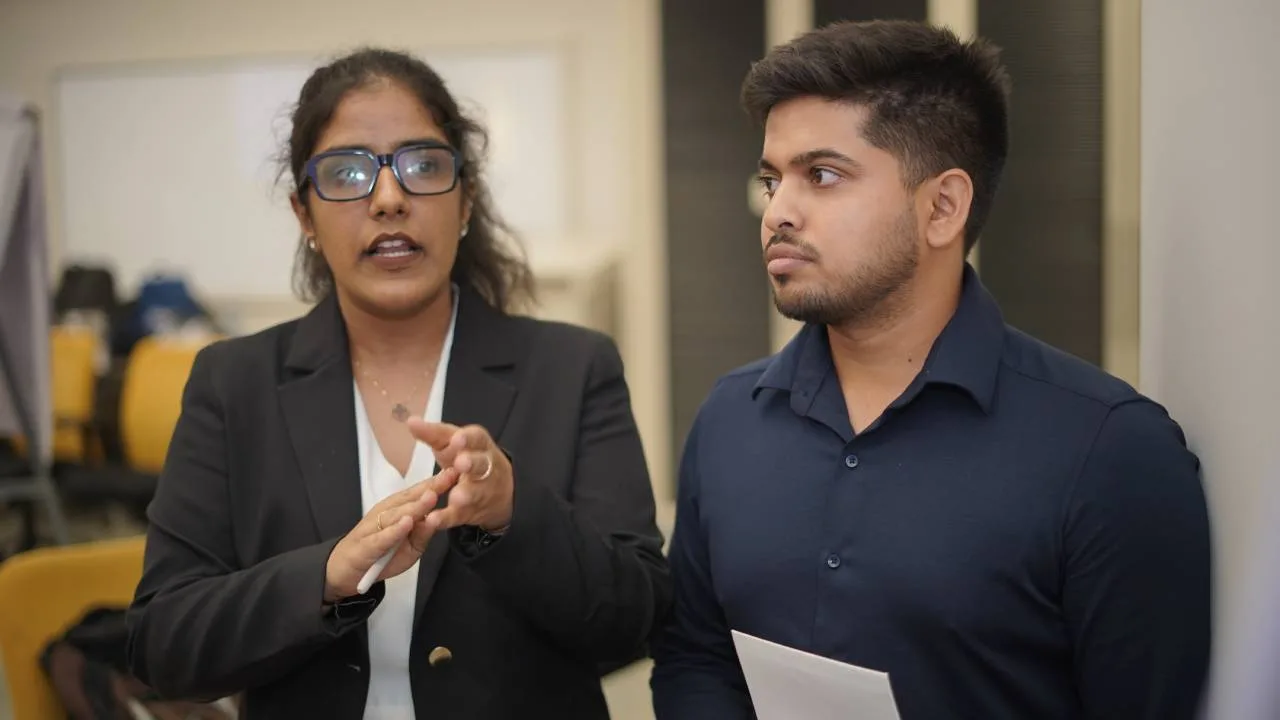
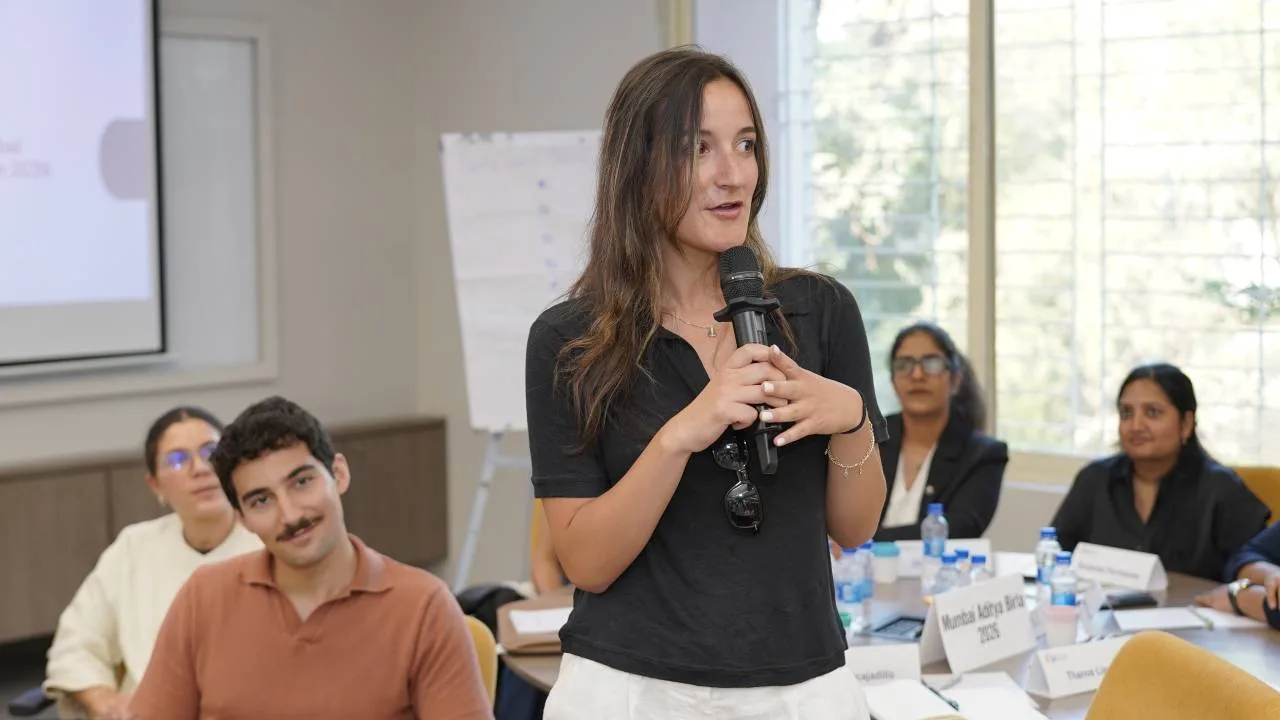
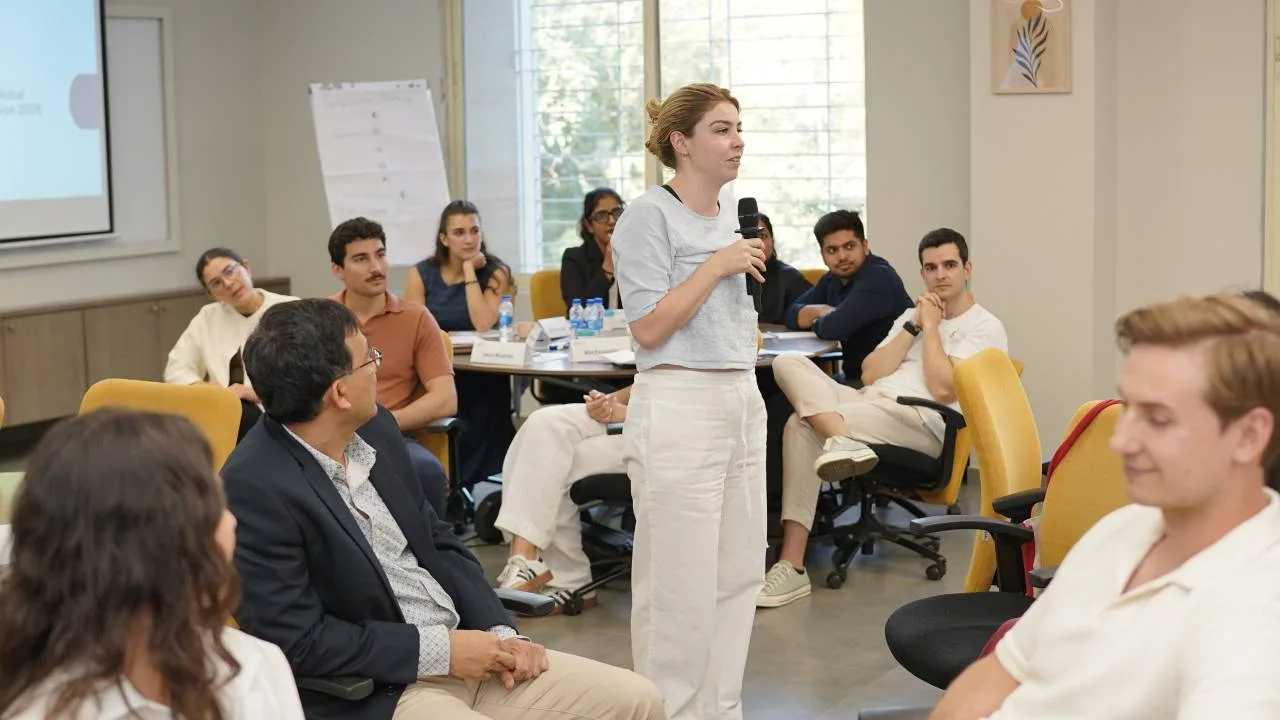
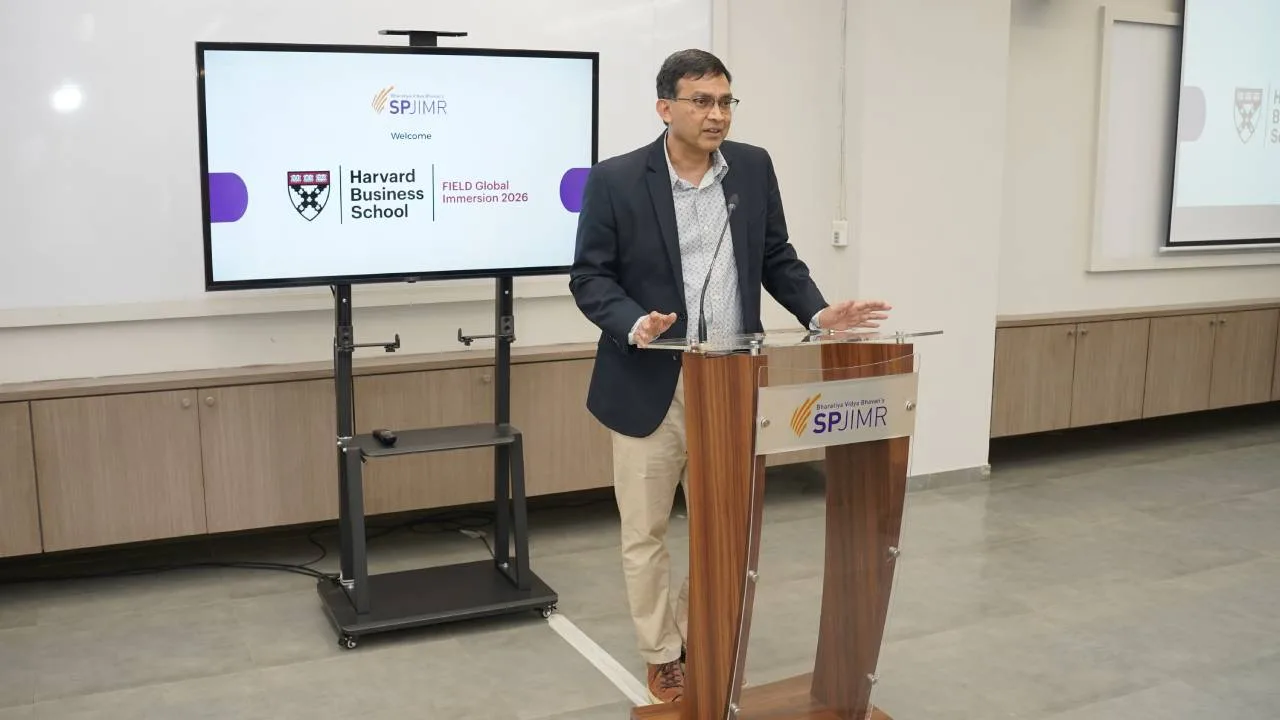
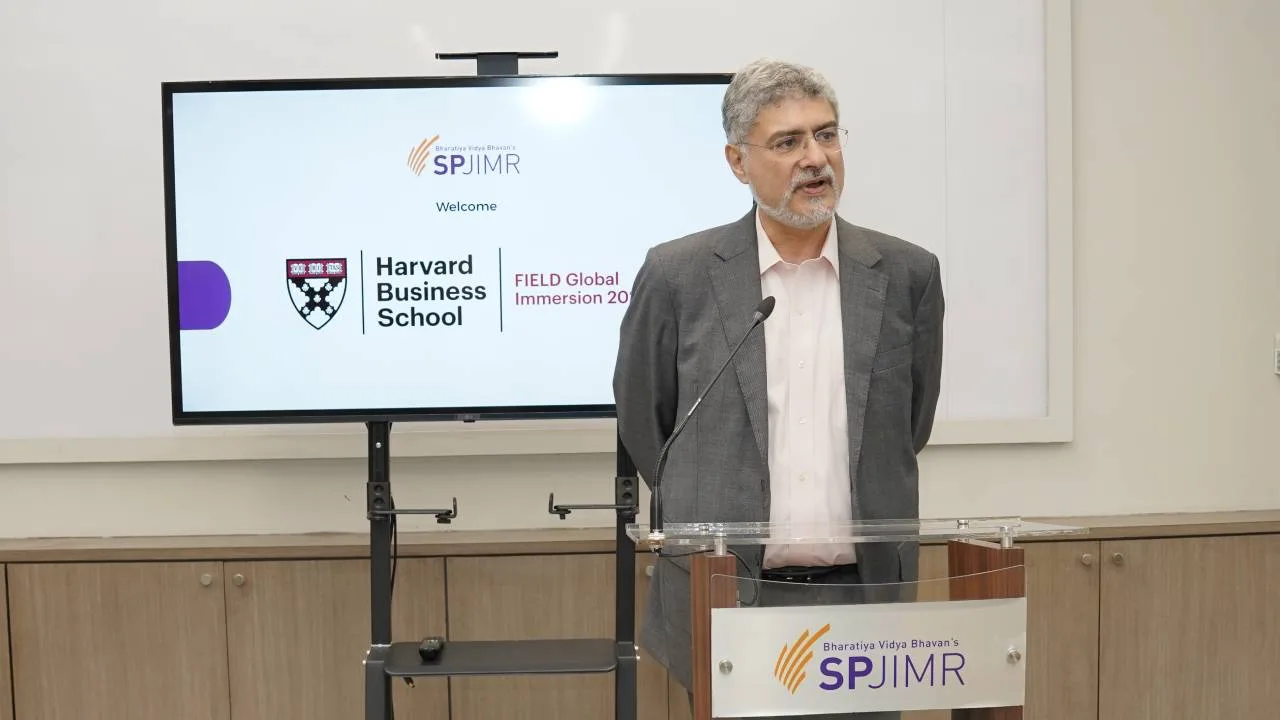
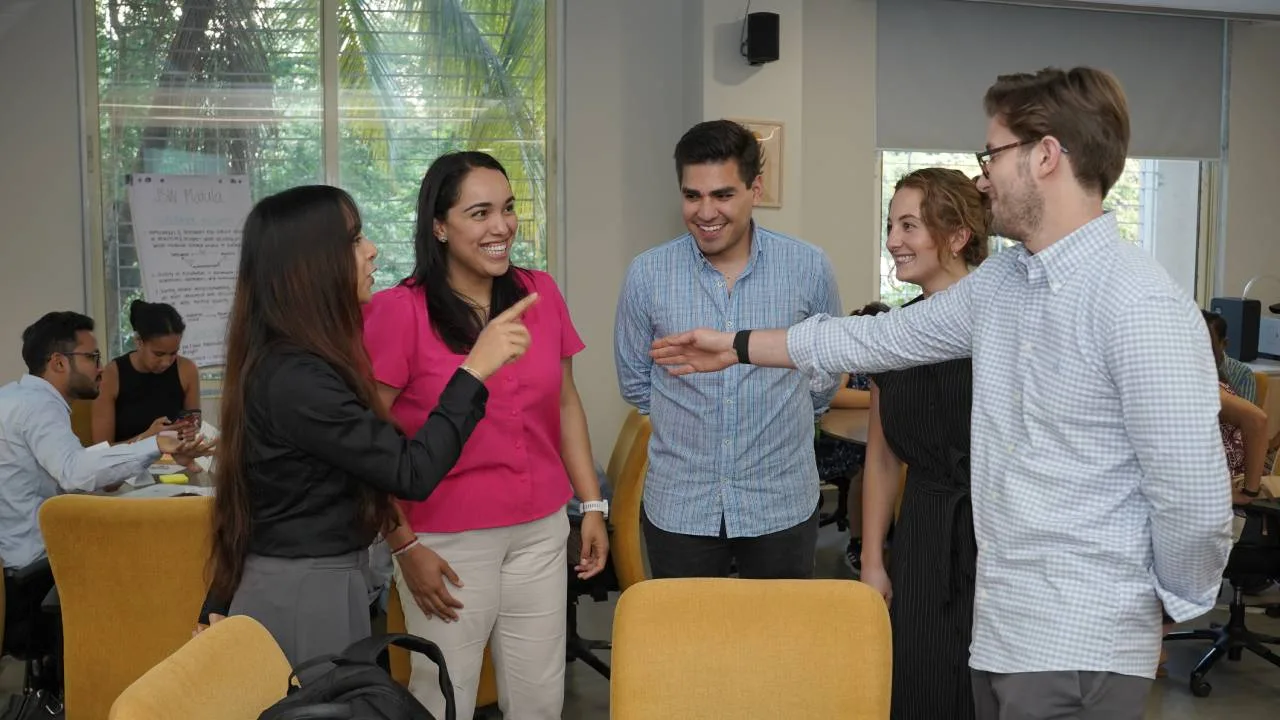
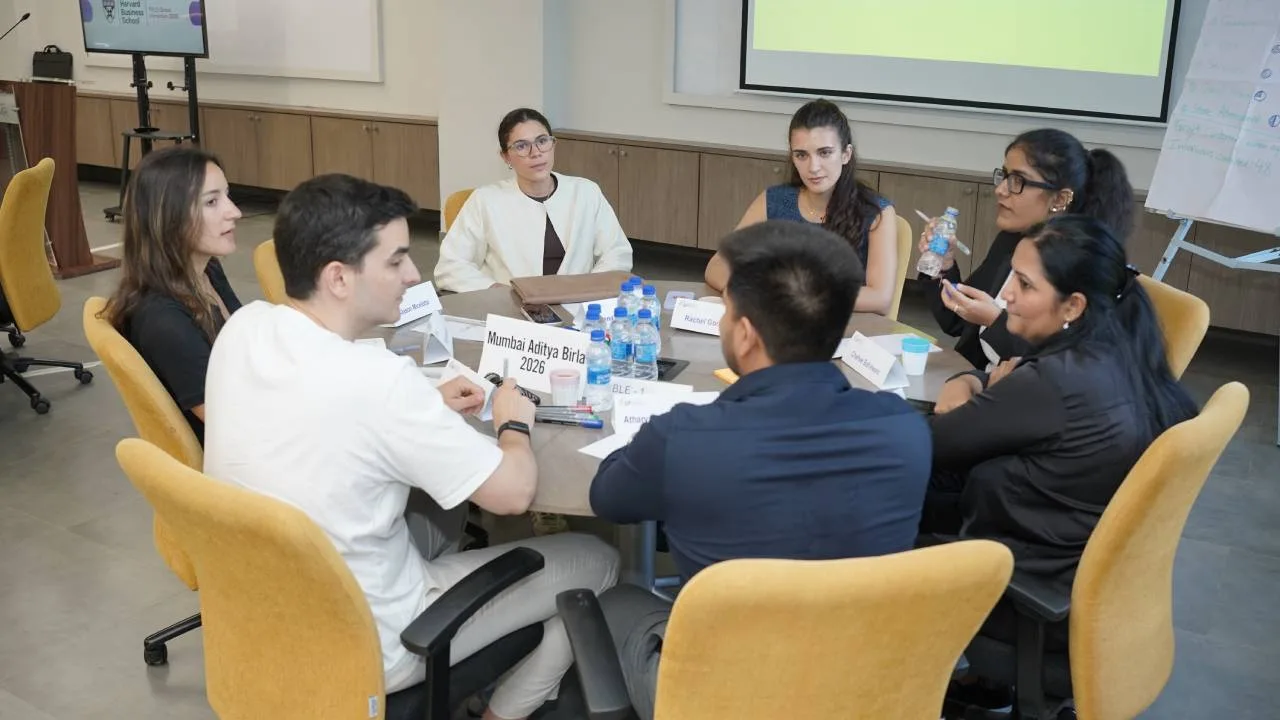
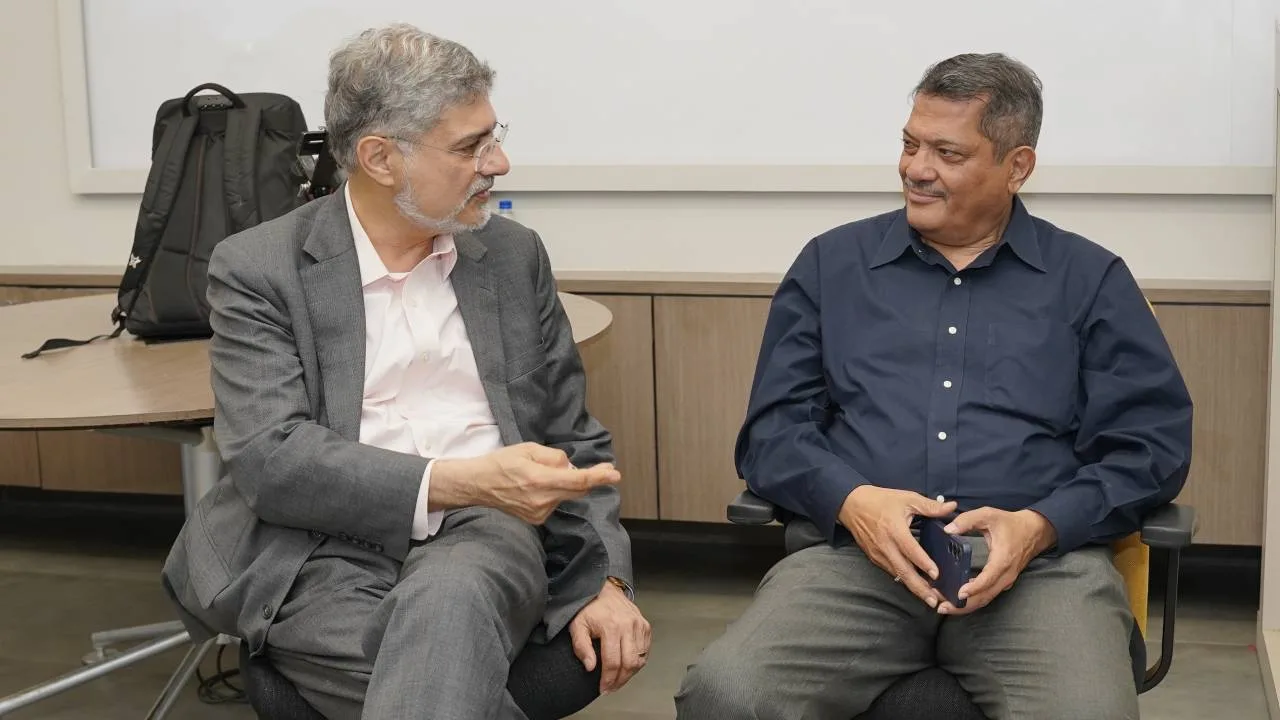

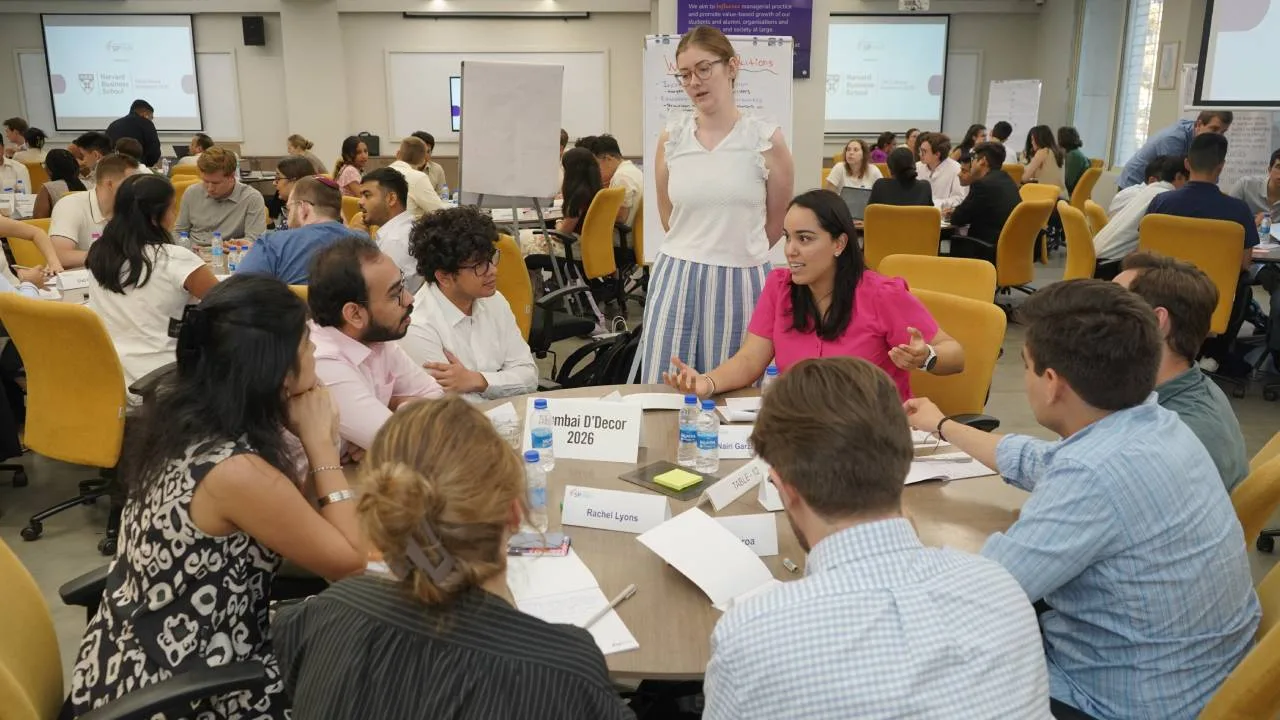
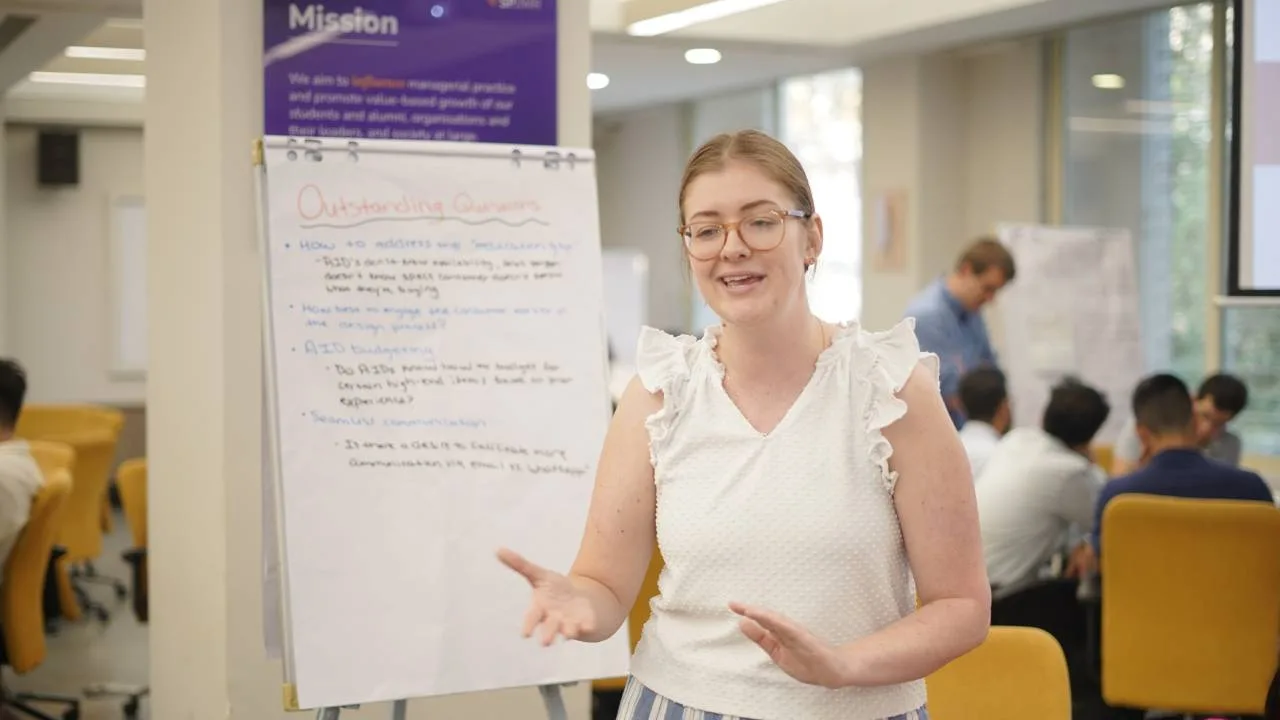

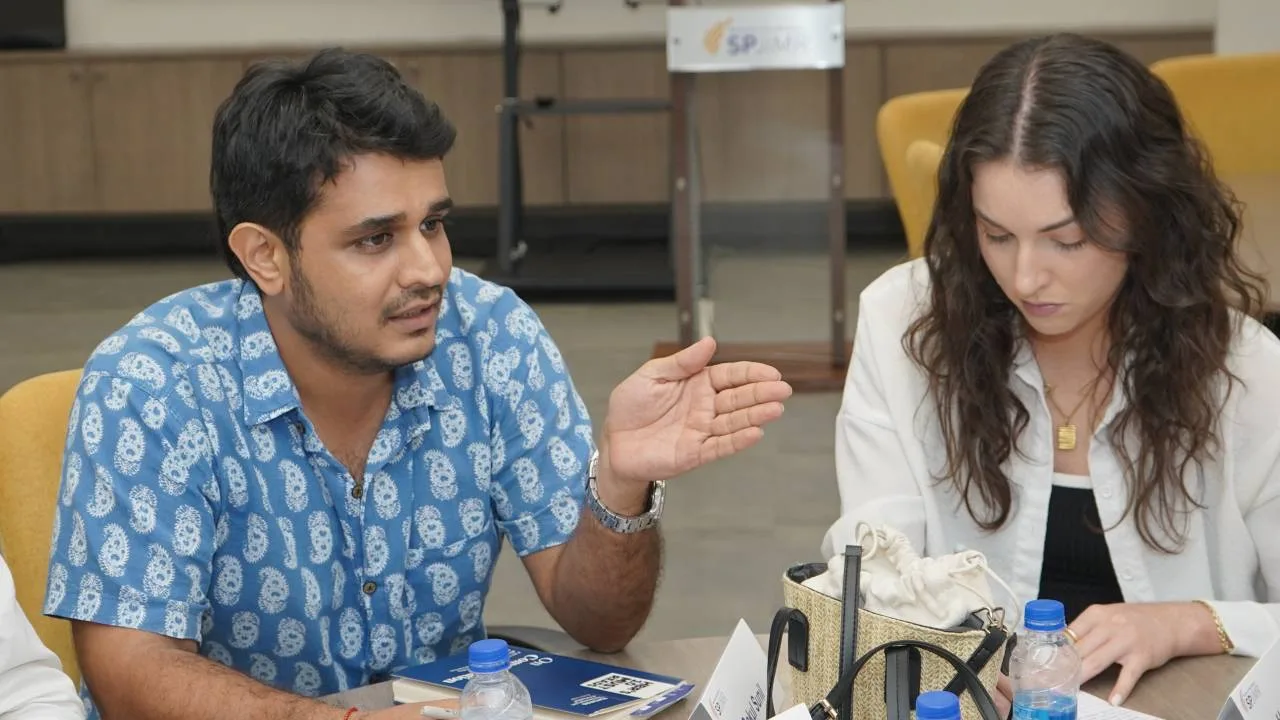
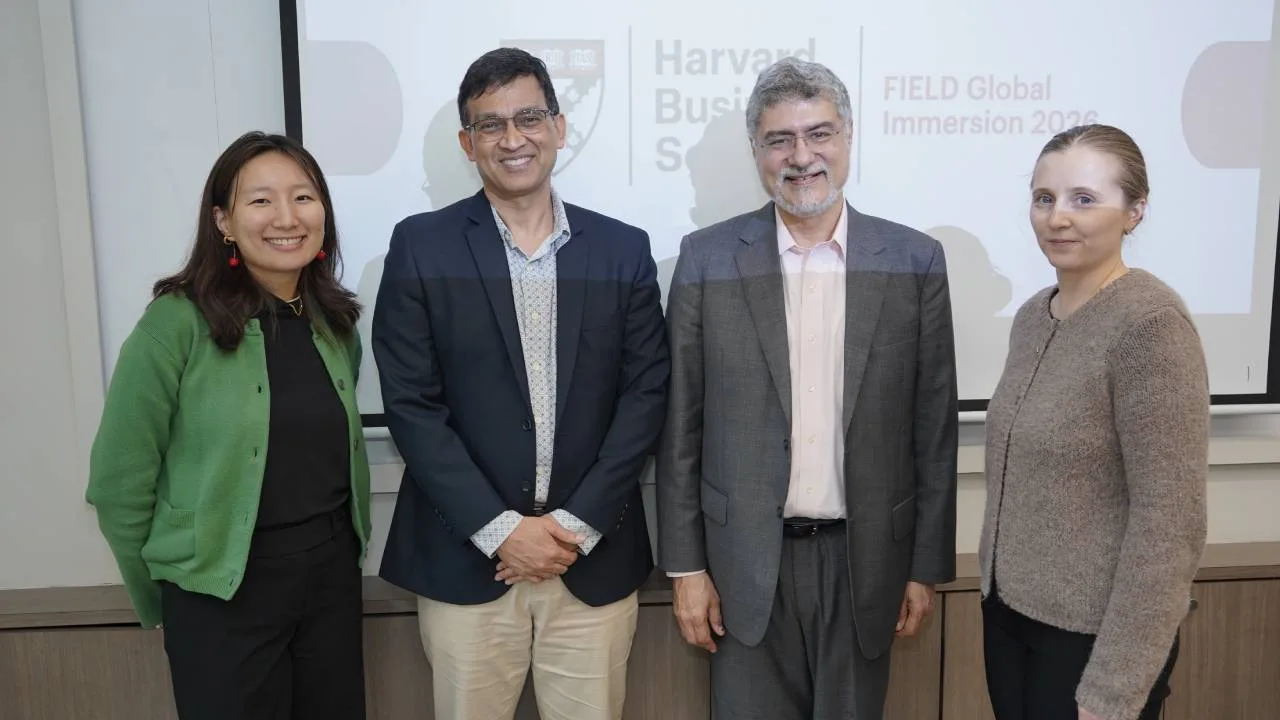
S.P. Jain Institute of Management and Research (SPJIMR) welcomed first-year MBA students from Harvard Business School (HBS) for an immersive Customer Interaction Debrief. The engagement, part of HBS’s FIELD Global Capstone course, brought together MBA students, alumni, faculty, and industry practitioners for structured dialogue centred on consumer behaviour, contextual understanding, and collaborative problem-solving.
Prof. Varun Nagaraj, Dean, SPJIMR, noted, “I welcome you to SPJIMR, a business school built on the belief that management education must create leaders who contribute positively to society. Business cannot be viewed in isolation, but rather as a means to build a better society. Engagements such as these help management students develop the cultural sensitivity and contextual understanding needed to operate across geographies, industries, and rapidly changing business environments.”
Prof. Ashish Nanda from HBS contextualised the purpose of the engagement, explaining, “Moving beyond conventional academic exchanges focused primarily on presentations or institutional showcases, the debrief aspired to create a working environment in which students critically examined how cultural contexts across diverse markets shape managerial assumptions, customer expectations, and innovation strategies.”
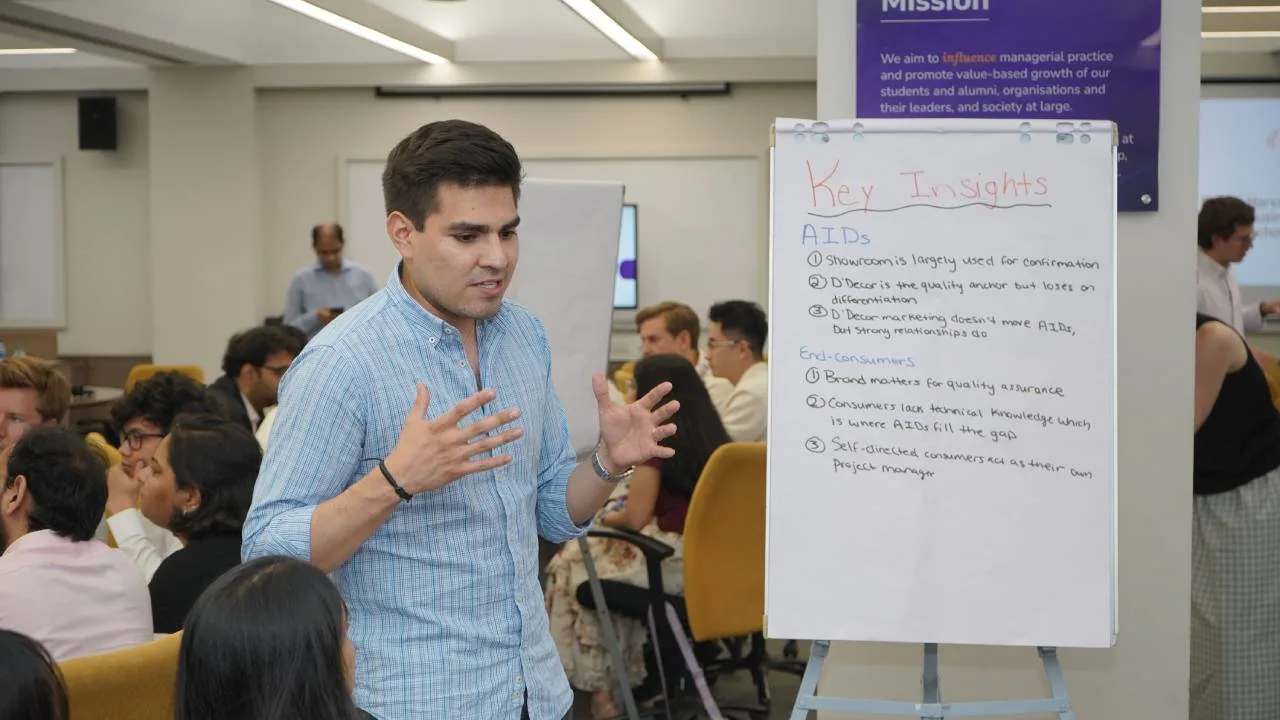
Through a series of rotating roundtable discussions, HBS students presented observations from their fieldwork with Indian companies, while SPJIMR participants and alumni contributed local perspectives rooted in lived consumer realities and market familiarity. The interaction encouraged participants to move beyond theoretical frameworks and engage directly with the complexities of operating in emerging markets. Conversations explored how customer trust, affordability, aspiration, convenience, and community behaviour influenced decision-making across sectors such as retail, healthcare, financial services, home interiors, consumer goods, and education.
The projects undertaken in HBS’s FIELD Global Capstone in Mumbai addressed a broad range of business and social challenges, including consumer engagement, service design, retail revitalisation, healthcare accessibility, and culturally relevant product innovation. HBS student teams worked with organisations including Safari Industries (India) Ltd., Bajaj Finserv, JSW Group, Metropolis Healthcare, Teach for India, Aditya Birla Fashion and Retail Limited, HP Inc., D’Decor, Godrej Consumer Products, Dasra, and Unilever. Each engagement required students to interpret customer experiences within India’s distinct cultural and socio-economic landscape.
A defining aspect of the session was its reciprocal approach to learning. While HBS students gained exposure to the diversity and complexity of Indian consumer markets, SPJIMR participants observed how international teams approached ambiguity, structured inquiry, and innovation-led problem-solving. The exchange enabled students from both institutions to test assumptions, refine interpretations, and appreciate the importance of context-sensitive management thinking.
Faculty members and alumni participating in the discussions also reflected on the growing importance of intercultural competence in leadership development. The session demonstrated how collaborative, field-based learning experiences can expose students to unfamiliar environments and encourage them to navigate differing viewpoints with empathy and analytical rigour.
The evening concluded with informal networking, during which students continued conversations on entrepreneurship, leadership, and evolving global business challenges. These exchanges extended learning beyond the classroom and reinforced the value of peer-to-peer engagement in shaping future management leaders.
As business schools worldwide continue to reimagine leadership education, initiatives such as the Customer Interaction Debrief illustrated how cross-cultural immersion and collaborative inquiry can deepen managerial understanding and prepare students to lead effectively across diverse social, economic, and cultural contexts.