


Pre-trends matter for estimating the causal effect of the WTO on bilateral trade
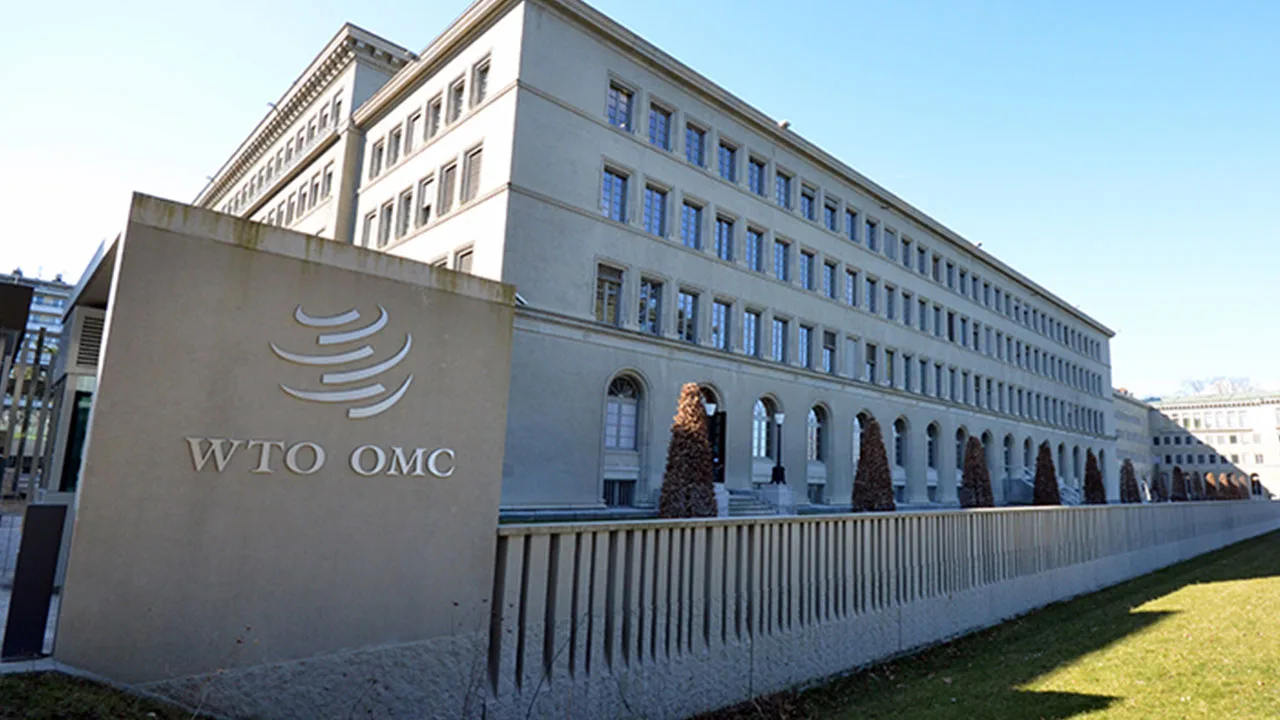
Image credit: WTO
At a time when global trade rules are under strain, supply chains are being reshaped, and countries are rethinking multilateralism, one question still matters enormously: Does joining the World Trade Organisation (WTO) actually increase trade? Our recent article published in Applied Economics Letters takes a fresh look at that question — and delivers an answer that’s more nuanced.
Most studies that try to measure the WTO’s impact compare trade levels before and after a country joins. But this can be misleading if countries are already on different paths before joining. For example, if two countries were already increasing trade quickly before accession, and then that trend continues after, we might mistakenly credit the WTO for that growth. We argue that pre-existing trends (‘pre-trends’) must be accounted for if one wants a truly reliable answer.
We find that accounting for the impact of globalisation on trade — which is another factor that could already enhance trade between partners instead of WTO accession — gets rid of pre-existing trends. Thus, observed changes in trade after accession can really be attributed to WTO membership rather than pre-existing trends or other factors. Our approach also accounts for the fact that not all countries are WTO members, and those that are have joined the WTO at different points in time. Importantly, this approach generates much lower ‘effects’ of WTO membership than in existing work on this subject.
Understanding the true impact of WTO membership isn’t just academic — it has real implications for policymakers, businesses and trade negotiators. In a world where global trade agreements are constantly evolving, this kind of nuanced analysis helps policymakers design smarter, evidence-based decisions. Governments considering joining or deepening engagement with the WTO now have a clearer picture of the kinds of trade effects to expect. This also informs businesses in their lobbying efforts, besides affirming that trade liberalisation — lower tariffs and non-tariff barriers — does matter for accessing markets abroad.
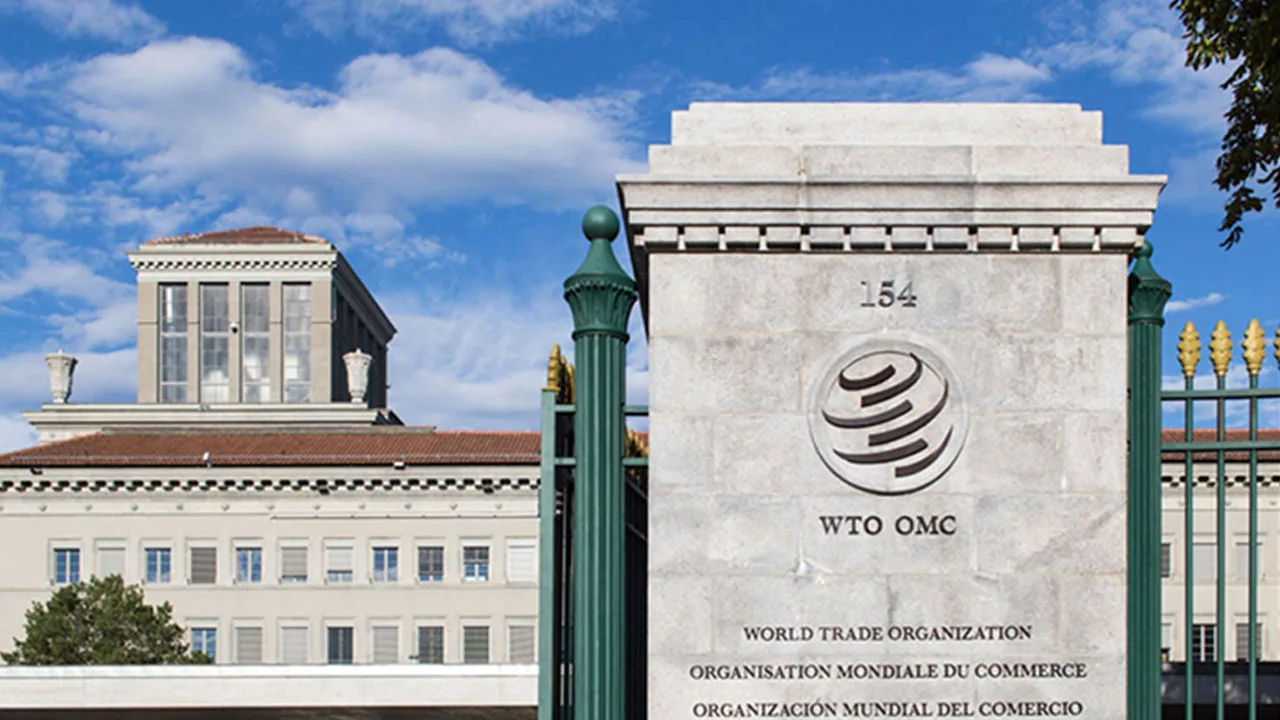
Image credit: WTO
Beyond the WTO itself, this study delivers a broader message: policy evaluation requires careful attention to what was already happening. If we don’t separate momentum from impact, we (i) risk crediting institutions for changes already underway; and (ii) dismissing policies that quietly reshape systems over time. Good evidence doesn’t just ask whether things changed. It asks whether they changed because of the policy.
About the faculty

Anirudh Shingal
Anirudh Shingal holds a Ph.D. in Economics from the University of Sussex, UK, and a master’s degree in International Law and Economics from the World Trade Institute (WTI), University of Bern, Switzerland. An avid researcher, he brings over 20 years of experience across diverse roles with distinguished international organisations and institutions.
Recent faculty blogs
- Read more
-
Beyond the label: Why consumer vulnerability is a business imperative, not just a policy problem
Read more -
If I already trust life, what role does Īśvara play?
Read more -
Do we really need Īśvara? A dialogue with a secular humanist
Read more -
When the informal economy competes, innovation gets rewritten
Read more
Most read faculty blogs
-
Organisational responses to hybrid work—Rethinking culture and civility in India
Read more -
When Amazon arrived late to India’s quick commerce party
Read more -
Reimagining travel through AI: Making every journey smarter and more personal
Read more -
Budget 2025: Unlocking opportunities for the private sector
Read more - Read more