

#RealWorldLessonsInResponsiblePM: Responsible product management — Need of the hour
Shashwat Sneh, PGDM 2024-2026


Responsible product management: Lessons from leading companies
In the fast-paced world of product management, the pressure to innovate and scale often overshadows the need for responsible decision-making. However, some companies have set remarkable examples by embedding responsibility into their product strategies. These companies demonstrate that ethical, inclusive, and sustainable practices are not just good for society—they are also good for business. Reflecting on my learnings from the Digital Product Management course at SPJIMR, I’d like to share how a few companies have embraced responsible product management and what we can learn from them.
UPI and NPCI: Building for scale and inclusivity
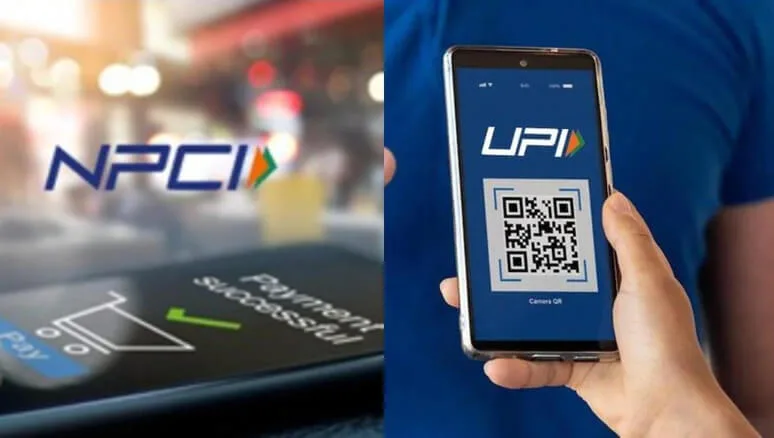
The Unified Payments Interface (UPI), developed by the National Payments Corporation of India (NPCI), is a stellar example of responsible product management. UPI was designed to address a critical problem: the lack of access to formal banking and digital payment systems for millions of people. Instead of creating a product solely for tech-savvy users, NPCI focused on inclusivity.
- Inclusivity: UPI works seamlessly for everyone: From small vendors to corporate professionals. It supports multiple languages, requires minimal technical knowledge, and is interoperable across banks and payment apps.
- Accessibility: By enabling transactions with just a mobile number and a bank account, UPI has brought millions of unbanked and underbanked individuals into the digital economy.
- Impact: Today, UPI processes billions of transactions monthly, empowering small businesses, reducing cash dependency, and fostering financial inclusion.
Lesson: Responsible product management means designing for the entire spectrum of users, not just the privileged few. Inclusivity and accessibility should be at the core of every product decision.
Zomato: Balancing growth with ethical practices
Zomato, a leading food delivery platform, has faced its share of challenges in balancing growth with responsibility. Over time, the company realised that sustainable growth requires ethical practices and a focus on all stakeholders—customers, delivery partners, and restaurants.
- Fair treatment of delivery partners: Zomato introduced initiatives like insurance coverage, accident support, and flexible earning opportunities for its delivery executives. This not only improved their quality of life but also enhanced the company’s reputation.
- Transparency: Zomato has been vocal about its commission structure with restaurants, ensuring that smaller eateries aren’t unfairly burdened. It also launched initiatives like ‘Pure Veg Mode’ to cater to diverse dietary preferences while being mindful of cultural sensitivities.
- Sustainability: The company has taken steps to reduce plastic waste by encouraging restaurants to use eco-friendly packaging and promoting ‘plastic-neutral’ deliveries.
Lesson: Responsible product management involves considering the impact of your decisions on all stakeholders. Ethical practices and transparency build trust and loyalty, which are essential for long-term success.
BYJU’S: Navigating the edtech ethical maze
BYJU’S, a leading edtech company, has been a pioneer in making quality education accessible to millions. However, it has also faced criticism for aggressive sales tactics and overpromising results. This highlights the fine line between growth and responsibility in the edtech space.
- Course accessibility: BYJU’S has made significant strides in offering affordable and personalised learning solutions, especially for students in underserved areas. Its free content during the COVID-19 pandemic was a commendable effort to support students during a crisis.
- Ethical concerns: The company has been criticised for high-pressure sales tactics and misleading claims about outcomes. This underscores the importance of ethical marketing and prioritising genuine learning outcomes over short-term revenue.
- Course correction: BYJU’S has recently taken steps to address these concerns by revising its sales strategies and focusing on customer satisfaction.
Lesson: Responsible product management requires a commitment to ethical practices, even when faced with growth pressures. Building trust with users should always take precedence over quick wins.

Tata Motors and EVs: Driving sustainable innovation
Tata Motors, a leader in the automotive industry, has embraced sustainability through its electric vehicle (EV) initiatives. With the launch of models like the Tata Nexon EV, the company is addressing two critical challenges: reducing carbon emissions and making EVs accessible to a broader market.
- Affordability: Tata Motors has focused on making EVs affordable for the average consumer, offering competitive pricing and financing options.
- Infrastructure development: The company has partnered with Tata Power to build a robust network of EV charging stations, addressing one of the biggest barriers to EV adoption.
- Environmental impact: By promoting EVs, Tata Motors is contributing to global goals of reducing carbon footprints and combating air pollution.
Lesson: Responsible product management involves thinking beyond the product itself. It’s about creating an ecosystem that supports sustainable adoption and addresses broader societal challenges.

Swiggy: Innovating for inclusivity and sustainability
Swiggy, a major player in the food delivery space, has demonstrated responsible product management through its focus on inclusivity and sustainability.
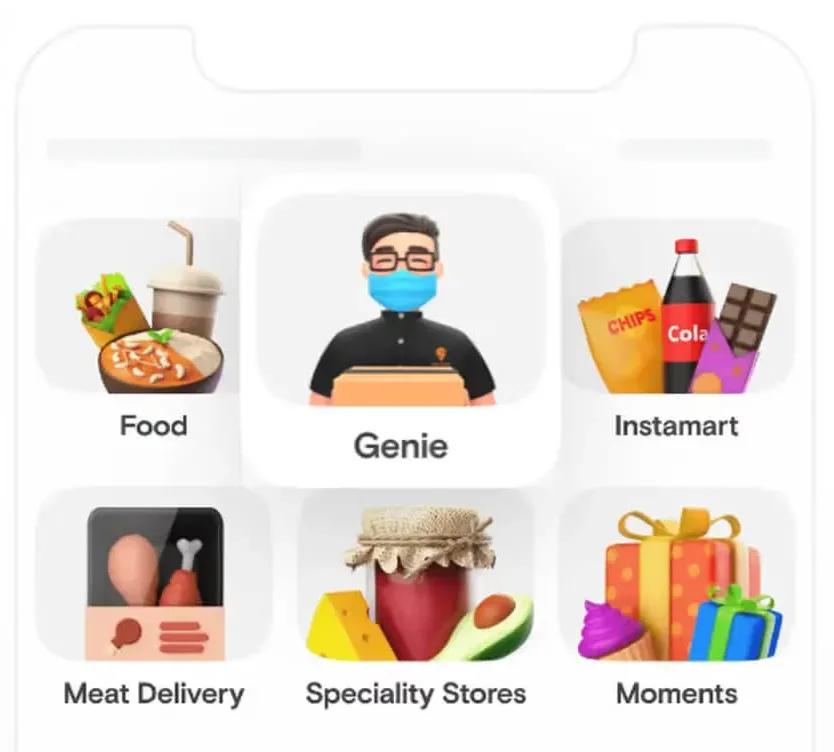
- Swiggy Genie: This service allows users to send or receive anything within the city, not just food. It has been a game-changer for small businesses and individuals who lack access to traditional logistics services.
- Swiggy Instamart: The quick-commerce grocery delivery service has prioritised partnerships with local stores, helping them compete with larger retailers.
- Sustainability initiatives: Swiggy has introduced eco-friendly packaging guidelines for restaurants and launched campaigns to reduce food waste.
Lesson: Responsible product management is about leveraging innovation to solve real-world problems while being mindful of environmental and social impact.
The way forward: A call to action
These examples show that responsible product management is not just a moral obligation—it’s a strategic advantage. Companies that prioritise inclusivity, ethics, and sustainability are better positioned to build trust, foster loyalty, and achieve long-term success. As product managers, we must:
- Design for all: Create products that cater to the diverse needs of users, regardless of their background or location.
- Prioritise ethics: Ensure that growth strategies are aligned with ethical practices and transparency.
- Embrace sustainability: Build products that contribute to a greener, more sustainable future.
- Listen and adapt: Continuously seek feedback from users and stakeholders to improve and evolve.
In conclusion, responsible product management is the key to building products that not only succeed in the market but also make a positive impact on society. By learning from the examples set by companies like NPCI, Zomato, BYJU’S, Tata Motors, and Swiggy, we can pave the way for a more inclusive and sustainable future in product management.
A big thank you to the Digital Product Management course at SPJIMR for shaping my understanding of these principles. Let’s commit to being responsible stewards of the products we create—because the future depends on it.
About Post Graduate Diploma in Management (PGDM)
SPJIMR’s Post Graduate Diploma in Management (PGDM) is a two-year, full-time residential programme equivalent to an MBA. PGDM is approved by AICTE, accredited by NBA and AMBA, UK and consistently rates among India’s top 10 management programmes. The programme offers a holistic approach to leadership development with its innovative blend of classroom learning and thoughtfully curated immersive experiences.