Register your interest for this programme
Please fill in the following details



Abhijeet Singhal, SPJIMR (GMP batch 01) – ESB (2010-11)
I was born in Varanasi in a large joint family—over 25 people in the same house—living next to the Ganges. My upbringing was middle class, and nearly everyone around me was in business, so I absorbed the language of commerce early on.
My schooling years were difficult. I was timid and fearful, always bracing for something to go wrong. While I did well academically, it came from fear and obligation rather than curiosity. I didn’t enjoy that phase.
When I moved to Calicut for engineering, everything changed. I found myself in a completely different environment with people who spoke differently, thought differently, and ate differently. I made friendships that still matter to me today, and that distance from home taught me to be confident in unfamiliar spaces.
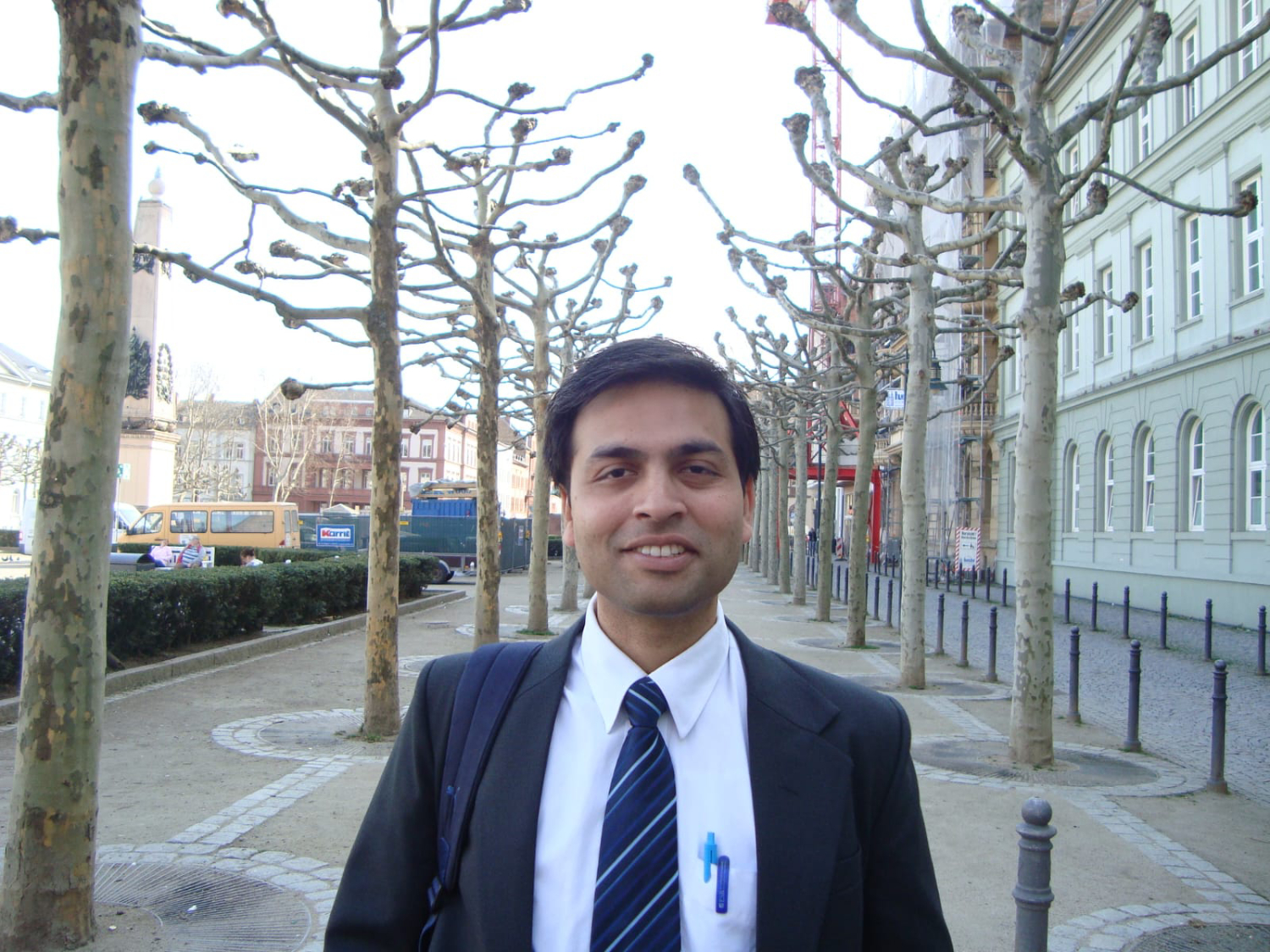
After campus placement, I joined L&T in Mumbai. Within eleven months, I moved from the workshop to a team that reported directly to the CEO of our business unit. That early exposure to business models, client relationships, legal contracts, and business development gave me a taste for deeper learning, which is why I applied for the Global Management Programme (GMP) at SPJIMR Mumbai.
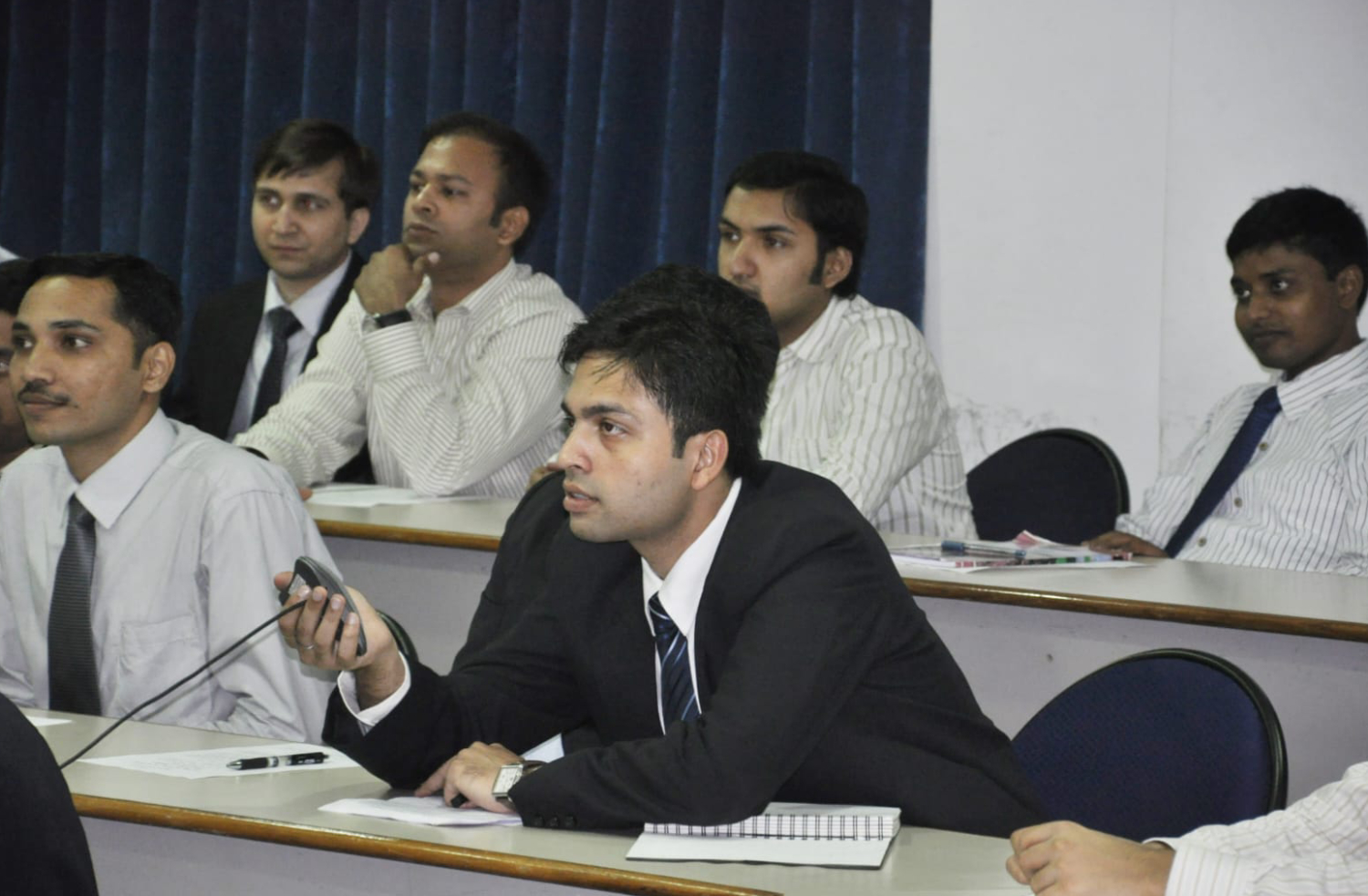
I belong to the first batch of GMP, which was then called PGCIM, and I still vividly recall many moments from those days. Professors like Debasis Malik, Renuka Kamath, and Kiran Ma’am brought such craft to their teaching that classes felt alive and made me genuinely curious. I also remember the clarity that came from attending sessions with faculty who thought deeply about their subjects.
At SPJIMR, I learned to ask what was possible. For the first time in my education, I actually enjoyed learning. That’s when it hit me—how much educators and teachers matter.
Graduating from SPJIMR GMP’s international partner institute, the ESB Business School at Reutlingen University in Germany, opened doors to a diverse range of experiences and global perspectives. I interned at a company in Karlsruhe, Germany, and later led a team of 900 people in a hotel start-up. Working in Germany with a German company and local employees was new ground for me. Being in that environment, attending conferences, and learning to think beyond India shaped how I approached building something from scratch.
SPJIMR’s focus on social change also led me to volunteer during my corporate years, eventually teaching underprivileged children in Faridabad. That’s when I understood how difficult the job of a teacher truly is. Teaching is a multi-layered role. Being a good student doesn’t mean you can teach. That realisation shifted something in me.
I’ve stayed in touch with peers from my batch and continue to talk through ideas with them. I also seek advice from faculty. What strikes me most is how generous they are with their time, even when they’re busy with their own work. Those conversations have been part of building Teachrity.
For over a decade since my MBA, I’ve worked in startups—leading teams across India and managing international operations for both young companies and established ones. The people I worked with showed me what trust looks like, and I’ve stayed connected with them. That experience eventually led me to take a bet on myself.
Teachers are the most important asset in a K-12 school, yet schools treat them as a cost center rather than invest in them. That imbalance leads to poor outcomes. We see schools instal smart boards and call them ‘smart classes’, but technology alone doesn’t develop teachers or students. The real issue is that teachers lack both the pedagogy skills and digital skills now needed for the new curriculum frameworks. They need training in basic teaching methods and AI-powered tools aligned with NEP 2020 and NCF 2023.
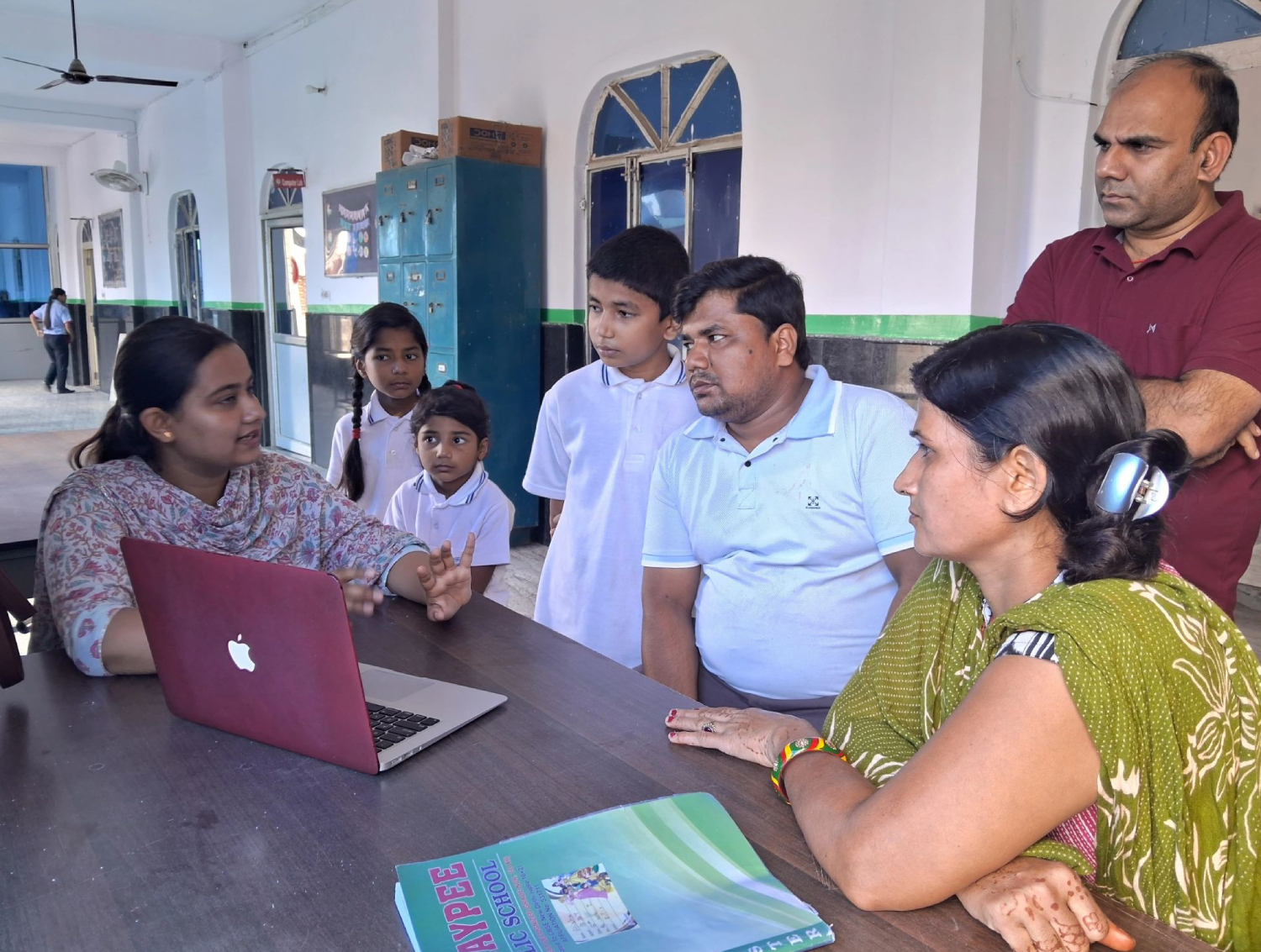
With Teachrity, we’re building an approach suited to India’s context—not adapting a solution from somewhere else.
I saw what became possible when I started working with AI after GPT-3.5 was released. Using the technology made me think more creatively about my own approaches. What stood out was how AI personalises for each person and, when designed thoughtfully, creates a safe space to experiment and learn. At Teachrity, our mission is to empower teachers across various Indian boards, including state boards, by integrating AI technology.


I believe technology should make someone’s life easier while also encouraging them to think creatively and reach better outcomes. That’s what I mean by building tech with purpose.
From my time in start-ups, I’ve learned that products fail when they ask too much of users or feel like an extra task rather than something necessary. At Teachrity, we’ve focused on genuine problems teachers face. For example, teachers spend seven to eight days creating a CBSE-grade exam paper, sometimes hiring consultants or buying guides to do it. We built a tool that does this in fifteen to twenty minutes. That’s the difference between something that feels useful and something that feels like busywork.


AI is making the development process faster, so products get shipped quicker and costs come down naturally. That helps with affordability. I’ve also hired talent from Tier 2 and Tier 3 cities to keep operational costs lower. It’s a straightforward approach—when you’re lean on expenses, you can price sensibly.
The real challenge isn’t technology. It’s change management and the mindset of buyers and organisations. There’s a bias in India toward solutions built in the USA or UK, so being homegrown doesn’t give us an advantage there—it’s actually a hurdle we have to work past.
One positive is that we’re registered with the Ministry of Skill Development and Entrepreneurship under the Skill India mission. That helps with credibility.
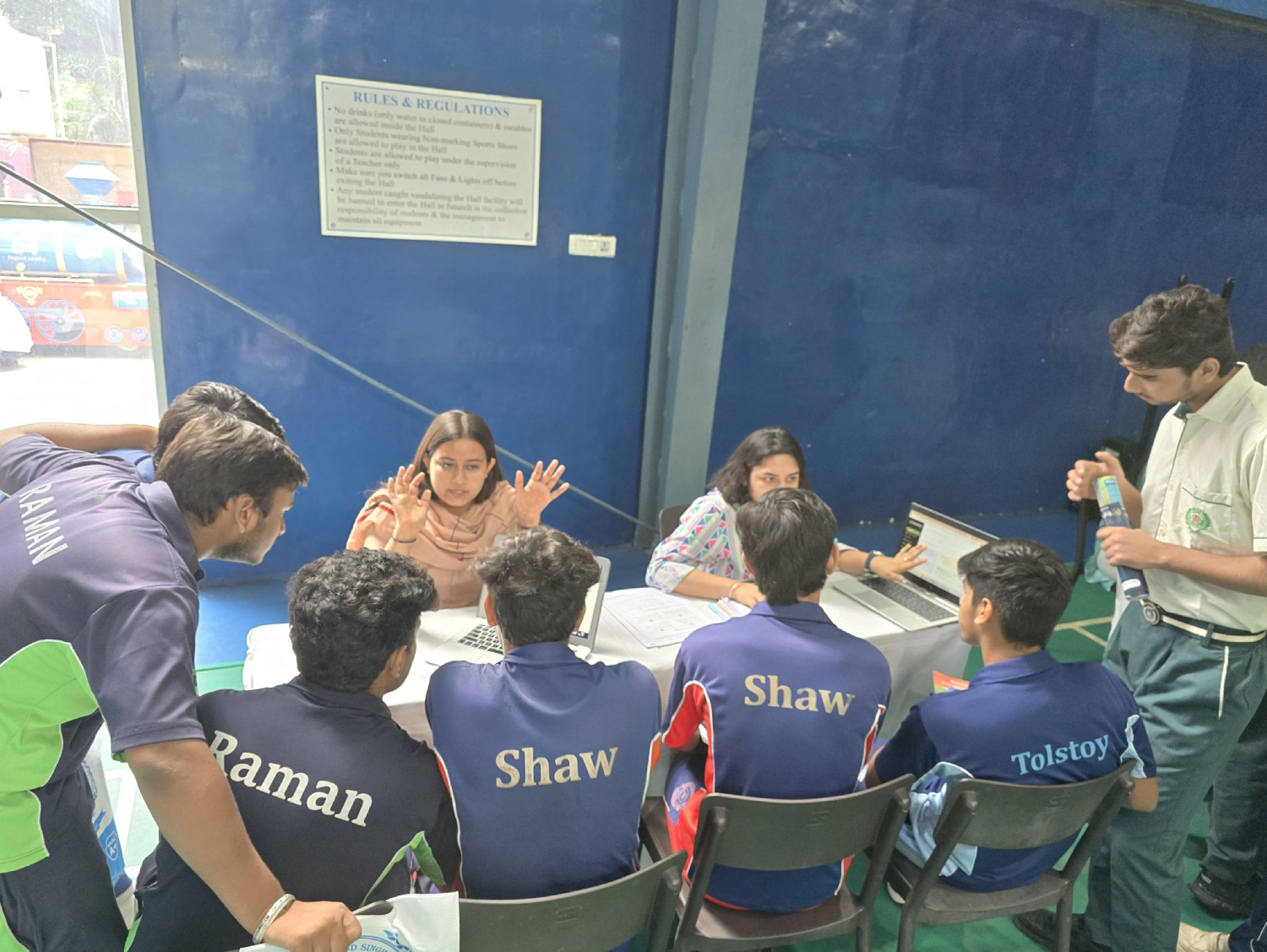
We’re still very early with AI. The good part is that every day we’re solving for our users and getting better at it. Everyone who has used our product places us in the top tier for quality and use cases. Our product is getting used in schools which are in the posh neighbourhood of Defence Colony of Delhi and at the same time, a small muslim school in Patna which teaches in Urdu alongwith Araku valley of Andhra where convent schools are using it. We are also adopted by Universities for their teacher training programmes.
A single teacher over 10 years deeply impacts at least 1,000 students. We want to reach 1 million teachers over the next five years so that effect spreads not just in India but beyond. We want teaching to become a profession people choose willingly. We want our teachers to feel confident in what they do.
Get your hands dirty and start exploring now. This is one of the best times to work with AI. Entire industries are changing. New workflows are being designed. When you build something, ask how your product actually impacts real life—not just how it looks on a KPI dashboard.
Please fill in the following details
Book your appointment for a one-on-one session with GMP team