Register your interest in this programme
Please fill in the following details



SPJIMR Marketing and Communications Dept.
Leadership, especially in the social sector, demands far more than technical knowledge or well-defined frameworks. It requires empathy, moral courage and the ability to act thoughtfully in situations where answers are rarely clear. Few leaders embody this belief as strongly as Mr. Aaboo Varghese, Founder and Executive Director of Purnata, an initiative working to reduce and ultimately end human trafficking.
An alumnus of S.P. Jain Institute of Management & Research (SPJIMR)’s Post Graduate Programme in Development Management (PGPDM), Mr. Varghese is today a respected leader, motivational speaker, counsellor and life coach. His journey reflects how values-led education and lived experience come together to shape purpose-driven leadership.
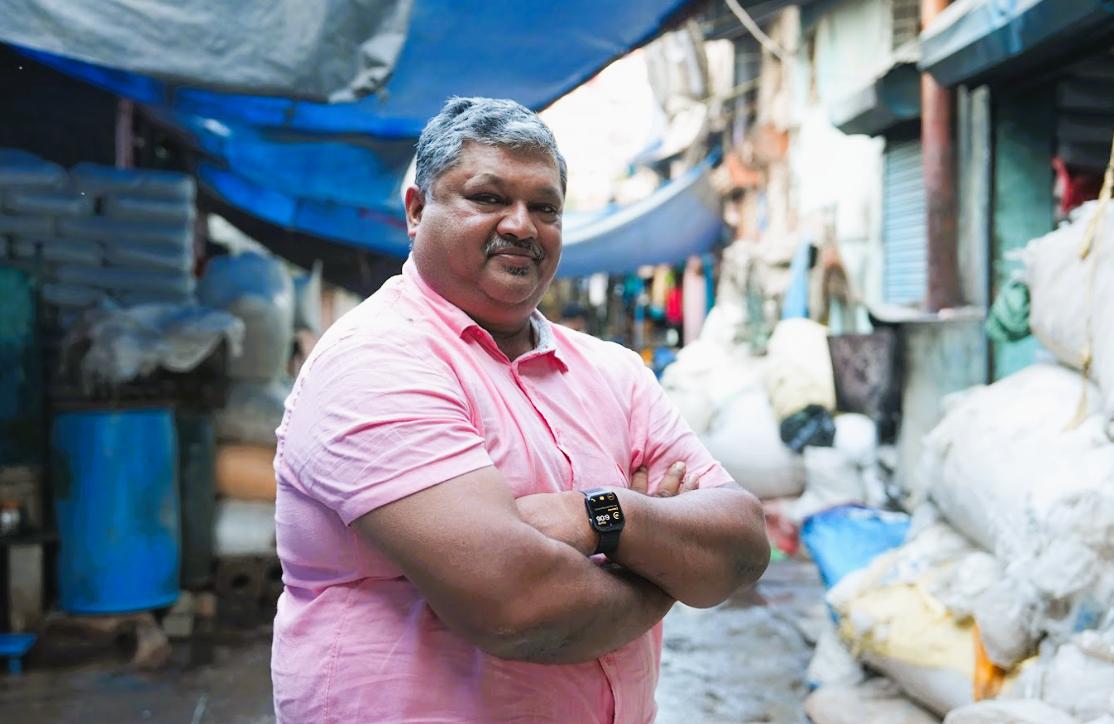
Image credit: Givedo
Mr. Varghese’s professional journey has unfolded in complex and emotionally demanding environments. Working closely with vulnerable communities and addressing issues such as human trafficking requires leaders to make decisions amid uncertainty, ethical dilemmas and limited resources.
Reflecting on these experiences, he emphasises that leadership is rarely about having perfect answers. Instead, it is about learning to sit with ambiguity, listen deeply and respond with compassion and responsibility. Some of the most powerful lessons, he notes, come not from success but from moments of difficulty that force reflection and growth.
Looking back at his time at SPJIMR, Mr. Varghese highlights how the institute’s approach to management education shaped his worldview. The PGPDM programme went beyond traditional classroom instruction, encouraging students to engage directly with real social challenges and reflect on the human impact of their decisions.
SPJIMR’s pedagogy emphasised experiential learning, ethical reasoning and social sensitivity, offering management education contextualised for the social sector. Through fieldwork, discussions and close engagement with faculty and peers, students were encouraged to examine their assumptions and develop a deeper understanding of development, leadership and responsibility.
For Mr. Varghese, this experience laid the foundation for a leadership approach grounded in empathy, humility and action. The programme reinforced the idea that management is not only about efficiency or scale but also about dignity, inclusion and long-term change.
Mr. Varghese’s reflections also shed light on how leadership must evolve, particularly in the development and social impact space. Effective leaders today must balance strategic thinking with emotional intelligence. They must be able to engage stakeholders, build trust within communities and remain anchored in values, even under pressure.
He believes leadership is not defined by position or authority but by credibility and consistency. Trust is earned through listening, self-awareness and the willingness to take responsibility for difficult decisions. For leaders working in sensitive social contexts, this human-centred approach becomes especially critical.
One of the most compelling aspects of Mr. Varghese’s perspective is his openness about failure. He views setbacks as essential teachers that help leaders develop resilience, perspective and maturity. In his experience, failure often reveals blind spots, challenges assumptions and strengthens commitment to purpose.
He encourages young professionals and students to resist constant comparison with others. Every journey is different, and meaningful impact takes time. What matters most is the ability to reflect honestly, learn continuously and remain committed to one’s values.
Drawing from his journey across social work, counselling and leadership, Mr. Varghese offers thoughtful guidance for aspiring leaders:

Focus on building strong values and self-awareness alongside skills.

Stay open to learning from people, especially those whose experiences differ from your own.

Use education as a space to develop judgement, not just credentials.

Remember that leadership is a lifelong practice shaped by reflection and service.
Mr. Aaboo Varghese’s journey stands as a reminder that leadership is ultimately about impact, not titles. Through Purnata and his broader work as a mentor and life coach, he continues to demonstrate how values-led leadership can create meaningful change. Passionate about making an impact, Mr. Varghese went from being a life coach to changing the lives of thousands. His transformation was empowered by the unique programme offered by SPJIMR.
His reflections also echo SPJIMR’s philosophy of developing responsible leaders who think deeply, act ethically and remain grounded in human values. Long after the classroom experience ends, these principles continue to guide alumni as they work to create positive change in society. The PGPDM programme empowers social entrepreneurs to bring this kind of change to the sector while creating a lasting impact.
Please fill in the following details