Register your interest in this programme
Please fill in the following details



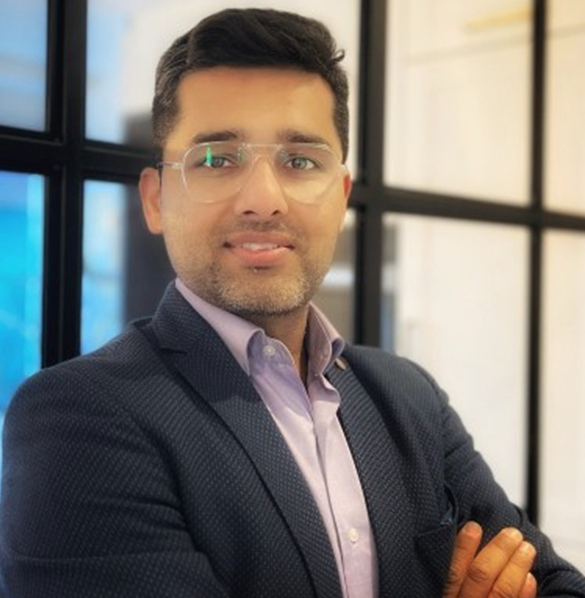
Akhil Vyas, GMP Batch 5 (2014) | ESB
Innovation earns credibility only when it withstands scrutiny. In healthcare, ambiguity carries consequences, and recognising this drew me from a career in consulting to MedTech.
I completed the SPJIMR Global Management Programme (GMP), Batch 5 (2014), and today I work at the intersection of healthcare and technology.
As Head of Strategy and Operations at Capla, I focus on improving how neurosurgeons interact with technology inside the operating room, reimagining neuro-navigation through AI-powered tools designed to enhance surgical precision and reliability.
I spent nearly a decade in consulting roles at Targus, EY, Deloitte, and Prokura. I worked across strategy, operations, and market expansion, helping organisations structure complexity and make decisions with clarity.
It was during these years, particularly while working on healthcare and MedTech engagements, that I began noticing a recurring contradiction. Products described as ‘state-of-the-art’ were technically strong and conceptually innovative. Yet many of them stalled in research and development. At the same time, solutions that reached hospitals were often prohibitively expensive or simply not reliable enough to earn trust.
The issue was not the absence of innovation. It was misalignment. Ideas were often poorly timed, inefficiently prioritised, or unsustainably priced.
Over time, analysing this gap was no longer enough. I realised I wanted to work on building solutions that could survive real-world constraints rather than merely diagnosing why they failed.
Consulting trains you to build clean frameworks, but entrepreneurship reminds you that real life rarely follows slide decks. In consulting, ambiguity can be organised into models. In healthcare, ambiguity carries consequences. That realisation pushed me beyond analysis and toward building solutions.
At Capla, as I examined neuro-navigation more closely, I realised that many of the limitations were structural rather than technical.
Most existing systems rely heavily on hardware. They are expensive to maintain and difficult to upgrade without replacement. Over time, this model increases financial strain on hospitals and limits flexibility.
We chose a software-first architecture instead. The objective was not disruption for its own sake, but sustainability. Systems should evolve without repeated hardware replacement. Updates should enhance performance without adding complexity.
From the outset, three priorities have guided our decisions:
Accuracy, because reliability in surgery directly affects patient outcomes.
Accessibility, because innovation must be practical enough for widespread adoption.
Future-readiness, because healthcare technology should improve rather than become obsolete.
Balancing these priorities requires trade-offs. In healthcare, you move forward only when you can justify each step.
Coming from consulting and startup environments, the instinct to move quickly is deeply ingrained. In the regulated world of medical devices, I have learned to take a pragmatic view of compliance. I often tell founders to treat regulation like gravity. It is a constant force. You can either design with it or struggle against it.
In MedTech, I learned quickly that safety outweighs speed. Startups value momentum; regulators demand evidence. That means we prioritise explainable and validated AI over impressive but opaque algorithms. If a system cannot be defended clearly, it does not belong in an operating room.
I work with engineers, surgeons, and regulatory experts across the US, Europe, and India. Each group brings a different lens to risk and performance. My role is to align these perspectives around a shared goal: building tools that work reliably in real operating rooms, not just controlled demonstrations.
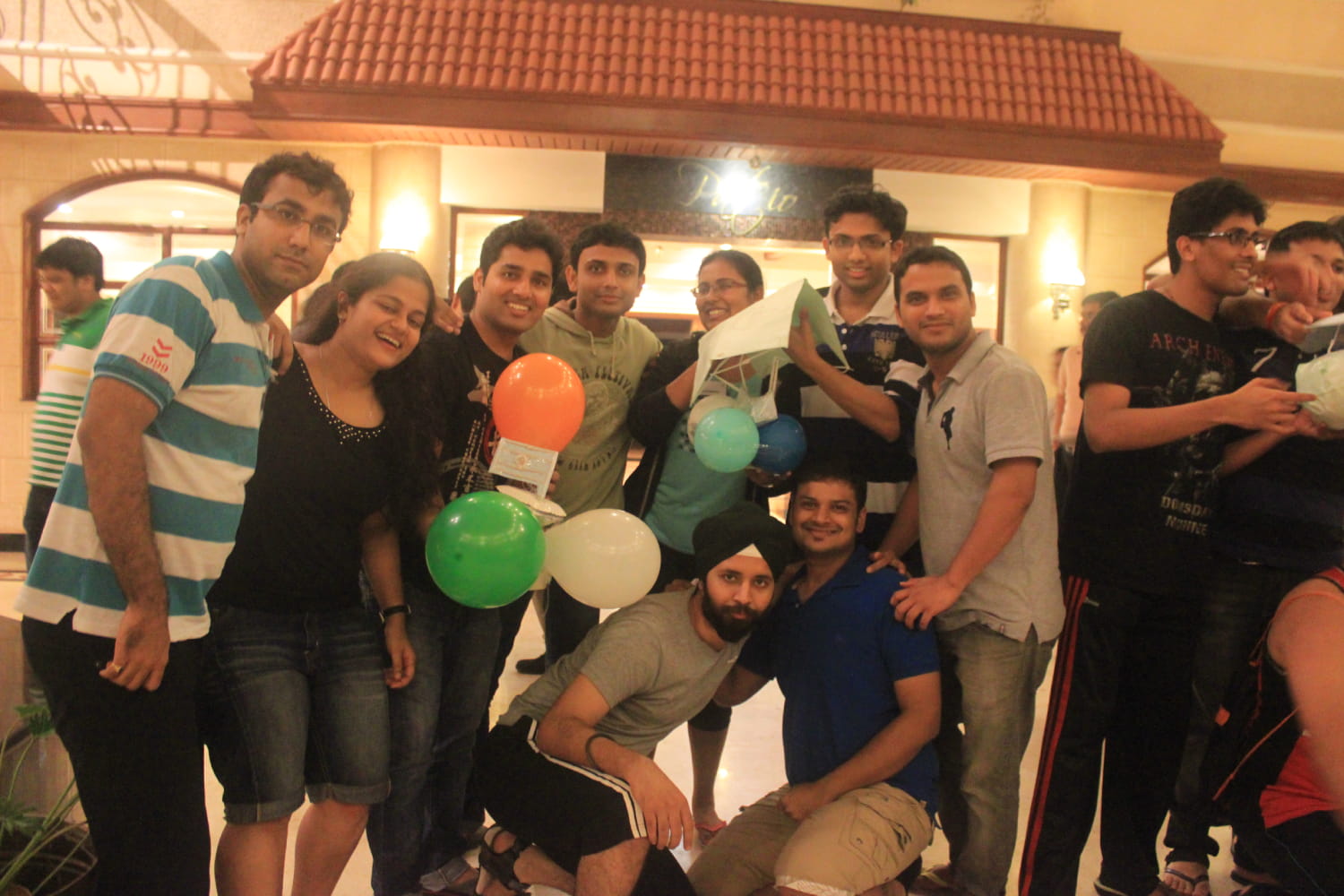
The discipline I rely on today did not emerge by accident. Much of it was shaped during the Global Management Programme at SPJIMR. The programme begins with six months of academic foundations at the Mumbai campus, followed by an international immersion that demands both intellectual and cultural adaptability.
That dual exposure to emerging and developed market contexts sharpened my ability to evaluate healthcare systems through multiple lenses.
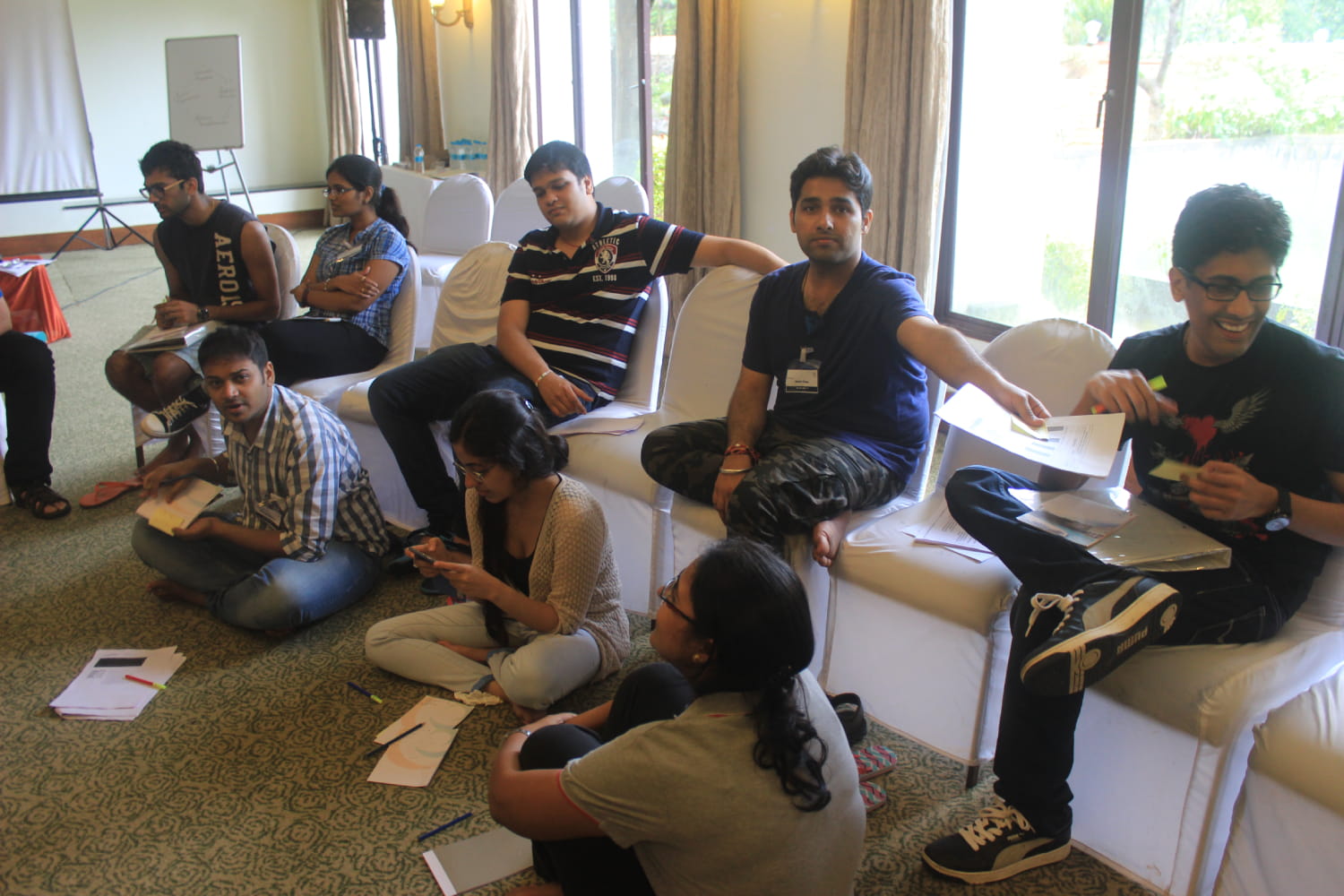
GMP trained me to think structurally under ambiguity and to ask better questions before seeking answers. Strategy case discussions with Professor Krishna strengthened my ability to evaluate trade-offs without oversimplifying complexity. Production simulations with Professor Ullal reinforced operational discipline, while statistics sessions with Professor Mallik sharpened analytical rigour. The emphasis on applied learning ensured that theory was consistently tested against operational realities.
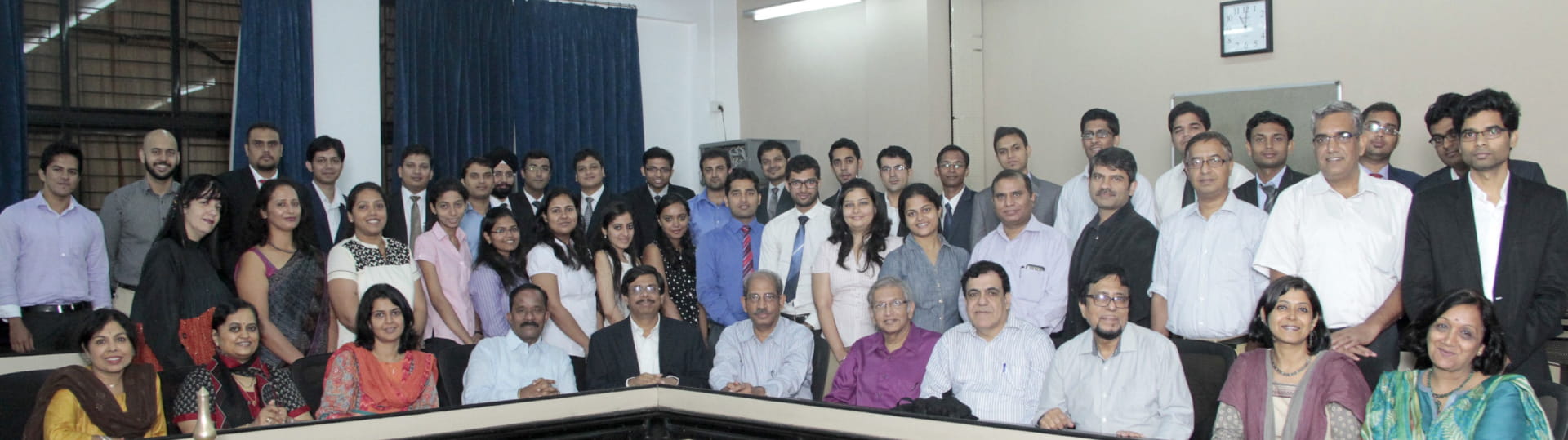
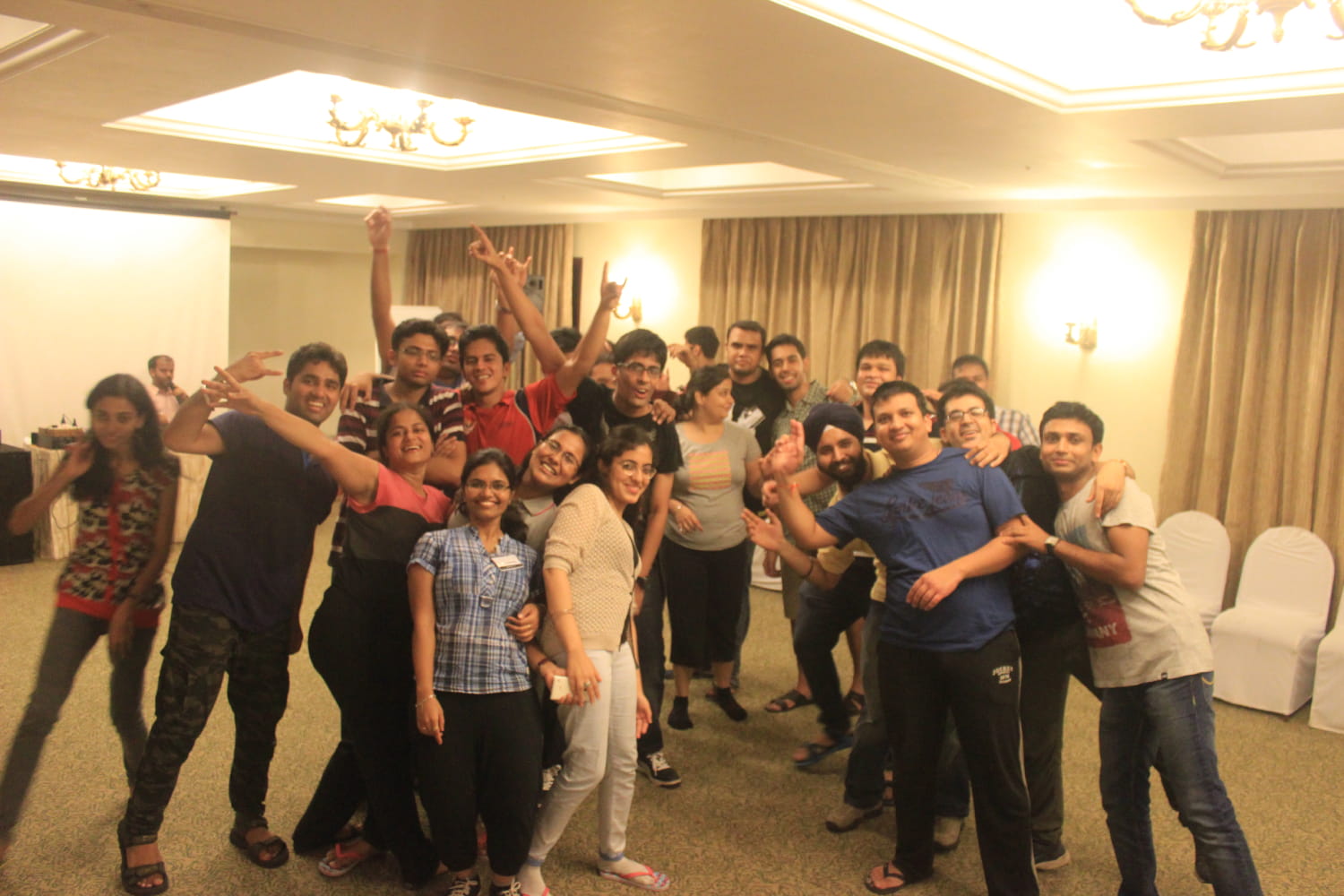
Cohorts challenging each other’s assumptions often surfaced blind spots I had overlooked. The diversity within the group, spanning industries and geographies, expanded my perspective beyond my own professional context.
GMP did not teach me what to think. It taught me how to think under pressure. That distinction matters in industries where the cost of error extends beyond financial loss.
After the foundational six months at SPJIMR, my transition to ESB Business School in Germany expanded this perspective. Immersion in Germany’s innovation ecosystem reinforced a belief that continues to guide me to this day: entrepreneurship is not heroic risk-taking, but disciplined courage practised consistently over time.
Looking back, the journey was not defined by bold ideas, but by the discipline required to turn them into something dependable.
GMP shaped how I approach decisions when the stakes are high, grounding ambition in discipline and innovation in responsibility. It taught me to question assumptions, respect systems, and stay steady under pressure. Those habits inform every decision I make.
In regulated industries, ambition alone is insufficient. Judgment, discipline, and alignment matter more. Progress is rarely dramatic. It is built patiently, through choices that can withstand scrutiny.
If there is one belief that continues to guide me, it is this: meaningful work is not defined by visibility, but by utility. When something we build helps someone do their job better and safer, that is enough.
Please fill in the following details