


SParc 2026: Reimagining for a sustainable future
January 16, 2026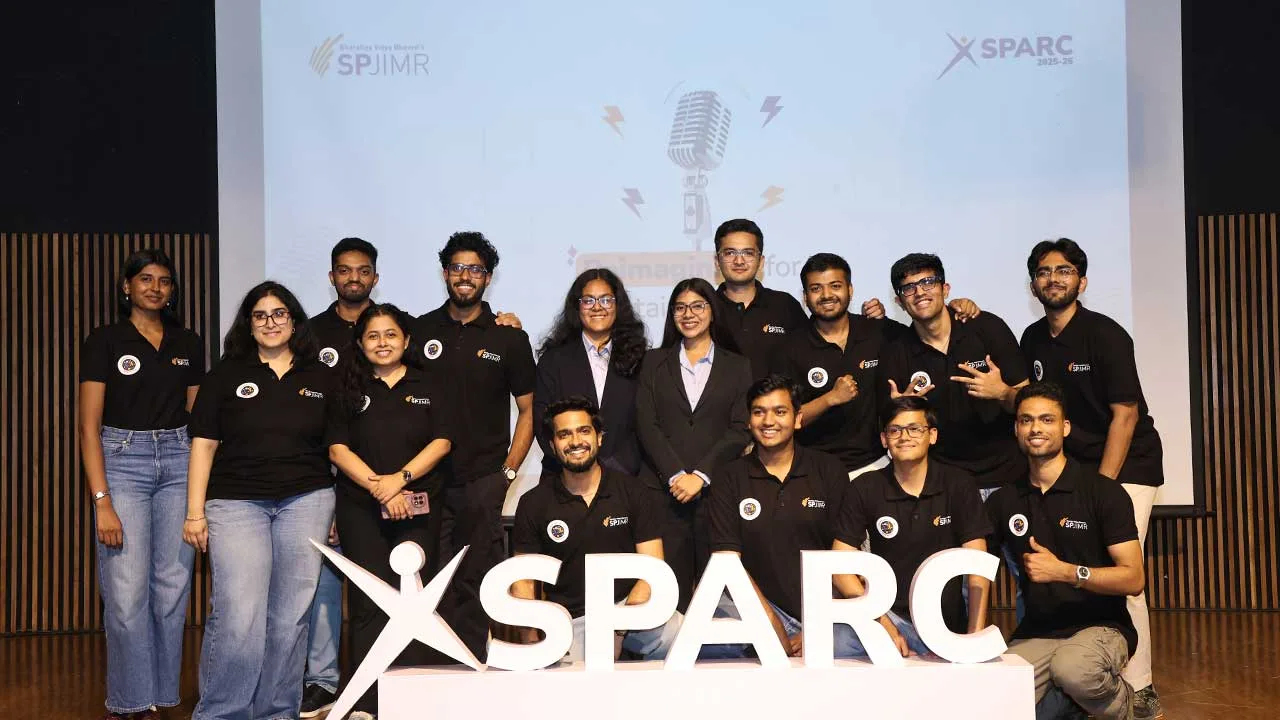
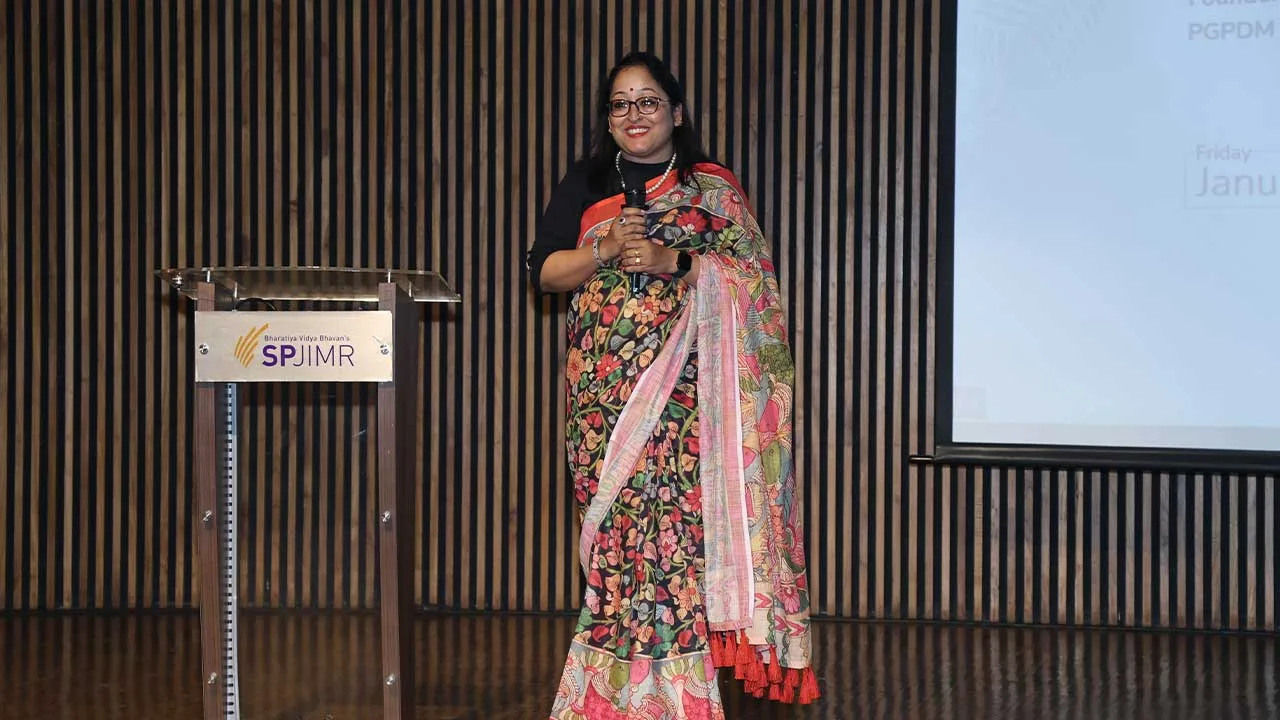
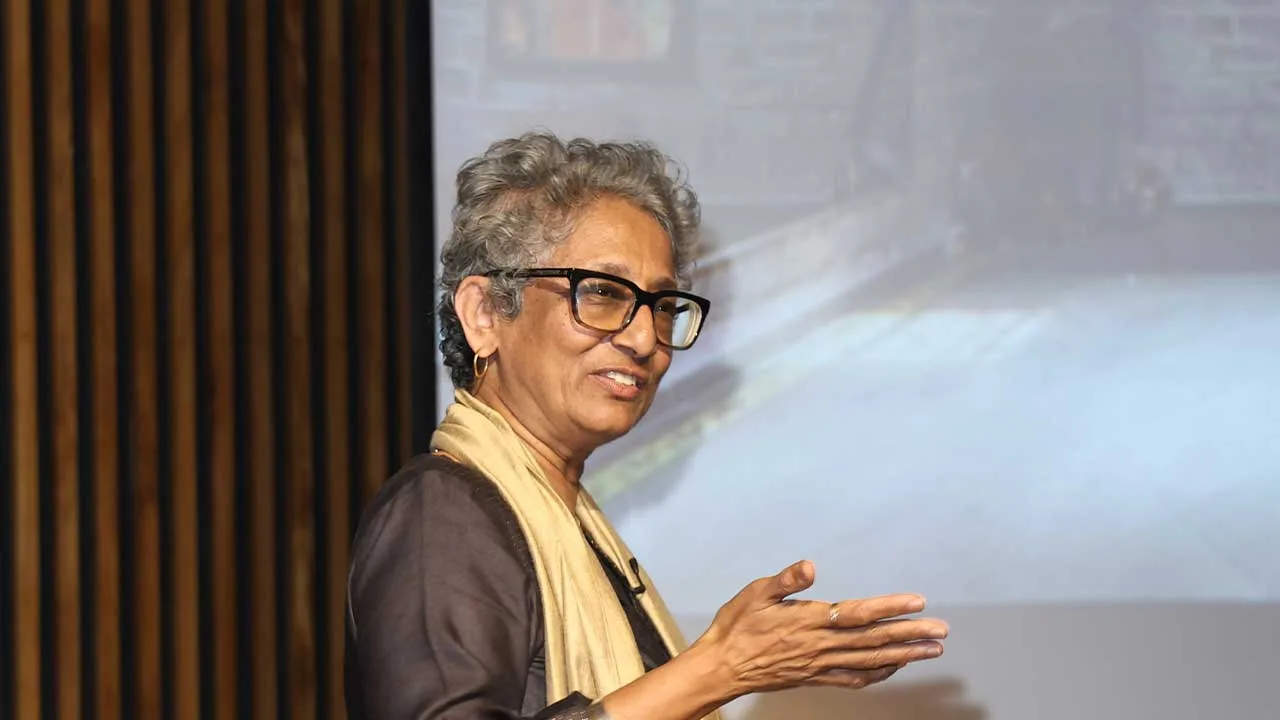
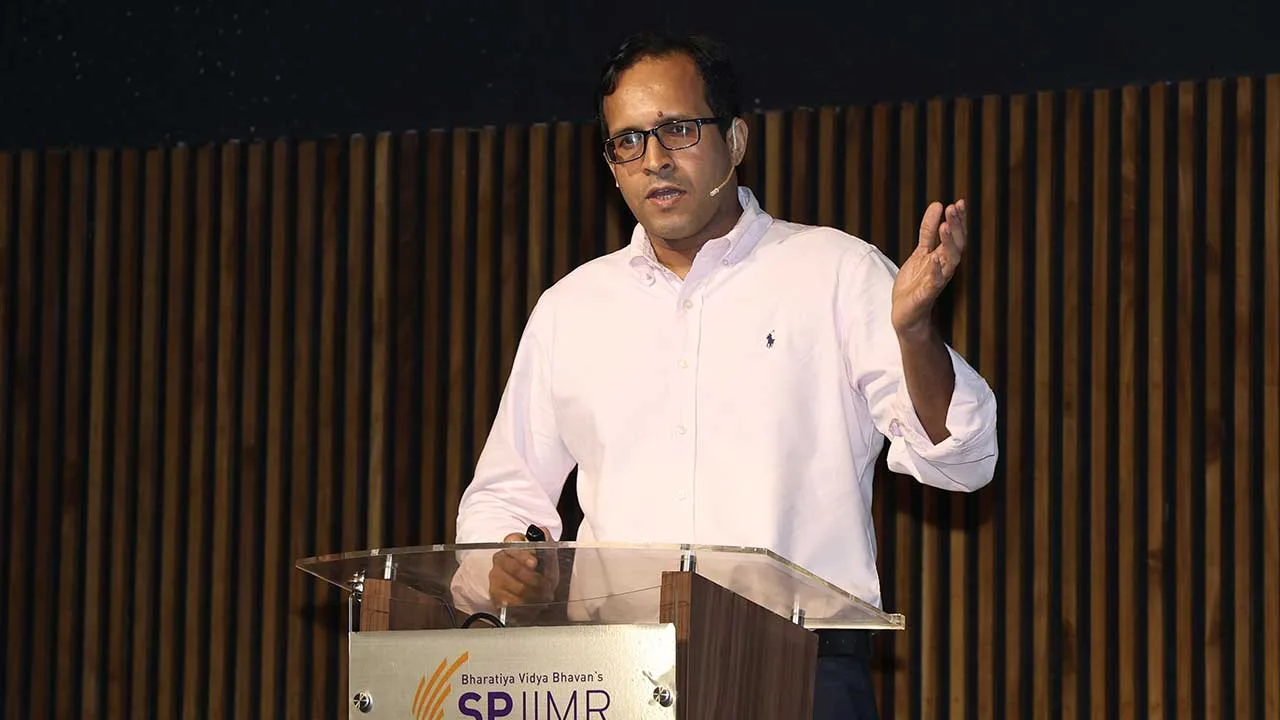
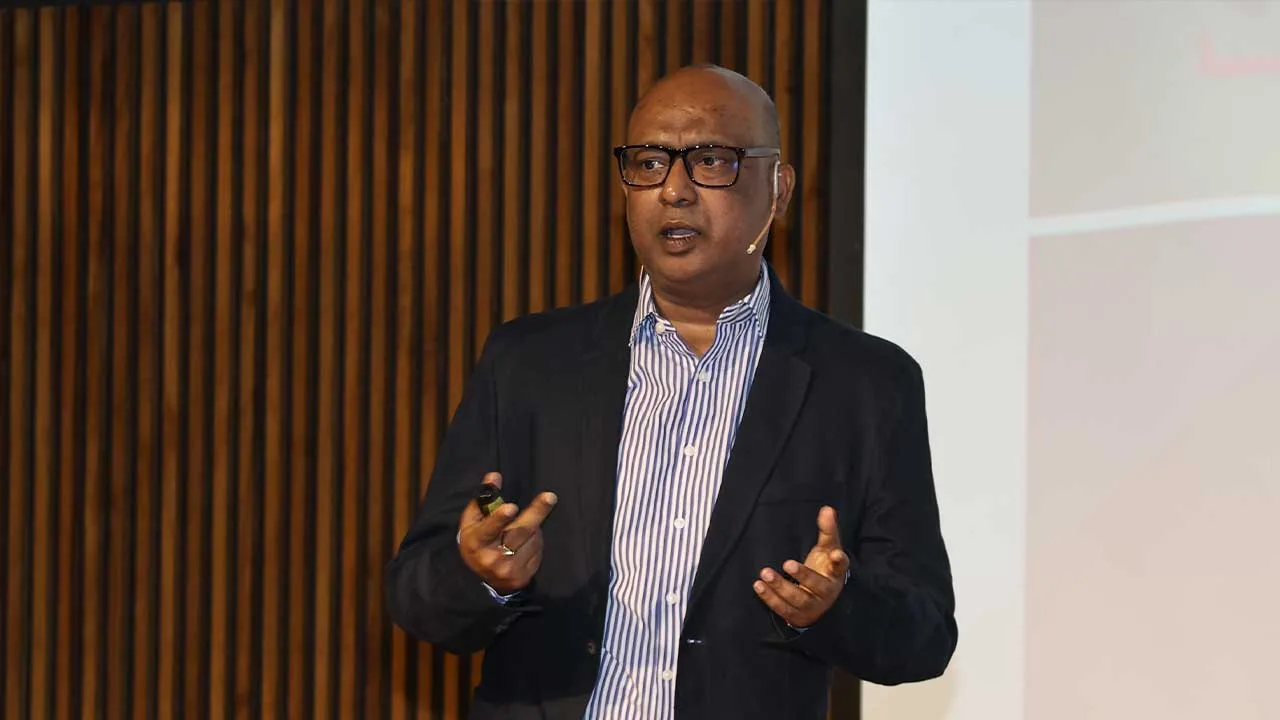

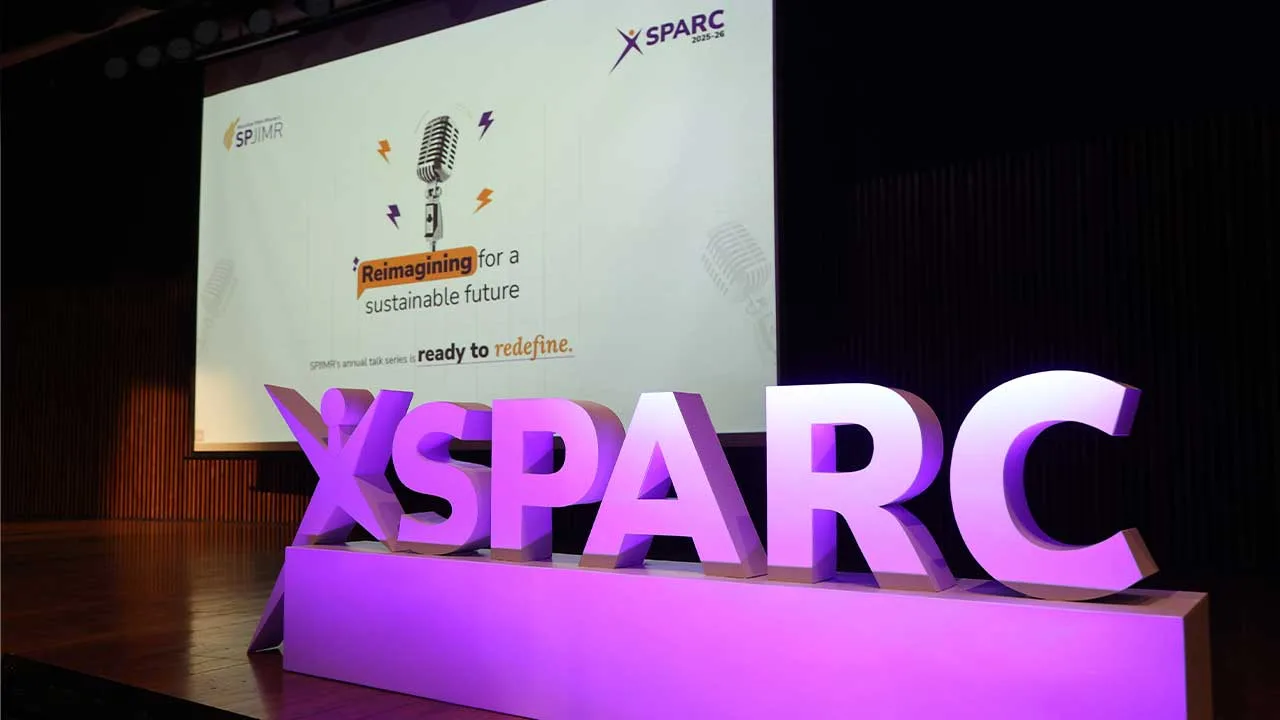
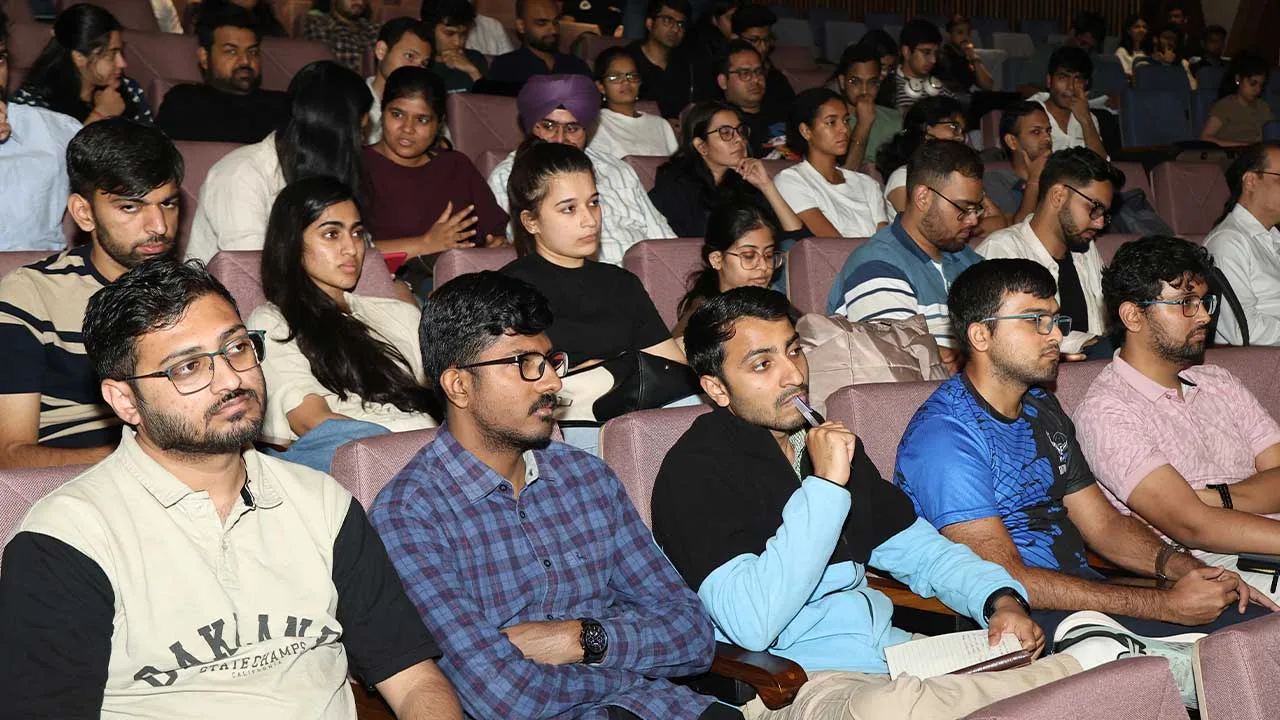
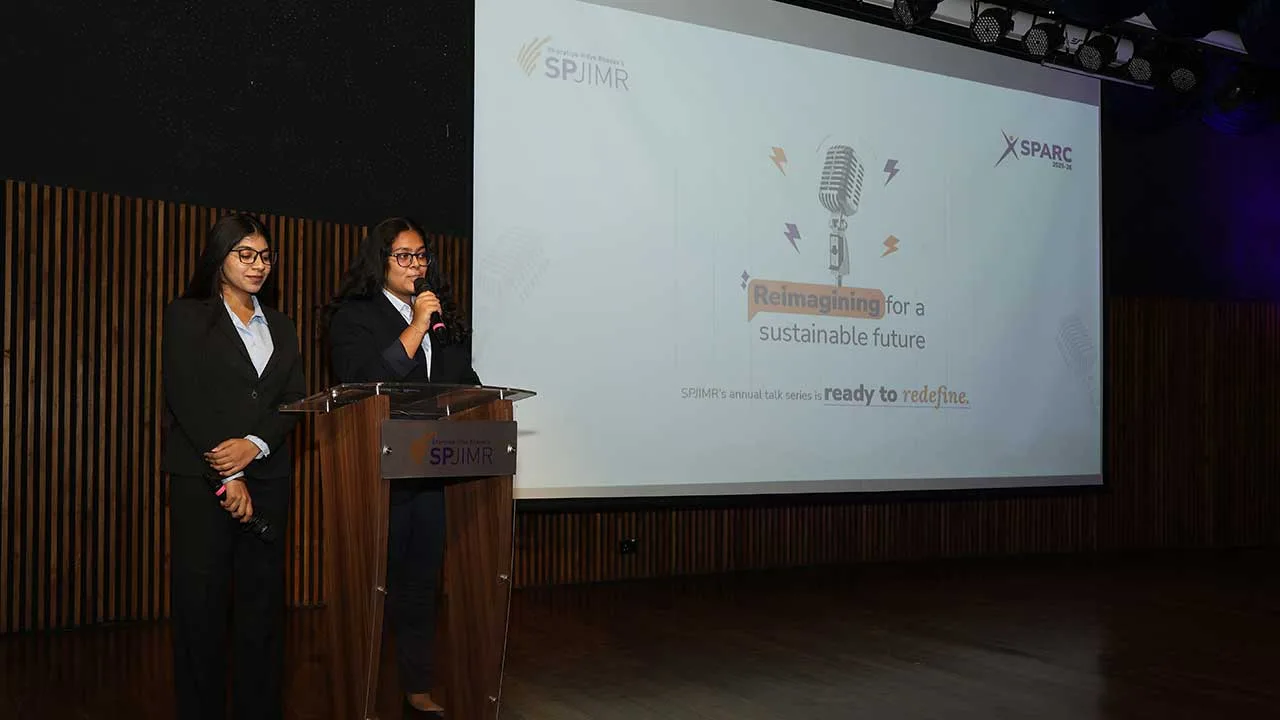

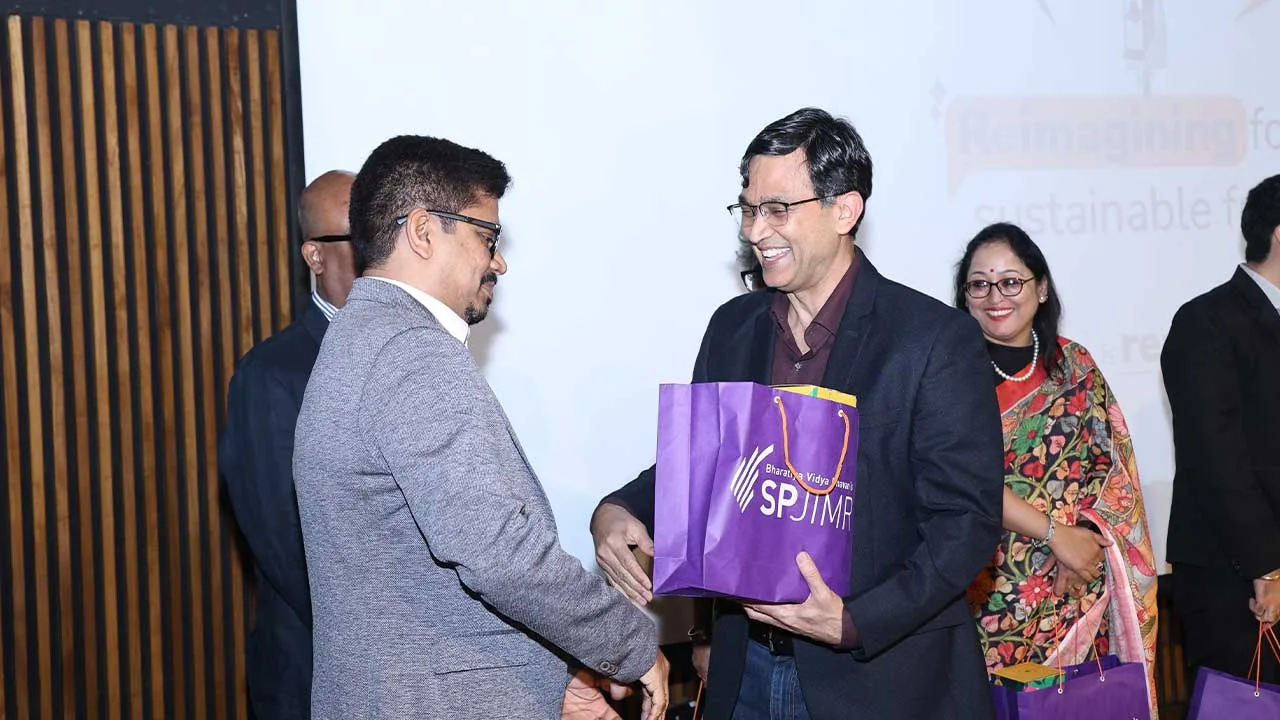
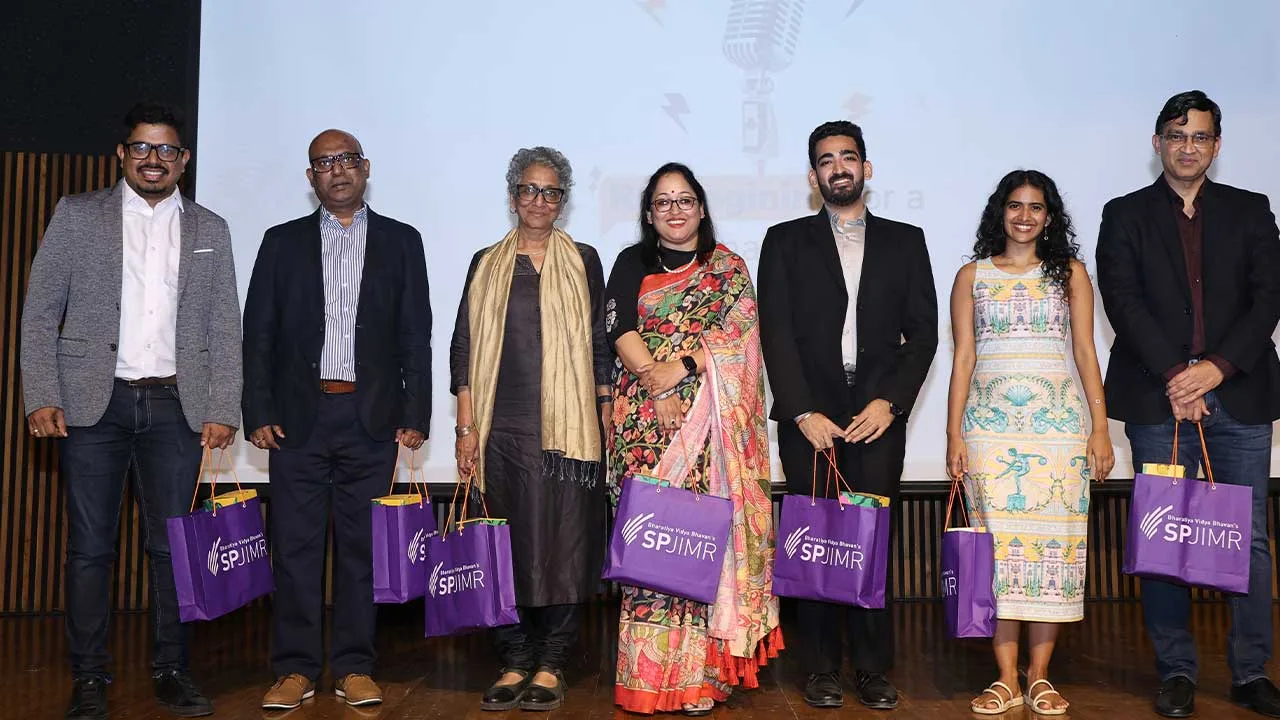
SParc 2026, SPJIMR’s annual talk series, addressed the most critical challenge and opportunity of our time: creating a sustainable future. This year, the theme, ‘Reimagining for a sustainable future’, invited individuals from diverse sectors to share how they were shaping what comes next with hope, change, and purpose. We looked beyond incremental fixes to explore how to fundamentally design systems across urban spaces, energy, social equity, finance, and logistics. SParc 2026 united visionary thinkers to forge a regenerative future, inspiring our students and faculty to become agents of this necessary transformation.
Spanning infrastructure, climate advocacy, entrepreneurship, ethical technology, and management education, SParc 2026 brought together voices that are actively reshaping how sustainability is understood and practised. From Bharti Singh Chauhan’s work in menstrual health and livelihood creation, Chitra Vishwanath’s decades-long commitment to ecological architecture, and Karan Seth’s efforts to reimagine sustainable farming, to Manas Rath’s systems-level approach to urban transformation, Pinaki Laskar’s push for ethical and energy-conscious AI, Prachi Shevgaonkar’s youth-led climate action, Sujith Nair’s vision for decentralised digital ecosystems, Varun Nagaraj’s call for wise and responsible management education, and Vijay Singh’s innovations in water-efficient agritech, each speaker embodied the spirit of reimagining for long-term impact in deeply personal ways.
Through reflective, practice-driven narratives rooted in real-world challenges, the speakers showed that sustainability is not a distant or abstract ideal but a lived reality shaped by how we choose to work, build, and innovate without exhausting the future. Their journeys reinforced the need to understand consequences before intervening in nature, to protect what already exists before imagining what comes next, and to design intelligence, infrastructure, and enterprises that respond ethically to the systems they operate within. Together, these stories encouraged the SPJIMR community to move beyond incremental change and imagine regenerative futures built on responsible profit, human flourishing, and long-term thinking—leaving participants with renewed purpose, practical insights, and the conviction to become active agents of sustainable transformation within their organisations, cities, and communities.
SParc, the institute’s annual TEDx-style talk series, is organised by the students of the Communications Committee operating as part of the Assessment and Development of Managerial and Administrative Potential (ADMAP) course. Events like SParc offer students at SPJIMR hands-on opportunities to learn about managerial responsibilities through practical experience and meaningful engagement.
Meet our speakers
Bharti Singh Chauhan
Social Entrepreneur; Founder and CEO, CarversIndia Trades LLP; Founder, PraveenLata Sansthan

“No planet can be sustainable if people are left behind.”
Bharti Singh Chauhan, the ‘Pad woman of India’, is a remarkable alumna whose work directly addresses the intersection of social, health, and environmental sustainability. Through the PraveenLata Sansthan, she is rewriting the narrative for women in rural and urban areas by pioneering the MeraPad, an innovative, five-year reusable cloth pad, which significantly curbs plastic sanitary waste. Her initiatives are a beautiful example of how thoughtful product innovation can drive scalable social change, promoting hygienic lifestyles and economic independence for over 2.5 million women and girls.
Her impact extends beyond product innovation into grassroots behavioural change and sustainable livelihoods, training women to transform textile waste into upcycled art and crafts via the ‘Titli Skill Development Program’. As a President awardee (100 Women Achievers of India) and UN SDG Awardee, her work perfectly aligns with the theme by demonstrating community-driven reimagining that is sustainable, inclusive, and scalable for social and environmental good.
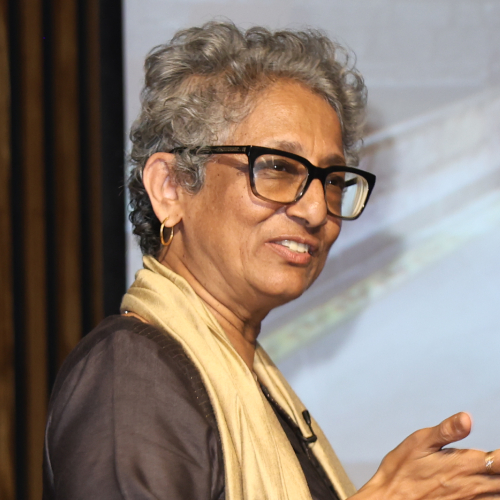
Chitra Vishwanath
Founder and Principal Architect/MD of Biome Environmental Solutions
“For us, architecture is about everything and everyone—the site, the soil, the water, and the people. True sustainability connects engineering, sociology, material science, and finance. Our buildings are not products—they are ecological assets.”
Chitra Vishwanath embodies the ‘reimagining’ theme through her pioneering work in ecological architecture at Biome Environmental Solutions Pvt. Ltd. She has fundamentally shifted building design by prioritising natural resources and integrating earth construction and practical water designs into projects ranging from schools to hospitals. Her approach showcases how sophisticated design can be inherently sustainable, minimising the ecological footprint and maximising resource efficiency.
By merging her practice with the NGO Rainwater Club, Biome has championed a holistic model of ecological architecture that focuses on water efficiency and resource management as core design principles. Her creations, such as the psychiatric facility at NIMHANS, Bengaluru, provide a tangible model for a sustainable built future, demonstrating that innovative architecture can enhance human well-being while rigorously supporting the planet’s health.

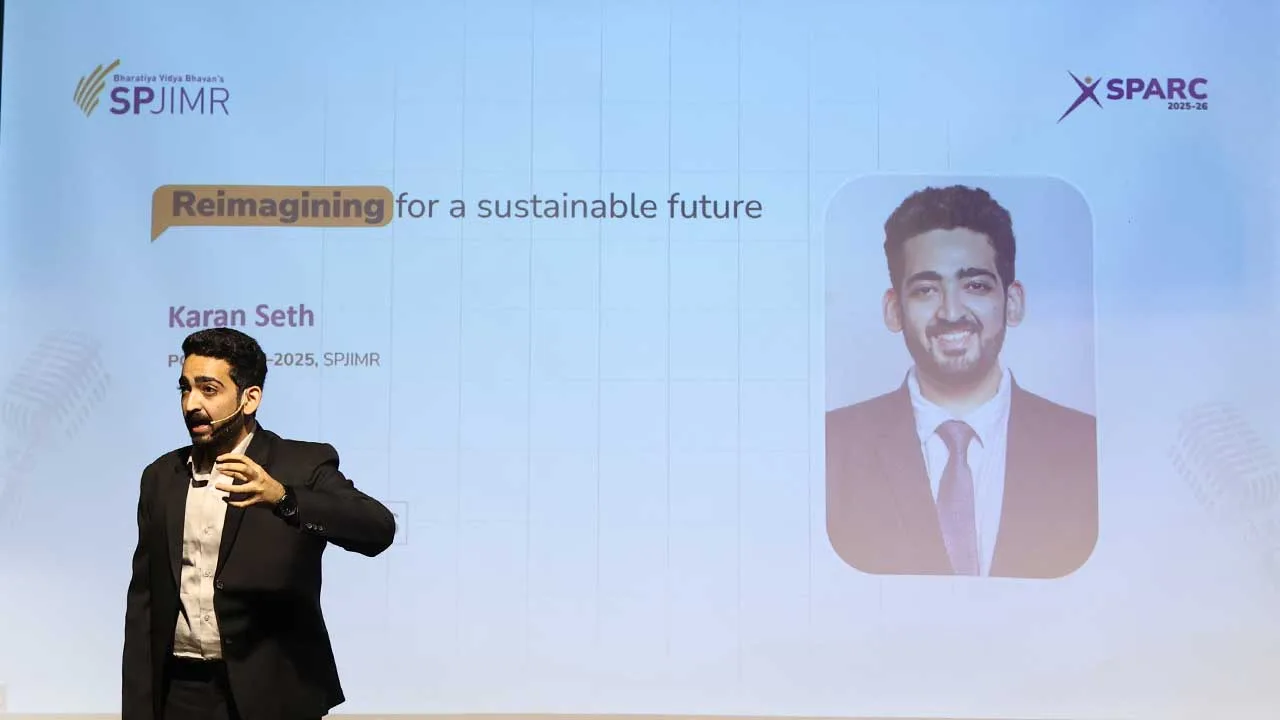
Karan Seth
PGPM 2024–2025, SPJIMR
“When we meddle too much with nature, there is always a response—sometimes from the environment, sometimes from society itself.”
Karan Seth’s commitment to sustainability stems from a deeply personal survival story, compelling him to ask: Can we build systems that are both healthy and sustainable? When faced with a financial crisis, he successfully reimagined farming itself by launching one of Uttar Pradesh’s first indoor vertical farms. This innovative system used 90% less water, prevented soil erosion, and rapidly achieved profitability, proving that sustainability and financial viability can coexist.
This transformative entrepreneurial experience now informs his perspective as a business student, driving him to actively promote sustainable ventures and a zero-tolerance attitude toward resource wastage. Karan’s journey is a powerful case study for our future leaders, illustrating how combining innovation with intent can transform complex environmental challenges into viable and sustainable business opportunities..
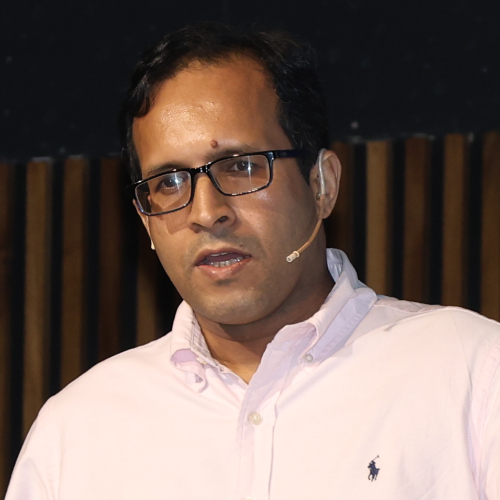
Manas Rath
Founder and CEO, LEAP Cities
“Sustainability means sustainable for all three: economy, society, and environment. True sustainability is a spiritual journey.”
Manas Rath’s work focuses on reimagining the foundational structure of urban life, advancing inclusive and regenerative ecosystems through his work at LEAP Cities and the Mumbai Doughnut CoLAB. He applies systems thinking and the Doughnut Economics model to redesign cities, aiming to meet social foundations without breaching ecological ceilings, thereby creating urban environments that are both liveable and sustainable. His deep involvement with SPJIMR’s WISE Tech further supports student ventures in embedding sustainability and mission-driven goals into their innovation pipeline.
He brings a uniquely holistic perspective to the sustainability discourse, where system-level change is balanced with the mindful leadership reflected in his practice of Reiki. This blend of structural innovation and personal grounding offers a powerful model for our students, demonstrating that the most effective leaders of a sustainable future must possess both the technical expertise to redesign complex systems and the personal balance to lead with conscience and clarity.
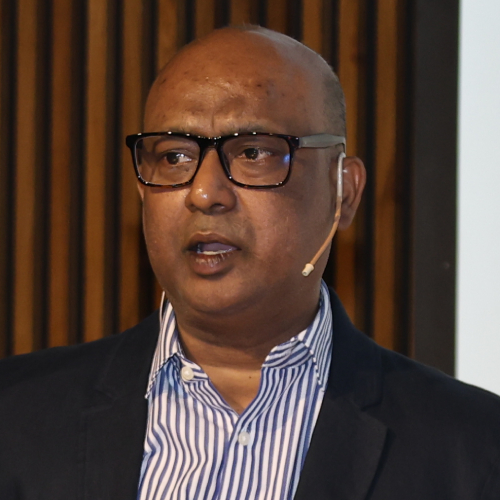
Pinaki Laskar
AI Researcher, Inventor, Futurist Speaker, XAI Author and Thought Leader, Spatial Computing Savant
“Every AI application consumes energy, so sustainability must be central to how we design intelligence. The real question is not just how intelligent AI becomes, but how responsibly we build it.”
Pinaki Laskar is at the forefront of ‘reimagining for a sustainable future’ by integrating ethical and sustainable principles into the very fabric of artificial intelligence. He champions AI as a ‘causal machine intelligence’ capable of mitigating anthropogenic global risks and fighting climate change, specifically advocating for its use in renewable energy optimisation and accelerating the discovery of sustainable materials. His approach positions AI not as a business tool alone, but as an essential element of climate action.
As an expert and distinguished inventor in AI and Ethics, he emphasises that the most successful AI projects must be founded on trust, transparency, and robust ‘AI guardrails’. His vision of ‘Trans-AI’ seeks to augment human intelligence to foster an inclusive, intelligent world with a healthy environment, providing a critical perspective on how to innovate safely, securely, and sustainably with emerging technologies.
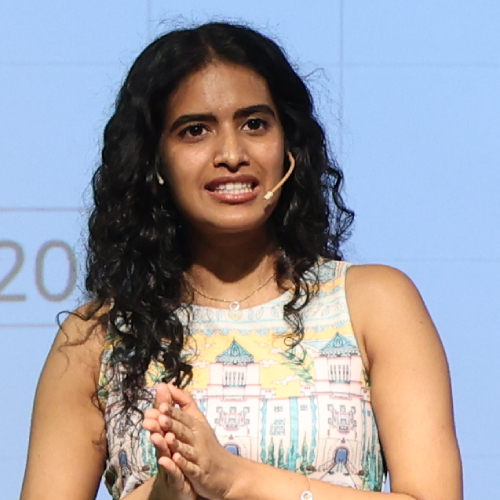
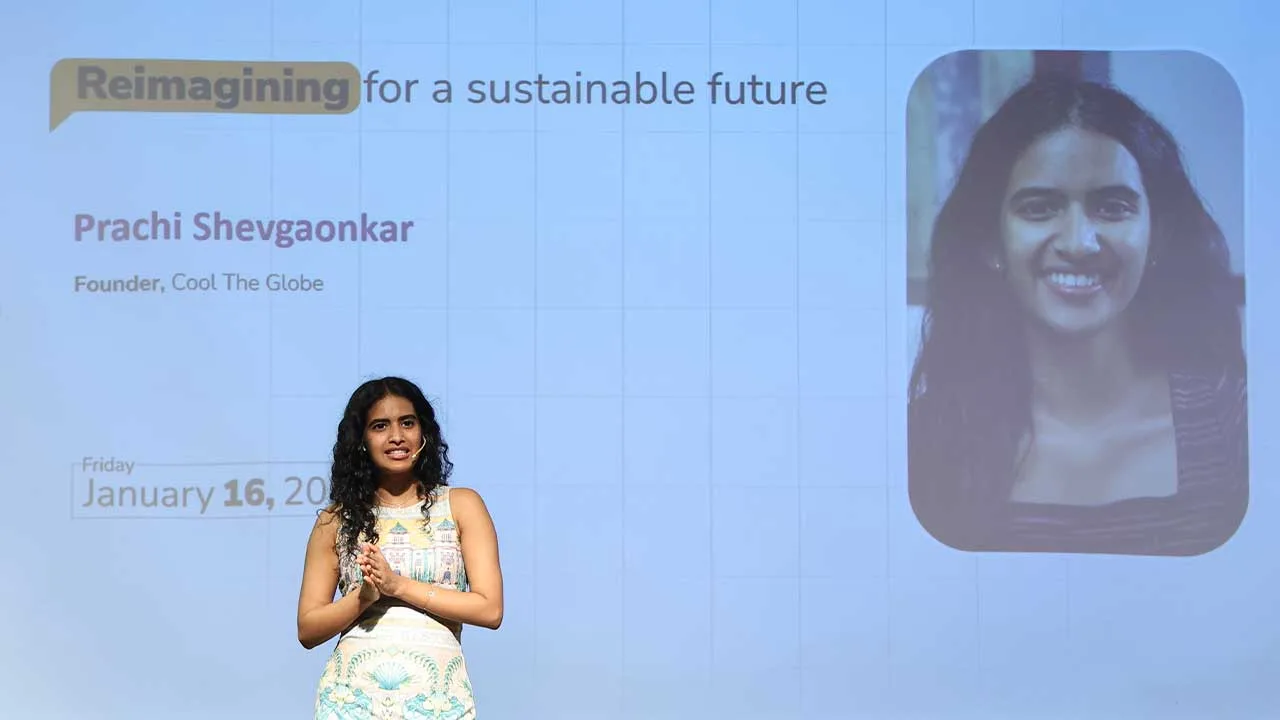
Prachi Shevgaonkar
Founder, Cool The Globe
“Climate change shows up differently in every community, but it affects everyone. The moment I could measure the impact of my actions, climate action became empowering—not overwhelming.”
Prachi Shevgaonkar is the face of youth-led climate action, demonstrating how technology can reimagine individual accountability into a collective, systemic force for good through her founding of the ‘Cool The Globe’ app. The app allows users in over 100 countries to track their daily GHG emissions saved, displaying the power of community action on a global meter and translating personal efforts into quantifiable collective impact. She has been recognised globally, including as a Forbes 30 Under 30 Asia recipient and a COP27 Young Scholar.
Her journey is one of impactful advocacy, travelling across India to document climate change effects on communities, which grounds her work in real-world challenges. Serving as a Climate Change Advisor to Tata Power, she exemplifies how youth leadership and digital innovation can be scaled up to drive corporate and citizen engagement, making her an inspiring voice on systemic change driven by individual vision.

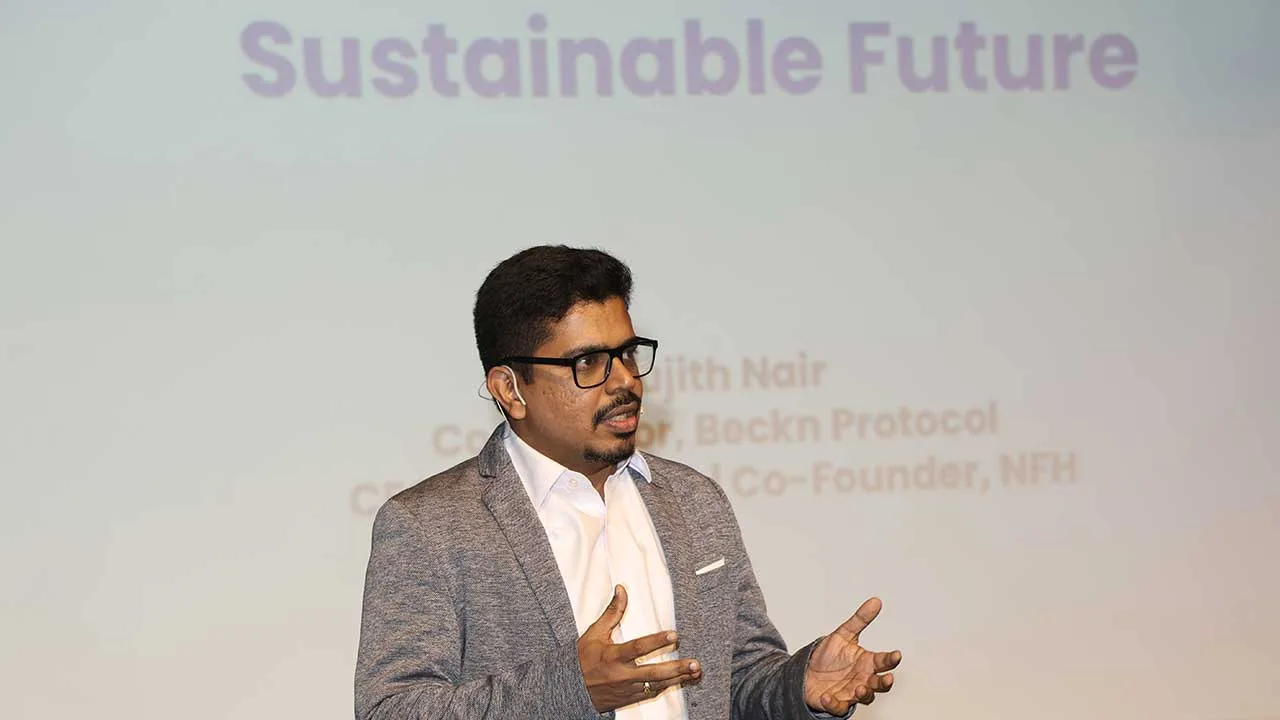
Sujith Nair
CEO and Co-founder of FIDE
“Sustainability is not a planet problem—it is a humanity problem, and solving it requires coordination at the population scale. Innovation alone is not enough; infrastructure is what allows solutions to scale sustainably.”
Sujith Nair’s work is a profound act of ‘reimagining’ the digital ecosystem itself, focusing on building sustainable and inclusive growth through open, decentralised digital public infrastructure like the Beckn Protocol. This technology enables open networks such as ONDC and Namma Yatri, which foster a more equitable and resilient local economy by challenging centralised monopolies and ensuring service providers retain more earnings. This model promotes economic and social sustainability for millions of small businesses.
Crucially, he co-created the global vision for the Digital Energy Grid (DEG), an initiative that aims to accelerate the clean energy transition by establishing an interoperable digital infrastructure for the energy value chain. The DEG vision includes enabling transparent carbon accounting and smart grid management, proving that decentralised technology can be leveraged for major environmental and climate action sustainability.

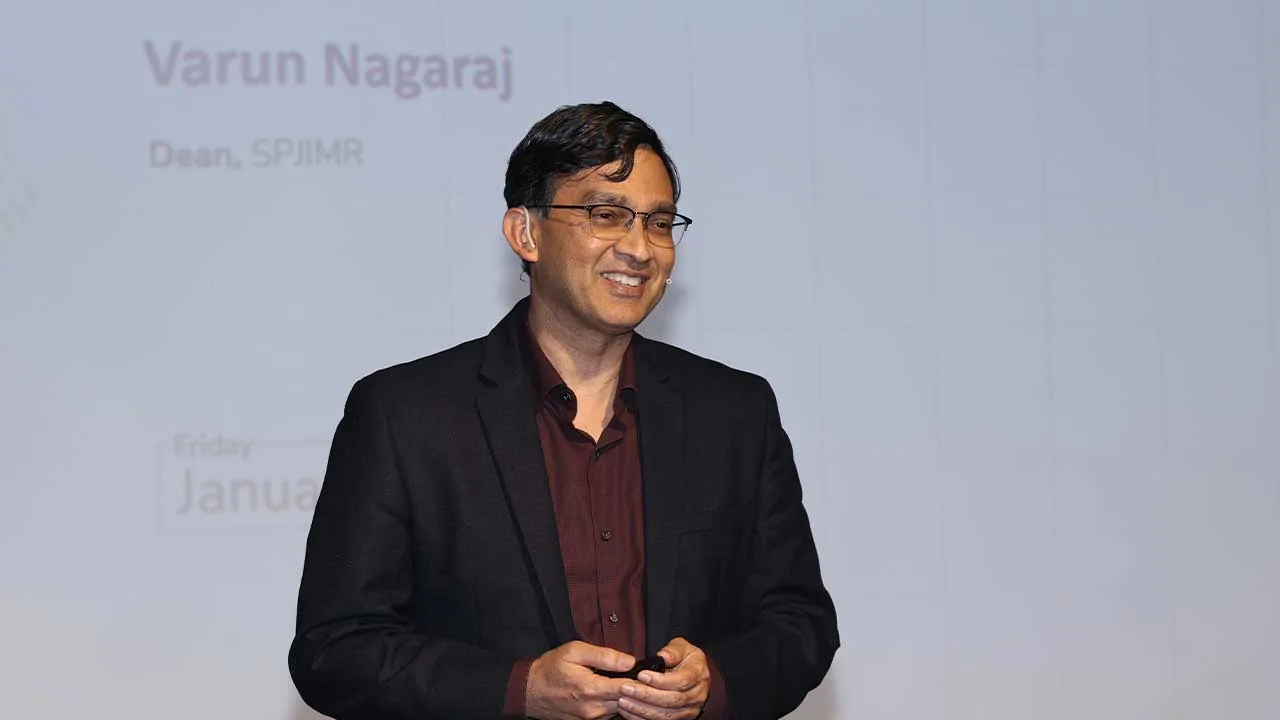
Varun Nagaraj
Dean, SPJIMR
“Sustainability means being able to keep doing what we are doing—without exhausting the future. Before imagining a better world, we must first protect what we already have. And to build that future, a flourishing individual needs five things: positive emotions, engagement, relationships, meaning, and accomplishment through learning.”
Varun Nagaraj, Dean of SPJIMR, is actively reimagining management education to develop a new generation of leaders who practise ‘wise innovation’, balancing business success with ethical responsibility, encompassing the three P’s: people, planet, and profit. His Ph.D. in Designing Sustainable Systems informs his academic focus on integrating ethics and sustainability into all digital innovation and business processes, ensuring future CEOs lead with both competence and conscience.
Under his guidance, SPJIMR has become a living laboratory for sustainability, championing initiatives like the SPJIMR WISE Tech for social-impact ventures and implementing comprehensive zero-waste campus operations through a solid waste management system. Dean Nagaraj’s work underscores the institutional commitment to not just teach but embody the principles of responsible, positive, and lasting societal and environmental impact.

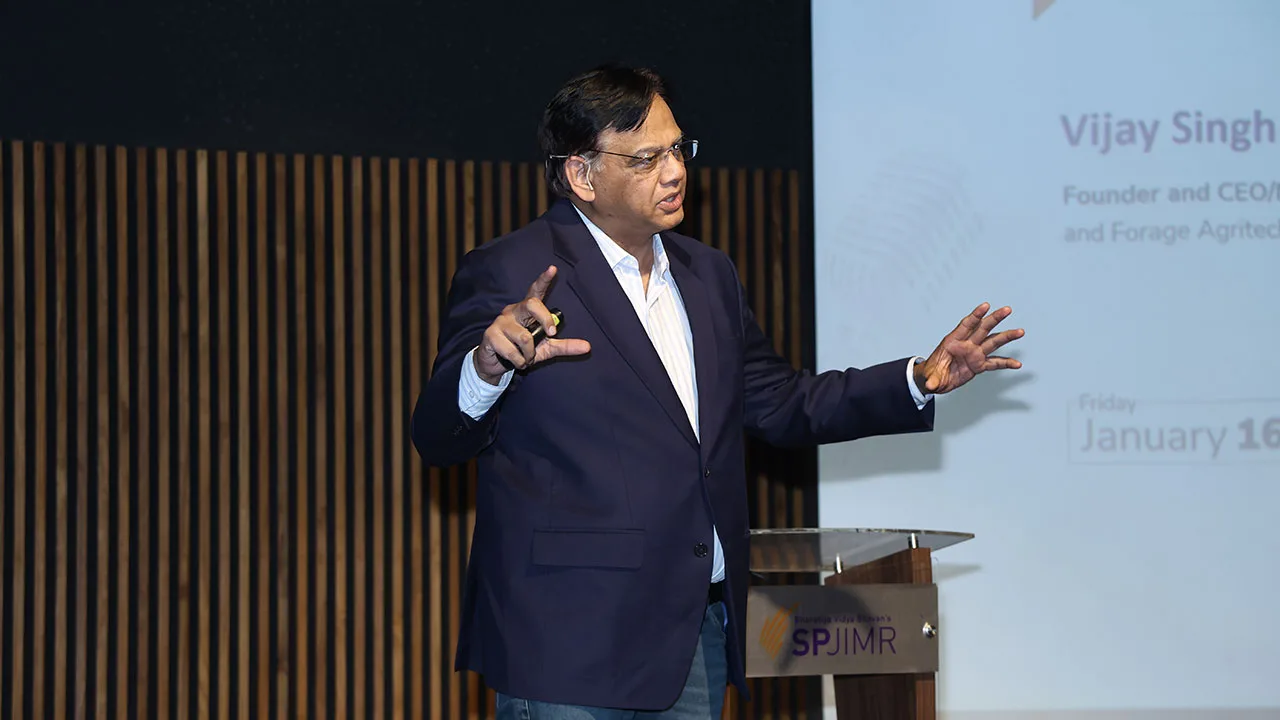
Vijay Singh
Founder and CEO/MD of Shunya Fodder and Forage Agritech Private Limited
“Build an ecosystem where profit is created because the people you impact are also prospering. True sustainability is when economic success and social impact grow together.”
Vijay Singh is driving a tech-enabled revolution in agriculture by reimagining India’s dairy sector through Shunya Fodder & Forage Agritech’s ‘fodder-as-a-service’ model, tackling critical issues of water scarcity and resource inefficiency. His advanced hydroponic systems use less than 1% of the water of traditional farming and require minimal land, providing a highly efficient and climate-resilient year-round fodder supply to farmers.
This model promotes environmental stewardship by significantly reducing the carbon footprint, lowering GHG emissions, and decreasing methane from cattle by improving their diet. Economically, the subscription model makes high-quality nutrition accessible, boosting farmer income and empowering rural communities. Vijay Singh is proving that sustainable and localised production is the most viable path for the future of the dairy sector.


