


PGPFMB 36 Regional Immersion at Chandigarh
March 31, 2025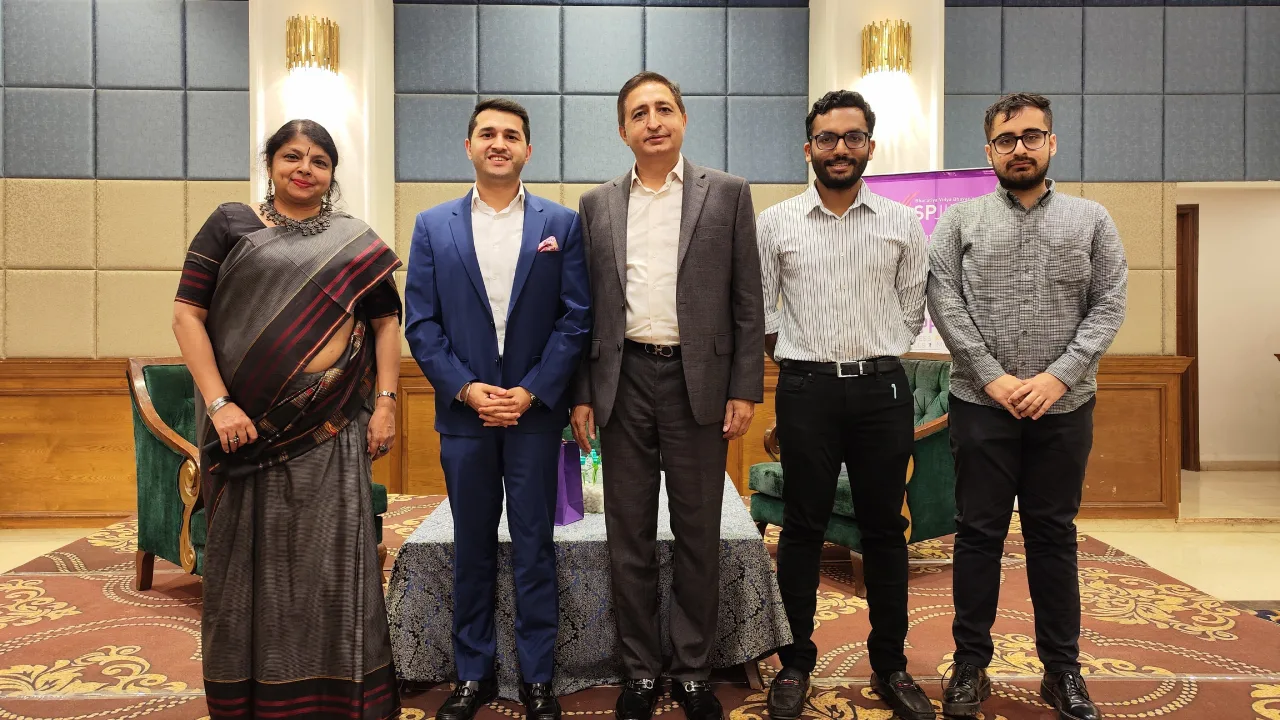
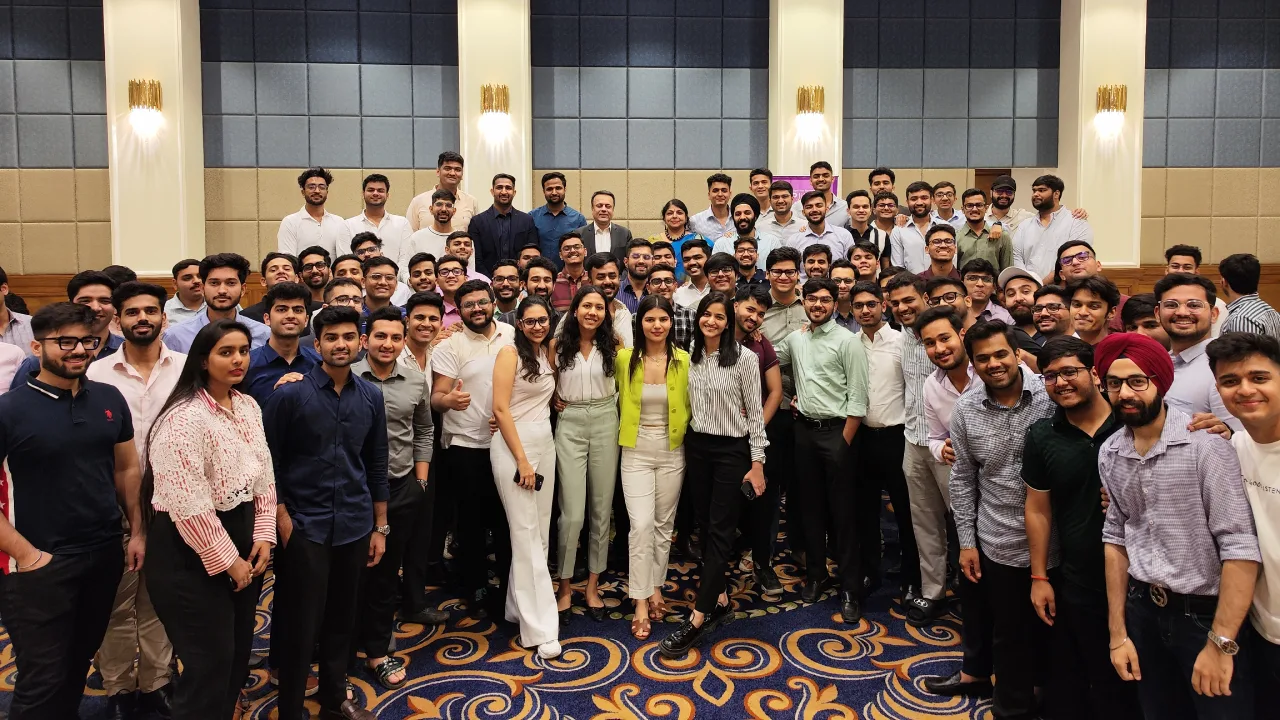
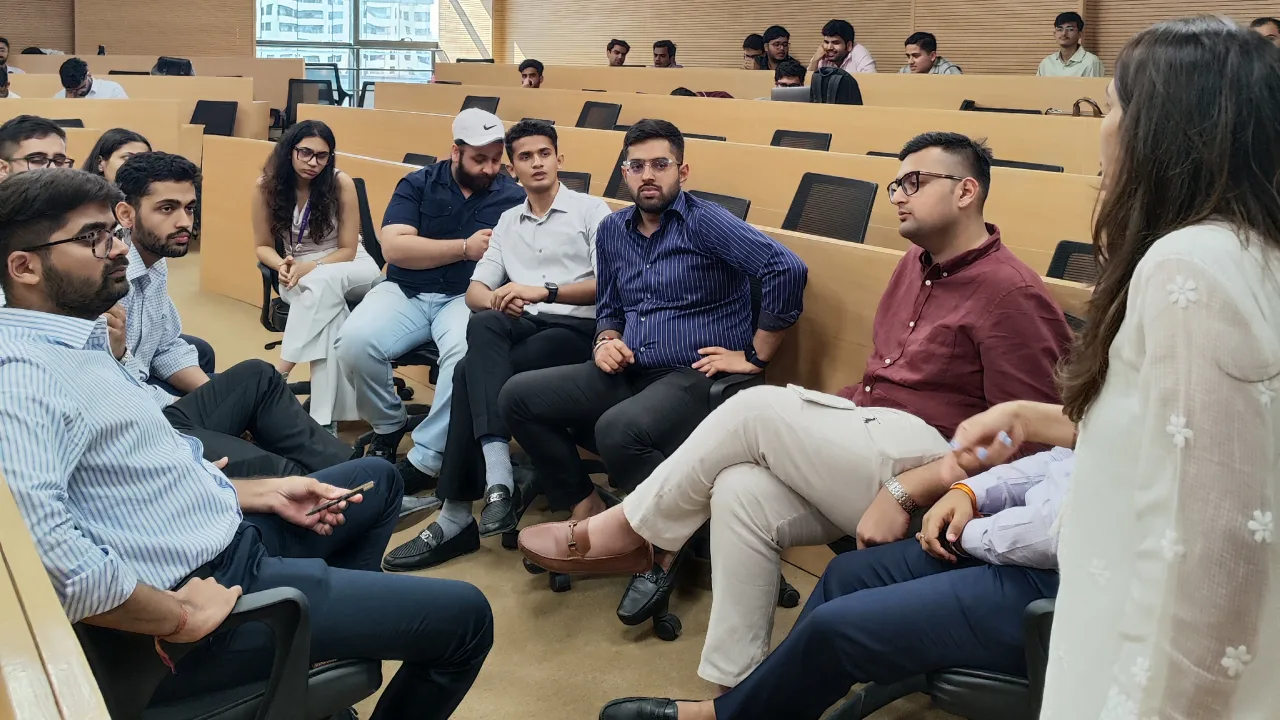
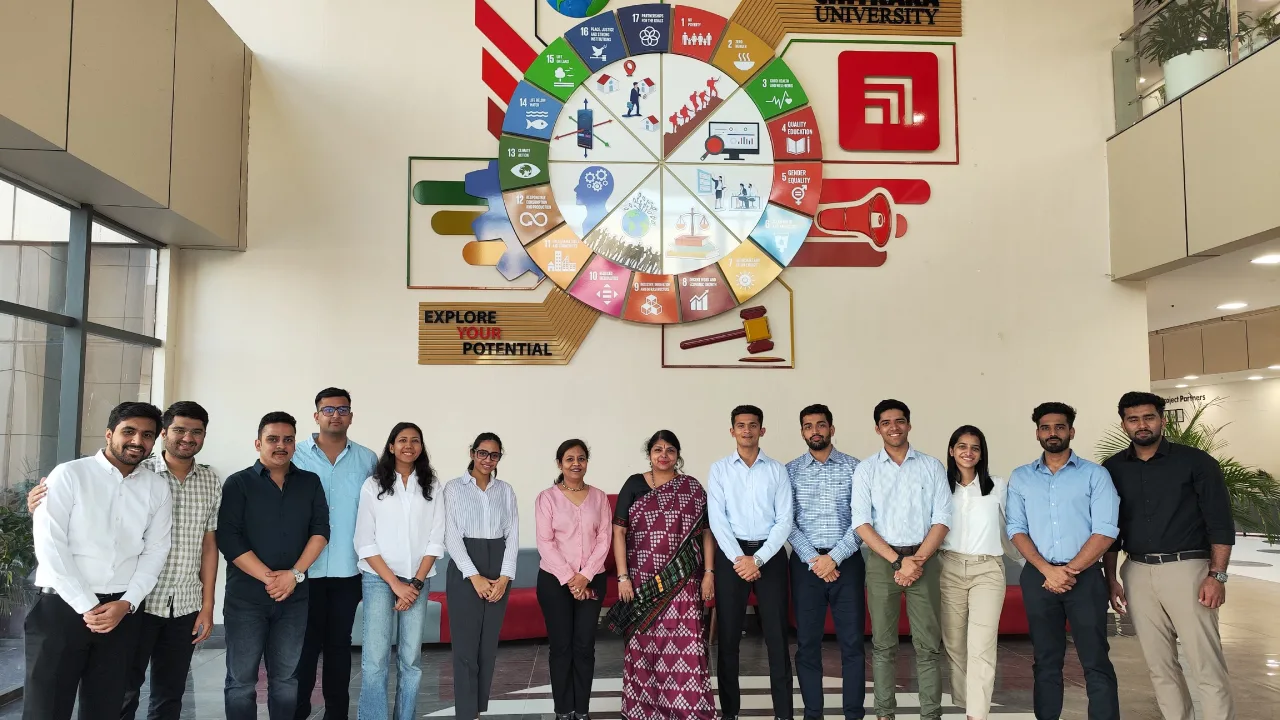
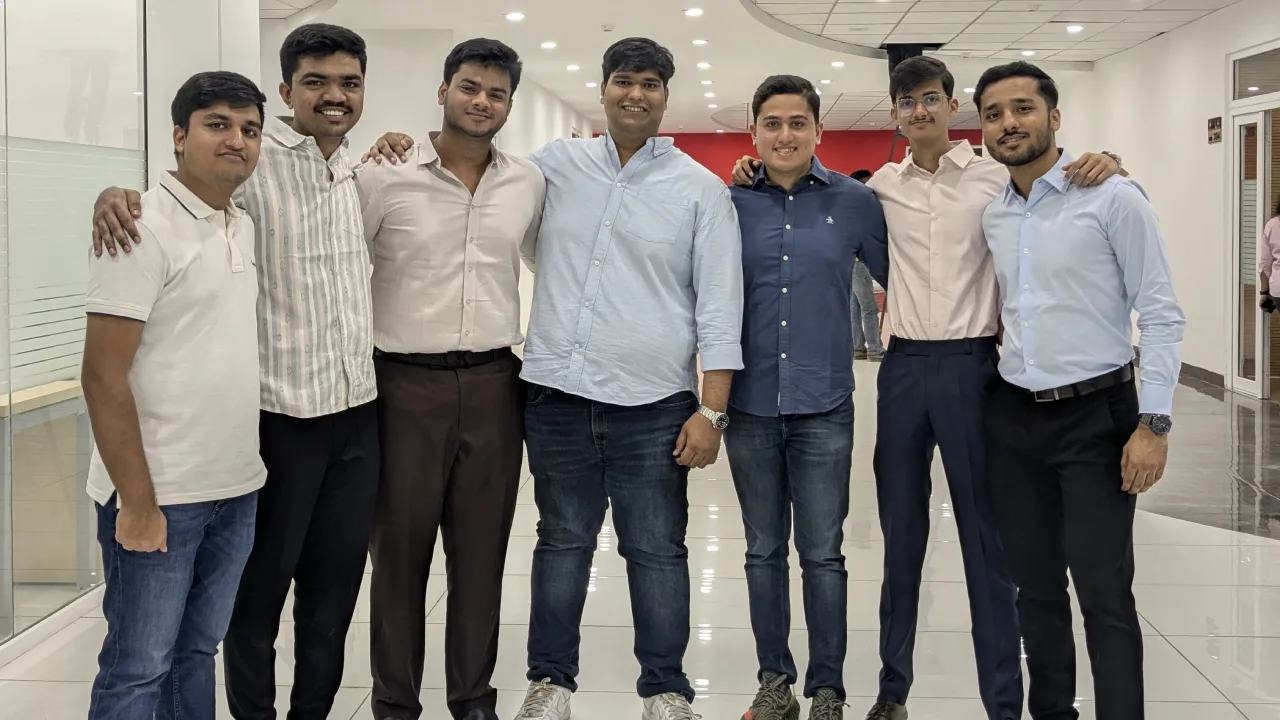
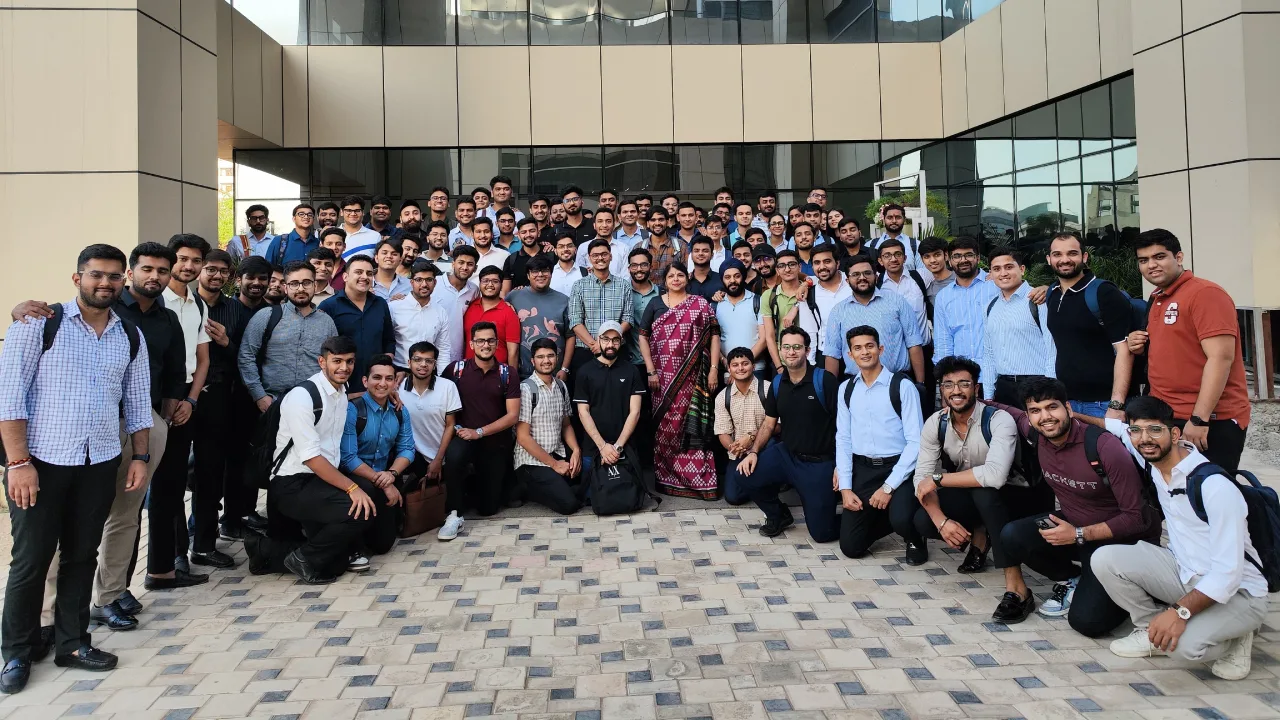
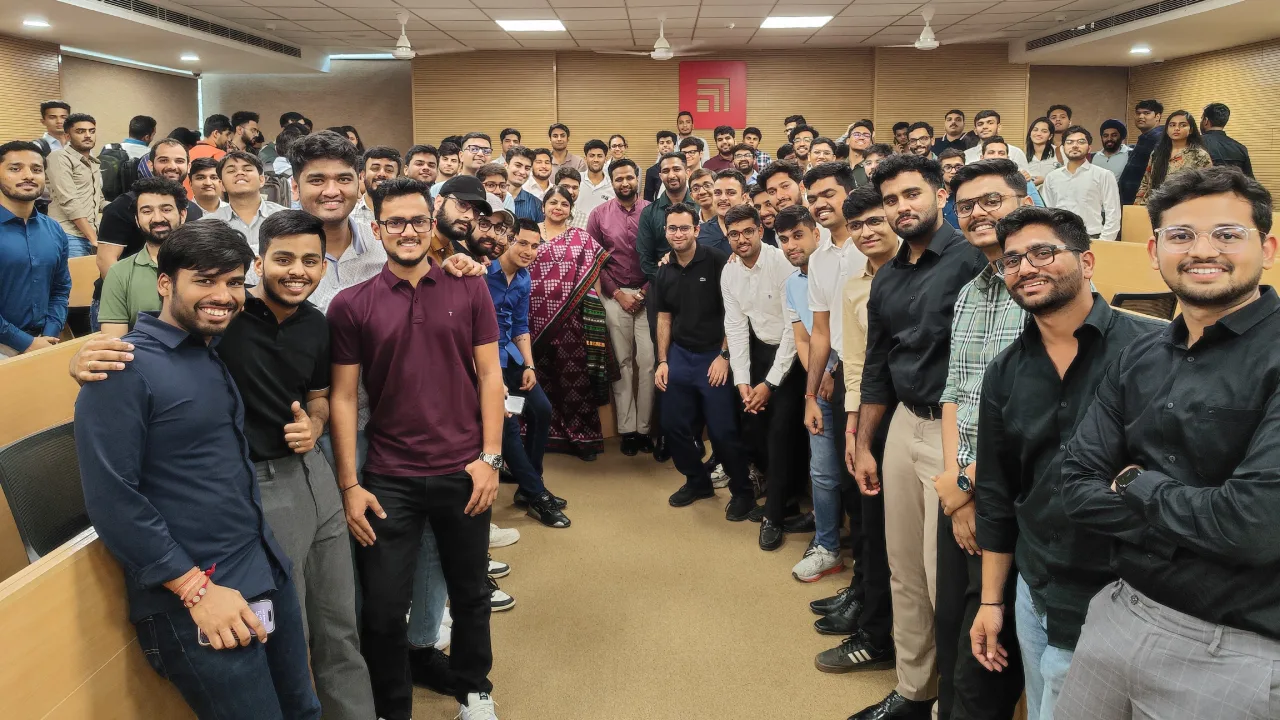
SPJIMR’s Centre for Family Business and Entrepreneurship (CFBE) Regional Immersion is a unique and integral part of the 18-month Post Graduate Programme in Family Managed Business (PGPFMB).
The philosophy behind the Regional Immersion is to immerse participants in Tier 2 cities to understand the context and potential for the expansion of family businesses in these regions. Through talks, panel discussions, Q&A sessions, and industry visits, the immersion also contributes to the broader vision of regional development across India, beyond metropolitan areas.
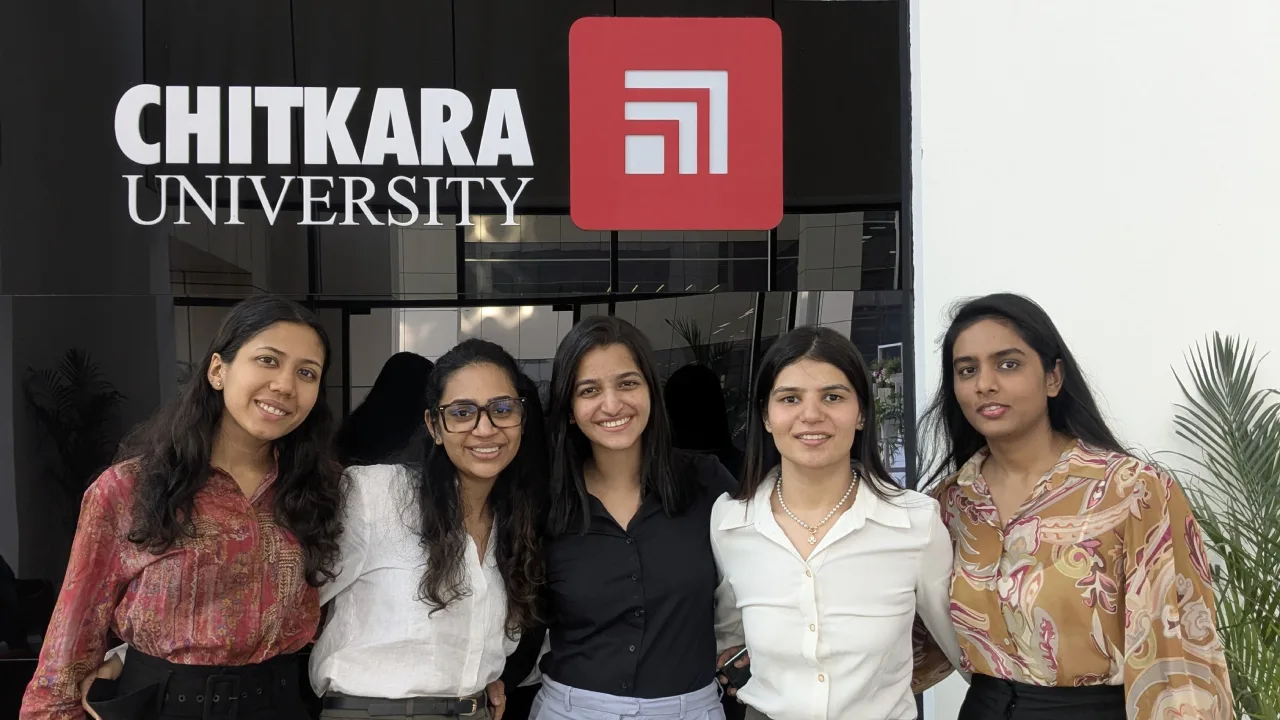
Regional Immersion: Chitkara University, Chandigarh
The PGPFMB Batch 36 had the opportunity to travel to Chandigarh, one of India’s few master-planned cities, renowned for its urban design and architecture. Vibrant with modernisation and cultural growth, the city offered participants wide-ranging exposure and learning opportunities.
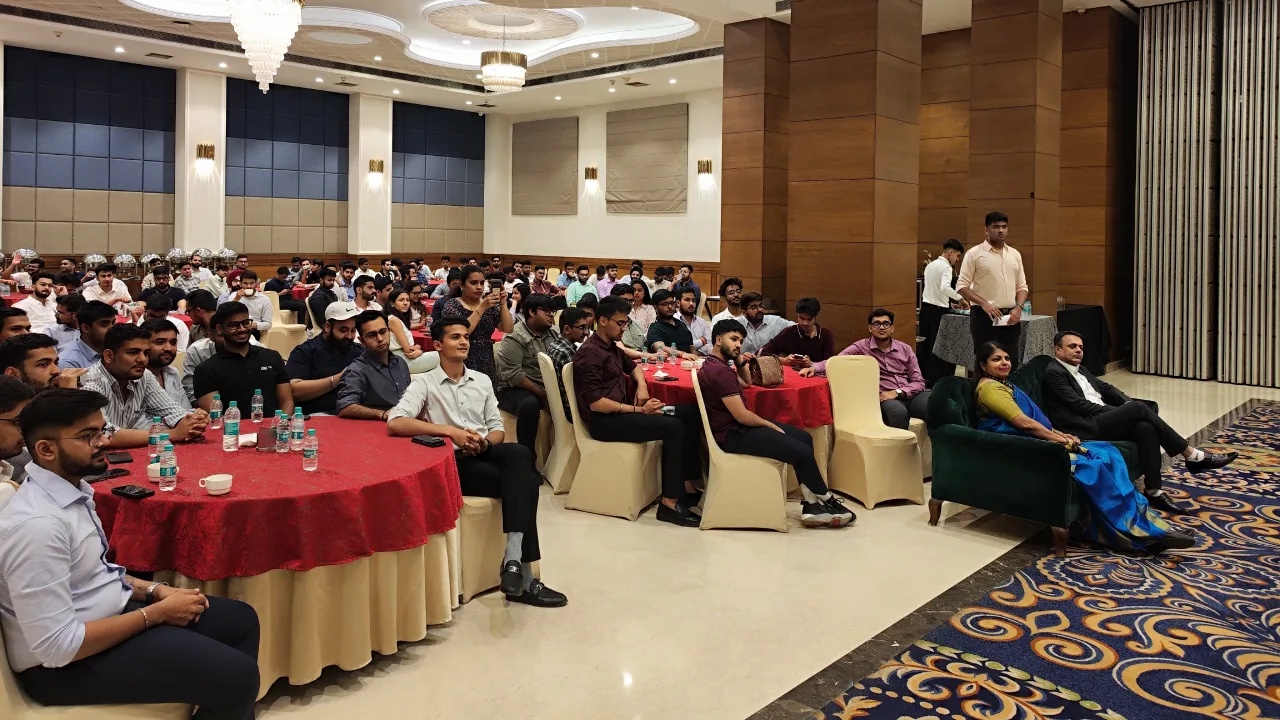
SPJIMR partnered with Chitkara University and extends sincere appreciation to the institution for its warm hospitality and excellent infrastructure provided to the SPJIMR team and students during sessions conducted on their campus. The Chandigarh Regional Immersion featured a series of engagement activities, including fireside chats, interactive sessions, visits to industry and local markets, among other structured experiential learning activities.
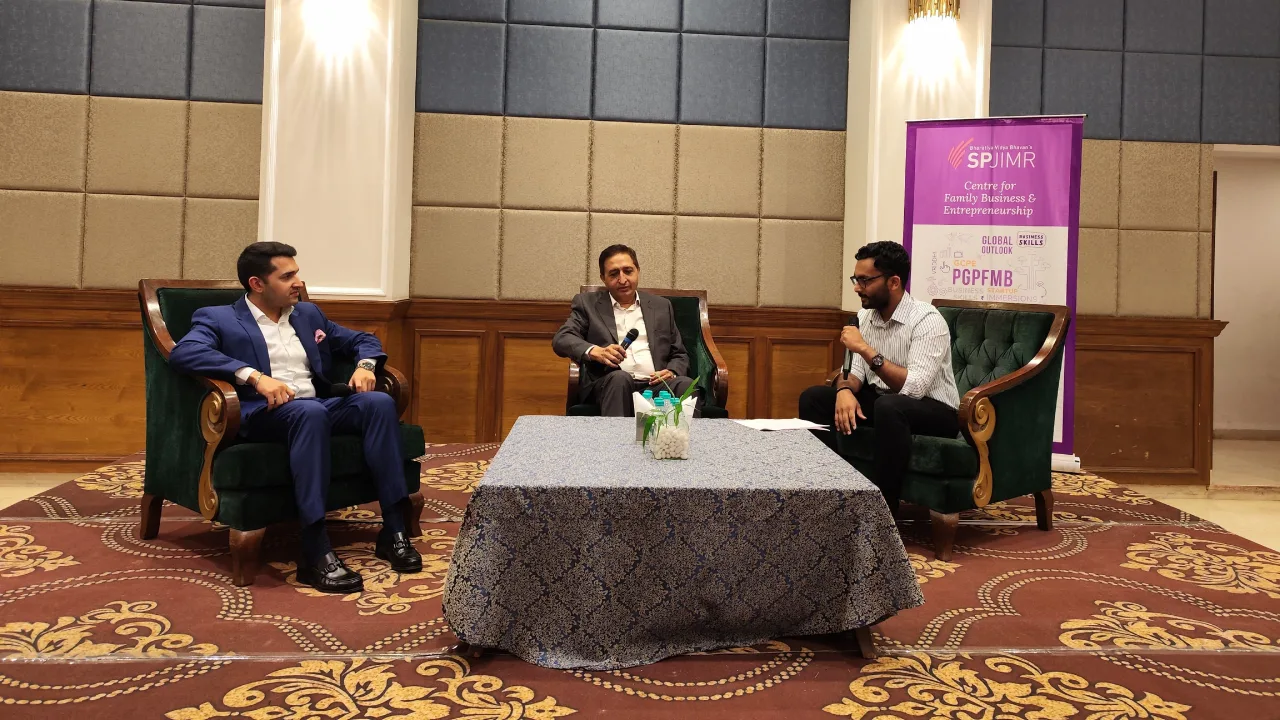
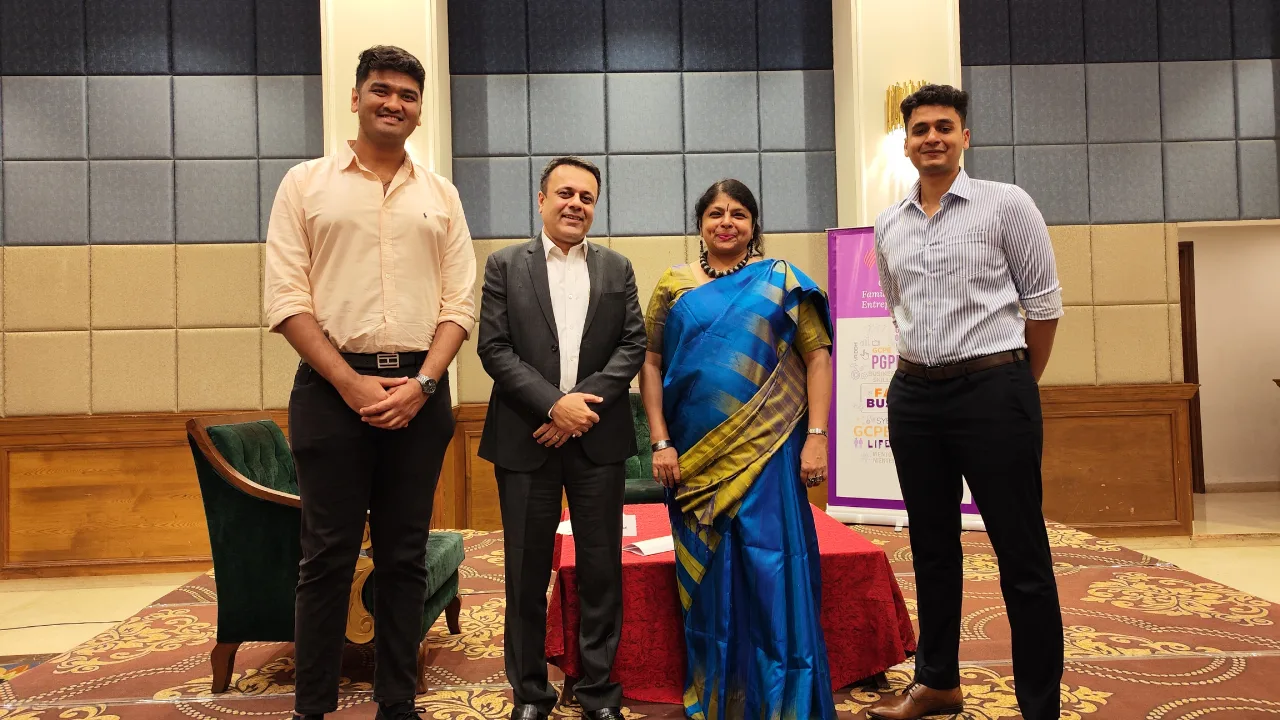
Fireside chat: Mr. Samir Joshipura, Group CEO of Trident Group
Mr. Samir Joshipura, Group CEO of Trident Group, shared valuable insights on professionalising family-run businesses. He emphasised the importance of governance, bridging generational gaps, and maintaining a long-term vision. Mr. Joshipura also highlighted the significance of young leadership, open mindsets, and taking calculated risks, quoting the phrase “risk hain to ishq hain.” He encouraged participants to embrace exploration, innovation, and self-discovery to carve their unique paths in business.
One-on-one with Ms. Sunvi Aggarwal from Scott Edil Pharmacia
The participants had an interesting interaction with Ms. Sunvi Aggarwal from Scott Edil Pharmacia. One of the key points she shared was the importance of patience. She stated that in the initial phase, it’s essential to keep oneself engaged by trying out different tasks and asking as many questions as possible. While there may be disagreements with the elder generations, it’s crucial to stay curious and focus on discovering what truly drives you.
Session: The Force behind Emmforce
Mr. Ashok Mehta and Mr. Azeez Mehta shared their inspiring entrepreneurial journey in their session, ‘The Force behind Emmforce’. Mr. Ashok spoke about his deep-rooted passion for axle shaft manufacturing and the business’s growth through dedication and vision. Mr. Azeez discussed his early venture into e-commerce during college and his role in systemising the family business with MIS reports. He emphasised the support received from his father, the effective use of the 80-20 rule in decision-making, and the importance of trust, clear roles, and aligned vision in family dynamics. Together, they highlighted the balance between experience and experimentation, prioritising relationships over profit, and leveraging technology to scale operations.
Interaction with Mohali Industries Association
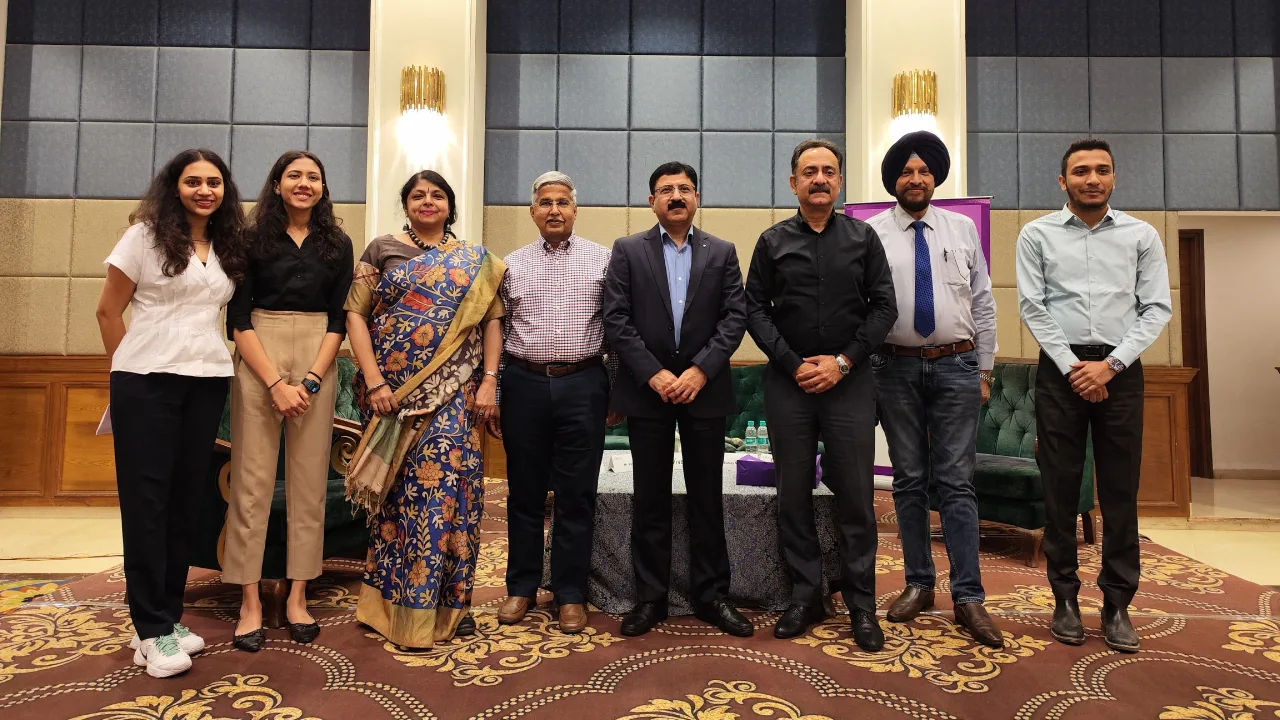
Participants had an insightful interaction with members of the Mohali Industries Association, including Mr. Vivek Kapoor, Mr. Rajeev Gupta, Mr. Gurdeep Singh, and Mr. Sanjay Malhotra. Mr. Kapoor spoke about Ludhiana’s industrial growth and Mohali’s emergence as an IT hub, backed by strong government incentives. Mr. Gupta emphasised the focus on food-based industries, Chandigarh’s accessibility, and the region’s rich cultural and tourism potential. Mr. Malhotra introduced the 5F model (farm to foreign), spotlighted the Trident Group’s contributions, and discussed sustainable practices and data-driven operational tools. Mr. Gurdeep Singh elaborated on government policies, the rise of defence manufacturing, MSME ZED certification, and the urgent need to address the skill gap in automation and robotics.
Industry visits
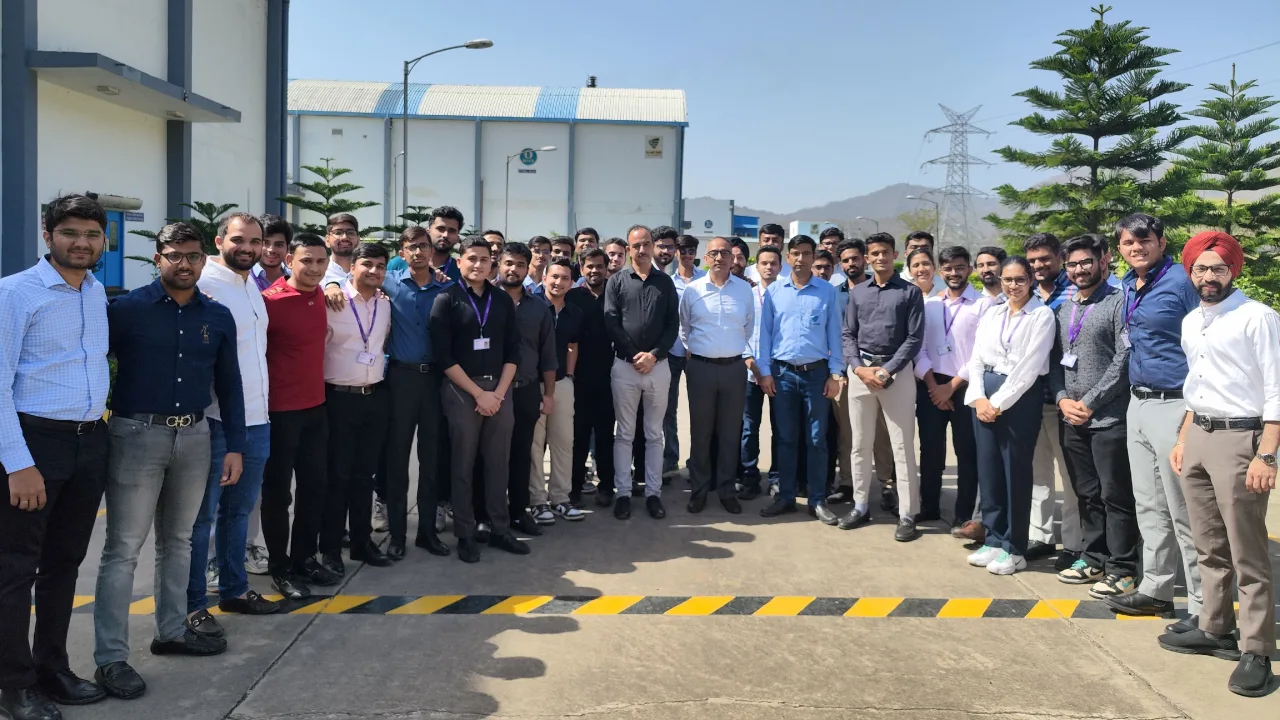
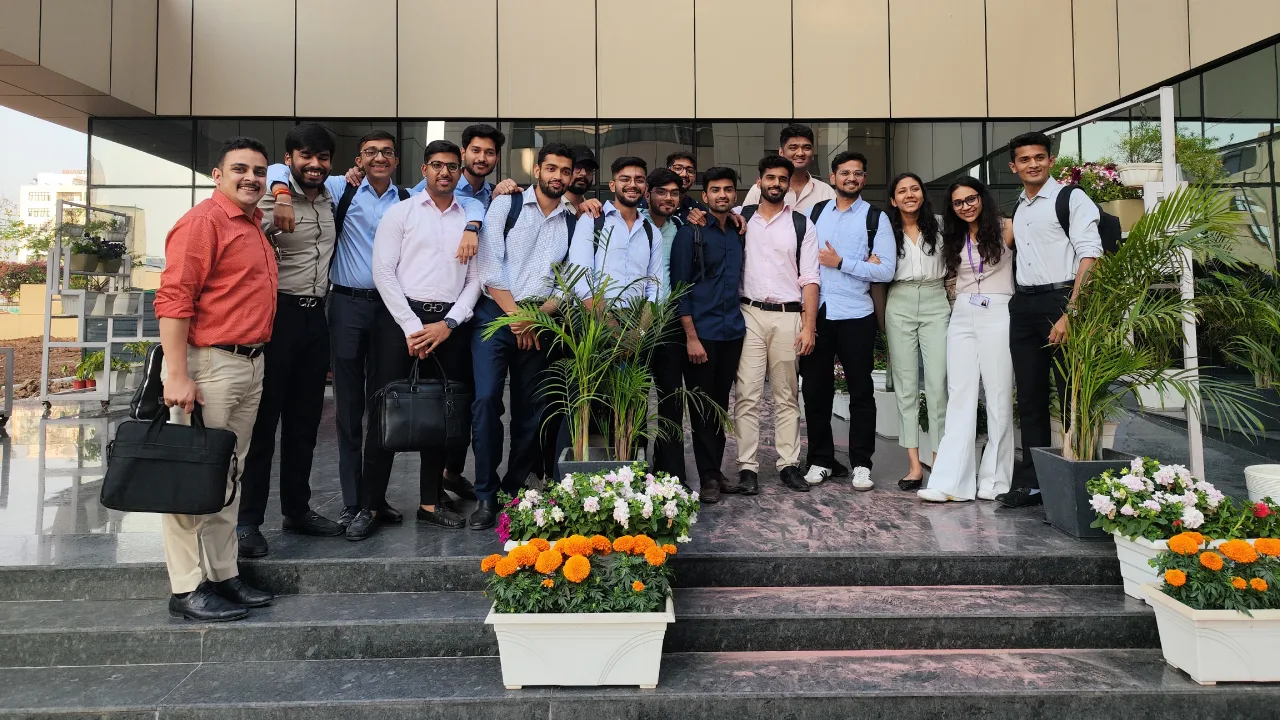
As part of the industry visits, participants explored Scott Edil Pharmacia Pvt. Ltd., where they gained a comprehensive understanding of pharmaceutical manufacturing processes, including grinding, compacting, filling, and capsuling. They also observed the QAQC labs and various stages of packaging — primary (bottle filling and labelling), secondary (cartoning), and tertiary. The group also learned about the production of injectables, the classification of aseptic areas, and QC lab testing procedures.
At Steelbird, participants explored the helmet manufacturing process, from factory operations to lab testing. They understood the critical importance of helmet safety, especially Steelbird’s standards, and observed each stage of production, including labelling, covering, and fitting—emphasising the value of precision and compliance in manufacturing.
Final destination: the local markets
In addition to academic and industrial exposure, participants visited local markets as part of an assignment to explore longstanding local businesses and gain insights into their operations and sustainability over the years.
Regional Immersion holds a vital place in the PGPFMB curriculum as a mandatory component, helping participants explore business opportunities, study in different cities, and understand how local markets function. It enables them to build strong networks, gain practical insights, and adopt key learnings relevant to their own family businesses.
Events such as fireside chats and one-on-one interactions with business owners offer unique perspectives and open new avenues for diversification and development. These immersions are carefully curated to provide participants with a complete understanding of emerging markets and regional business ecosystems, preparing them to drive growth and expansion.
PGPFMB Regional Immersion: Exploring emerging markets in India
Regional Immersion is conducted in Phase II, the advanced stage of the PGPFMB programme. It allows participants to explore Tier 2 and Tier 3 cities in India—regions that are increasingly gaining attention due to their affordability, infrastructure growth, and favourable government policies.
This experience provides unmatched exposure, helping participants understand the potential these cities offer for family businesses. Key takeaways include identifying regional opportunities, developing networks, and discovering scalable business models beyond metros.
SPJIMR’s Post Graduate Programme in Family Managed Business (PGPFMB) is designed to groom next-generation family business leaders for sustainable, organic growth. The programme preserves legacy while empowering participants to make their mark. Conceived and launched in 1997, it is the pioneer of post-graduate programmes for family-managed businesses in India, with over 42 batches successfully completed to date.