

#DoCCDiaries: Coexistence or conflict? The battle between humans and wildlife—lessons from the soil and souls of Bandipur
Asaf Ahmad Shayaan, PGPM-23

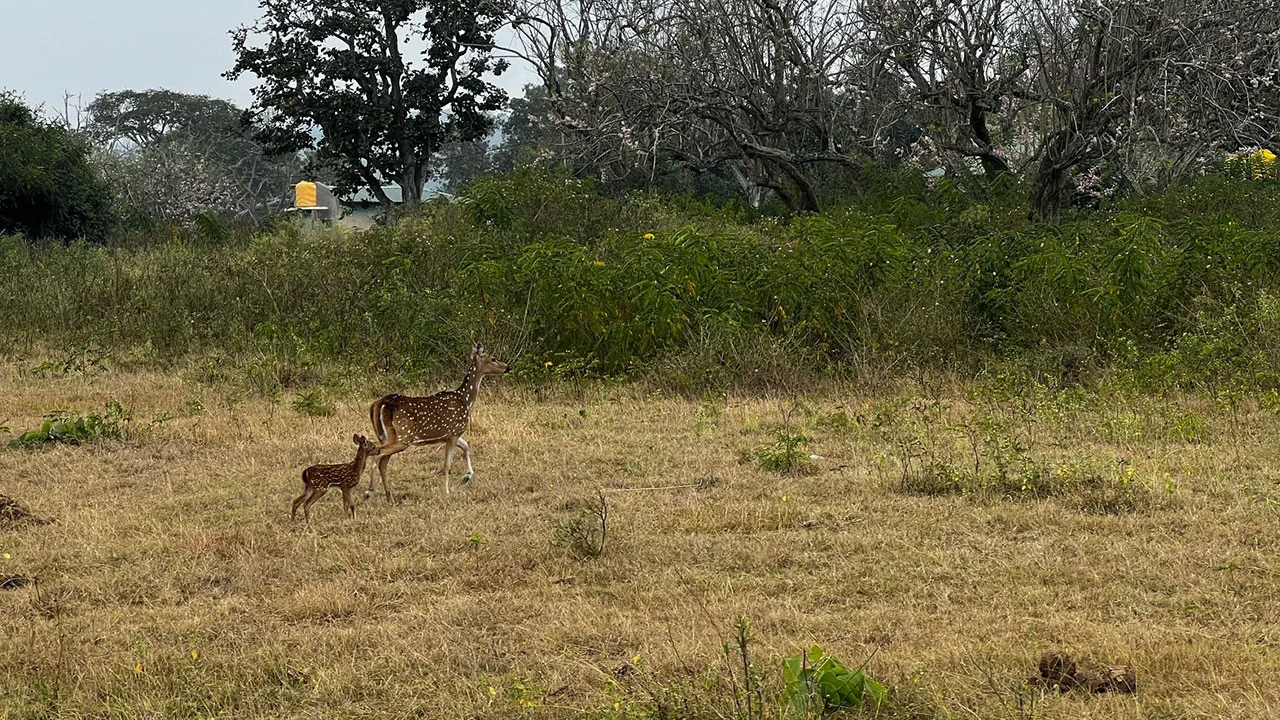

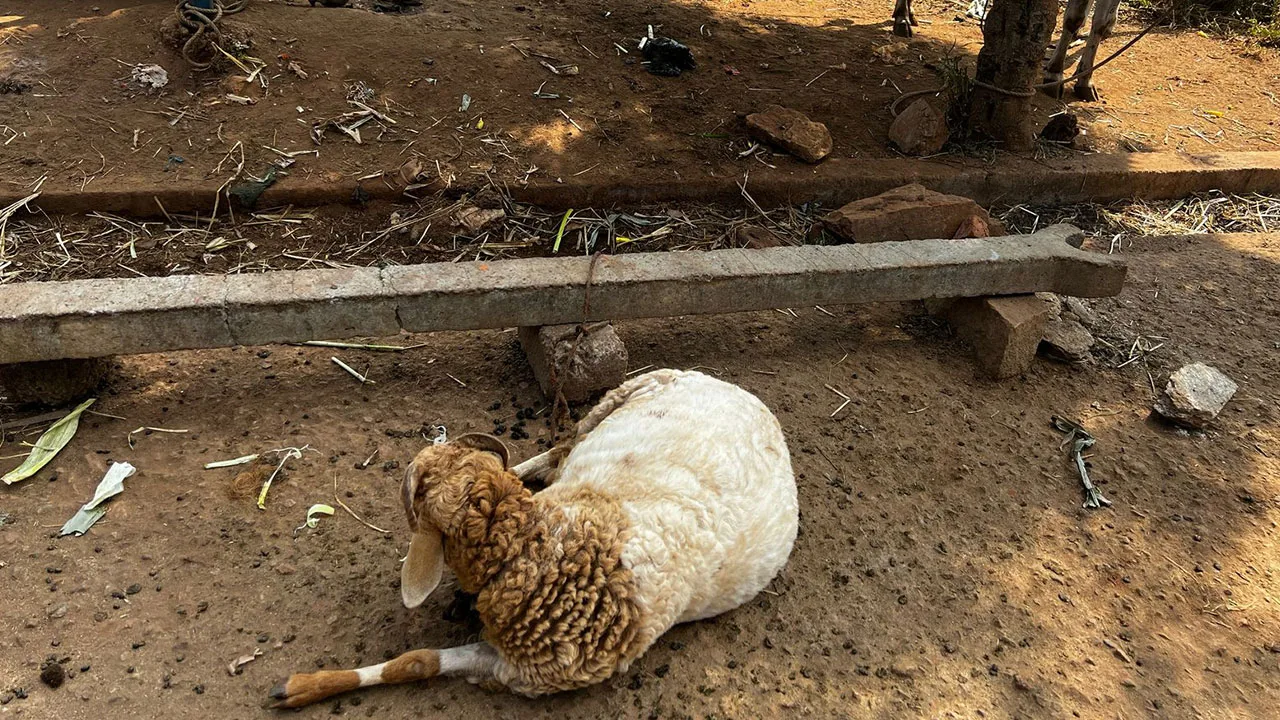
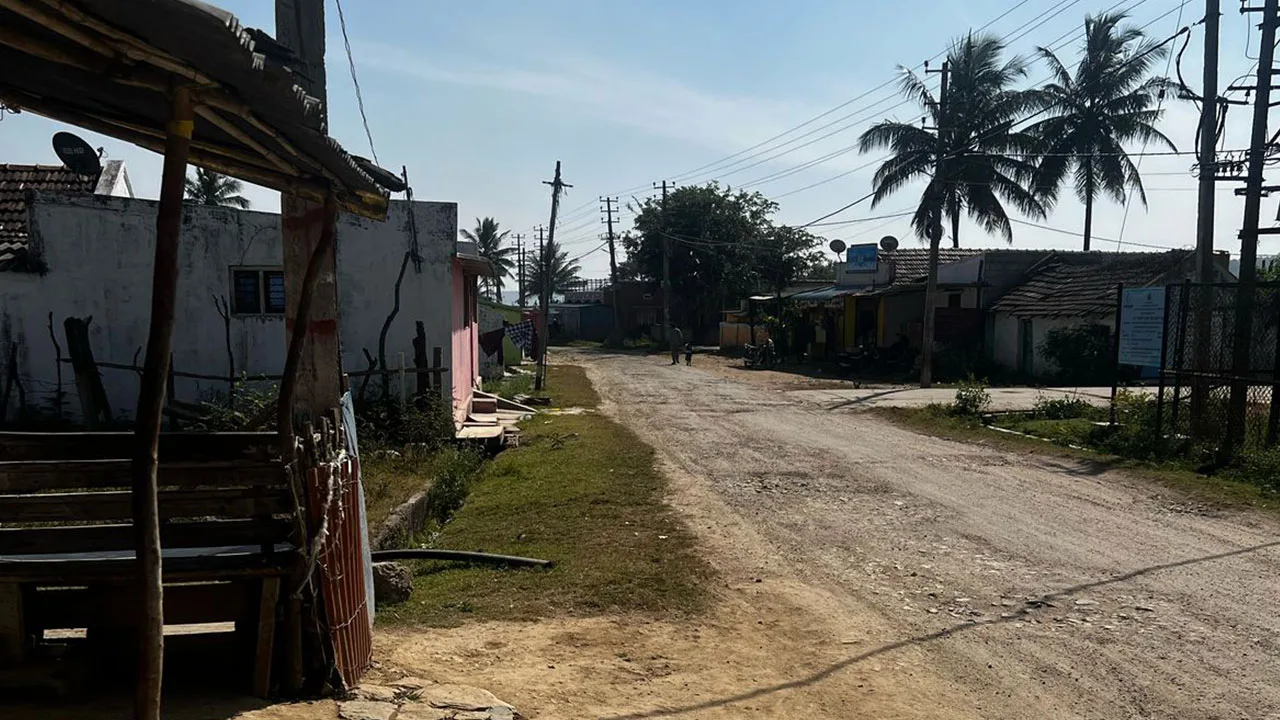


My DoCC social internship at CTRD Trust in Mangala Village, Chamarajnagar, was more than an academic exercise—it was an unlearning. I arrived armed with theories about sustainability and development, but Bandipur’s red soil taught me lessons that no classroom ever could. This isn’t a report; it’s a letter to my former self, the one who believed solutions meant action rather than listening. Bandipur is surrounded by a lush green forest. It was not just about its tigers but also the realm where elephants moved in stately herds, and this is the story of survival between human and wildlife for their coexistence.
The reality of life in Bandipur: During my field work, I got an opportunity to interact with the villagers. A family of three grows onions and garlic on 2.5 acres, spending ₹50,000 on seeds, fertilisers, and tractor rentals—only to lose everything to elephants. A widow I met lost her husband to a tiger attack; now, she washes dishes at a forest resort for ₹150 a day. A Soliga tribal family depends on rain-fed millet farming, but elephants trample their fields. Across villages, people lack fencing, hospitals, and stable incomes. Girls drop out of school, and men spend ₹100 a day on alcohol, numbing their exhaustion.
The widow’s quiet courage changed my definition of bravery. “Fear tastes worse than hunger,” she told me. Yet, when I asked if she’d farm again, she said, “Yes—if the tigers stay away.” I used to think courage was loud; here, it’s waking up and planting seeds despite knowing they may never grow.
I learnt hard lessons from the field that:
- Poverty isn’t just about money—it’s about power.
A farmer’s ₹50,000 debt wasn’t just a financial burden; it was a cycle of helplessness. When I asked why he didn’t protest, he laughed. “Protest to whom? The elephants? The clouds?” - Development without dignity is violence.
A dry borewell isn’t just a failed project—it’s a broken promise. NGOs build toilets without water, schools without teachers, and solar fences that people can’t afford to maintain. True change begins with asking, “What do you need?” and listening. - Hope is a verb.
Hope isn’t passive here. It’s the grandmother collecting dew for drinking water. The brother reading about coffee farming on a cracked phone. The girls studying by flashlight after chores. They don’t wait for change—they create it, one step at a time.
My unlearning:
I arrived believing in ‘empowerment’. But no one here needs me to give them power. They need space to use the power they already have. I thought “resilience” was inspiring. But it’s not—it’s unfair that a 10-year-old must guard crops all night and still walk 4 km to school. I believed ‘impact’ meant reports and charts. Now, I know that impact is—a widow’s daughter holding a diploma or a farmer sleeping soundly because his fence works.
On my last night, a Soliga grandmother pressed a ragi roti into my hand. “Eat,” she said. “You’re too thin.” Then she whispered, “Our gods lived in these forests. Now, they live in our hands.” I don’t know if I believe in gods, but I believe in those hands—calloused, scarred, but unwavering.
The red dust of Bandipur is still in my shoes. Let it stay. Let it remind me: The work isn’t done. This experience became a reality for me because of my DoCC internship.
About Post Graduate Programme in Management (PGPM)
SPJIMR’s Post Graduate Programme in Management (PGPM) is an 18-month AICTE-approved General Management programme, ideal for experienced executives with over three years of work experience. The programme commences with an online module for two months, an on-campus residential module for 12 months, and four months of start-up/social impact projects and international immersion. PGPM addresses the unique needs of accomplished and ambitious professionals/executives seeking career acceleration or transition.