

Sustainable waste management for a better tomorrow
October 1, 2025
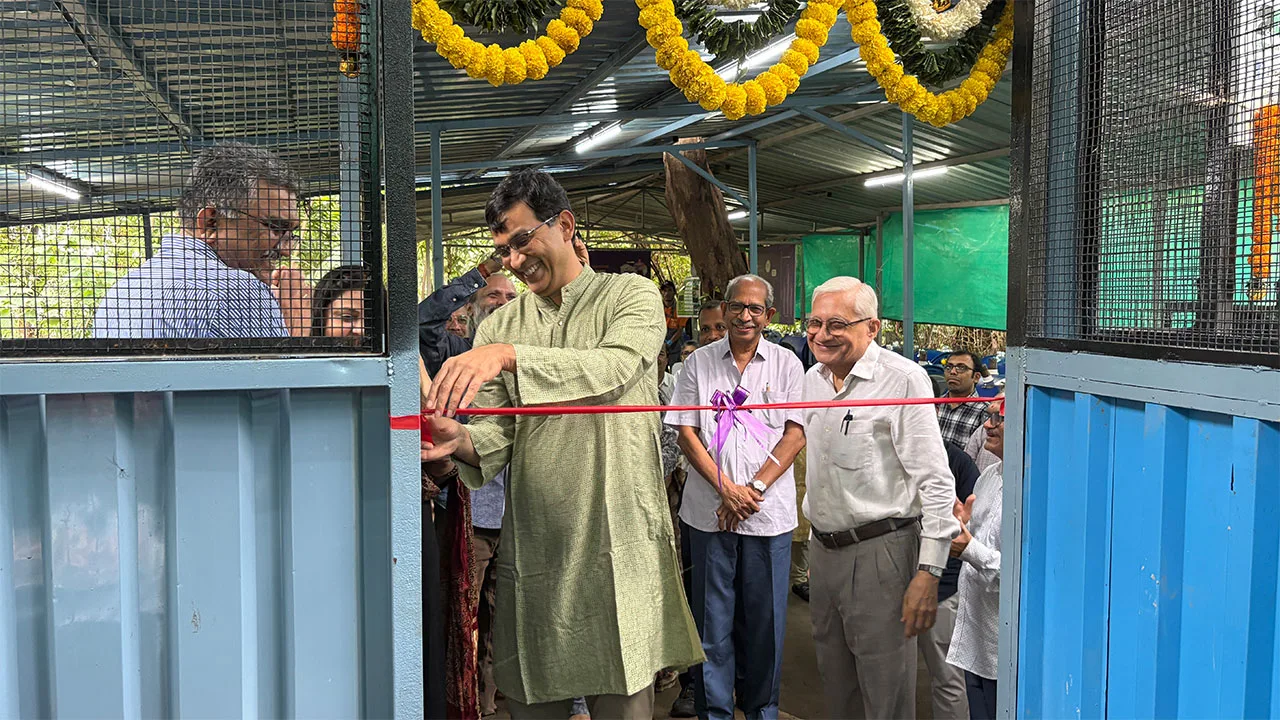
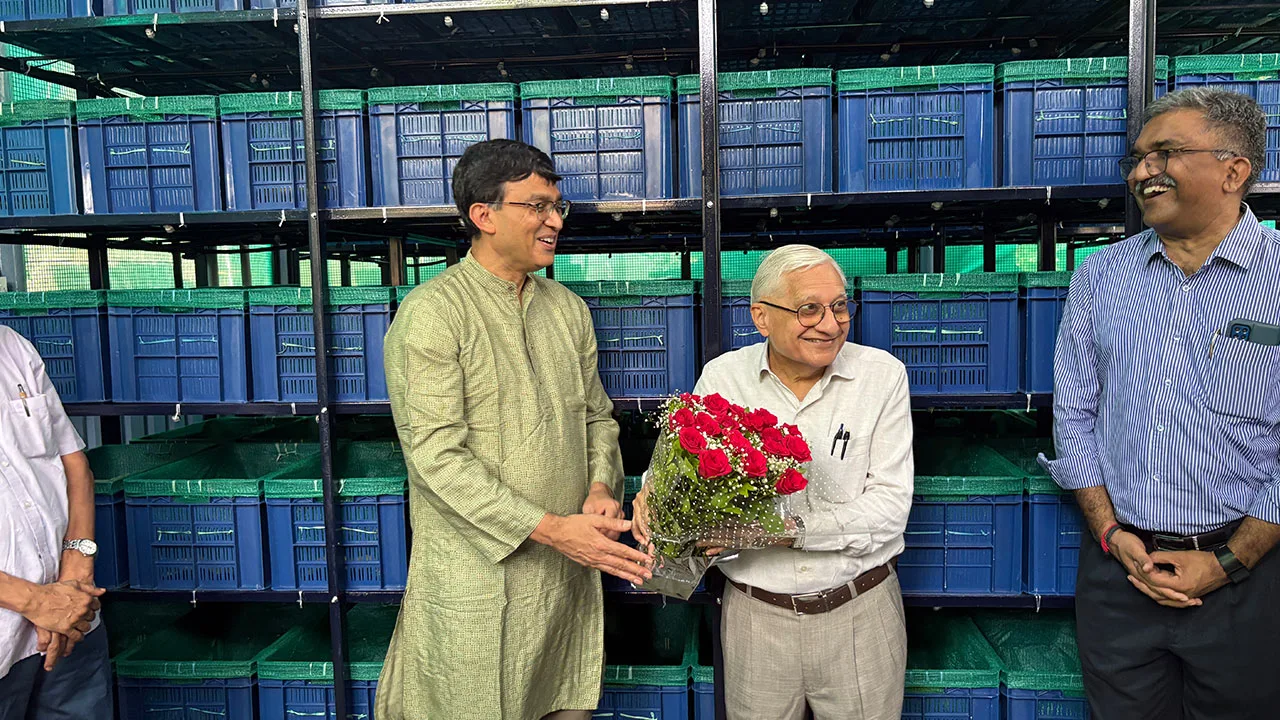
S.P. Jain Institute of Management & Research (SPJIMR) launched a comprehensive solid waste management site that transforms campus organic waste into nutrient-rich compost. Inaugurated by Dean Varun Nagaraj and chief guest Ashwin Shroff, Chairman and Managing Director of Excel Industries Ltd., the initiative underscores SPJIMR’s commitment to environmental sustainability and zero-waste operations.
The event was attended by key leadership across the Bharatiya Vidya Bhavan (BVB) campus, including Niranjan Dhadd, Bhavan’s Campus Director; Prof. Sesha Iyer, Advisor to the Dean, SPJIMR; Dr. B. N. Chaudhari, Principal, Sardar Patel Institute of Technology (SPIT); Mohan Murudi, Principal, Sardar Patel College of Engineering (SPCE); Arun Jagtap, Campus Administrator; Himanshu Joshi from Bhavan’s Nature and Adventure Centre (BNAC); and the SPJIMR leadership team.
“At BVB’s SPJIMR, sustainability is not just a practice but a value system. The solid waste management site reflects our commitment to mindful resource use and environmental responsibility. Converting waste into ‘green gold’ reduces our ecological footprint while cultivating a culture of sustainability across our community,” said Deepak Alva, Chief Administrative Officer, SPJIMR.
Converting waste at source
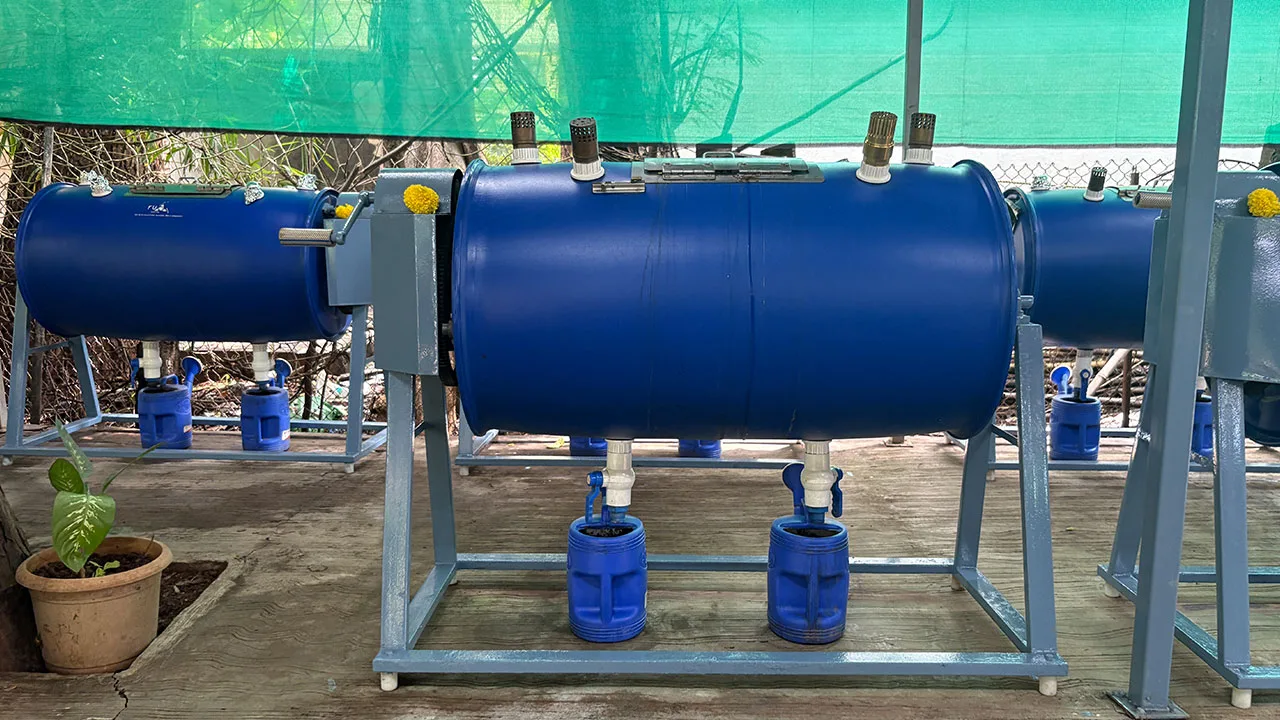
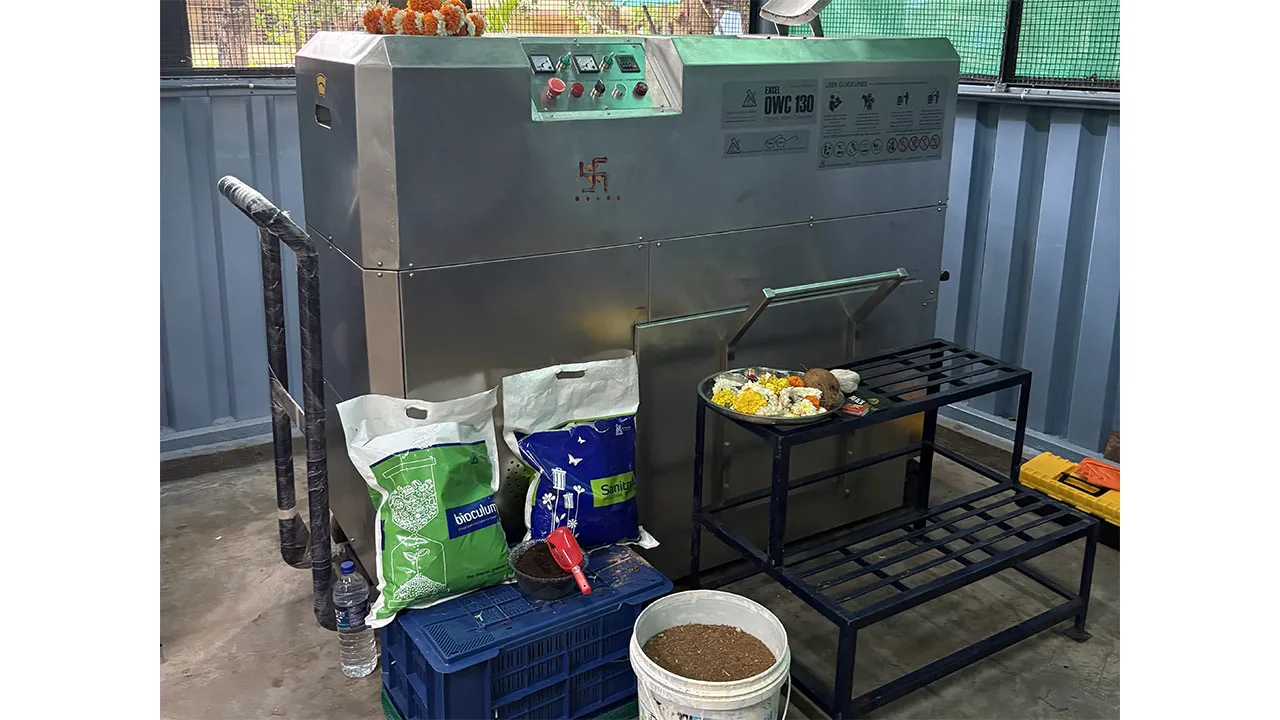
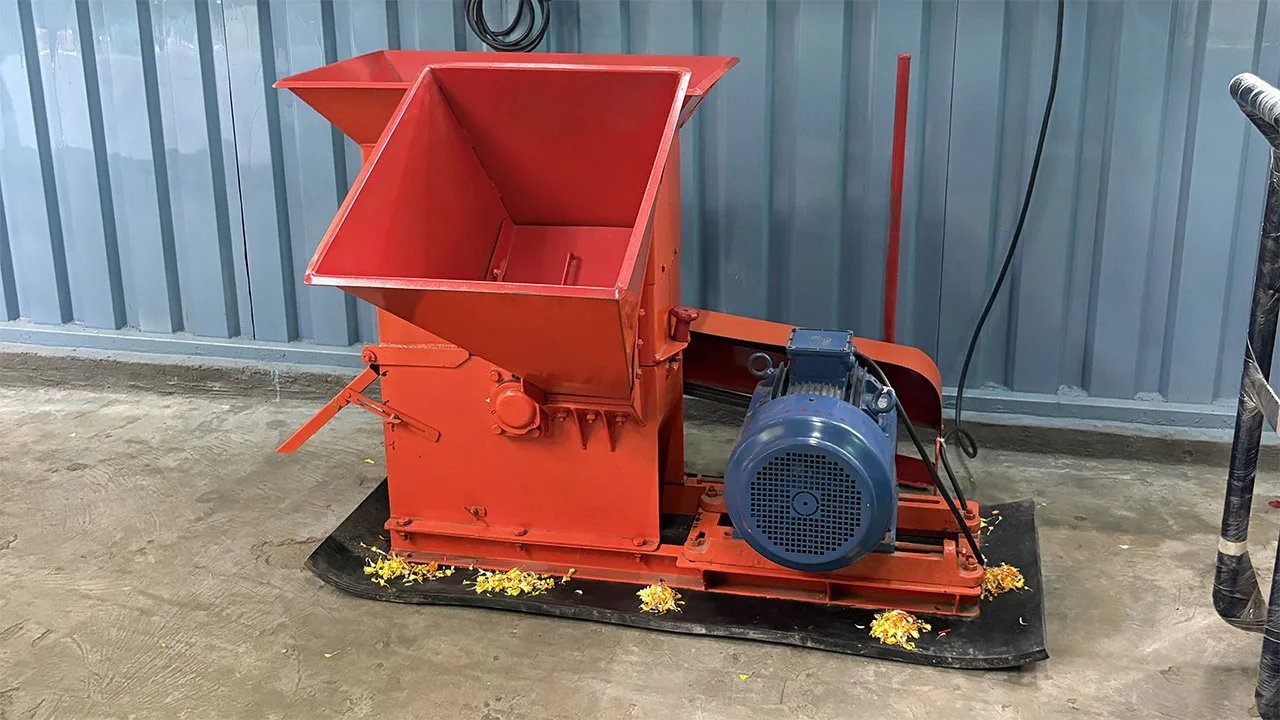
The system adopts a centralised approach, treating waste from across the campus using an organic waste converter (OWC) that processes 300–500 kg of wet waste daily and converts it into nutrient-rich compost within 10 days.
Waste management process
- Segregation at source: Waste is categorised into wet, dry, and reject at the point of generation.
- Processing wet waste: Food and organic matter are fed into the OWC to produce compost in 10 days.
- Utilisation: Compost is used for campus greenery, reducing dependency on chemical fertilisers.
- Dry and reject waste: Dry waste is sent to authorised recyclers such as Bisleri’s ‘Bottles for Change’, Recircle, Aakar, and Padcare, while reject waste is disposed off responsibly.
Impact beyond the campus
This initiative tackles pressing environmental challenges while delivering tangible benefits. It reduces landfill contribution, supplies compost for landscaping, lowers chemical fertiliser usage, and fosters sustainability awareness among students and staff across the BVB institutes and the wider community.
From awareness to action
Building on the 2023 programme supported by Ekonnect Knowledge Foundation, RUR Green Life Pvt. Ltd., and the HT Foundation, the 2025 initiative delivers a permanent, self-sustaining infrastructure for large-scale waste processing. SPJIMR ’s earlier efforts were recognised for their significant contribution to sustainability.
Future plans include the development of a sustainability dashboard, installation of additional solar panels and a rainwater harvesting system, reinforcing SPJIMR’s commitment to environmental stewardship. By embedding sustainable practices into campus life, SPJIMR not only reduces its ecological footprint but also nurtures socially conscious leaders, fosters community engagement, and demonstrates how educational institutions can drive meaningful, long-term societal impact.