


#CorePrinciplesOfResponsiblePM: Unleashing the power of responsible product management — Innovate, thrive, sustain
Ankit Anand, PGDM 2024-2026

Product managers shape and craft digital experiences for billions of users worldwide. While PMs are often on the lookout for the next big thing, it’s not just about innovation; it’s about doing it with the right intent and purpose.
For instance, Apple puts privacy first with features like App Tracking Transparency, giving users control over their data. Microsoft champions inclusion with tools like Narrator, a screen reader for visually impaired users, and Seeing AI, an app that describes the world for those who can’t see it. Fairphone designs phones with ethically sourced materials and modular components for easy repair, cutting down on E-waste. Using Zomato, I loved how their ‘no cutlery required’ option became a default, cutting plastic waste with every order I placed. Their push to grow an electric vehicle fleet for deliveries also made me feel good about choosing a service that’s actively reducing emissions.
Responsible product management
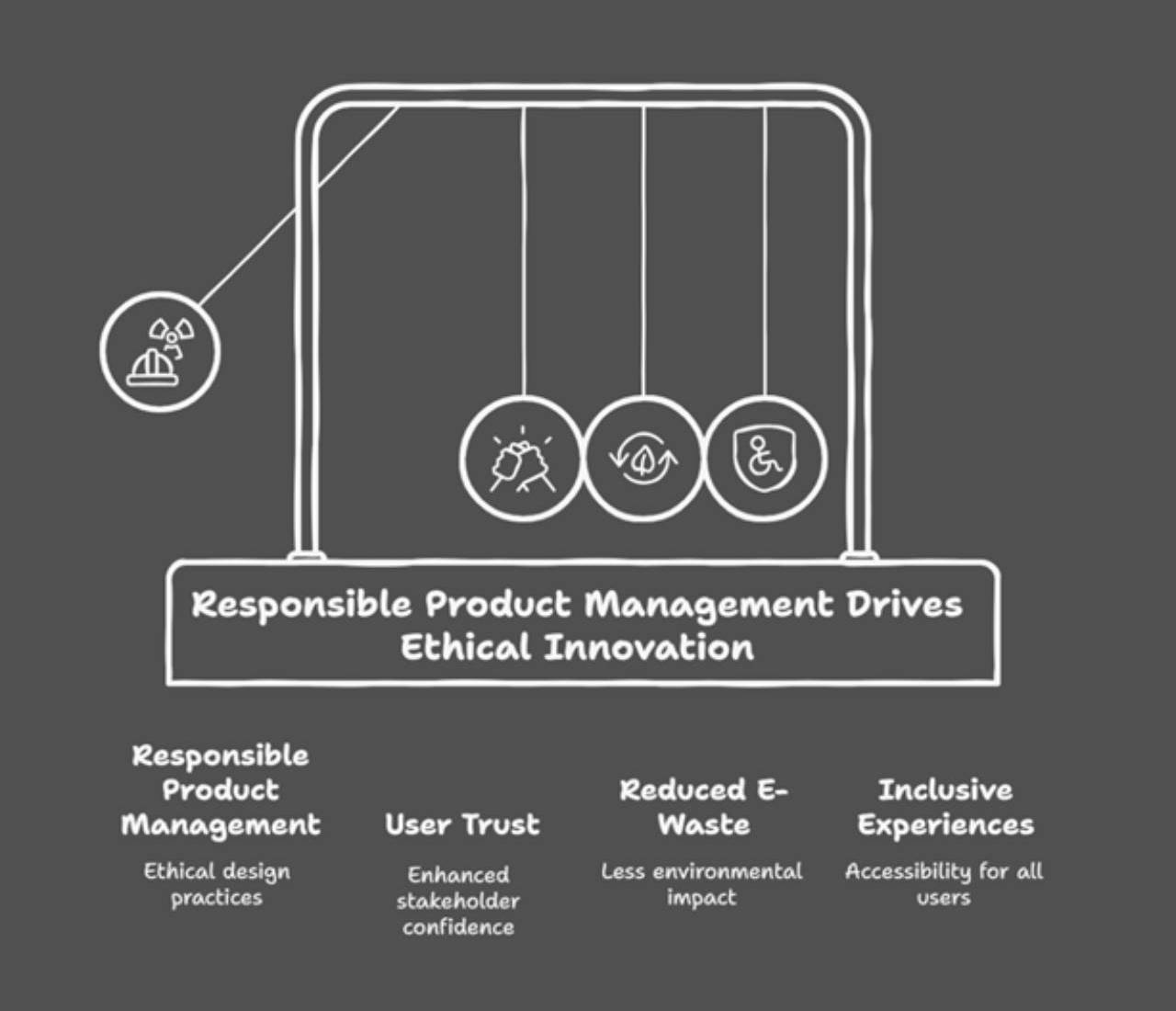
Responsible Product Management (RPM) means designing and curating user experiences that are sustainable, ethical, and inclusive. As the world becomes technology-first fast at a neck-breaking pace, RPM becomes even more critical to be debated and implemented.
However, when PMs cut corners with their eyes transfixed on business goals only, the fallout can be severe. A report from McKinsey & Co. raises an alarm that AI bias can mean unfairness, which can mean people miss out on jobs or loans. Data breaches erode stakeholders’ trust and bring class action lawsuits and regulatory concerns. Unsustainable products pile up e-waste and negatively damage the environment. Several companies in the past have faced a blow to their bottom line because of overlooking the principles of RPM.
RPM thinking
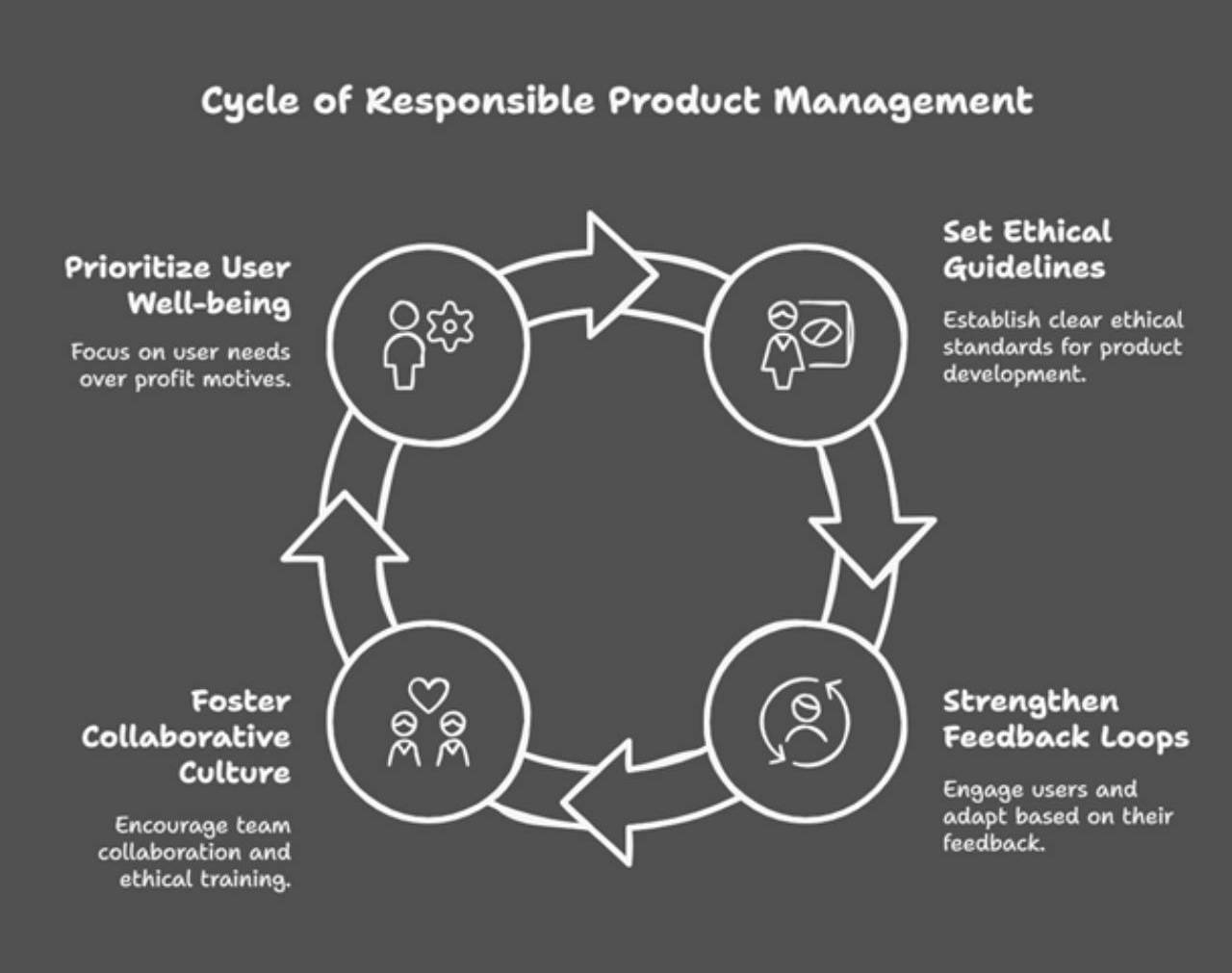
To avoid Pitfalls, product managers can follow a broad framework that includes:
- Setting clear ethical guidelines: User centricity is key, and determining whether a product feature respects users’ concerns and avoids harm is critical.
- Strengthening feedback loop: Educate users on the features, list out risks, if any, and adapt based on feedback.
- Fostering a collaborative culture: Culture is key, as the team members should feel safe to raise any red flag during any stage of the product life cycle. Employee training should also cover ethical product management principles and not just metrics for success. Leadership must prioritise user well-being over quick profits, crucial in setting the tone for the rest of the company.
It’s not easy
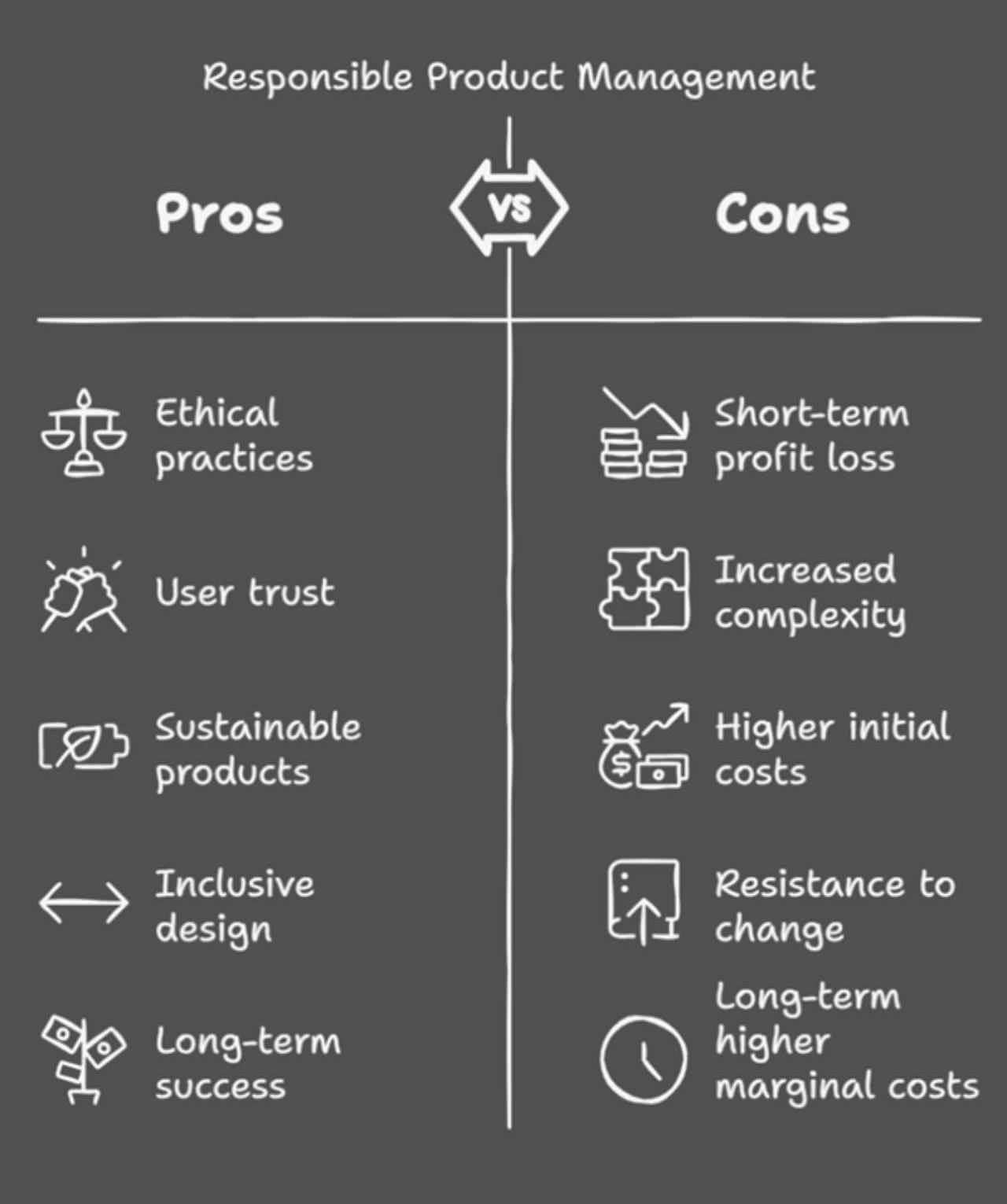
Responsible product management isn’t easy. It would mean saying no to shortcuts or incremental profits to do what’s right. However, the marginal cost of doing something right is way lower than that of doing something wrong.
By focusing on ethics, sustainability, and inclusion, we can make products that make the world better. In a tech-driven age, creating a massive impact with integrity is worth chasing, building one responsible choice at a time.
About Post Graduate Diploma in Management (PGDM)
SPJIMR’s Post Graduate Diploma in Management (PGDM) is a two-year, full-time residential programme equivalent to an MBA. PGDM is approved by AICTE, accredited by NBA and AMBA, UK and consistently rates among India’s top 10 management programmes. The programme offers a holistic approach to leadership development with its innovative blend of classroom learning and thoughtfully curated immersive experiences.